



Art Deco Ceramic Figurine
Art deco ceramic figurine pieces capture the stylised elegance of the 1930s, offering tactile charm and vibrant character that collectors prize for any room.
What these pieces are
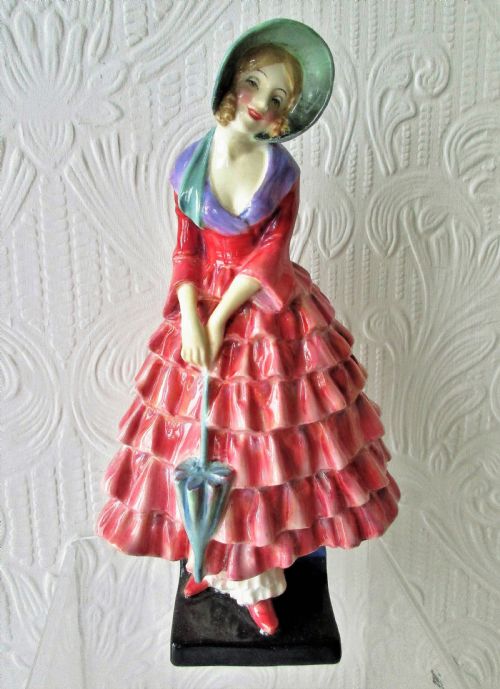
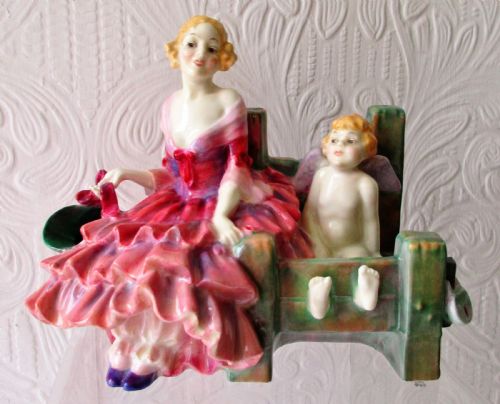
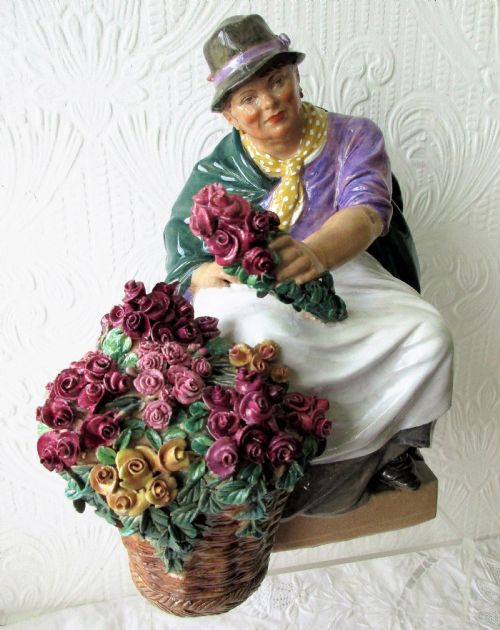
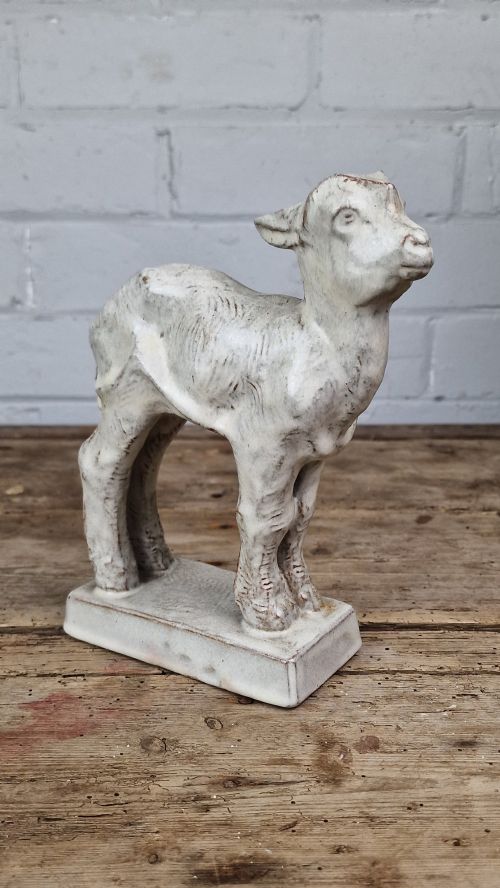
An art deco ceramic figurine brings the dynamic geometry and spirited character of the 1930s straight into a room. These objects take the form of decorative figures, trinket boxes, and powder box bowls that reflect the distinctive aesthetic of the period.
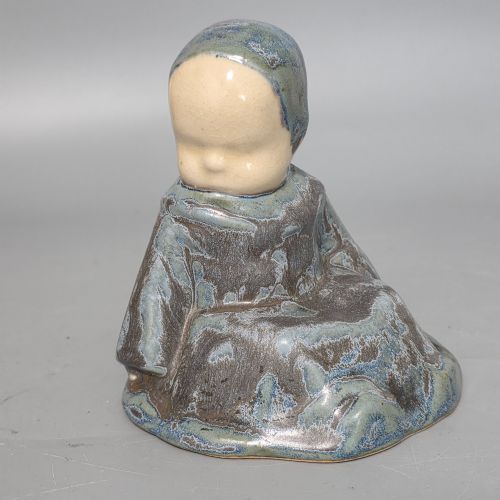
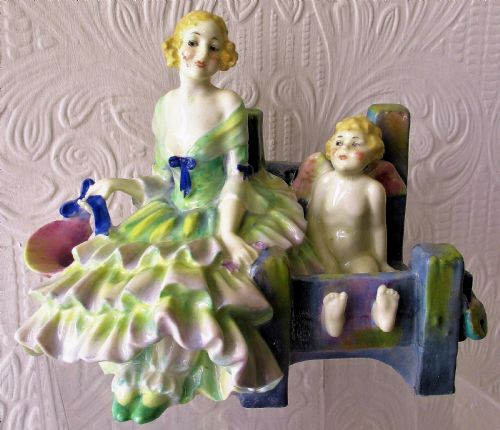
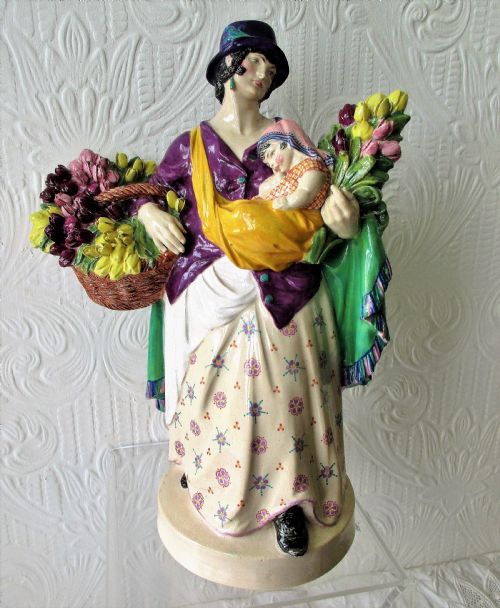
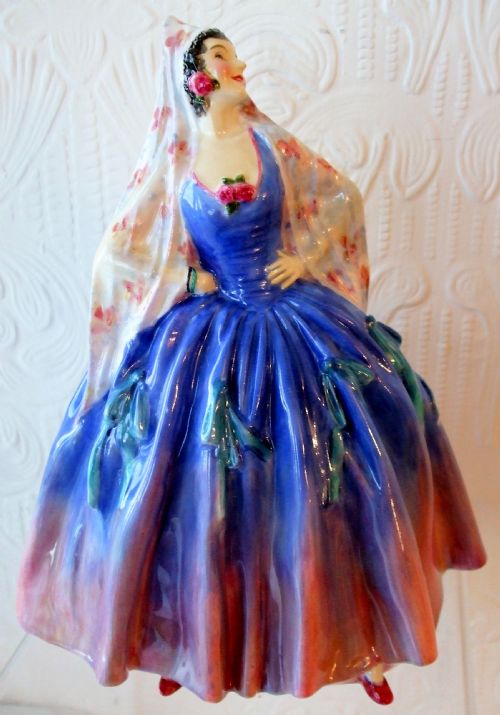
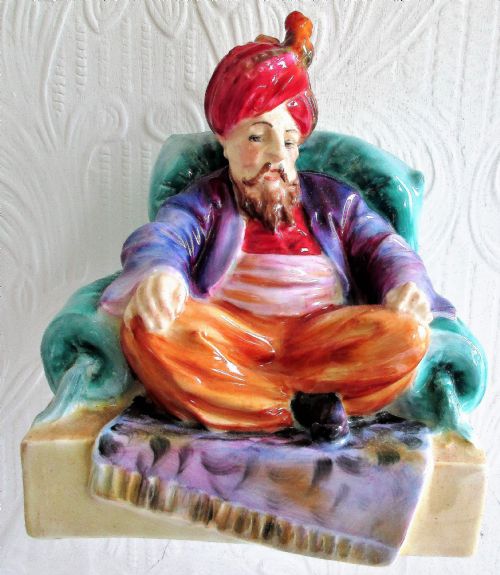
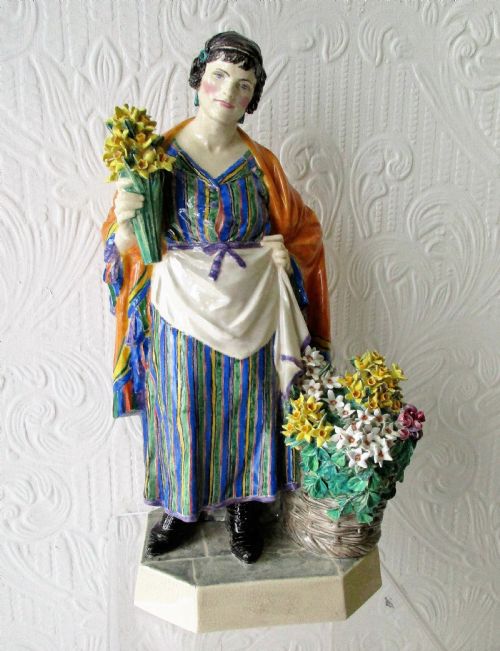
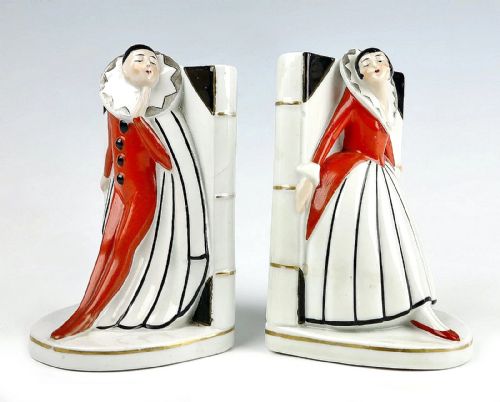
The selection centres on earthenware, stoneware, and porcelain creations originating from French and English workshops. Buyers encounter expressive studies of figures, including seated infants and iconic flapper women, modelled with distinct period charm.
How they were made
Maker's hands shaped these pieces from earthenware, stoneware, porcelain, and ceramic bodies. Artisans applied rich glaze finishes to seal the clay and provide depth of colour.
Retail Price Guide 2026
Typical UK retail prices for art deco ceramic figurine, calculated from the Sellingantiques database of over a million retail prices indexed since 2003. This retail price guide relies exclusively on Sellingantiques data; no external sources or auction records are used, so the figures do not describe the wider market.
Listings feature ceramics exclusively from the 1930 period, spanning French and English origin points.
What varies in quality
The finesse of the modelling and the precision of the glaze application separate the finer examples from ordinary work. Artisans who achieved crisp facial expressions and balanced proportions elevated the status of the piece.
Studio pottery pieces often display distinct artistic intent in their hand-painted decoration compared to mass-produced counterparts. The integrity of the ceramic body and the preservation of the original glaze determine the overall character.
Berthe Savigny·HB Quimper·Charles Vyse
The Art Deco Ceramic Figurine Glossary
- Earthenware
- Porous pottery fired at lower temperatures, commonly used for traditional ceramic figures and glazed vessels. It requires a glaze to become entirely waterproof.
- Stoneware
- Dense, vitrified pottery fired at higher temperatures that results in a sturdy, non-porous body. This material allows for robust figures with durable surfaces.
- Porcelain
- A fine, translucent ceramic material made from clay containing kaolin. It permits delicate modelling and smooth, glossy finishes.
- Glaze
- A vitreous coating fused to ceramic surfaces through firing. It adds colour, shine, and impermeability to the piece.
Frequently Asked Questions
What materials are used?
Makers utilised earthenware, stoneware, porcelain, and ceramic bodies to construct these figures and powder boxes.
Surface finishes typically rely on applied glazes to provide colour and texture.
How do I date them?
Stylistic cues from the 1930s, such as geometric motifs and characteristic flapper dress, point directly to the era.
Signatures, stamps, and maker marks on the underside also help establish provenance.
Where were they made?
Origin points span French workshops and English studios, reflecting diverse regional approaches to ceramic design.
Potteries in locations such as Quimper contributed notable stoneware output during this period.
How were they used?
Many served as decorative ornaments on dressing tables, mantelpieces, or display cabinets.
Powder box bowls combined sculptural appeal with practical storage for cosmetics and trinkets.