



Blue Glazed Ceramic Statue
These blue glazed ceramic statue examples bring figurative pottery and porcelain from the nineteenth century and earlier into modern rooms.
Blue Glazed Ceramic Statue
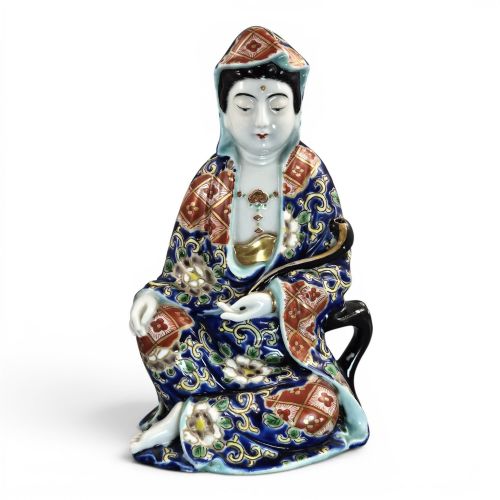
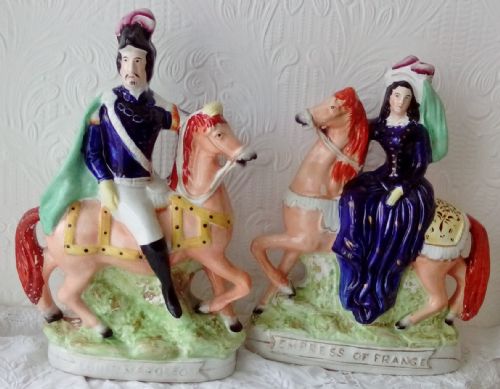
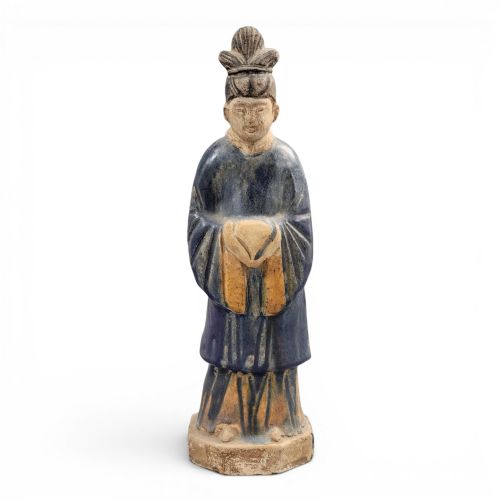
A blue glazed ceramic statue comprises figurative pottery, earthenware, and porcelain depicting humans, animals, and mythological subjects. Collectors encounter examples ranging from nineteenth-century Victorian Staffordshire figures to earlier Chinese Qing Dynasty glazed ceramics and Japanese Meiji period works.
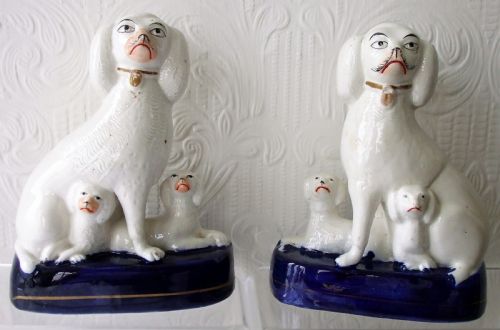
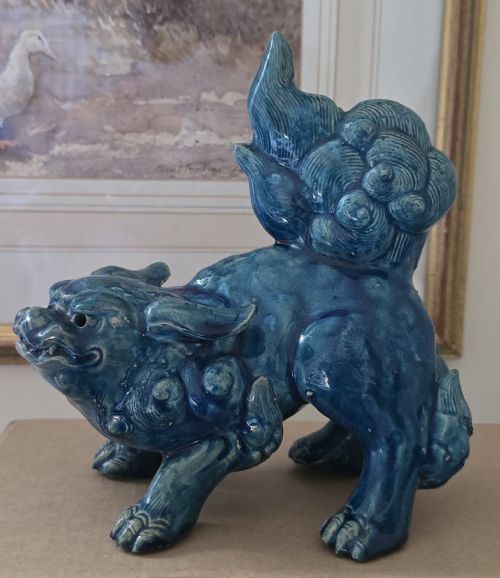
The objects span varied cultural traditions, including Dutch Delftware pottery cows, English portrait figures, and East Asian temple guardians. Pieces on this page frequently include Staffordshire animals, Japanese shishi figures, and Chinese turquoise-glazed ceramic studies.
Materials and production methods
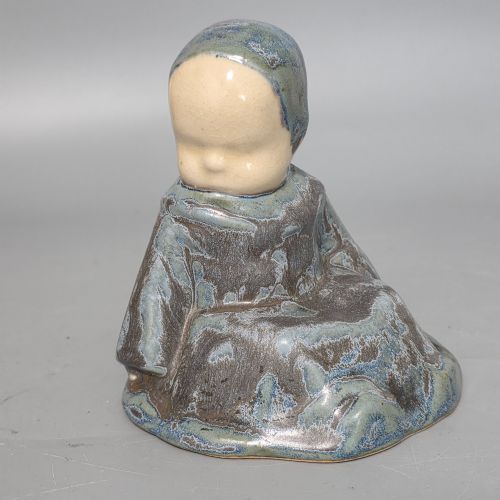
Makers shaped earthenware, stoneware, and porcelain bodies by hand or in moulds before applying coloured glazes and enamel. Cobalt blue, turquoise glazes, and polychrome pigments define the surface decoration across periods.
Kiln firing fixed the vitreous coatings onto the ceramic base, sometimes supplemented with gold leaf highlights or biscuit porcelain finishes. Artisans in European factories and Asian kilns utilised local clays suited to their specific moulding and glazing traditions.
Current listings feature earthenware, porcelain, stoneware, and terracotta forms spanning the eighteenth century to the 1930s.
Distinctions in execution and modelling
The prestige of the workshop or factory, alongside the skill of the individual modeller and painter, dictates the standing of the work. Early examples and pieces bearing clear attribution demonstrate superior artistic commitment compared to mass-produced domestic wares.
Royal Doulton·Royal Capodimonte Factory·Vion et Baury·Meissen Group·Berthe Savigny
The Blue Glazed Ceramic Statue Glossary
- Glaze
- A glassy coating fused to ceramic surfaces by heat. It provides colour, waterproofing, and a smooth sheen to the pottery body.
- Earthenware
- Porous pottery fired at lower temperatures. It requires a glaze to hold liquids and forms the base of many regional figures.
- Porcelain
- A hard, vitreous ceramic made from kaolin and petuntse. It rings when struck and fires at high temperatures.
- Shishi
- A guardian lion or dog in East Asian art. These mythical beasts appear frequently in Japanese and Chinese ceramic sculpture.
- Biscuit
- Unglazed fired porcelain or ceramic. It has a matte, tactile texture resembling marble.
Blue Glazed Ceramic Statue: Frequently Asked Questions
How do I date an antique ceramic figure?
Examine the base, the style of the clothing, and the characteristics of the glaze. Differences in kiln support marks and clay bodies help separate nineteenth-century pieces from earlier centuries.
Compare the modelling style to known factory outputs and documented historical portraits. Period markers such as Victorian attire or specific dynasty traits offer reliable chronological clues.
Where were glazed ceramic statues displayed?
These figures sat upon mantelpieces, sideboards, and occasional tables within period drawing rooms and parlours. Larger examples stood on pedestals or floor brackets in grander entrance halls.
Domestic interiors utilised them as conversation pieces, portrait memorials, or decorative ornaments. Animal groups and quill holders served both ornamental and practical functions on writing desks.
What is the difference between earthenware and porcelain figures?
Earthenware uses a softer, more porous clay body that requires an opaque or coloured glaze for complete sealing. Porcelain employs refined white clay that vitrifies during high-temperature firing, resulting in a dense, non-porous structure.
Porcelain figures often allow for finer facial details and thinner modelling than coarser earthenware. European potteries and Asian kilns utilised whichever material suited their regional techniques.
How should I clean my ceramic statue?
Dust the surface gently with a soft, dry brush to remove settled particles. Avoid using household detergents or abrasive cloths that might damage delicate enamel details or old glazes.
Keep figures away from direct sunlight and areas subject to sudden temperature shifts. Stable indoor conditions protect the ceramic body and prevent crazing in the glaze.