




Art Deco Vanity Box
An art deco vanity box brings the geometric glamour and tactile materials of the interwar years straight to a modern dressing table.
Understanding the Pieces
An art deco vanity box spans functional accessories designed for cosmetics, travel, and personal organisation during the nineteen-thirties and forties. You will frequently encounter powder boxes, trinket boxes, and travel luggage cases produced in this distinctive style.
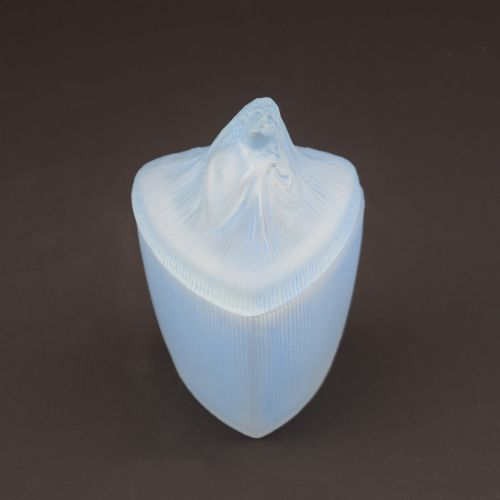
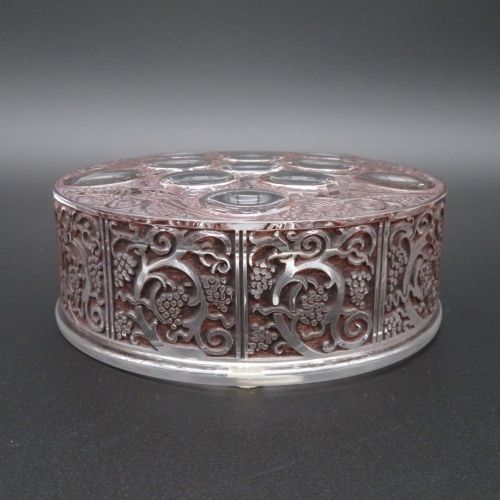
The selection ranges from ceramic powder bowls and crystal cigarette containers to leather travel cases and fitted silver sets. Most examples date from around nineteen-thirty, capturing the characteristic aesthetic of the period through clean lines and stylized motifs.
Materials and Construction
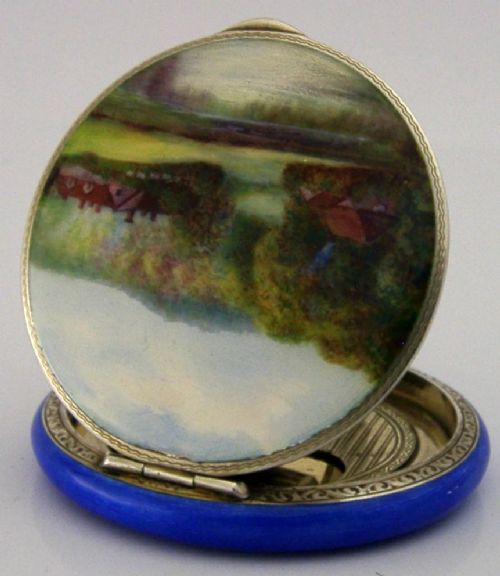
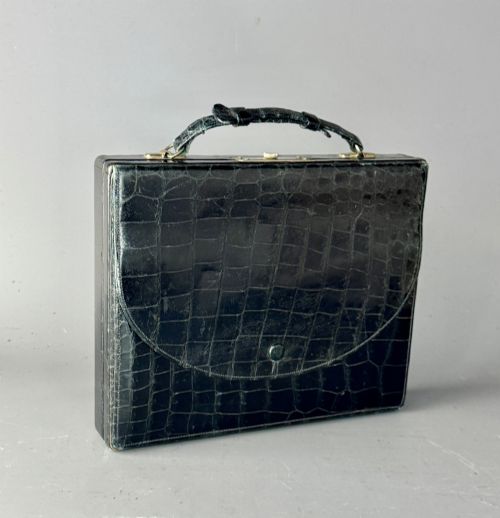
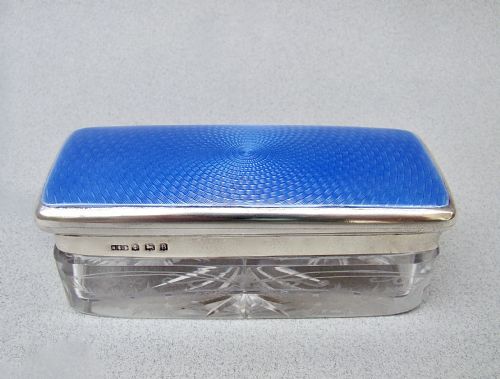
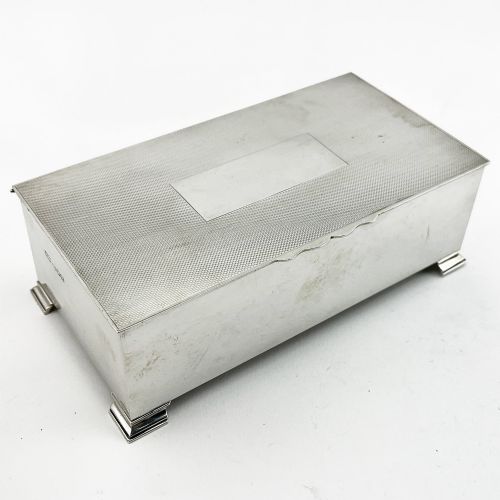
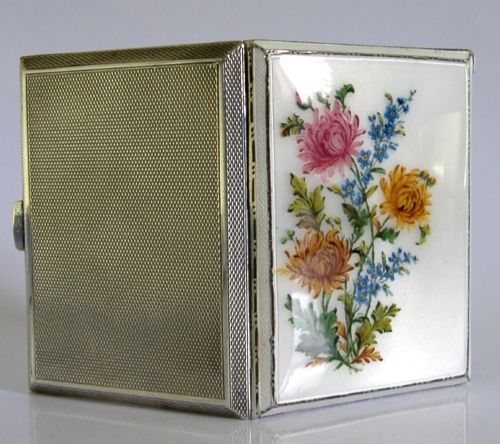
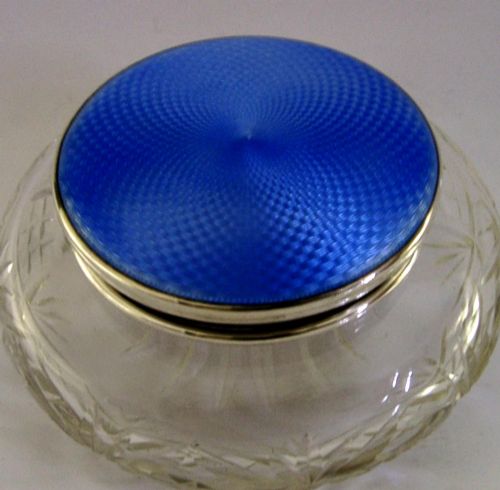
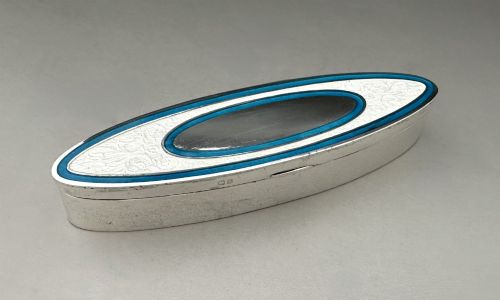
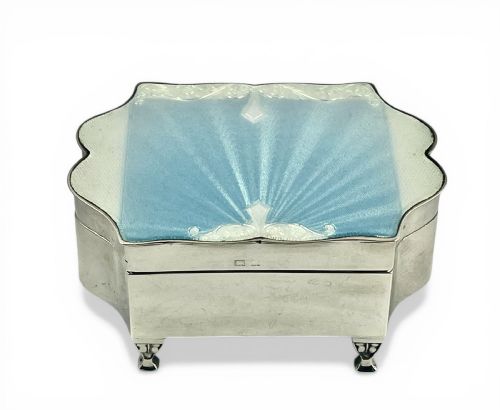
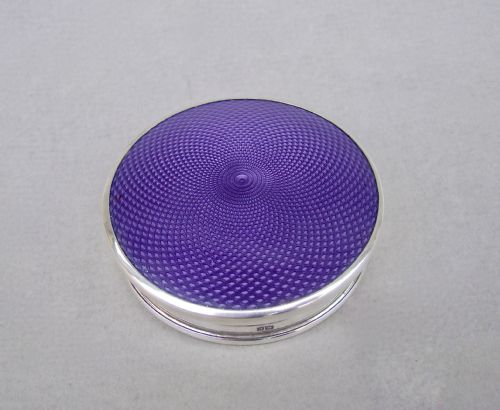
Maker materials encompass porcelain, ceramic, crystal glass, and gilt alongside crocodile leather, brass, white onyx, lapis lazuli, and sterling silver. Specialised surface decoration includes guilloche enamel and marcasite detailing applied to precious metals.
Ceramic pieces utilise moulded glazes often depicting flapper girl motifs characteristic of the era. Travel and work cases combine structural leather or timber frames with metal hardware and fitted internal compartments.
Retail Price Guide 2026
Typical UK retail prices for art deco vanity box, calculated from the Sellingantiques database of over a million retail prices indexed since 2003. This retail price guide relies exclusively on Sellingantiques data; no external sources or auction records are used, so the figures do not describe the wider market.
Listings feature items dated across the nineteen-thirties and nineteen-forties, maintaining a strong focus on nineteen-thirty origins.
Judging Quality
Quality rests upon the selection of materials and the precision of decorative execution, such as the crispness of guilloche enamel work and the integration of hardstones like white onyx and lapis lazuli. Finer pieces demonstrate superior assembly of mixed media elements and well-preserved surface finishes.
Makers such as Dunhill London and Limoges represent distinct tiers of production, where branded luxury travel luggage contrasts with specialist ceramic and porcelain manufacturing. The presence of original fitted boxes and complete internal sets elevates the standing of an individual piece.
Dunhill London·Limoges
The Art Deco Vanity Box Glossary
- Guilloche enamel
- A decorative technique involving precise mechanical patterns engraved beneath a translucent enamel layer. It produces a shimmering, wavy background often seen on silver vanity accessories.
- Marcasite
- Small faceted polished iron pyrite stones set into silver mounts. They sparkle like diamonds under candlelight and typify interwar jewellery and decorative metalwork.
- Flapper girl
- A cultural archetype of the nineteen-twenties and thirties representing modern, independent women. Ceramic representations frequently decorate powder boxes of the period.
- White onyx
- A translucent compact form of quartz utilised for stone boxes. It offers a smooth, pale surface that highlights contrasting metal mounts.
- Gilt
- A thin layer of gold applied to the surface of base metal or silver. It provides the warm appearance of solid gold without the weight.
Frequently Asked Questions
What were art deco vanity boxes used for?
These boxes served practical roles on dressing tables and during travel to hold loose powder, trinkets, cigarettes, and personal grooming items. They kept small valuables and cosmetics organised within decorative containers suited to the period.
Many incorporated specialised compartments or fitted silver sets tailored to specific daily rituals of grooming and leisure.
How do I date an art deco vanity box?
Dating relies on stylistic markers, material combinations, and maker stamps typical of the nineteen-thirties and forties. The presence of ceramic flapper motifs and guilloche enamel generally points toward the earlier part of this window.
Comparing construction techniques with documented pieces from firms like Dunhill or Limoges helps narrow the production era further.
How should I care for crystal and enamel boxes?
Crystal glass and delicate enamel surfaces require gentle cleaning with a soft, damp cloth and mild soap. Avoid harsh chemical cleaners and abrasive cloths that can scratch guilloche patterns or dull gilt finishes.
Store them away from direct sunlight to prevent fading in coloured enamels and leather components.
What materials are typical for these boxes?
Interwar boxes utilise a diverse range of media including porcelain, ceramic, crystal glass, brass, and sterling silver. Luxury examples often incorporate exotic materials like crocodile leather, white onyx, and lapis lazuli.
Surface embellishments frequently feature coloured glazes, enamel, and marcasite settings.