


Art Deco Powder Jar
An art deco powder jar brings the glamour of the dressing table home, combining practical storage with the bold geometric lines of the period.
Art Deco Powder Jar
An art deco powder jar is a vanity accessory designed to hold loose cosmetic powder or trinkets on a dressing table. The pieces found here span the Edwardian period through the 1950s, though the majority concentrate in the 1920s and 1930s.
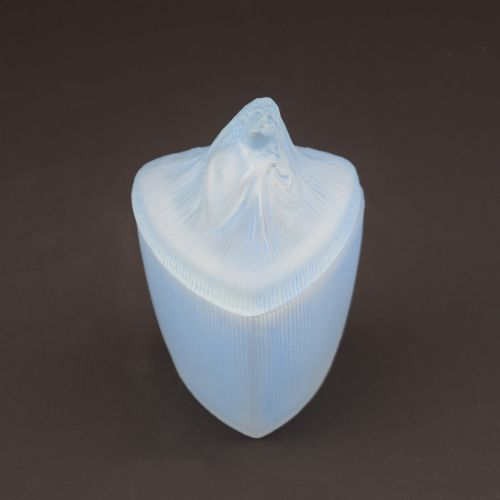
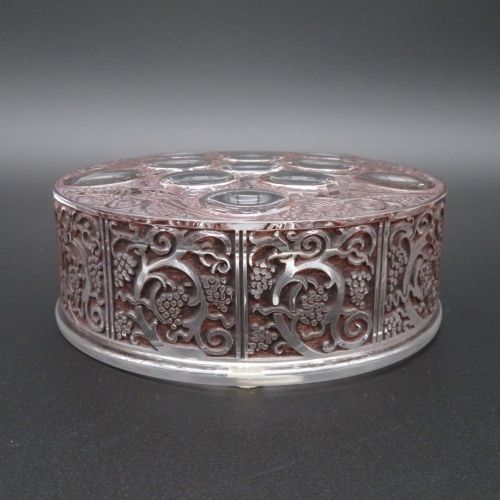
Forms vary from lidded glass bowls and ceramic containers to figural pieces topped with porcelain half dolls representing flapper girls, pierrots and jesters. Originating from British, French, German and Austrian makers, these lidded bowls often form part of wider vanity sets.
How they were made
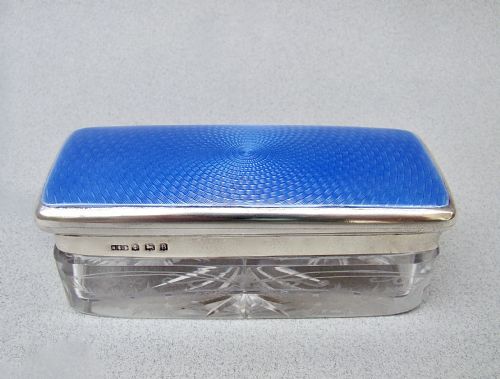
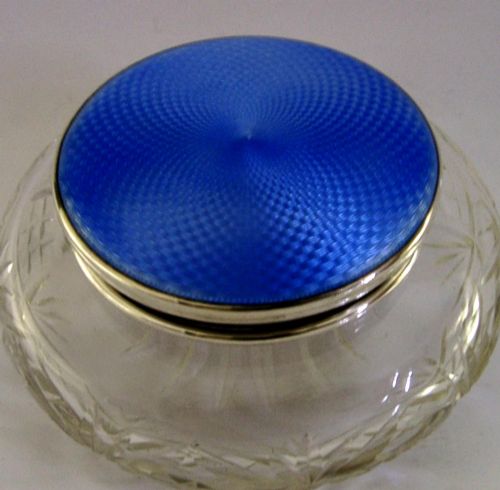
Master craftsmen shaped these objects using cut crystal, pressed glass, porcelain and ceramic, frequently pairing them with sterling silver mounts and lids. Metal components often received decorative treatments such as guilloché enamel in vibrant blue or pink shades.
Figural variants combine moulded ceramic bases with half doll figures or novelty characters, while glass versions utilise etching and crystal cutting to achieve distinct light-reflecting patterns characteristic of the era.
Some powder jars feature whimsical jester and pierrot figures keeping watch over your daily cosmetic routine.
What varies in quality
The standard of an art deco powder jar rests on the crispness of the glass cutting, the weight of the sterling silver mount, and the intricacy of the enamel work. Hand-painted ceramic details on figural pieces also separate standard production items from finer studio examples.
The complexity of the design, whether an overlaid amethyst glass vessel or a detailed guilloché pattern stamped with a specific assay office and maker mark, determines the distinction between mass-produced containers and superior decorative pieces.
Henry Clifford Davis·Rene Lalique·Fasold and Stuach·Limoges·Collett and Anderson
The Art Deco Powder Jar Glossary
- Guilloché
- A decorative engineering technique where a precise, intricate repetitive pattern is mechanically engraved into a metal surface. It frequently appears beneath translucent enamel on silver dressing table items.
- Half doll
- A ceramic or porcelain figurine modelled from the waist up, originally designed to sit atop a bouffant powder puff skirt or serve as the lid of a vanity jar.
- Flapper girl
- A cultural archetype of the 1920s representing modern, independent young women, frequently depicted on ceramic powder box lids in characteristic attire and hats.
- Cut glass
- Glassware shaped and patterned by grinding and polishing wheels, creating deep facets that catch the light on dressing table jars.
- Assay office
- A statutory body that tests the purity of precious metals and stamps items with hallmarks, providing evidence of the town of origin and year of manufacture.
Art Deco Powder Jar: Frequently Asked Questions
What is an art deco powder jar used for?
These vessels originally held loose face powder on dressing tables, accompanied by powder puffs and perfume bottles. Today they serve as decorative containers for small trinkets and jewellery.
Their compact size makes them suitable for display on bedroom furniture or bathroom shelves, preserving a touch of mid-century vanity tradition.
How do I identify a 1920s powder jar?
Look for hallmarks on silver mounts that indicate specific assay years from the 1920s or 1930s. Stylistic markers such as geometric patterns, guilloché enamel and ceramic flapper figures point directly to this era.
Makers' marks stamped on the base of ceramics or crystal provide further clues to the workshop of origin and approximate decade.
What materials are common in these vanity jars?
The listings show a combination of ceramic, porcelain, glass and crystal paired with sterling silver mounts. Many feature applied enamel or tortoiseshell details on the lids.
Figural examples utilise moulded ceramic or porcelain for the doll figures, while the lower bowls are formed from pressed or cut glass.
Are these jars part of larger sets?
Many dressing table accessories were originally produced as part of matching vanity sets that included perfume bottles, brushes and powder bowls. Individual pieces frequently became separated over time.
Matching trays and related items occasionally appear alongside the lidded jars to complete a dressing table display.