


Art Deco Vanity Dish
An art deco vanity dish brings period elegance to a dressing table, offering a compact home for small trinkets and powder.
Art Deco Vanity Dish
When you search for an art deco vanity dish, you encounter a selection of dressing table accessories originating primarily from the 1920s, 1930s, and 1940s. These pieces include powder boxes, trinket dishes, pill boxes, and lidded bowls designed for daily use on a dressing table.
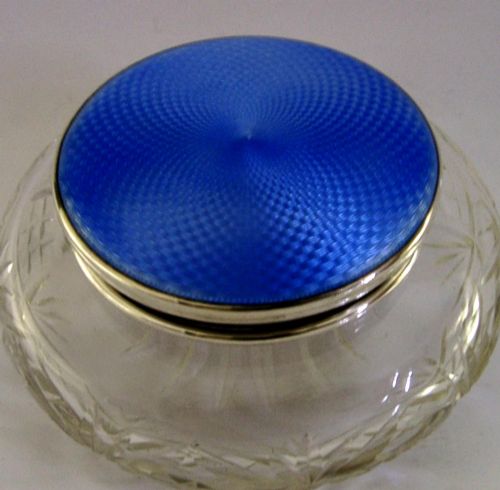
The most common versions on this page are ceramic and porcelain powder boxes featuring figural flapper girls, bathing belles, and half dolls, alongside glass bowls with silver and enamel tops. British George V examples sit alongside French and German ceramics.
The assortment extends to small trays, crystal cigarette boxes, and mirrored glass items that reflect the geometric and figural preoccupations of the period. Each item served a practical function in the daily grooming rituals of the era.
Materials and construction
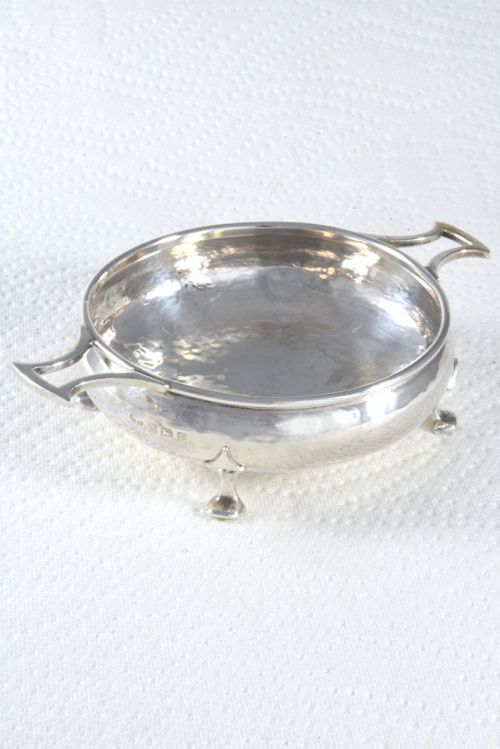
Makers combined sterling silver, silver plate, and base metals with cut glass, crystal, and mirror glass to create reflective surfaces. Enamel work, particularly blue and pink guilloche, adds colour to silver lids and mounts, while tortoiseshell and white onyx introduce organic textures.
Ceramic and porcelain vessels were moulded and glazed, often incorporating hand-painted details on figural lids depicting pierrots, jesters, and ladies. Metal components involved casting, stamping, and smithing, frequently bearing hallmarks from Birmingham or continental workshops.
Origin locations noted in the selection include French, German, and Belgian workshops alongside British silver assay offices.
Distinctions in quality
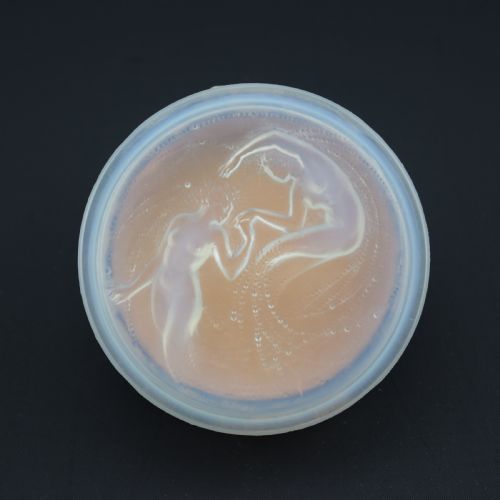
The integration of materials dictates distinction, such as the snug fit of a silver collar onto a cut glass jar or the depth of the blue enamel over engine-turned metal. Signed glass works by notable designers demonstrate superior clarity and moulding definition.
René Lalique·Limoges·Hoffman
The Art Deco Vanity Dish Glossary
- Guilloche
- An ornamental technique in which a very precise, intricate and repetitive pattern is engraved into a metal surface by mechanical means. Translucent enamel is often applied over the top to allow the pattern to show through.
- Half doll
- A ceramic torso without legs, popular in the early twentieth century as the upper portion of a powder brush or the lid of a dresser box. The porcelain skirt of the lady typically formed the fabric cover or the lid itself.
- Flapper girl
- A cultural archetype of the 1920s representing young women who wore short skirts, bobbed their hair, and listened to jazz. Ceramics and metalwork of the period frequently depicted these figures on vanity items.
- Trinket box
- A small container designed for holding rings, pins, or other small personal items. They appear in silver, glass, and ceramic variations on dressing tables.
- Silver plate
- A layer of silver applied to a base metal core, such as copper or brass, to give the appearance of solid silver. This technique provided a more affordable alternative for dressing table wares.
Art Deco Vanity Dish: Frequently Asked Questions
What is an art deco vanity dish?
An art deco vanity dish is a small decorative container or tray used historically on dressing tables for holding powder, pins, or small trinkets during the 1920s and 1930s. They are typically made from ceramics, glass, or silver with enamel details.
These items reflect the distinct geometric and figural aesthetics of the period, often featuring stylised depictions of women or clean modernist lines.
How do I date an art deco vanity dish?
Dating relies on hallmarks on silver mounts, maker marks on porcelain bases, and the distinct stylistic tropes of the design. Pieces from the 1920s and 1930s often feature specific clothing styles like flapper dresses or geometric motifs.
Assay office marks and date letters on sterling silver items provide precise years of manufacture, while ceramic bodies often carry period-specific factory stamps.
Were these items used for cosmetics?
Many of these pieces were specifically designed to hold loose face powder, puffs, and pins as part of a morning dressing routine. Lidded porcelain bowls and glass jars kept powders contained on the dressing table.
Trinket boxes and pill boxes served to store small jewellery items and personal medications rather than cosmetics.
What materials were commonly used?
Makers utilised a combination of ceramic, porcelain, sterling silver, and cut glass to produce these vanity accessories. Enamel, gold leaf, and mirror glass frequently appeared as decorative additions.
Base metals with silver plating and occasional insertions of white onyx or tortoiseshell also feature within the materials used.
How should I clean silver and enamel?
Sterling silver components require gentle cleaning with a specialised silver cloth to avoid touching surrounding enamel surfaces. A soft, dry cloth is sufficient for dusting glass and porcelain bodies.
Harsh chemical dips must be avoided, as they can damage delicate enamel work and older bonded adhesives holding mounts to glass.