
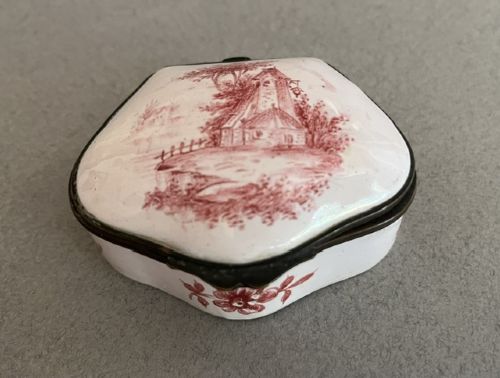


Antique Ceramic Dresser Box
An antique ceramic dresser box sits upon a dressing table to hold small treasures, shaped by French and German makers.
Antique Ceramic Dresser Box
The antique ceramic dresser box appears in several forms across this selection, including trinket boxes, powder boxes, jewellery boxes and caskets, powder bowls, and vanity boxes. These vessels served dressing tables of the nineteenth and twentieth centuries, holding cosmetics, powder, or personal ornaments.
Most pieces seen here belong to the Art Deco period of nineteen thirty or trace back through the nineteenth century, including dates around eighteen hundred and sixty and nineteen hundred. French and German origins dominate the selection, alongside items from Italy.
Makers and regional styles vary from French Rococo Revival and French Provincial designs to German figural jars featuring half dolls and jester figures. Buyers frequently encounter round boxes and lidded bowls finished with hand-painted details or gilt accents.
Materials and construction
Production relies upon ceramic, porcelain, and earthenware bodies shaped into bowls, jars, and caskets. Manufacturers applied coloured glazes and hand-painted decoration directly to the ceramic surfaces.
Many examples incorporate metallic enrichment, utilising gilt, gold leaf, and brass fittings for hinges, mounts, and surface detailing. Enamel work frequently appears alongside these metallic embellishments to add colour and texture.
Listings feature porcelain, ceramic, earthenware, glaze, enamel, gilt, brass, and gold leaf across four distinct periods.
Assessing quality and craftsmanship
Quality separates simple containers from exceptional works through the precision of the hand-painted decoration and the crispness of moulded figural elements like flapper girls or jesters. Finer pieces display careful application of gilt and enamel, maintaining clean lines across intricate porcelain surfaces.
The sophistication of the design period also dictates distinction, where robust Art Deco forms or elaborate French Rococo Revival scrollwork show greater artistic ambition than plain utilitarian bowls.
Limoges
The Antique Ceramic Dresser Box Glossary
- Porcelain
- A hard, fine-grained ceramic material fired at high temperatures to produce a vitrified, non-porous body. It forms the white or tinted base for many fine dresser boxes and trinket jars.
- Gilt
- A thin layer of gold applied to the surface of porcelain, brass, or ceramic to provide metallic highlights and decorative borders. It catches the light on nineteenth-century caskets and twentieth-century powder jars.
- Capodimonte
- An Italian porcelain tradition known for highly detailed, moulded figural work and sculptural ornamentation. Pieces from this tradition often feature relief decoration and ornate table caskets.
- Half doll
- A ceramic figure modelled from the waist up, frequently utilised as the lid for powder boxes and brush sets during the early twentieth century. These figures often depict fashionable women or costumed characters.
- Enamel
- A glassy substance fused to metal or ceramic surfaces through firing to add durable colour and decorative patterns. It provides rich hues on decorated boxes.
Antique Ceramic Dresser Box: Frequently Asked Questions
What were antique ceramic dresser boxes used for?
These vessels held loose face powder, trinkets, jewellery, and small vanity items upon a bedroom dressing table. They kept personal items neatly enclosed within decorative ceramic containers.
Lidded bowls and caskets were standard accessories for grooming routines during the nineteenth and twentieth centuries.
How do I identify an Art Deco dresser box?
Art Deco pieces typically date around nineteen thirty and feature stylised geometric forms, moulded flapper girls, or half doll lids. The decoration often reflects the modern aesthetics of that decade.
Earlier nineteenth-century examples tend to display scrollwork and revival styles rather than twentieth-century geometric motifs.
Where were most of these boxes made?
The selection is largely comprised of items originating from France and Germany, alongside pieces from Italy. French examples often lean towards Provincial or Rococo Revival styles.
German production frequently encompasses figural powder boxes and jars featuring distinct modelled characters.
How should I clean my ceramic box?
Dust gently with a soft, dry cloth to protect delicate hand-painted surfaces and gilt detailing. Avoid harsh chemical cleaners that might damage enamel or gold leaf.
Careful handling ensures the painted scenes and metallic mounts remain preserved over time.