




Art Deco Cosmetic Box
An art deco cosmetic box brings geometric elegance and period glamour to a dressing table, offering a tangible link to the jazz age vanity.
Art Deco Cosmetic Box
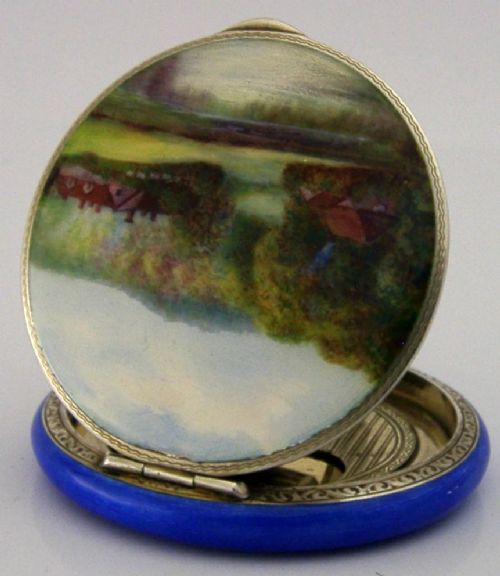
An art deco cosmetic box encompasses powder compacts, vanity jars, powder boxes, and trinket cases designed to hold powders and cosmetics. These containers reflect the changing social habits and portable makeup trends of the early twentieth century.
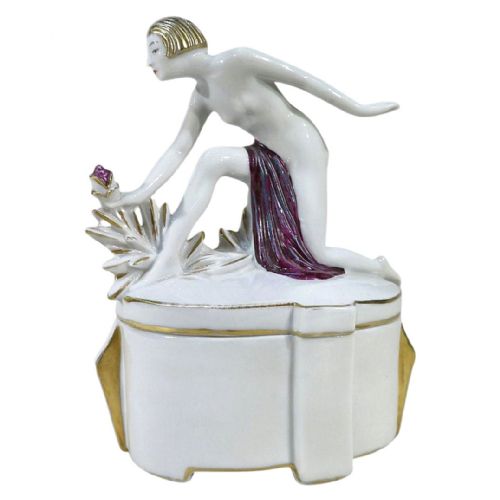
You will most frequently encounter compacts and powder boxes originating from the nineteen thirties, alongside earlier Edwardian pieces from the nineteen tens and twenties. Forms range from simple metal and celluloid compacts to elaborate figural powder jars featuring half doll flapper girls.
Pieces hail from diverse origins including Britain, France, Germany, and Austria, showing regional variations in design and manufacture. The selection spans straightforward metal cases to decorative glazed porcelain bowls and glass vessels.
How they were made
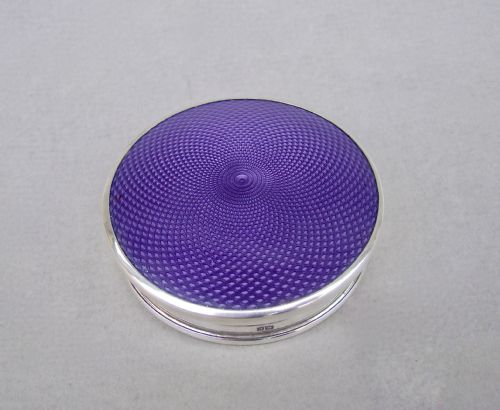
Maker construction relies heavily on metals like sterling silver combined with decorative elements such as guilloche enamel and hand painted details. Celluloid, tortoiseshell, and cut crystal also provide durable structures for storing cosmetics.
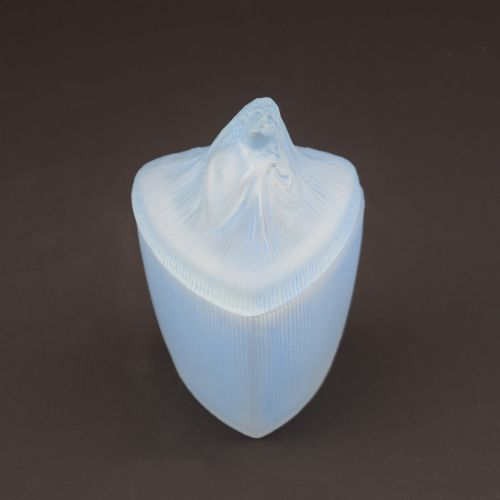
Glass techniques feature prominently in the evidence, with frosted and opalescent glass utilised for moulded vessels and jars. Ceramic and porcelain components form the bodies of powder boxes and half doll figural lids.
What varies in quality
The distinction between tiers rests upon the complexity of the materials and the intricacy of the decoration, such as hand painted scenes versus plain metal surfaces. Enamel work and fine metal smithing demonstrate higher levels of craftsmanship.
The presence of named makers or marked silver hallmarks elevates a piece above standard unmarked factory output. Intricate figural elements like half doll ceramics or moulded opalescent glass show superior artistic ambition.
Rene Lalique·The Daniel Manufacturing Co·Richard Hudnut
The Art Deco Cosmetic Box Glossary
- Guilloche enamel
- A decorative technique involving precise mechanical engraving beneath translucent enamel. It creates repetitive geometric patterns that catch the light.
- Celluloid
- An early thermoplastic material used as a substitute for ivory or tortoiseshell. It allowed manufacturers to produce affordable vanity items in varied colours.
- Opalescent glass
- Glass that displays a milky, milky-blue or fire-like shimmer across its surface. It was favoured for decorative vanity jars during the early twentieth century.
- Half doll
- A porcelain or ceramic upper torso figure without legs, often mounted to the lid of a powder box or brush. These figures represent stylish women and flappers of the period.
- Sterling silver
- A silver alloy containing a high proportion of pure silver by mass, typically stamped with hallmarks. It provides a durable, lustrous housing for compacts and jars.
Art Deco Cosmetic Box: Frequently Asked Questions
What is an art deco cosmetic box used for?
These boxes and compacts served as portable or dressing table containers for loose face powder, rouge, and beauty accessories. Women utilised them during daily routines and social outings.
Today they function primarily as decorative objects or small trinket containers for modern dressing tables.
How do I identify a nineteen thirties piece?
Nineteen thirties pieces often display characteristic geometric motifs, flapper girl figures, and streamlined forms associated with the height of the style. Materials like celluloid and specific ceramic half doll lids point directly to this decade.
Silver examples frequently carry date letters or Birmingham assay office hallmarks that confirm the exact year of manufacture.
What materials are common in these boxes?
The evidence shows a mix of sterling silver, enamel, porcelain, and metal forming the structural bodies of the compacts and jars. Glass, including frosted and opalescent varieties, appears alongside celluloid and tortoiseshell.
Ceramics and glazed finishes dominate the powder box bowls and figural vessels.
Are these items marked with makers' names?
Some pieces bear stamps or signatures corresponding to prominent manufacturers, silversmiths, or glass artists. Silver items often include hallmarks denoting the maker, town, and year.
Many other pieces remain unmarked, identified instead by their distinct regional style, period materials, and decorative form.