



Antique French Trinket Dish
An antique french trinket dish sits on a dressing table to hold small treasures, combining delicate materials with fine continental craftsmanship.
Antique French Trinket Dish
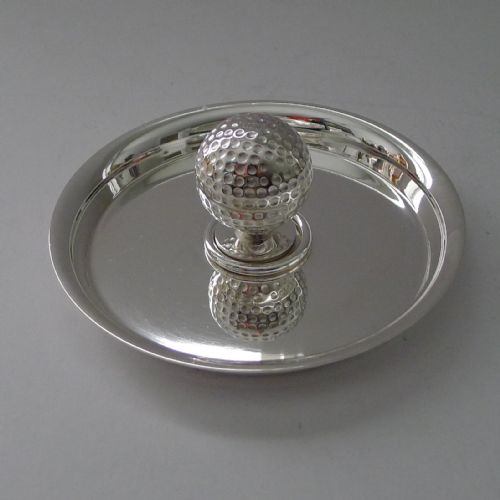
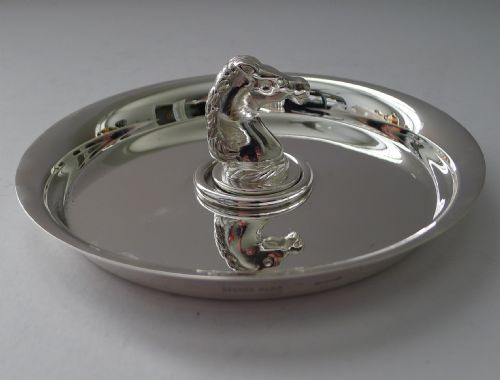
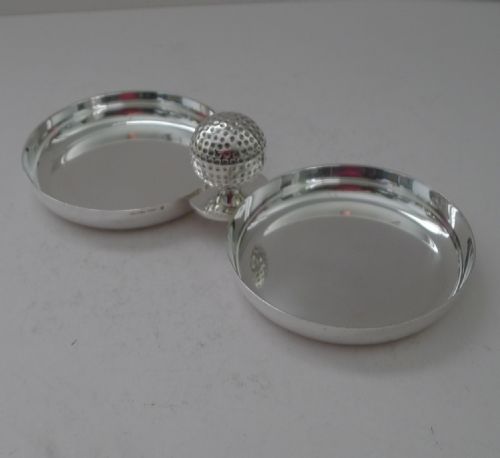
An antique french trinket dish appears in forms such as pin trays, powder boxes, and vide-poche dishes used to hold small personal items on dressing tables and desks. These pieces originate from periods spanning the nineteenth century through to the art deco era of the 1930s.
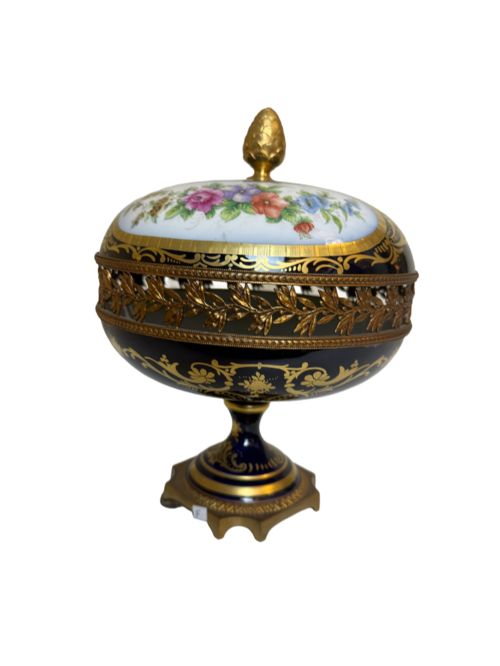
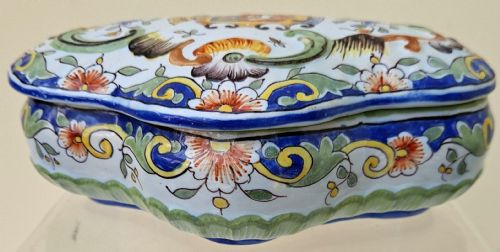
Buyers frequently encounter ceramic, porcelain, and earthenware pieces alongside glass vessels and lidded boxes mounted in ormolu or gilt bronze. The range encompasses provincial faience and elaborate gilt-trimmed receptacles from Parisian makers.
Materials and construction
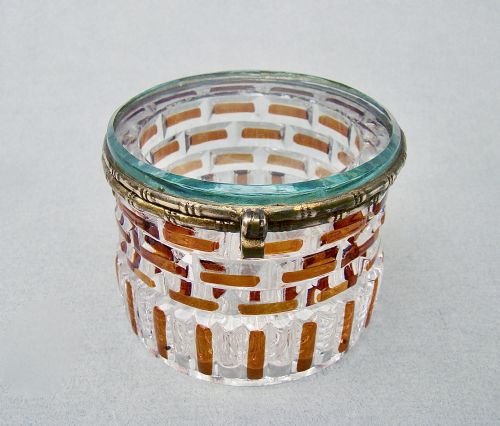
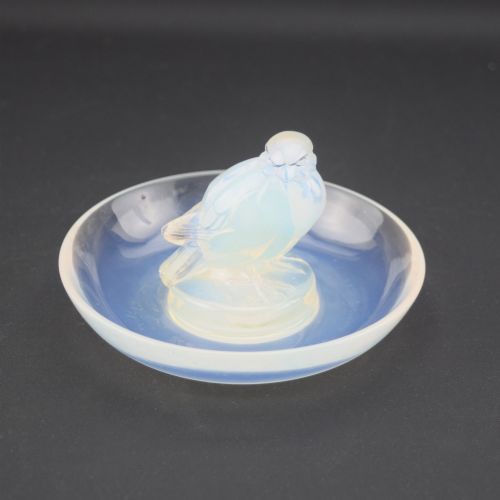
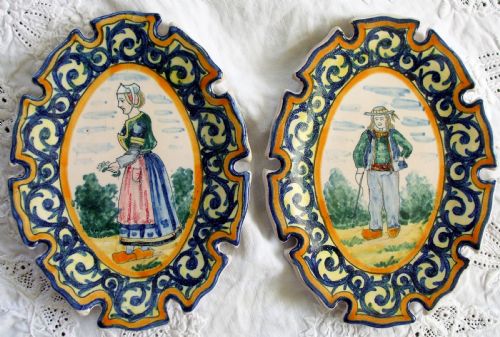
Maker's workshops shaped porcelain, ceramic, and faience, frequently applying hand-painted designs and blue and white glazes or gilt detailing. Glass versions utilise opal glass, amber glass, and clear crystal, sometimes paired with metal mounts.
Metalwork elements combine ormolu, gilt bronze, vermeil silver, and champlevé enamel to create frames, hinged lids, and decorative stands. Certain vessels incorporate inset coins or sculpted glass elements produced during the art deco period.
Art deco powder boxes appear alongside nineteenth-century vide-poches, demonstrating shifts from ornate revival styles to streamlined twentieth-century ceramics.
Distinctions in quality
The standard of execution in hand painting and the precision of the gilt detailing separate standard examples from superior pieces. Fine porcelain and moulded glass demonstrate crisper definition in relief ornament and greater refinement in form.
The integration of metal mounts, such as ormolu or champlevé enamel frames fitted to glass and porcelain bodies, indicates the level of labour involved in the piece's creation.
Baccarat·Limoges·René Lalique·HR Quimper·Desvres / Rouen·Hermes, Paris
The Antique French Trinket Dish Glossary
- Vide-poche
- A small tray or dish designed to empty pockets or hold loose items at the end of the day. This term translates directly from the French for empty pocket.
- Ormolu
- Gilt bronze mounts and decorative elements applied to furniture, glass, and porcelain. The technique involves coating base metal with a finely ground gold mercury amalgam.
- Faience
- Tinned-glazed earthenware produced across European centres. French examples often display traditional regional patterns in blue and white.
- Champlevé
- An enamelwork technique where troughs are carved into a metal surface and filled with vitreous enamel before firing. The resulting design sits flush with the surrounding metal.
Antique French Trinket Dish: Frequently Asked Questions
What was an antique french trinket dish used for?
These dishes held small daily accessories such as pins, rings, coins, and powder on dressing tables or entrance hall surfaces. They kept loose personal items contained and tidy.
Larger lidded versions served as powder boxes or bonbonnières for cosmetics and sweets. Their placement added decorative refinement to domestic interiors.
How do I date an antique french trinket dish?
Dating relies on stylistic indicators such as nineteenth-century revival motifs, art deco geometric forms, and specific maker signatures. Materials like opaline glass and champlevé enamel also point to distinct periods.
Examining the manufacturing marks on the base of porcelain and ceramic pieces provides further chronological guidance. Construction methods of metal mounts help confirm the era of production.
Are these dishes made of porcelain or glass?
The inventory includes both ceramic and glass options, alongside metal vessels and stone mounts like onyx. Porcelain and faience pieces feature hand-painted details or blue and white glazes.
Glass examples range from opaline scallop shells to heavy crystal boxes mounted in gilt bronze. Some incorporate pressed glass elements from twentieth-century makers.
How should I display a trinket dish at home?
These small pieces sit well on dressing tables, mantelpieces, or side cabinets where their colours and metallic details catch the light. Open pin trays can display small collections of jewellery.
Covered boxes and powder bowls look effective grouped together or used as standalone accent pieces. Their compact size allows placement on most small surfaces.