




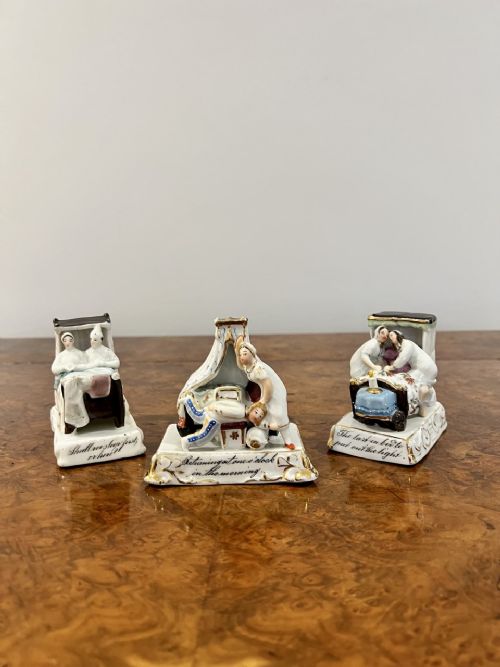


Gilt Ceramic Trinket Box
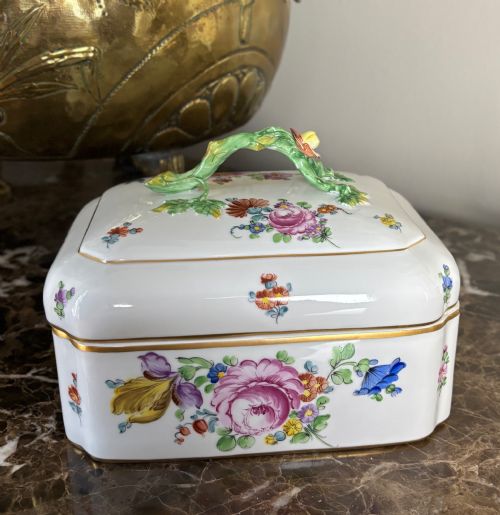
A gilt ceramic trinket box brings small-scale decorative artistry to a dressing table, combining painted porcelain with gilded mounts.
Gilt Ceramic Trinket Box
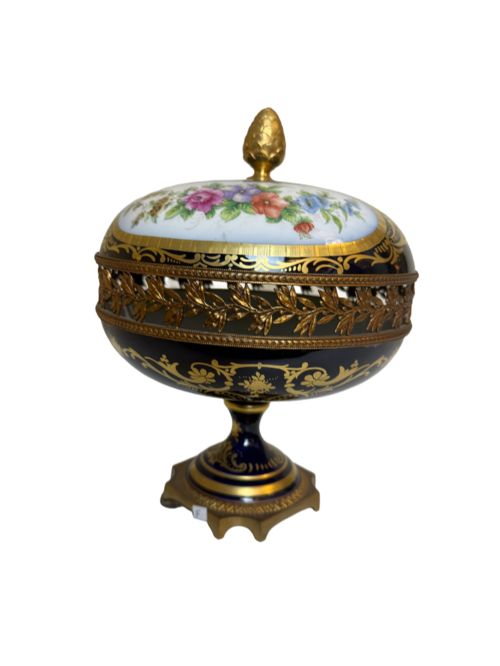
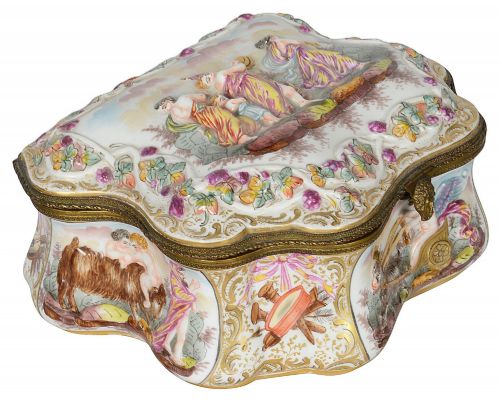
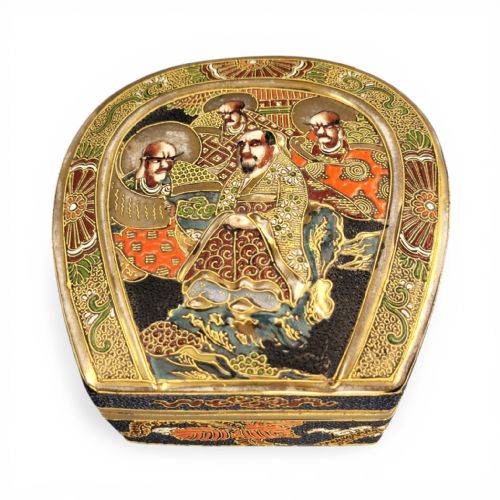
A gilt ceramic trinket box gathers together small lidded vessels created for dressing tables and cabinets across the nineteenth and early twentieth centuries. When searching for a gilt ceramic trinket box, buyers encounter forms ranging from French porcelain dishes on stands to German table caskets and Japanese earthenware boxes.
The selection here draws primarily upon nineteenth-century European porcelain works, alongside later Art Deco powder bowls and Meissen bonbonnieres. These containers served to hold small valuables, cosmetics, and patches, functioning as both practical storage and miniature display pieces.
Originating from French, German, Italian, and Japanese workshops, these items demonstrate diverse regional decorating traditions. Pieces span Rococo Revival, Neoclassical, and Chinoiserie styles, reflecting the shifting tastes of Victorian and Edwardian collectors.
How they were made
Makers shaped these containers from porcelain and earthenware bodies, applying hand-painted polychrome motifs, blue grounds, and black dragon designs directly to the ceramic surface. Artisans then integrated gilt metal, brass, and ormolu mounts to frame the lids and form secure closures.
Gilding techniques included the application of gold leaf and gilt detailing to accentuate the ceramic contours, often paired with enamel highlights. Firing processes required precise kiln control to bond the metallic elements and enamel pigments to the glazed ceramic bases.
Some Victorian porcelain fairings depict a gentleman losing his trousers while courting, offering a surprisingly cheeky touch to polite dressing tables.
What varies in quality
Quality rests in the crispness of the hand-painted details and the weight of the metal mounts fitted to the ceramic body. Superior examples display finely rendered figures, precise brushwork, and heavy ormolu or gilt brass framing that aligns snugly with the porcelain lid.
The distinction between standard production wares and exceptional pieces lies in the depth of the glaze and the integration of the metalwork. Stronger works feature well-preserved gilding with minimal rubbing, balanced proportions, and maker marks that confirm the origin of the porcelain.
Toshozan·Edme Samson Of Paris·Meissen·Limoges
The Gilt Ceramic Trinket Box Glossary
- Bonbonniere
- A small ornamental box originally designed to hold sweets or confectionery. These lidded vessels later served wider decorative and storage purposes on dressing tables.
- Ormolu
- Finely ground high-carat gold cast and chased onto a bronze or brass base. This technique adds rich metallic highlights to the edges and hinges of ceramic boxes.
- Patch box
- A diminutive container created to hold small fabric shapes used to conceal facial blemishes. They frequently feature enamelled lids and gilt metal mounts.
- Fairing
- A small porcelain ceramic figure or group produced primarily in Germany during the Victorian era. These humorous or narrative items often double as lidded boxes.
- Capodimonte
- A style of soft-paste porcelain originating from Naples, known for sculptural relief decoration. Pieces from this tradition often incorporate elaborate moulded figural scenes.
Gilt Ceramic Trinket Box: Frequently Asked Questions
What were gilt ceramic trinket boxes used for?
These vessels held small personal items such as rings, pins, cosmetics, and fabric patches on bedroom dressing tables. They provided secure storage while adding a decorative element to domestic interiors.
Over time, owners also displayed them openly within cabinets as miniature works of art. Their dual function combined practical utility with refined craftsmanship.
How do I care for a gilt ceramic box?
Clean the ceramic surfaces gently with a dry or barely damp cloth to protect the painted details and glaze. Avoid abrasive cleaners that can damage the delicate hand-painted motifs.
Keep the metal mounts dry and dust them softly to preserve the gold leaf and ormolu finish. Handle the lids with care to prevent chipping the porcelain edges.
How can I tell the period of a box?
Examine the style of the painted decoration, the type of ceramic body, and the construction of the metal mounts. Nineteenth-century pieces frequently display Rococo Revival curves or hand-painted pastoral scenes.
Look for maker marks or blue underglaze stamps on the base of the porcelain. These factory marks help narrow down the manufacturing date and regional origin.
Are these boxes fragile?
The ceramic bodies and protruding gilt mounts require careful handling during placement and cleaning. Porcelain can chip or crack if dropped or subjected to sudden temperature changes.
Metal hinges and latches should be operated gently without forcing the lid past its natural range. Proper placement on stable surfaces ensures safe daily enjoyment.