


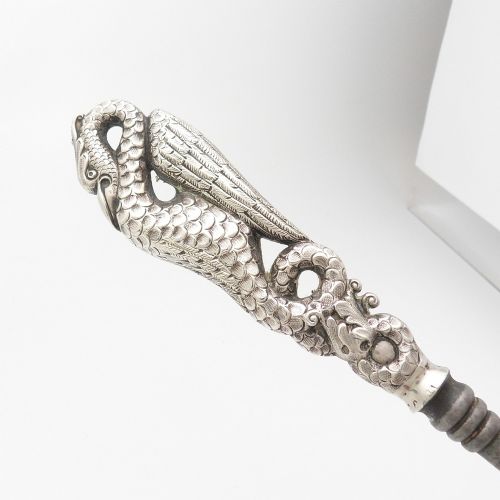


Vintage Vanity Table Accessory
These vintage vanity table accessories bring functional elegance to a dressing room through silver, glass, and enamel objects crafted across the decades.
Vintage Vanity Table Accessory
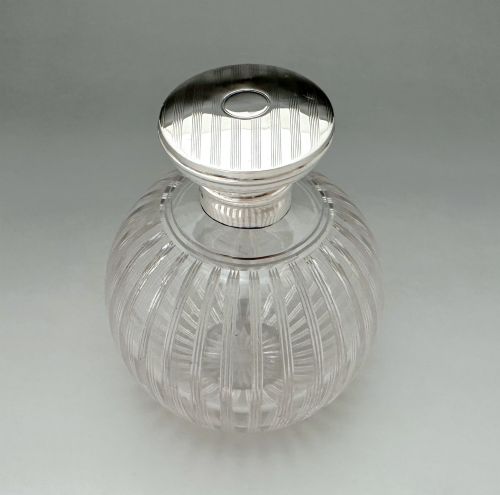
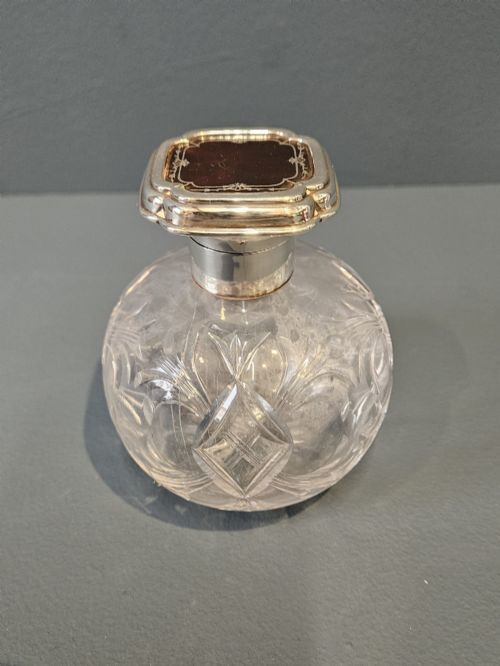
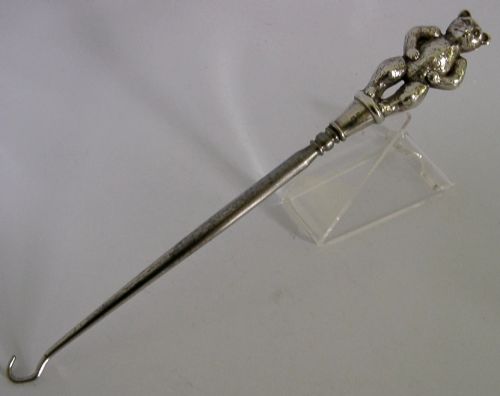
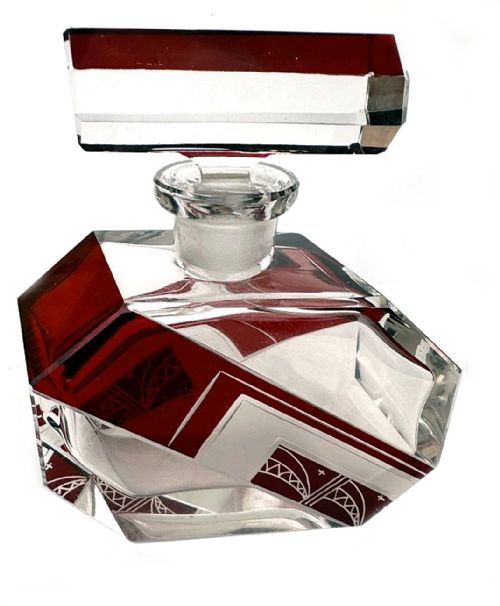
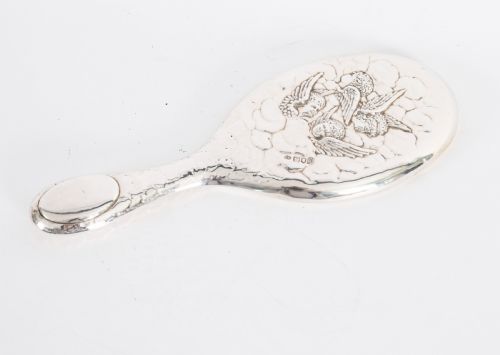
A vintage vanity table accessory spans functional objects designed for grooming, dressing, and personal display on a bedroom surface. The selections here include perfume bottles, scent bottles, hand mirrors, button hooks, hat pin holders, and complete dressing table sets.
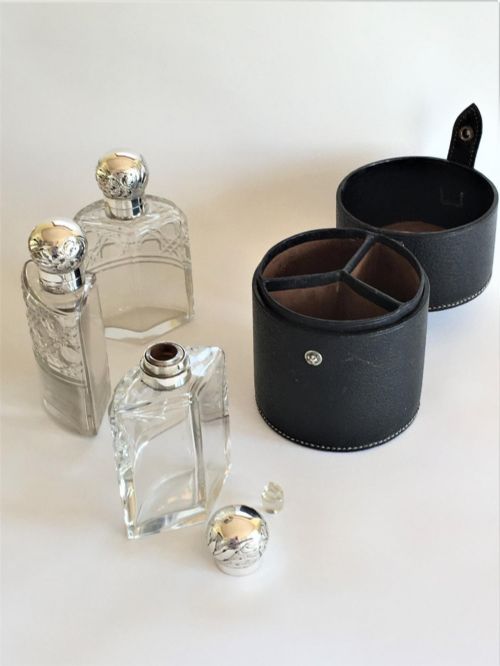
Many examples emerge from the Art Deco period alongside Edwardian, Victorian, and mid-century eras, reflecting changing domestic habits. Buyers encounter everything from travelling cologne bottle trios and ring trees to powder bowls and atomizers.
Materials range from sterling silver and cut glass to enamel, porcelain, tortoise shell, and velvet. These items served a daily ritual of personal presentation before the era of modern packaging.
Materials and Techniques
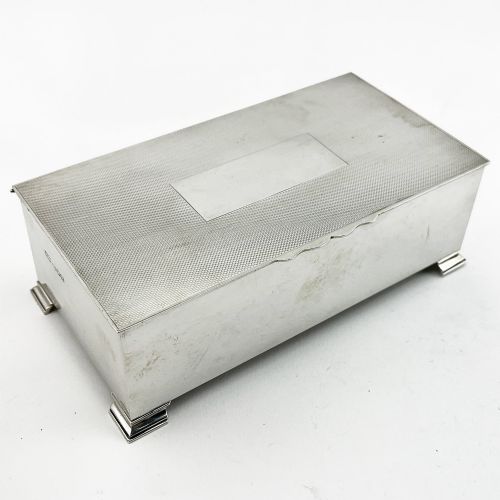
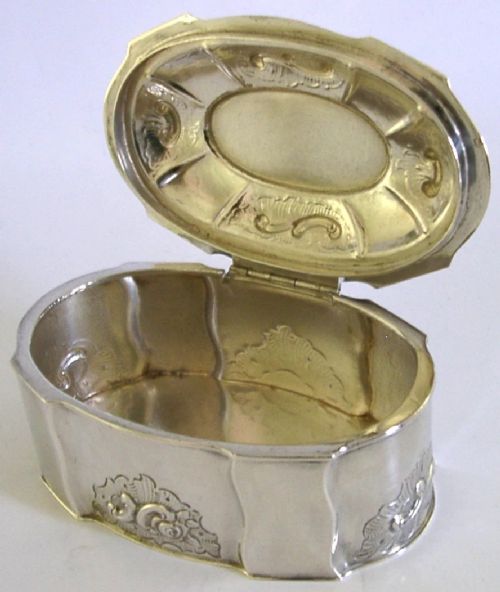
Makers utilised sterling silver for mounts, lids, brushes, and decorative frames, often employing embossing, chasing, or hallmarks to denote origin and metal purity. Glasswork involves cut crystal and coloured glass, frequently paired with applied enamel or geometric overlay.
Enamelling techniques such as guilloche created patterned metallic surfaces beneath translucent coloured coatings. Organic elements like tortoise shell and ebony provided contrasting textures for boxes and brush backs.
Ceramic pieces utilise moulded porcelain and earthenware, sometimes decorated with hand-painted motifs or glaze finishes suited to powder bowls and vanity sets.
Listings feature items spanning the Victorian, Edwardian, Art Deco, and mid-century periods, constructed from sterling silver, cut glass, enamel, and porcelain.
Markers of Quality
The standard of a vintage vanity table accessory rests on the crispness of metal chasing, the depth of cut glass facets, and the intact condition of delicate enamel work. Maker attribution to known workshops or silversmiths elevates the standing of an individual piece.
Completeness defines multi-piece sets, travelling trios, and cased items, where matching components and original presentation boxes remain intact. The weight of solid silver mounts and the clarity of glass bodies distinguish finer production standards from simpler utility ware.
Mappin & Webb·Karl Palda·Charles Boyton·Crisford & Norris·Henry Perkins·Asprey & Co·René Lalique·Fasold & Stuach·Limoges
The Vintage Vanity Table Accessory Glossary
- Guilloche
- An ornamental engraving technique where a precise repeating pattern is mechanically etched into a metal substrate. This surface is frequently covered with translucent enamel to allow the pattern to show through.
- Hallmark
- An official stamp applied by an assay office indicating the purity of precious metals, the maker, and the year of manufacture. British silver examples commonly display standard marks such as the lion passant.
- Atomizer
- A mechanical spray bottle designed to distribute liquid perfume in a fine mist using a bulb pump or squeeze mechanism. Art Deco versions often paired coloured glass bodies with metal hardware.
- Ring tree
- A small upright stand featuring vertical branches designed to hold and organise finger rings on a dressing table. They are frequently cast in sterling silver during the Edwardian era.
- Hat pin holder
- A weighted ceramic or metal vessel created to store long decorative hat pins upright on a dressing table surface. These receptacles often featured specialised pierced or cushioned tops.
Vintage Vanity Table Accessory: Frequently Asked Questions
What is a vintage vanity table accessory?
A vintage vanity table accessory is a functional or decorative object used for personal grooming and dressing table display. These items include scent bottles, mirrors, brushes, and powder containers.
They date from Victorian, Edwardian, Art Deco, and mid-century periods, showcasing materials like sterling silver, cut glass, and enamel.
How do I date a silver vanity piece?
Dating silver vanity items relies primarily on reading the hallmarks stamped into the metal mounts or lids. These assay marks reveal the exact year of manufacture, the maker's mark, and the town of testing.
Stylistic cues such as Edwardian floral embossing or Art Deco geometric enamel also help place an object in its correct era.
How were perfume atomizers used?
Perfume atomizers were utilised on dressing tables to dispense liquid fragrance through a fine spray rather than a stopper dabber. A squeeze bulb attached to a metal tube forced air across a siphon.
Many surviving examples feature coloured glass bodies paired with chrome or silver hardware.
How do I care for antique glass and silver?
Caring for these items requires gentle cleaning appropriate to each individual material without harsh abrasive chemicals. Silver mounts benefit from targeted polishing away from delicate glass or enamel surfaces.
Glass and porcelain components should be washed by hand in lukewarm water and dried thoroughly to preserve internal finishes.