

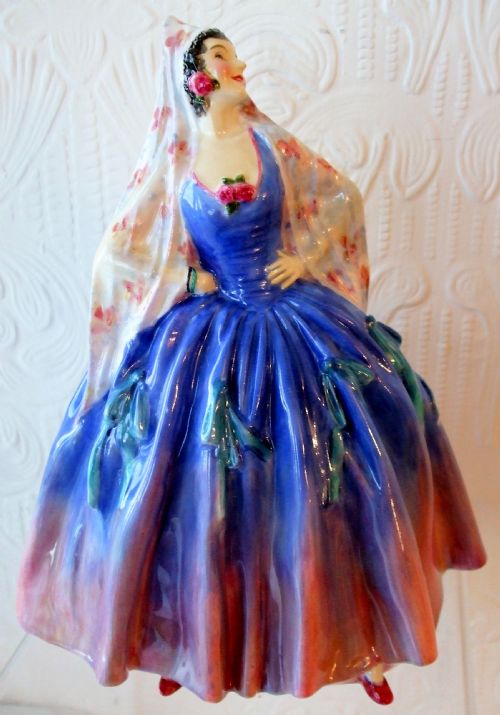


Blue Glazed Ceramic Figurine
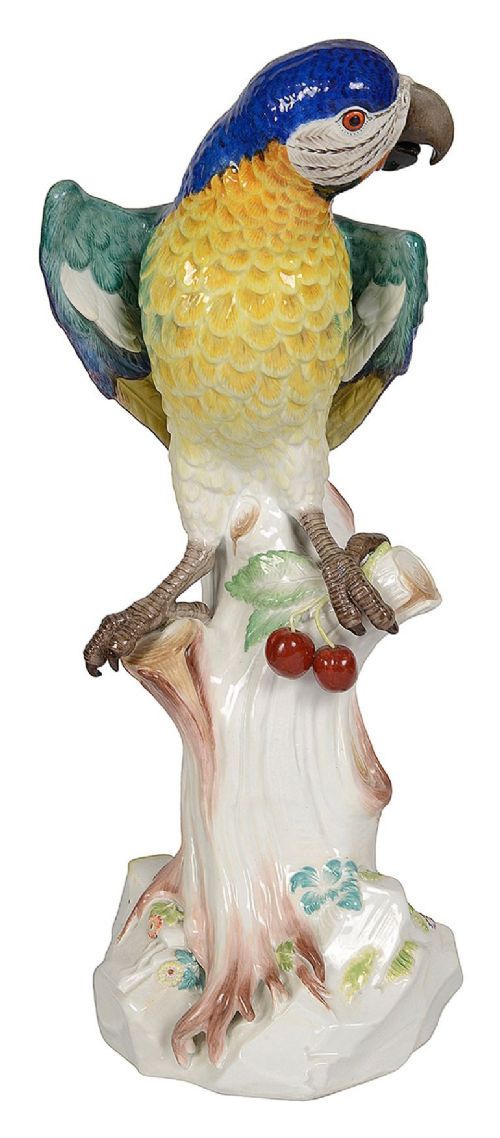
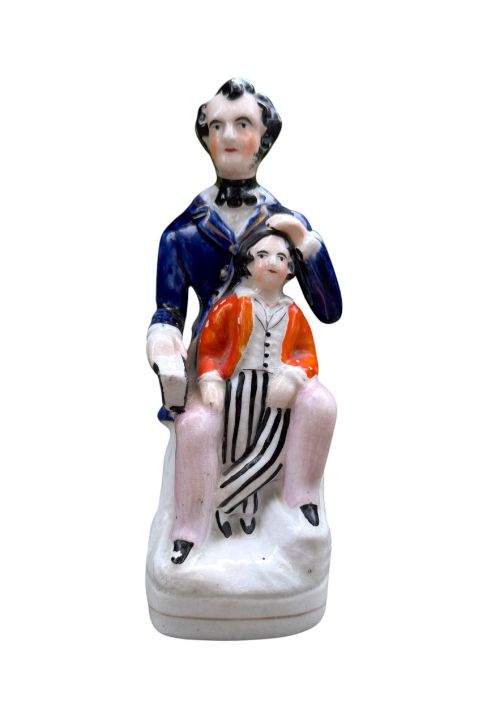
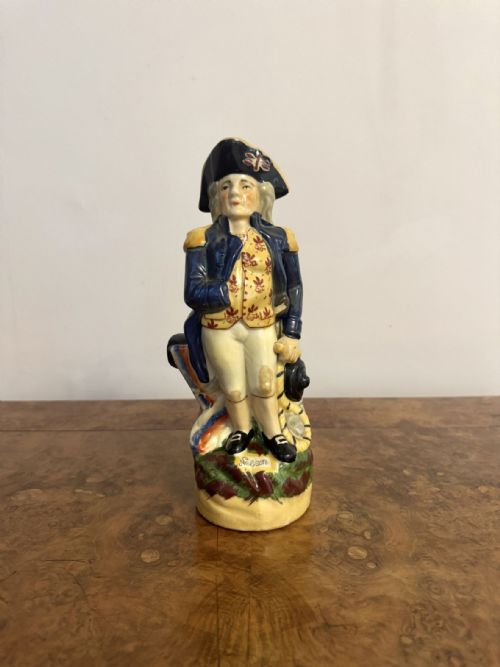
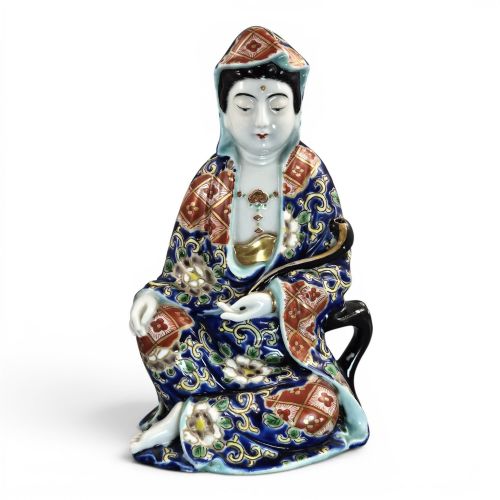
A blue glazed ceramic figurine brings rich cobalt tones and character to a shelf, spanning nineteenth-century Staffordshire to Art Deco pieces.
Blue Glazed Ceramic Figurine
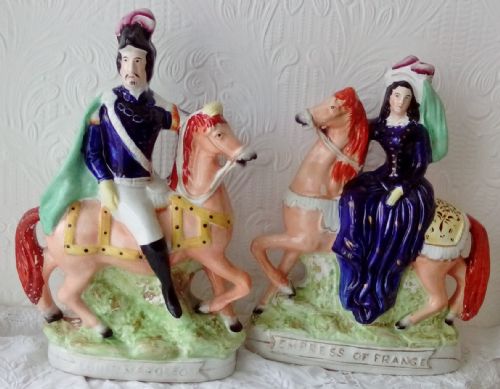
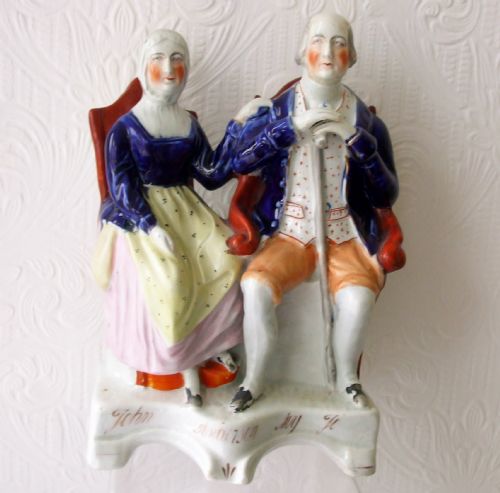
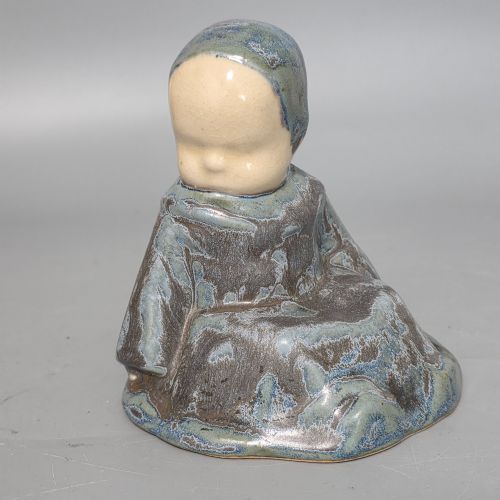
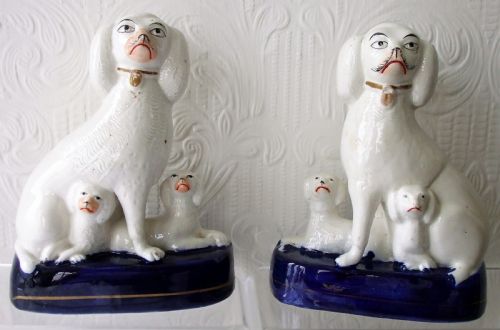
A blue glazed ceramic figurine spans functional objects and decorative sculptures, appearing frequently in nineteenth-century Staffordshire pottery and Art Deco powder boxes.
Collectors encounter figures ranging from portrait groups and animals to mythological subjects and utility vessels like inkwells.
These works draw on diverse traditions, including Dutch Delftware, Japanese Satsuma and Qing Dynasty ceramics.
Materials and technique
Potters shaped earthenware, stoneware and porcelain before applying lead glaze, enamel paint or gold leaf accents.
Firing techniques varied from traditional Delft faience to mass-produced Staffordshire figures finished in rich cobalt hues.
Ceramic monkeys, poodles with pups and seated apes populate the cobalt menagerie alongside noble historical figures.
Evaluating standard
Quality rests in the precision of the modelling and the depth of the glaze, distinguishing spirited hand-painted examples from simpler commercial outputs.
Finer pieces retain crisp facial expressions and sharp decorative details through careful firing.
Berthe Savigny·Royal Doulton·Royal Worcester·Pieter Verburg·Vion and Baury
The Blue Glazed Ceramic Figurine Glossary
- Flatback
- A Staffordshire pottery figure designed to be viewed from the front only, with an unglazed or smoothed rear side meant for placement against a wall.
- Lead glaze
- A glossy coating containing lead oxide applied to ceramics before firing, producing a smooth and vitreous finish.
- Prattware
- An early type of English earthenware decorated with limited metallic oxides under a clear lead glaze.
- Majolica
- A colourful lead-glazed earthenware popular during the Victorian era, known for vibrant tones.
Blue Glazed Ceramic Figurine: Frequently Asked Questions
How do I display a ceramic figure?
Place figures on stable shelves away from direct sunlight to protect the glaze and painted enamel details.
Ensure they sit securely on level surfaces, particularly taller pieces or spill vases.
What periods do these figures cover?
The selections span the eighteenth, nineteenth and early twentieth centuries, encompassing Victorian and Art Deco eras.
Each period utilises distinct ceramic bodies and glazing methods unique to its workshop origins.
Are these pieces fragile?
Ceramic and porcelain structures require careful handling during relocation or dusting to prevent chipping.
Support heavier items from the base rather than delicate projections or limbs.
How do I clean glazed pottery?
Dust gently with a soft dry brush to remove surface particles without disturbing the glaze.
Avoid harsh chemical cleaners or soaking pieces in water, particularly older earthenware.