




Art Deco Centerpiece
An art deco centerpiece anchors a room with moulded glass, silver and ceramic forms spanning the 1920s and 1930s.
Art Deco Centerpiece
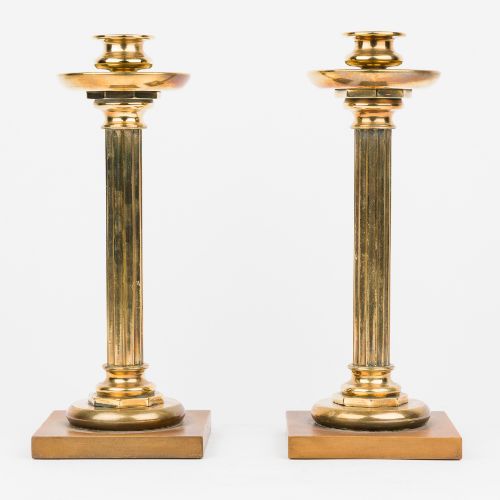
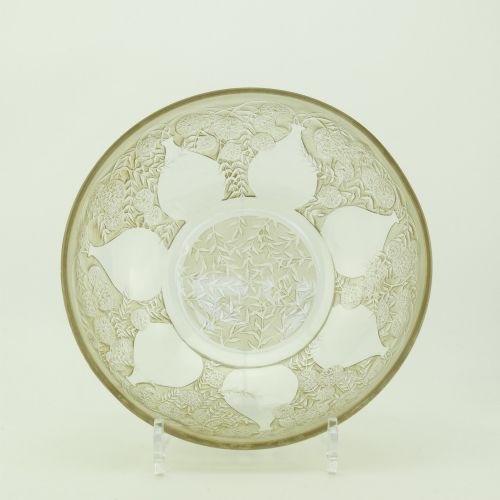
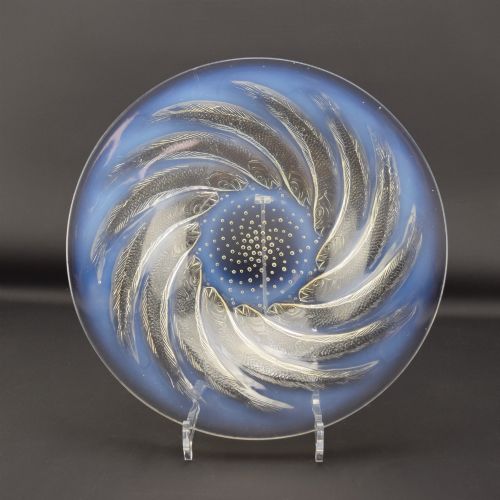
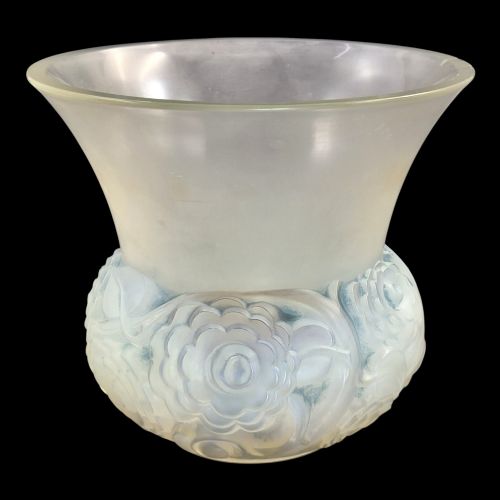
An art deco centerpiece takes the form of large bowls, shallow coupes, vases, candlesticks, and tazzas designed to dominate a dining table or sideboard. These items emerge predominantly from the 1920s and 1930s, capturing the geometric and stylised organic motifs of the period.
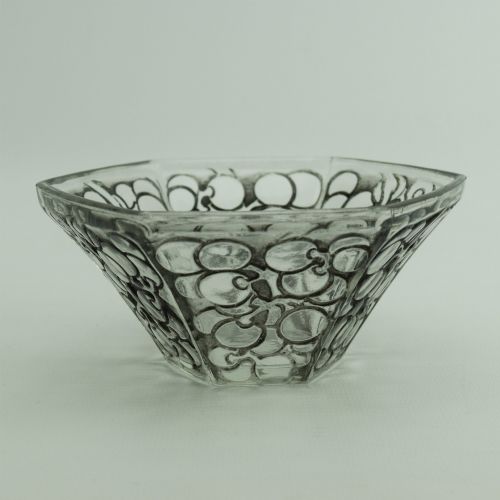
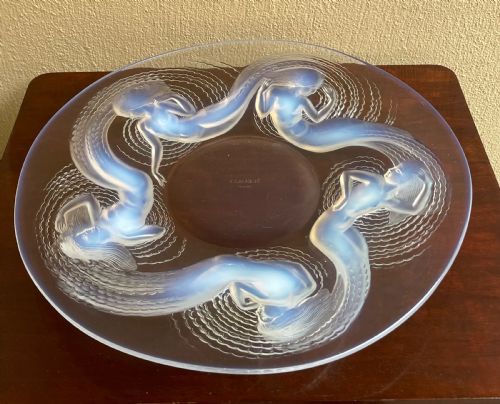
Moulded and opalescent glass pieces dominate the selection, often produced by major makers using thick, heavy blanks. Alongside glass, buyers find sterling silver, silver plate, and porcelain vessels created for decorative display.
Originating largely from French, Belgian, and British workshops, these objects range from stark geometric silver to elaborate pressed glass chargers filled with relief figures. They function as focal points that embody the applied arts of the interwar decades.
How they were made
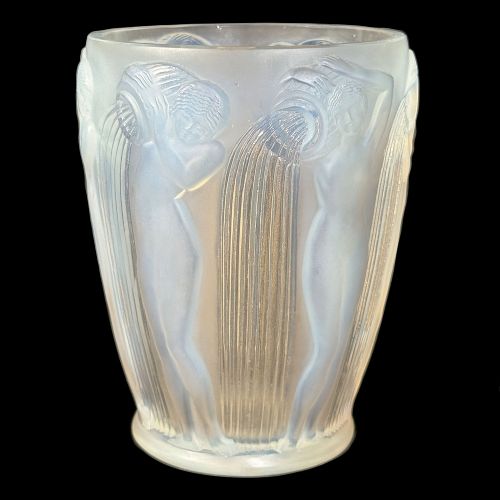
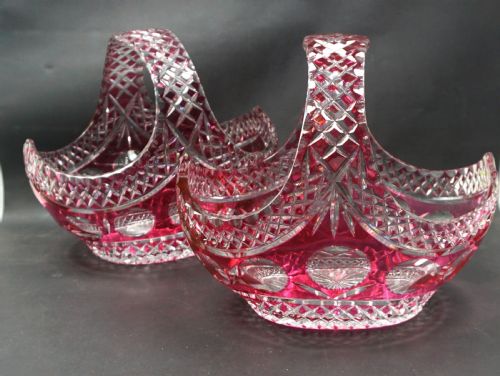
Makers utilised heavy press-moulding and blow-moulding techniques to shape thick glass, frequently adding opalescent finishes or coloured glass layers over crystal to catch the light. Acid etching and enamelling accentuated the surface relief on bowls and vases.
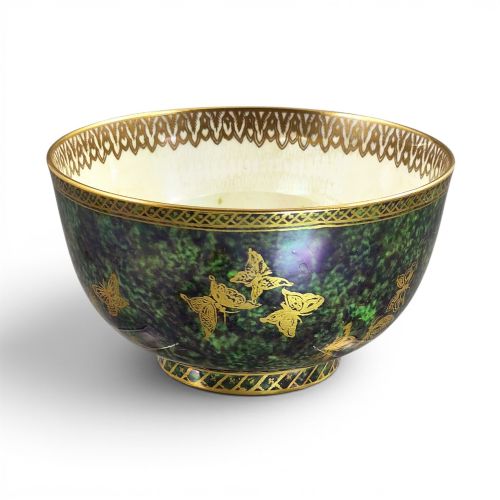
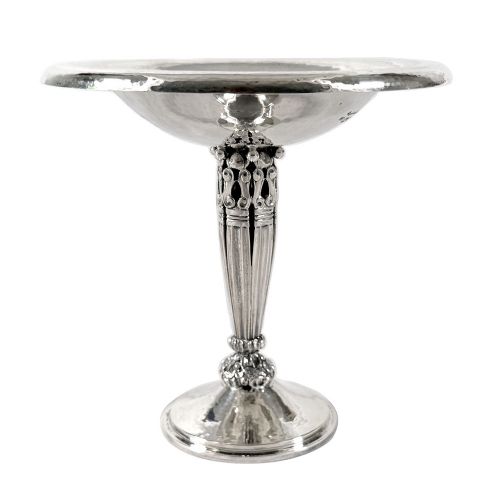
Metalworkers employed sterling silver and silver plate through casting, hammering, and silversmithing to construct candlesticks, tazzas, and pedestal bowls with clean architectural lines. Ceramic pieces relied on lustrous glazes, transfers, and hand-painted motifs on earthenware bodies.
The selection includes pedestal bowls, candlesticks, and epergnes originating from France, Belgium, and Britain.
What varies in quality
The depth and clarity of the relief moulding dictate the definition of the design across glass surfaces, where sharper details separate finer works from softer commercial production. The weight of the metal and the precision of the hallmark engraving distinguish superior silver pieces.
Artistic collaboration defines the upper tier, where named designers conceived distinct motifs rather than relying on generic factory patterns. The complexity of layered glass colours and the richness of specific enamel or lustre glazes elevate individual examples.
Rene Lalique·Charles Boyton·Val St Lambert·Elizabeth Graydon Stannus·Joseph Simon·Maling·Viners·W M F·Ferdinand Preiss·Etling·Le Manceau
The Art Deco Centerpiece Glossary
- Opalescent glass
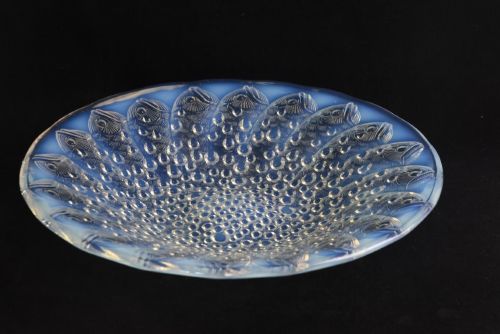
- Glass that displays a milky, translucent quality with shifting blue or orange tones when lit from certain angles. This effect was heavily utilised by interwar glassmakers to highlight moulded relief patterns.
- Tazza
- A shallow ornamental bowl raised on a high foot or pedestal. These pieces were historically used for serving fruit or sweets but served primarily as decorative centerpieces during the twentieth century.
- Coupe ouverte
- An open bowl shape with flared sides, frequently utilised in French glass production. The wide rim provided a large canvas for continuous moulded friezes of flowers, animals, or abstract geometry.
- Chryselephantine
- A sculpture combining carved ivory and bronze elements. This technique appeared on decorative figures and centrepieces during the 1920s, blending metallic structures with organic flesh tones.
- Lustre
- A metallic or iridescent glaze applied to ceramics that produces a shimmering, rainbow-like surface finish. Wedgwood utilised this technique on bowls to create rich, light-catching colour gradients.
Art Deco Centerpiece: Frequently Asked Questions
How do I identify an authentic piece?
Authentic pieces rely on factory marks, acid stamps, or signatures etched directly into the glass or metal base. Examining the weight, the crispness of the moulding, and the specific period characteristics helps confirm the origin.
Matching the object type and material to known production records from the 1920s and 1930s provides further certainty. Reference books cataloguing specific designers clarify the standard signatures and registration numbers to expect.
Were these used for dining?
Many large bowls and tazzas served a practical purpose on formal dining tables for holding fruit, flowers, or sweetmeats. Silver dishes often included fitted glass liners to protect the metal from moisture and food acids.
Candlesticks provided illumination during evening meals, while larger decorative chargers remained on sideboards as purely ornamental displays. Over time, the decorative function largely overtook the utilitarian use.
What defines the style?
The style draws on symmetrical geometry, stylised floral motifs, and clean architectural lines that reject Victorian clutter. Streamlined curves and simplified human or animal forms reflect the modern industrial influences of the interwar period.
Bold colour contrasts, metallic sheens, and textured glass surfaces work together to create a strong visual impact. This aesthetic prioritises balanced ornamentation and structural clarity across every material.