




Molded Glass Vase
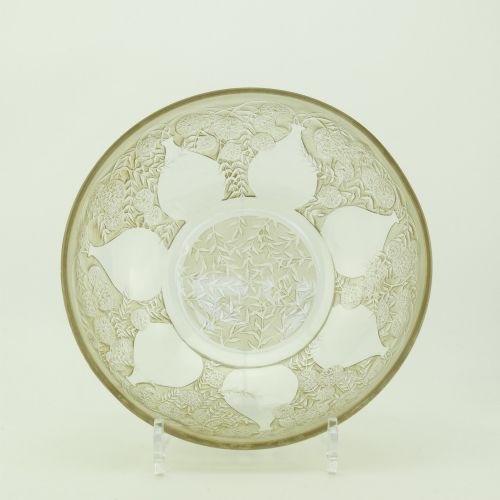
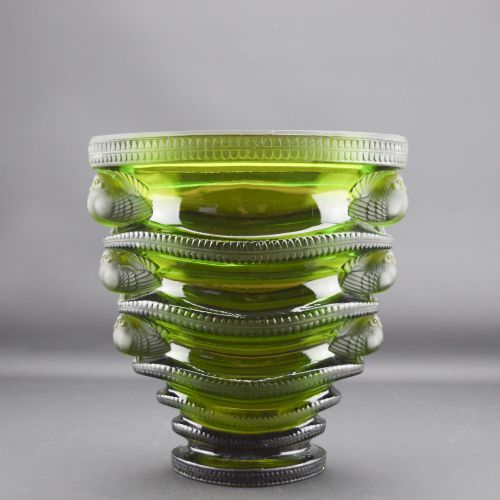
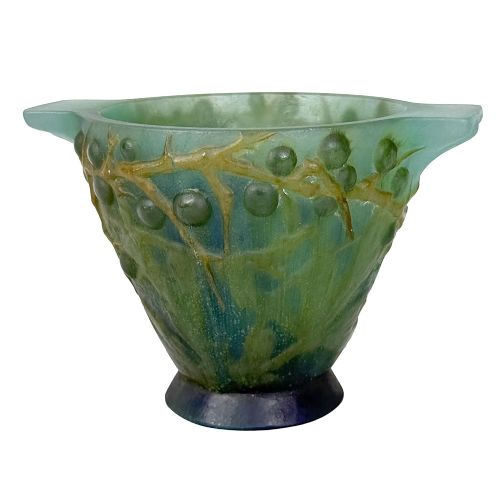
When you handle a moulded glass vase, you hold heavy pressed or opalescent French work that captures light with distinct depth.
Molded Glass Vase
A moulded glass vase combines heavy relief work with distinctive twentieth century design, drawing collectors who appreciate substantial decorative objects. You will frequently encounter nineteenth century French opaline and twentieth century Art Deco pieces on this page.
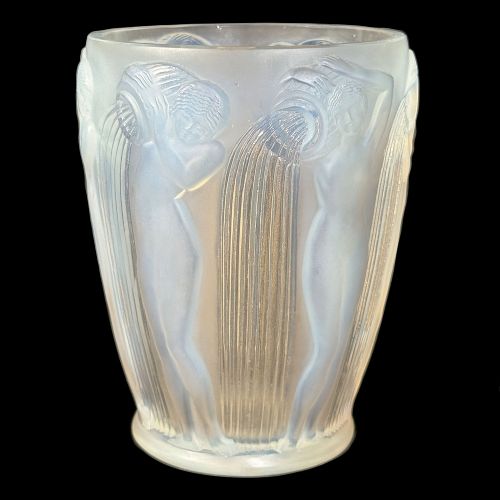
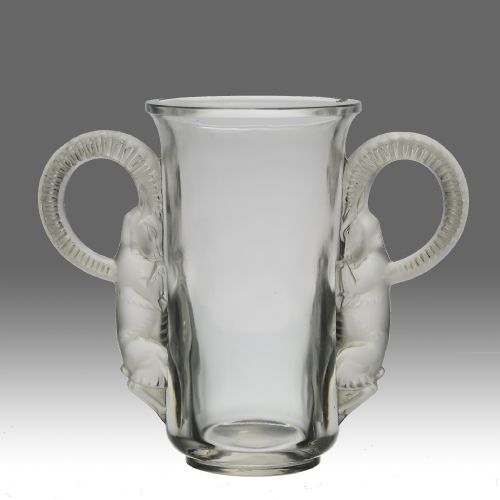
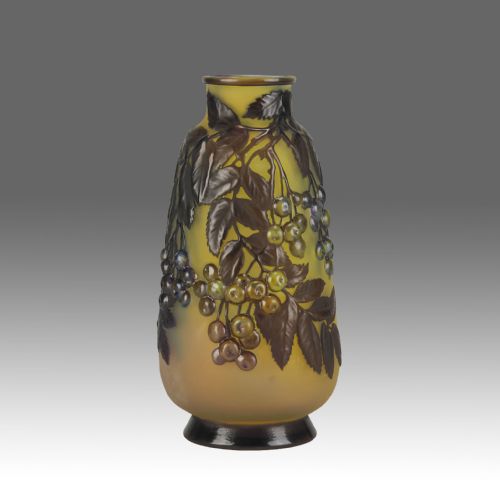
Makers utilised specific moulding techniques to achieve deep relief designs such as water carriers, rams, and botanical motifs. These pieces reflect distinct periods including Art Nouveau, French Empire, and Art Deco styles.
Materials and Technique
Makers produced these pieces using pressed and moulded glass, alongside specialised paté de verre and cameo techniques. Molten material was pressed into metal moulds or gathered in layers to build up complex surface decoration.
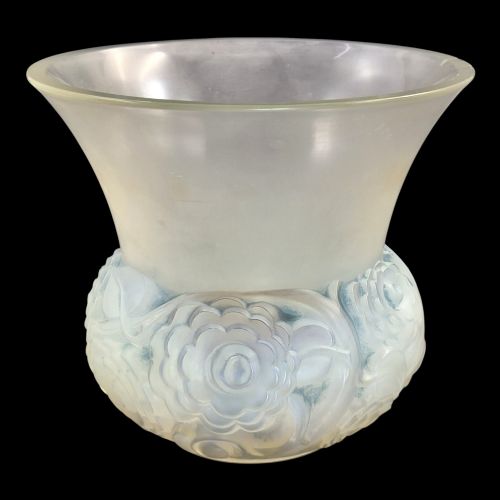
Frosted, opalescent, and clear glass varieties dominate the selection, creating shifting colour effects when light strikes the raised surfaces. Master workshops combined these glass types with precise acid-etching or fire-polishing to finish the relief details.
Listings span four distinct periods, beginning with the nineteenth century and extending through Art Nouveau and Art Deco into the mid-twentieth century.
The Measure of Quality
Quality rests in the crispness of the moulded relief and the subtle play of opalescence across the glass. Finer examples display sharp detailing in botanical or figural motifs without blurring in the recesses.
The weight of the material and the sophistication of the colour distribution separate standard productions from masterworks. Successful execution requires careful thermal control during the moulding process to achieve the characteristic milky blue or amber glow.
René Lalique·Gallé·Henry Bergé·Amalric Walter·Baccarat
The Molded Glass Vase Glossary
- Opalescent Glass
- Glass that diffuses light to display a milky blue or amber appearance. This effect changes depending on the angle of illumination.
- Paté de verre
- A glass-casting method where crushed glass is packed into a mould and fused in a kiln. It produces a dense, granular texture with rich colour saturation.
- Moulded Glass
- Glass formed by pressing molten metal into a prepared matrix to impart a raised pattern. This technique allows for repeatable sculptural decoration.
- Cameo Glass
- glassware formed with multiple layers of different coloured glass carved away to reveal a design. The technique demands precise skill from the artisan.
- Frosted Glass
- Glass treated to achieve a textured, translucent surface that diffuses light. It is frequently used to accentuate sculptural relief details.
Molded Glass Vase: Frequently Asked Questions
How do I identify opalescent glass?
Opalescent glass shows a milky or bluish shimmer when viewed by reflected light, yet turns warm amber when held against a direct light source. This dual optical quality stems from specific chemical agents added during the melting process.
Makers utilised this property to accentuate the raised portions of a moulded glass vase, giving depth to floral and animal motifs.
What periods do these pieces span?
The selection covers work from the nineteenth century up through the mid-twentieth century, with a strong concentration in the decades around nineteen twenty and nineteen thirty. These dates align with the height of Art Nouveau and Art Deco manufacturing.
Earlier examples from the nineteenth century tend toward French opaline styles, while later decades focus on heavy opalescent and clear moulded glass.
How were these decorative vases used?
These vessels served primarily as decorative interior objects for wealthy households, often displayed on mantelpieces or cabinets. Their heavy construction and sculptural forms made them statement pieces rather than casual flower holders.
Many designs incorporate botanical or figural themes that reflect the artistic movements of their respective decades.
How should I display moulded glass?
Place your vase where natural light can strike the surface from the side or behind, which activates the opalescence and frosted details. Avoid cramped shelves so the sculptural relief remains fully visible from multiple angles.
Keep the pieces away from direct heat sources and clean them gently with lukewarm water and a soft cloth.