

Art Deco Brass Lighting
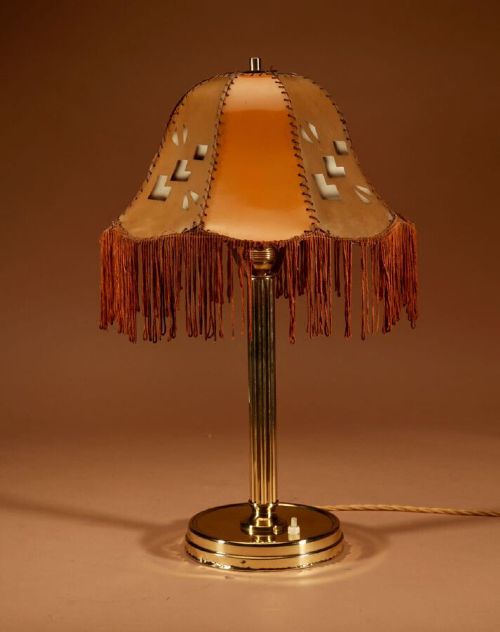
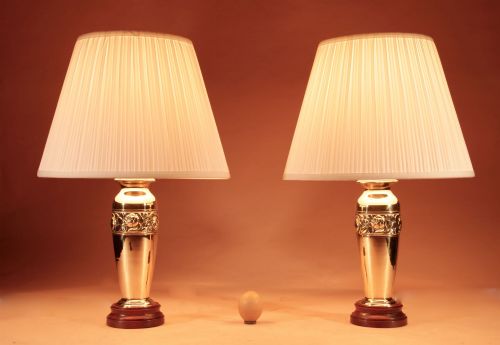
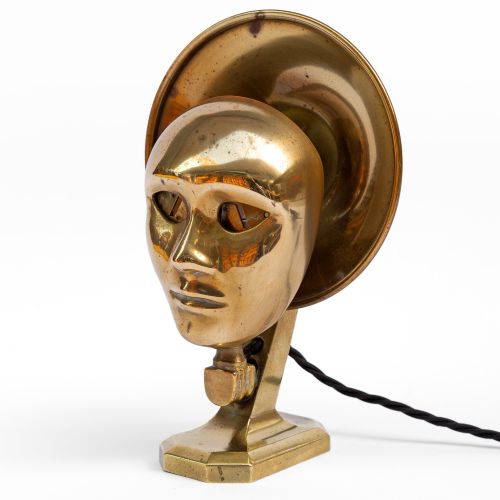
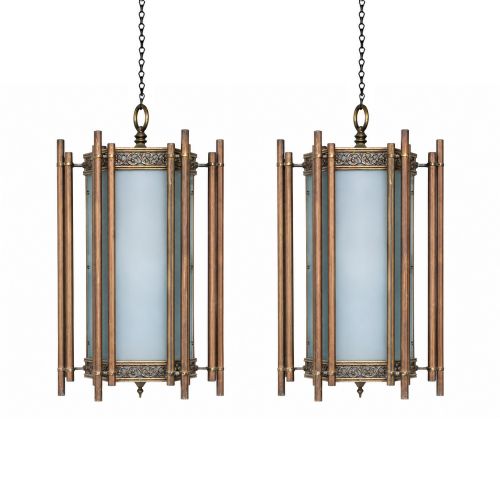
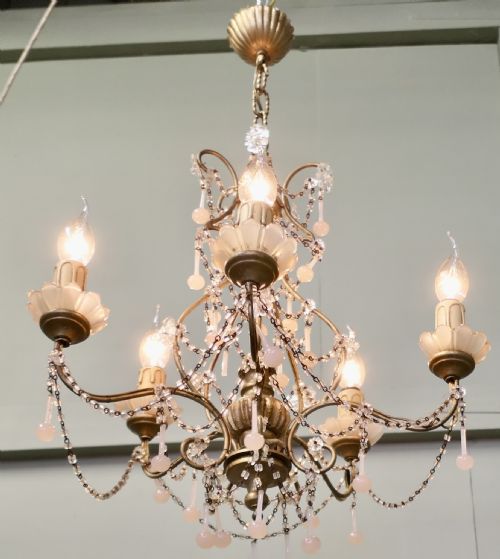
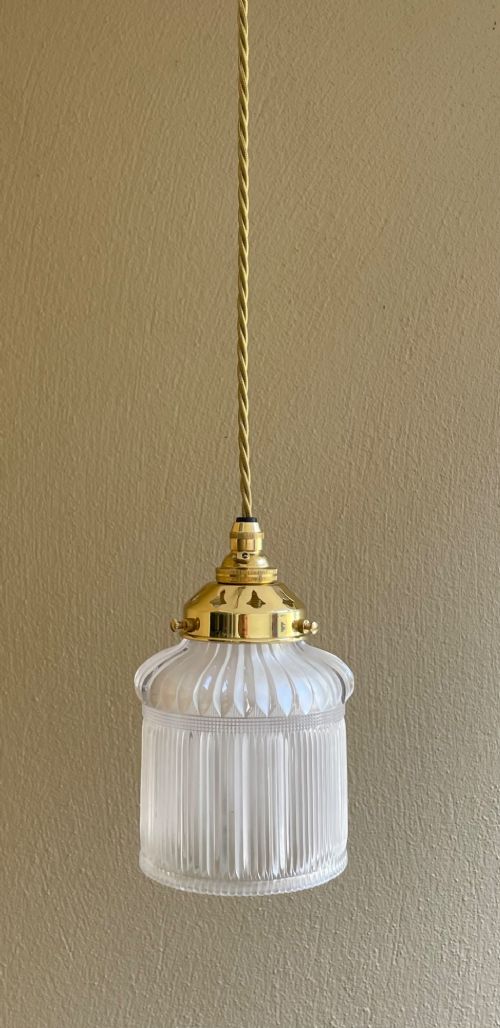
Art deco brass lighting brings distinct geometric lines and rich metallic warmth into a room, making it a favourite for period interiors.
Art Deco Brass Lighting
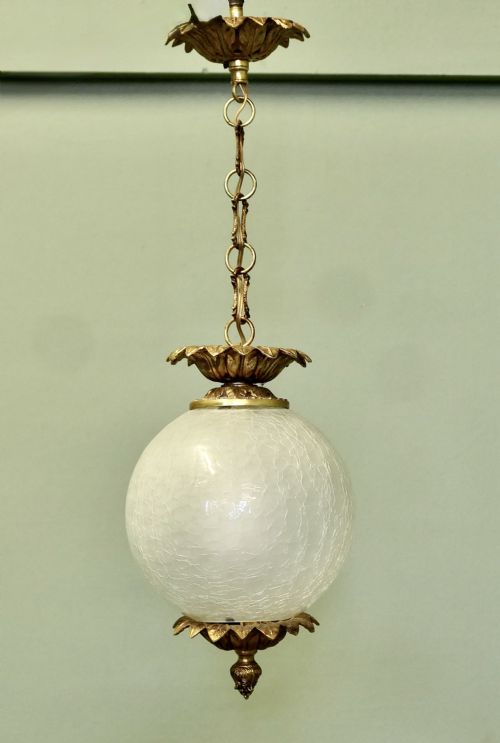
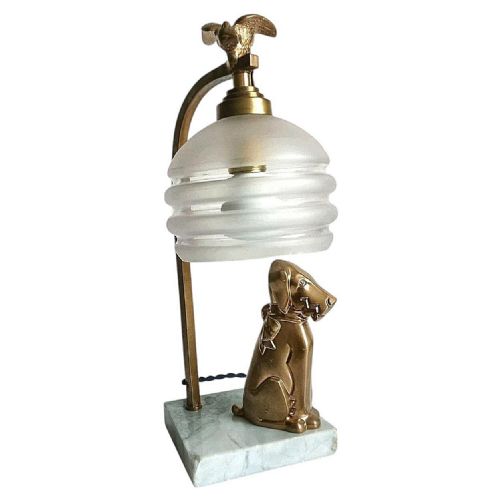
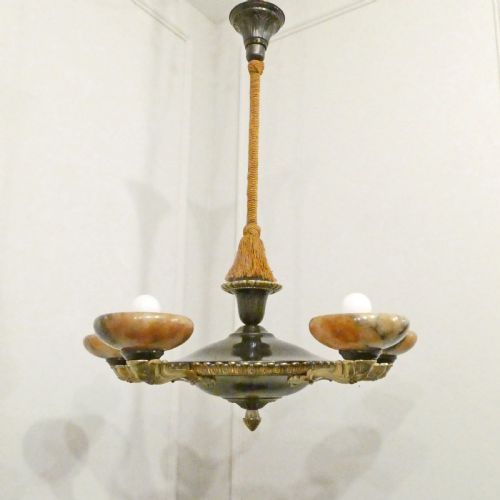
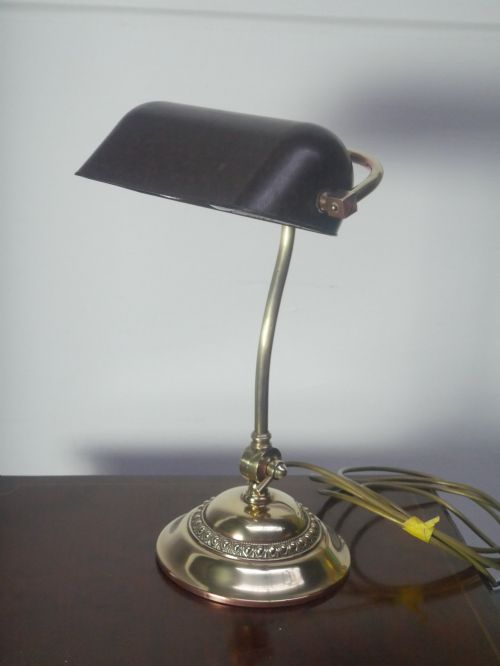
Art deco brass lighting encompasses a wide array of functional objects designed to illuminate spaces with geometric flair and metallic warmth. When exploring art deco brass lighting, buyers encounter diverse forms ranging from ceiling pendants and grand chandeliers to adjustable desk lamps and floor standard lamps.
The selections span multiple decades, drawing heavily from the 1920s and 1930s while incorporating influences from the turn of the twentieth century. Table lamps and wall lights frequently appear, often paired with contrasting elements such as marble bases or coloured glass shades.
Origin variations enrich the selection, with French, American, and Dutch pieces sitting alongside Venetian and Amsterdam School designs. These international variations introduce stylistic crossover, blending strict industrial utility with decorative artistry.
How they were made
Makers utilised solid brass alongside patinated copper and bronze, shaping heavy metal frameworks to support delicate glass components. Metalwork techniques involved casting, forging, and turning, resulting in articulated joints and rigid geometric structures alike.
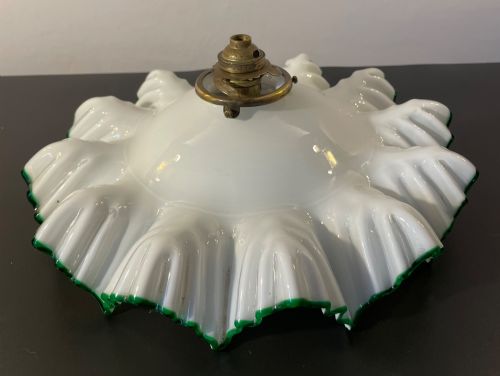
Glass elements were cast, blown, or moulded into opaline, crackle, cut, and slip-shade configurations to diffuse light softly. Artisans combined these materials with marble bases and fabric or painted glass shades to achieve varied textural contrasts.
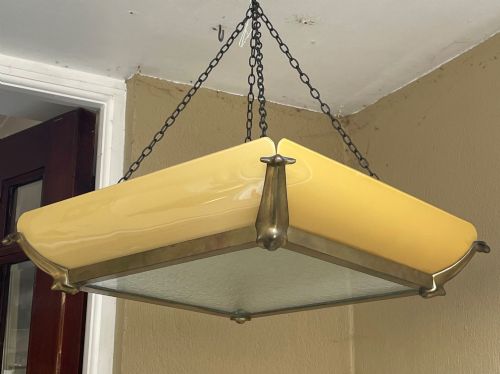
Listings feature brass combined with frosted, opaline, crackle, and cut glass across multiple European and American origins.
What varies in quality
The standard of manufacture is determined by the weight of the brass and the precision of the casting. Heavier gauge metalwork and crisper surface detailing distinguish superior examples from standard commercial output.
Integrity of the glass shades dictates overall worth, with undamaged opaline, crackle, or moulded slip-shades holding greater aesthetic and structural completeness. Original patination and retention of matching components further elevate the distinction of a piece.
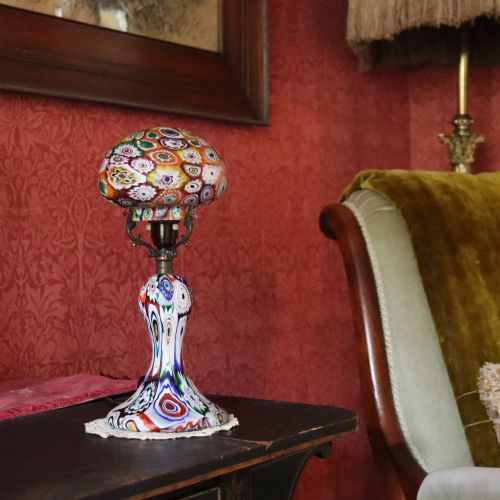
Fratelli Toso
The Art Deco Brass Lighting Glossary
- Opaline glass
- A milky, semi-translucent glass used widely for shades to diffuse light evenly. It appears in various hues across pendant and table lamp designs.
- Slip shade
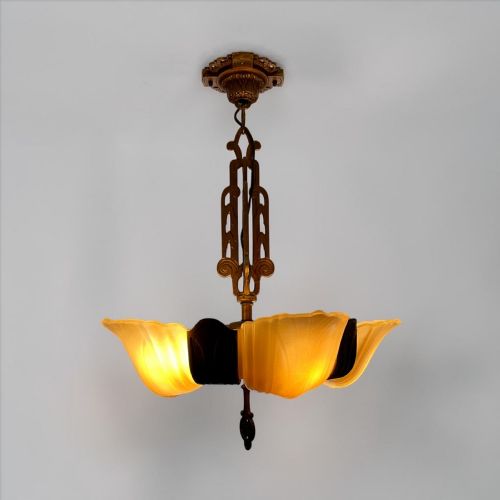
- A moulded piece of glass that slips directly into a metal frame to form a bowl or shade. These are typical of American light fixtures.
- Amsterdam School
- An architectural and design movement from the Netherlands emphasising expressive brickwork, organic forms, and rich metal patination. Pieces from this tradition often feature wrought brass and copper.
- Pricket candlestick
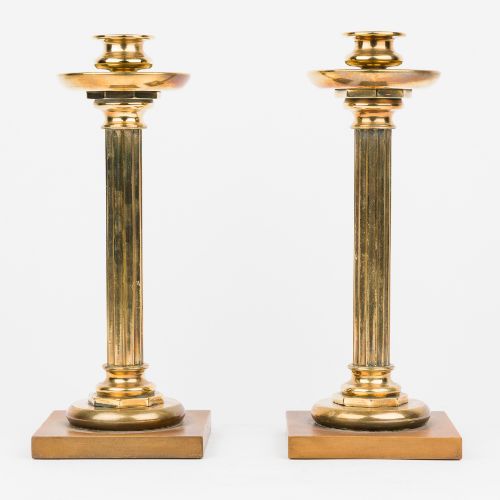
- A candlestick featuring a central spike upon which a candle is mounted rather than a socket. They appear in heavy brass and patinated metal configurations.
Art Deco Brass Lighting: Frequently Asked Questions
How do I date art deco lighting?
Dating relies on stylistic markers such as strict geometric symmetry, stepped forms, and specific glass types characteristic of the interwar decades. Materials like opaline glass and patinated brass help narrow the period.
Comparison with documented pieces from the 1920s and 1930s aids precise attribution. Hardware construction and wiring methods also offer clues to age.
Can I use modern bulbs in vintage lamps?
Most vintage fixtures accept modern LED bulbs provided the wattage matches safe historical limits. Consulting a professional electrician ensures the internal wiring remains safe for daily use.
Care should be taken with delicate glass shades during bulb replacement. Heat output from older incandescent bulbs requires careful monitoring.
Are desk lamps fully adjustable?
Many desk and task lamps feature articulated arms or pivoting joints designed for directional lighting. These adjustable mechanisms allowed users to direct illumination precisely where needed.
Spring-loaded or counterbalanced systems remain operational on well-preserved examples. Gentle handling preserves the original tension in these movable brass joints.
What rooms suit a brass chandelier?
Hanging fixtures suit dining rooms, hallways, or living spaces with sufficient ceiling height. Their metallic finish reflects ambient light across the interior.
Multi-branched designs require sturdy ceiling mounts to support the combined weight of brass and glass. Proportion relative to room dimensions remains the primary consideration for placement.