
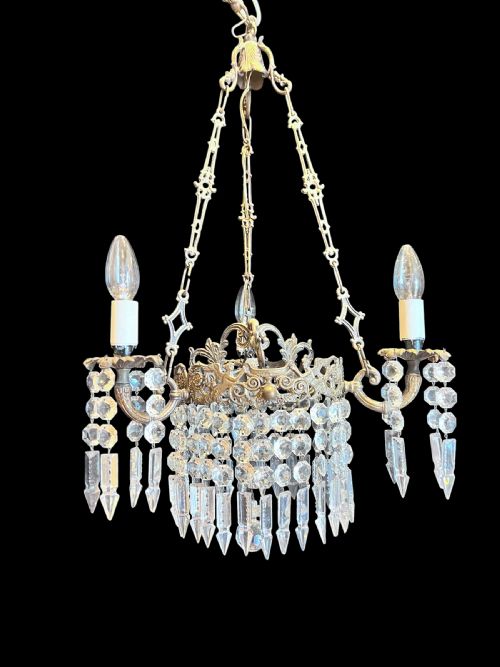
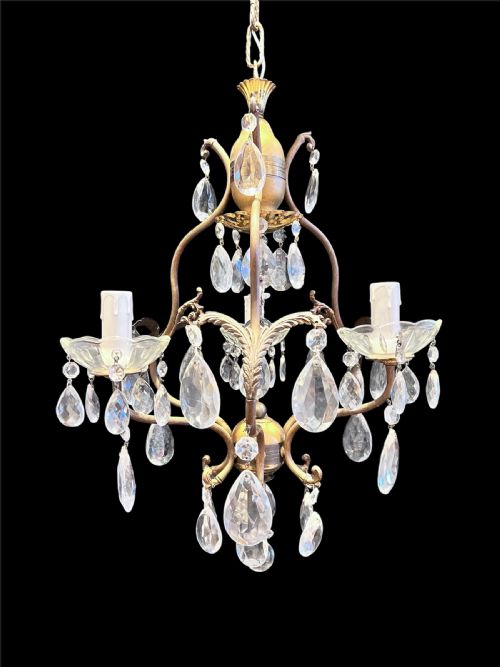


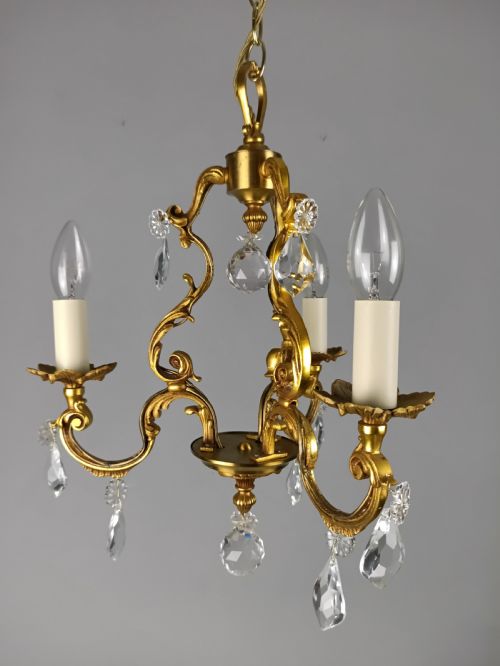
Three Light Ceiling Fixture
A three light ceiling fixture brings focused illumination and period character to a room, ranging from brass frames to crystal drops.
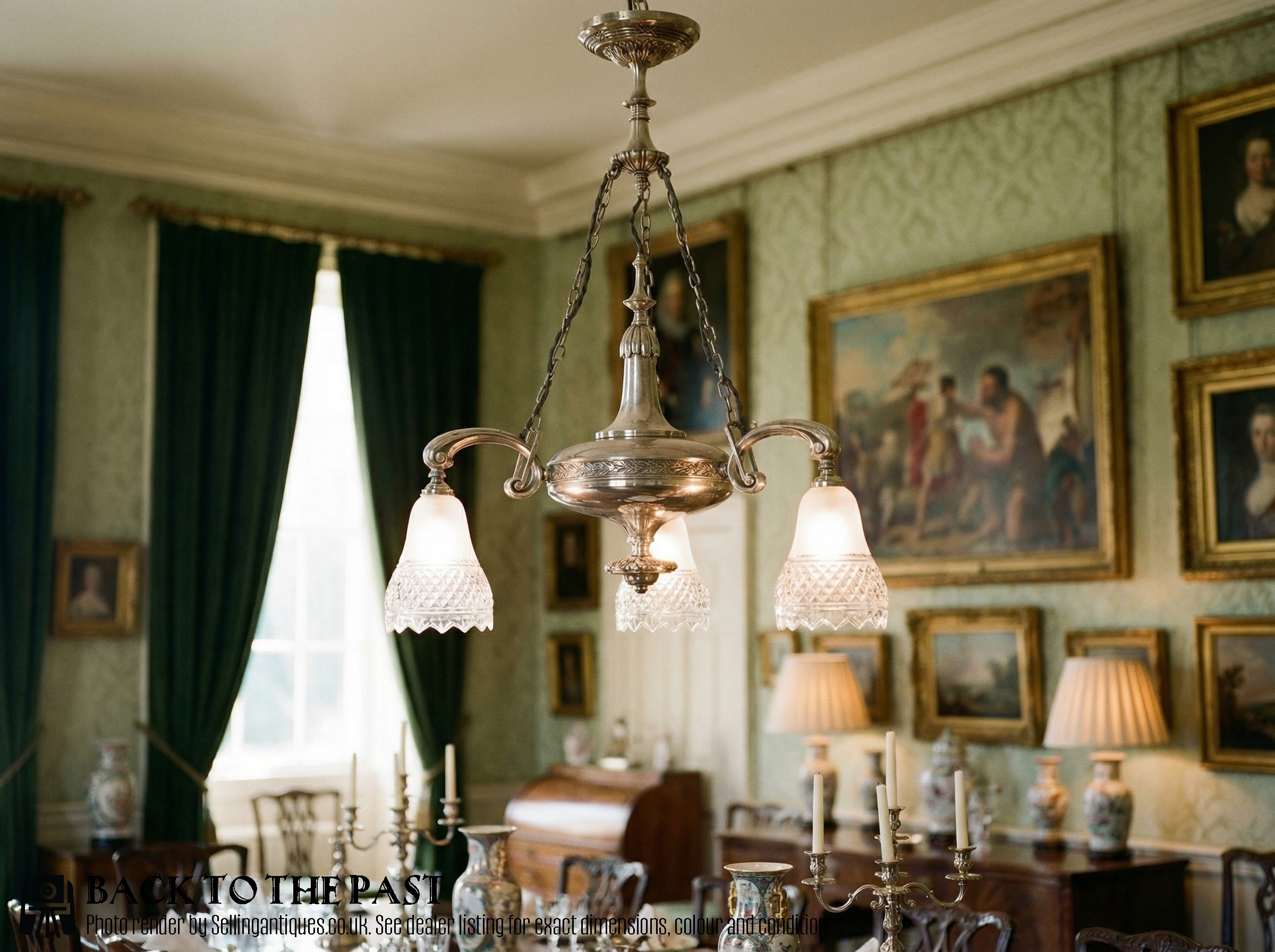
Three Light Ceiling Fixture
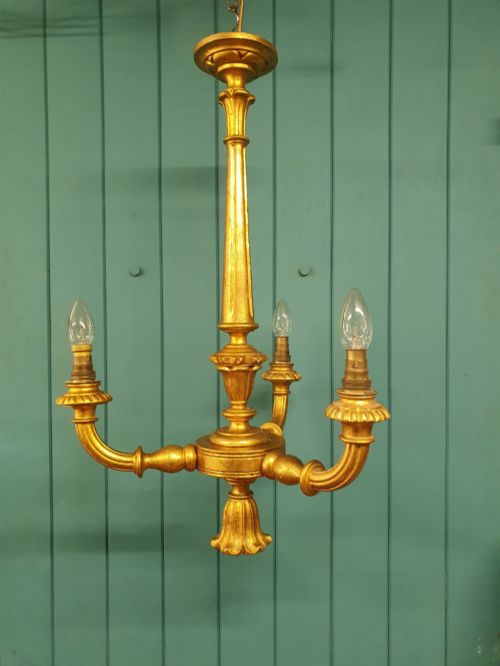
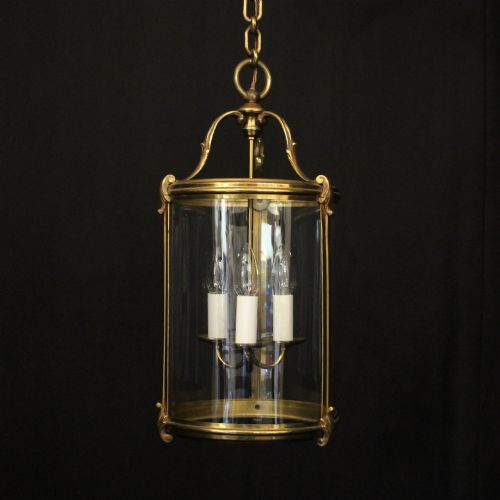
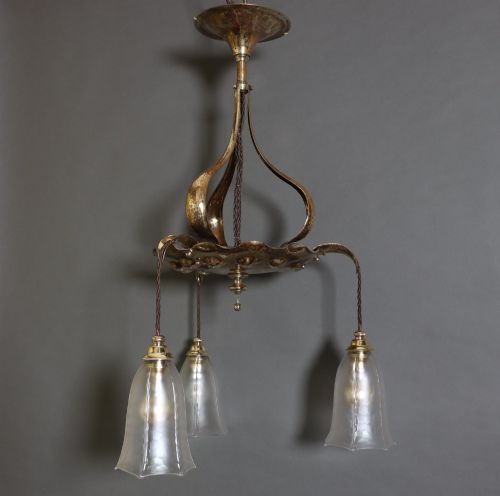
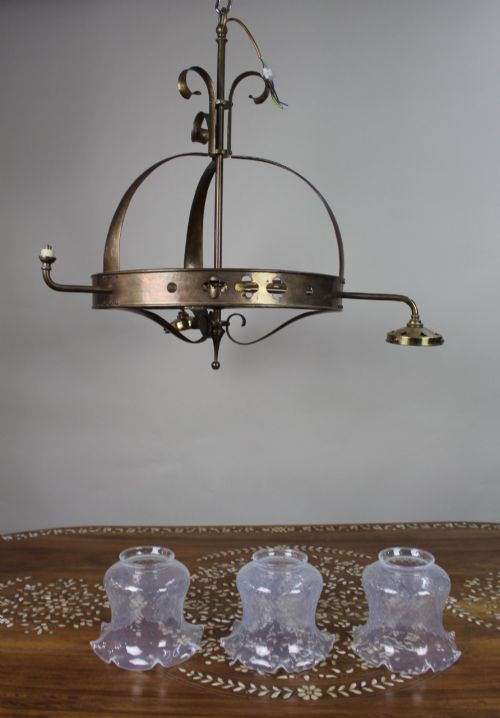
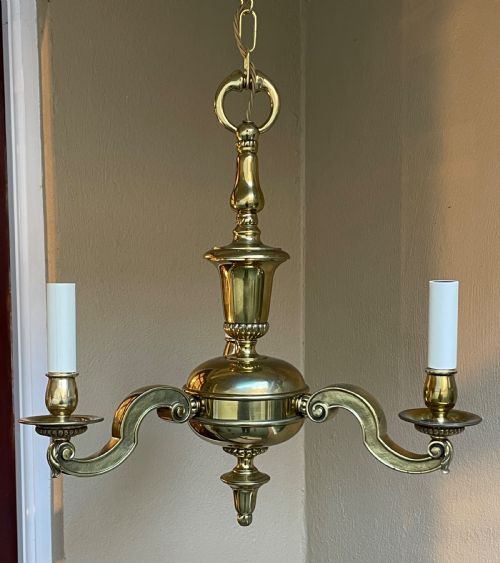
A three light ceiling fixture is a suspended luminaire designed to hold three distinct light sources, appearing across periods from the nineteenth century through the 1930s. Buyers searching this phrase encounter forms such as chandeliers, hall lanterns, and pendant lights produced in styles including Edwardian, Art Deco, and French Rococo Revival. The most common iteration on this page is the three-branch brass or gilt metal chandelier, often embellished with crystal drops or glass shades dating from the early twentieth century.
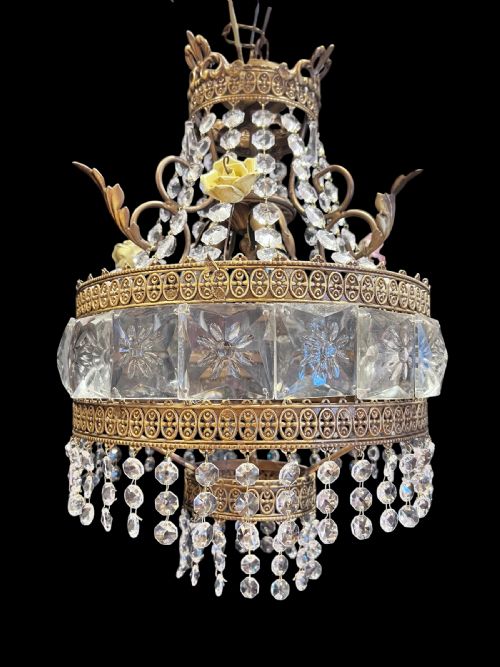
The selection includes specific regional designs, notably French gilded bronze and brass fixtures alongside Italian examples featuring porcelain flowers. Pieces span the Victorian era, the Edwardian period, and the 1920s and 1930s, offering options from restrained Arts and Crafts brass frames to ornate French chateau styles. Each variation provides a distinct profile suited to different ceiling heights and interior schemes.
Materials and Construction
Metalworking forms the structural foundation of these fixtures, utilising cast and wrought brass, gilt bronze, gilt metal, and silver. Artisans shaped these metals into branching arms, ceiling roses, and decorative mounts, sometimes applying a gilt finish to enhance the surface reflection.
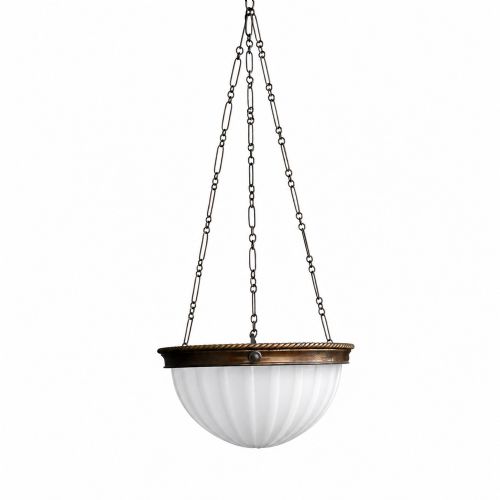
Glass and crystal elements complement the metal structures, appearing as moulded shades, opalescent glass, moonstone, and cut crystal pendants. Makers integrated frosted glass and pink crimped shades to diffuse the illumination, while porcelain flowers and carved giltwood added decorative detail to specific Italian and French pieces.
Period origins span nineteenth-century Victorian and Edwardian examples alongside 1920s and 1930s Art Deco and French chateau styles.
Evaluating Quality and Execution
Quality in these fixtures rests on the crispness of the metal casting and the depth of the gilding or finish. Finer pieces display sharply defined botanical or figural motifs, such as cherub arms or putti, worked directly into the bronze or brass rather than stamped or cast softly.
The integration of secondary materials distinguishes the range. Superior examples feature high-purity cut crystal drops and hand-formed glass shades that fit securely within their mounts, whereas simpler pieces rely on standard commercial glass and basic pressed metal connections.
F&C Osler
The Three Light Ceiling Fixture Glossary
- Chandelier
- A branched ceiling-mounted fixture designed to hold multiple lamps or candles. These pieces suspend from the ceiling to distribute light across a space.
- Gasolier
- A light fixture originally designed to burn gas before being converted to electricity. These date primarily to the nineteenth century and incorporate heavy brass or bronze tubing.
- Slip Shade
- A type of pressed glass shade that slots directly into a metal frame rather than hanging from screws. This technique is characteristic of Art Deco lighting design.
- Hall Lantern
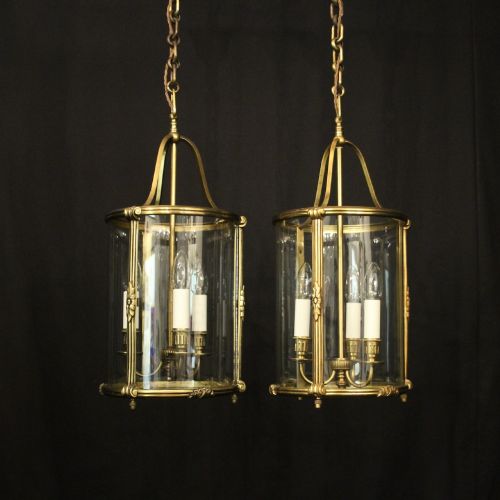
- An enclosed ceiling fixture designed for entranceways and corridors. They often feature glazed panels held within a metal or gilt bronze framework.
- Opalescent Glass
- Glass that has a milky, semi-translucent appearance with pearlescent colour reflections. It diffuses light softly to reduce glare.
Three Light Ceiling Fixture: Frequently Asked Questions
What periods do these ceiling fixtures represent?
The selection spans from the nineteenth century through the Edwardian era, 1900, 1910, 1920, and into the 1930s.
Each period brings distinct stylistic traits, from Victorian gasoliers and Arts and Crafts brass to Art Deco slip shade designs and French gilt bronze chandeliers.
How do I choose between a lantern and a chandelier?
Lanterns feature enclosed frames with glass panels, making them well-suited for hallways, entryways, and lower ceilings where a compact profile is required.
Chandeliers use open branching arms that extend outward, providing wider light distribution and a more prominent decorative presence in principal rooms.
What metals are commonly used in these fixtures?
Construction materials primarily include brass, gilt brass, gilt bronze, wrought iron, and silver. Many pieces feature surface gilding or patination applied to the metal framework.
These metals support glass shades, crystal drops, and porcelain decorative elements depending on the specific regional style.
Are these lights compatible with modern electrical systems?
Most antique fixtures of this type have been rewired or adapted for contemporary electrical standards while retaining their original frames and fittings.
It remains advisable to have a qualified electrician inspect the wiring and ceiling rose installation before mounting any vintage piece.