





1920s Brass Chandelier
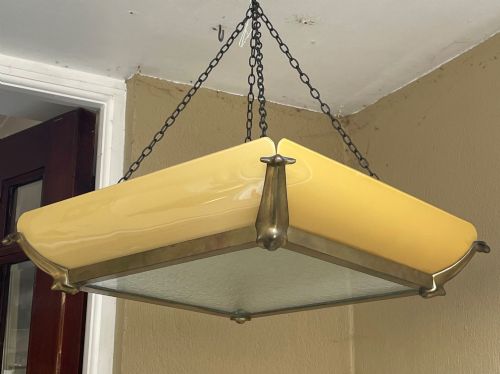
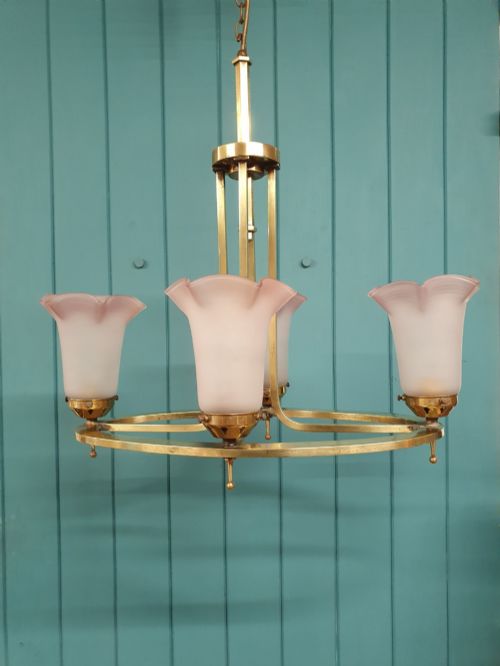
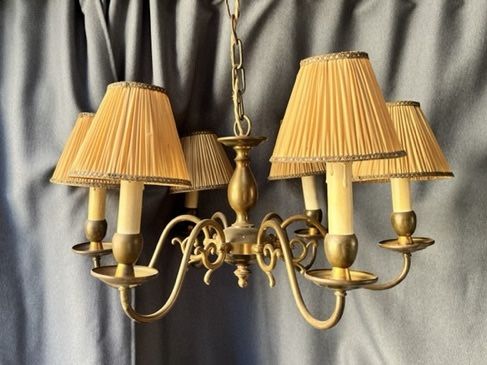
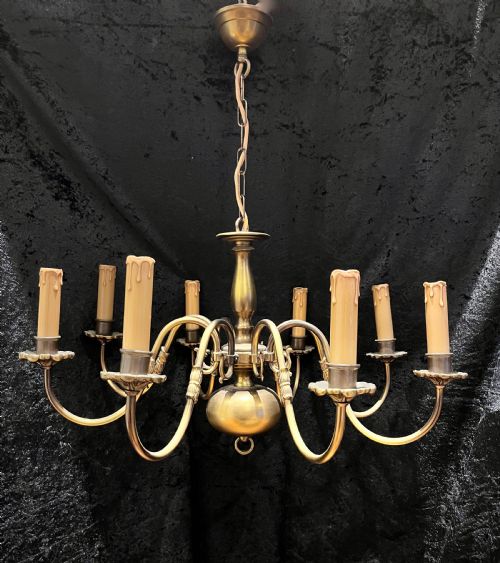
A 1920s brass chandelier brings period character and brilliant illumination to a room, offering robust metal frames paired with sparkling glass and crystal.
1920s Brass Chandelier
A 1920s brass chandelier encompasses hanging ceiling lights and multi-branch fixtures produced during the interwar years, alongside pieces spanning the Edwardian era into the 1930s. Buyers searching this phrase encounter a range of forms from simple three-arm pendants to massive ballroom chandeliers boasting forty-one lights.
The selections on this page feature distinct stylistic influences, notably Art Deco designs alongside Dutch Baroque Revival, French Chateau, Neo-Classical Revival, and Grand Regency pieces. Alongside ceiling fixtures, occasional table lamps appear in the listings to provide complementary illumination.
Brass serves as the primary structural metal, frequently complemented by gilt bronze or gilt metal mounts. These frames support extensive glass elements, including cut glass, frosted glass, and beaded crystal arms hung with cascading drops.
How they were made
Metalwork involved casting brass and bronze into structural arms, rings, and decorative mounts, such as the cast acanthus leaf details found on branch fixtures. Gilt treatments and polished finishes were applied to enhance the visual weight of the metal frameworks.
Glass components required specialised cutting, moulding, and frosting techniques to create the various drops, beads, and shades suspended from the frames. Crystal prisms were hand-wired to brass arms to catch and refract light across multiple lamp holders.
1920s Brass Chandelier Retail Price Guide 2026
Typical asking prices for 1920s brass chandelier among the pieces listed under this phrase on Sellingantiques today, from the lower quarter to the upper quarter. They describe what is for sale here now, not the wider market.
Listings feature periods spanning Edwardian, 1920, and 1930, utilising brass, gilt bronze, and cut glass across Art Deco and Dutch Baroque Revival styles.
What varies in quality
The standard of metal casting dictates the crispness of decorative details like acanthus leaf mounts and the overall rigidity of multi-branch frames. Substantial cast brass and gilt bronze demonstrate a higher grade of manufacture than lighter, pressed metal alternatives.
The quality of the glass and crystal dressing defines the visual depth of the fixture, distinguished by sharp hand-cut facets and clarity rather than moulded uniformity. Uniformity in matching drops and the complexity of multi-tier arm configurations also separate simpler domestic pendants from grand ballroom pieces.
The 1920s Brass Chandelier Glossary
- Art Deco
- A design style of the 1920s and 1930s characterised by geometric symmetry and streamlined ornamentation. It influences many of the hanging lights from this period.
- Gilt Bronze
- Bronze metal coated with a thin layer of gold or gold-coloured alloy. This material provides a durable, rich metallic finish on high-end chandelier frames.
- Cut Glass
- Glass shaped and patterned by abrasive wheel grinding and polishing. It creates sharp facets that scatter light efficiently through a room.
- Acanthus Leaf
- A classical decorative motif derived from Mediterranean foliage. It frequently appears as a cast relief detail on brass chandelier mounts and arms.
- Pendant Chandelier
- A hanging light fixture suspended by a single chain, cord, or rod rather than fixed directly to the ceiling. These units distribute light downwards from a central point.
1920s Brass Chandelier: Frequently Asked Questions
How do I hang a heavy chandelier safely?
Hanging a heavy fixture requires securing the ceiling bracket directly into a structural ceiling joist or using a rated mounting brace capable of supporting the total weight. Professional electrical installation ensures the wiring can safely handle multi-lamp configurations.
Ensuring proper chain length allows the chandelier to hang at the correct height above furniture or open floor space, typically maintaining clearance in high-traffic rooms.
Can I use modern LED bulbs in these fixtures?
Modern LED bulbs work well in vintage fixtures provided the base size matches the original lamp holders. Selecting warm white output helps replicate the softer glow of historical lighting.
Checking the maximum wattage rating of the wiring and lamp holders prevents overloading older electrical components during daily use.
How do I clean crystal drops without damage?
Cleaning crystal drops involves removing them gently from the brass frame and washing them in lukewarm water with a mild dish soap solution. Drying each piece with a lint-free cloth restores maximum sparkle.
Leaving the brass frame intact while cleaning drops prevents loosening delicate wire fastenings and protects aged metal finishes from harsh liquid cleaners.
What rooms suit a multi-branch chandelier?
Large multi-branch chandeliers suit reception rooms, dining areas, and high-ceilinged hallways where their spread of light illuminates the space effectively. Smaller three or four-arm pendants fit cosier rooms or bedrooms without overwhelming the proportions.
Matching the physical scale of the fixture to the dimensions of the room ensures balanced visual weight and appropriate light distribution.