


Vintage Three Light Chandelier
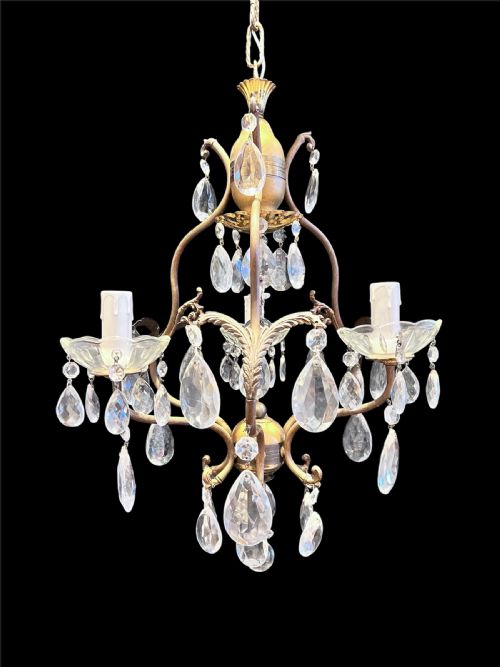
A vintage three light chandelier brings focused illumination and period character to a room, drawing the eye upwards with its balanced three-branch arrangement.
Vintage Three Light Chandelier
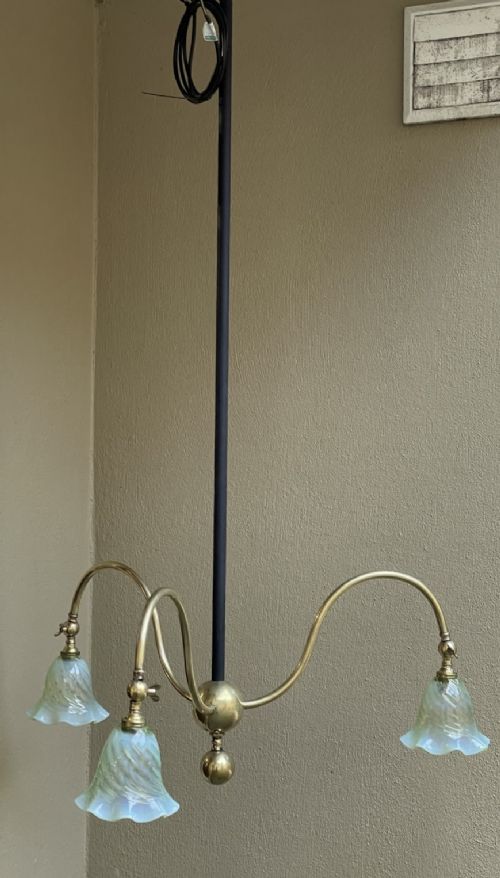
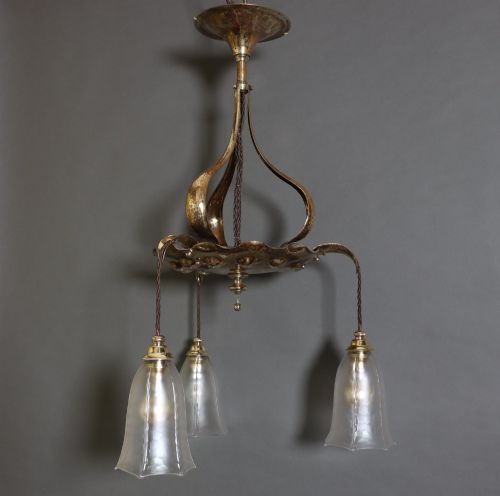
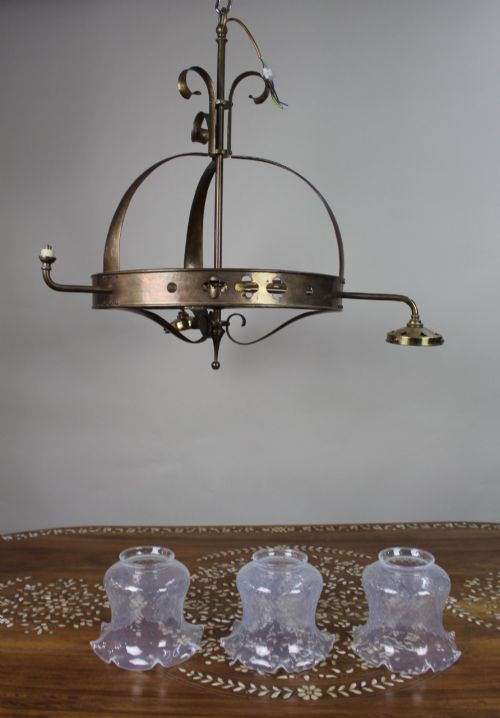
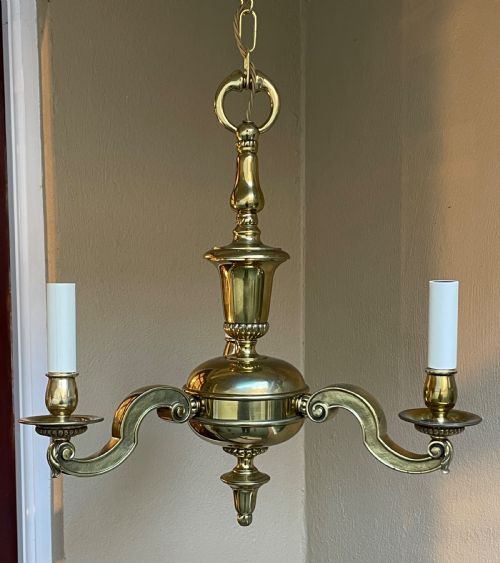
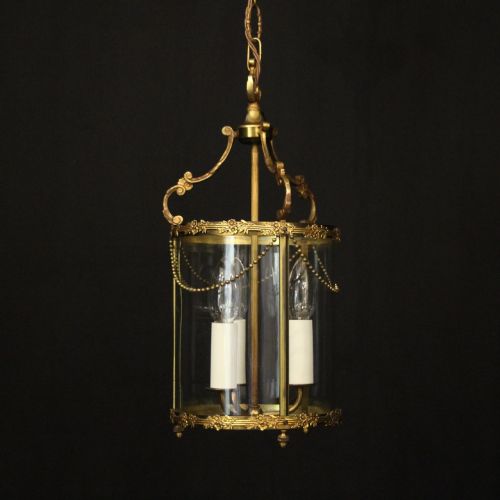
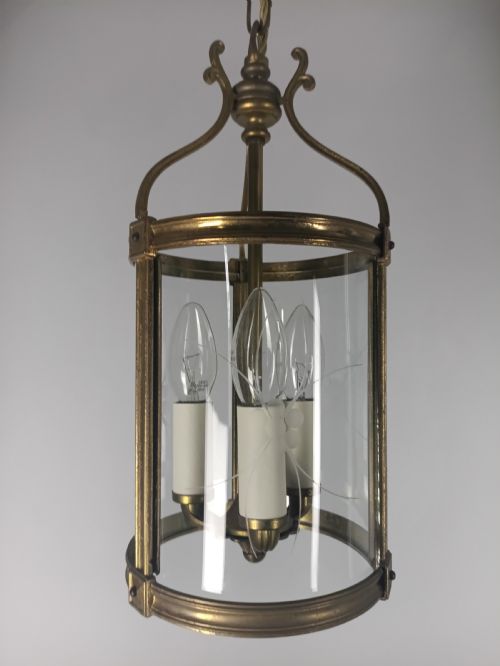
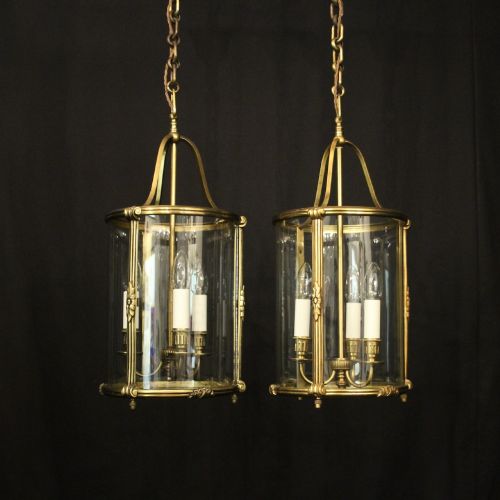
A vintage three light chandelier is primarily encountered in twentieth-century forms, spanning Edwardian, Art Deco, and Arts and Crafts styles. These fixtures appear as brass ceiling lights, crystal pendants, and hall lanterns sourced from French, Italian, and British workshops.
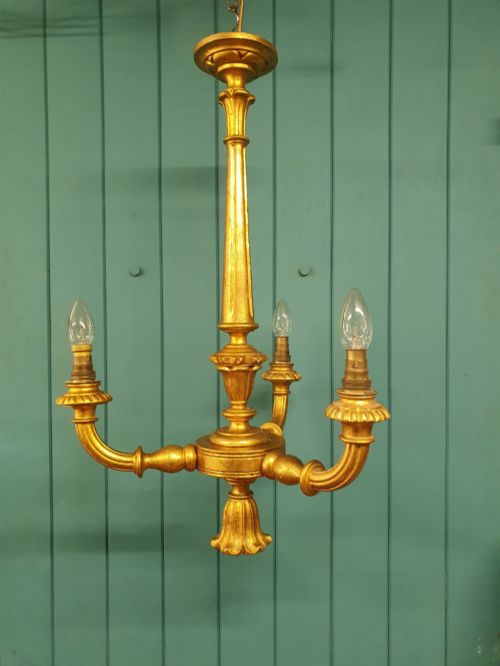
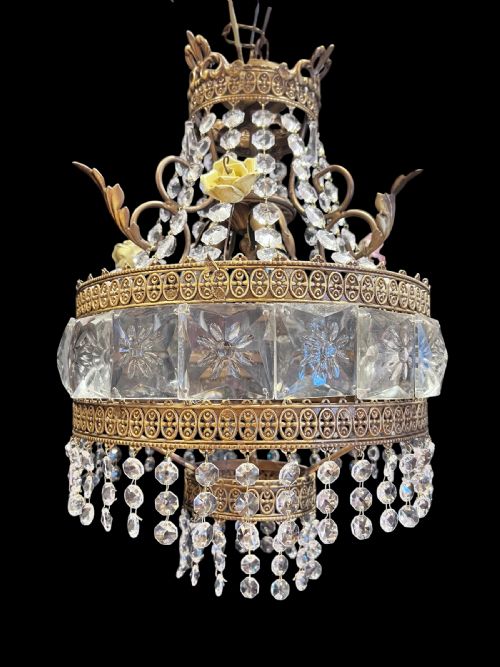
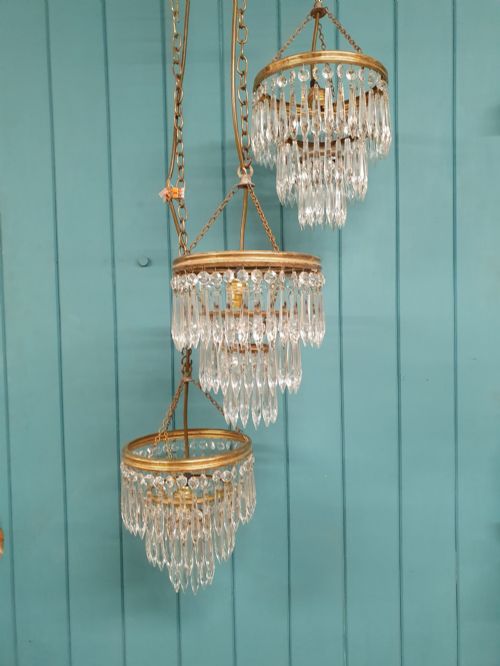
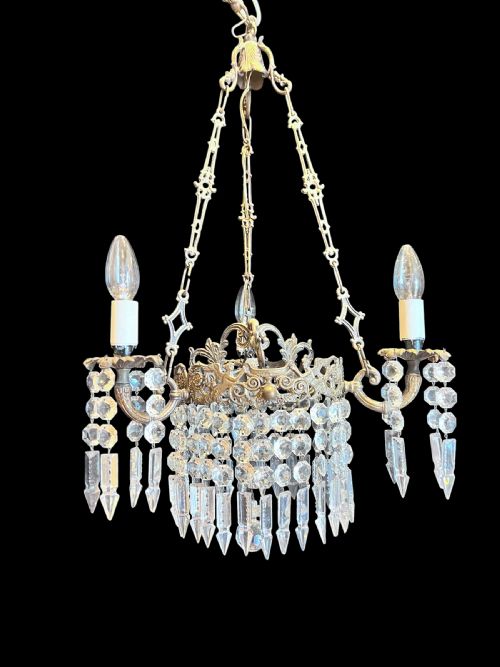
The evidence shows diverse configurations including cast brass branches, multi-tier waterfall crystal drops, and porcelain flower details. Buyers frequently find pieces originating from the late nineteenth century through to the nineteen-thirties, reflecting regional aesthetics from French chateau designs to industrial civic contexts.
Materials and Construction
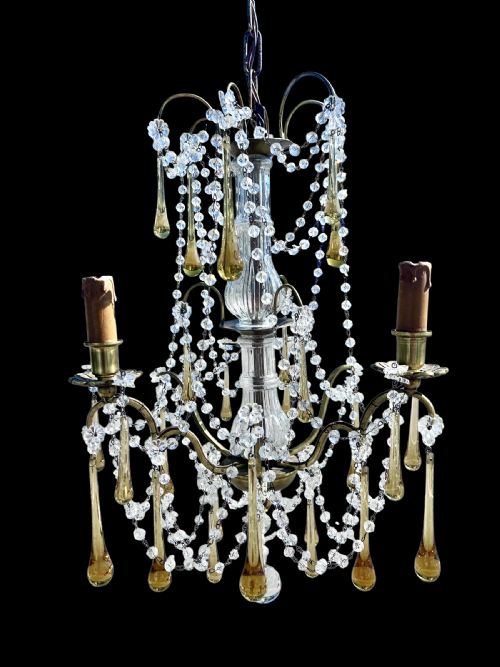
Construction relies heavily on cast and gilt brass, bronze, and gilt metal to form the structural frames and arms. These metal skeletons support glass components, including opalescent shades, etched convex glass, and coloured crystals.
Lighting fixtures from this span incorporate specialised techniques such as carved alabaster, giltwood shaping, and applied porcelain ornamentation. Gasolier conversions and wired brass assemblies demonstrate the period shift from early gas lighting to electrical wiring.
Materials documented across the listings include bronze, alabaster, and porcelain alongside standard brass and crystal configurations.
Material Depth and Execution
Quality separates fixtures by the crispness of metal casting and the clarity of glass components. Heavy cast brass and hand-etched convex glass exhibit superior material density compared to lighter pressed alternatives.
The refinement of secondary elements, such as hand-carved giltwood, integrated porcelain floral details, and precision-cut crystal droplets, determines the distinction between standard provincial lighting and masterwork decorative objects.
The Vintage Three Light Chandelier Glossary
- Gasolier
- A decorative ceiling light originally designed to burn gas before being converted to electricity. These fixtures often retain early brass tubing and valve keys.
- Hall lantern
- An enclosed ceiling fixture designed specifically for entryways and corridors. They frequently utilise framed glass panels to protect the internal candle or bulb arrangement.
- Slip shade
- A moulded piece of glass that slides directly into a metal frame to form the bowl of a light fixture. This technique is prominent in Art Deco designs.
- Gilt metal
- A base metal surface covered with a thin layer of gold leaf or gilt paint. It provides the appearance of solid gold while maintaining structural strength.
Vintage Three Light Chandelier: Frequently Asked Questions
Can these chandeliers be adjusted for low ceilings?
Many hanging fixtures utilise suspension chains or rigid brass rods that can be shortened to fit restricted vertical spaces. Hall lanterns and flush-mounted ceiling lights offer naturally compact profiles.
Review the specific drop measurement of each piece before planning your installation layout.
What is the difference between a lantern and a chandelier?
A chandelier suspends exposed arms and branching lights outward from a central column. A lantern encloses the light source within glazed or metal panels.
Both forms serve distinct architectural roles depending on the proportions of the room.
How do I identify an Art Deco lighting fixture?
Art Deco lighting relies on geometric forms, stepped motifs, and streamlined metalwork. Slip shades and frosted glass panels are common characteristics.
These pieces typically date from the nineteen-twenties and nineteen-thirties.