


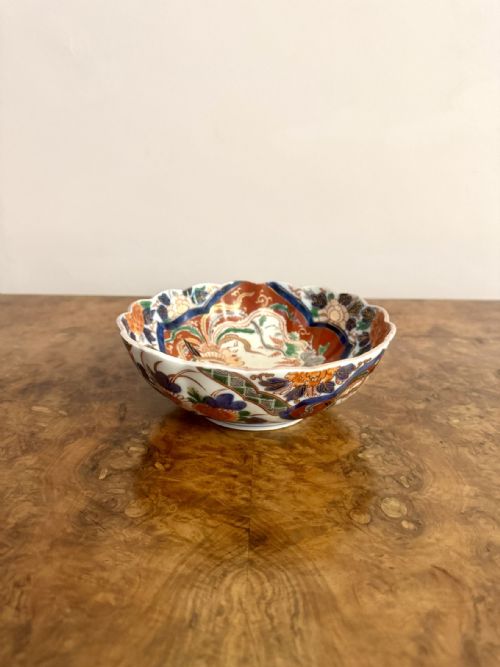
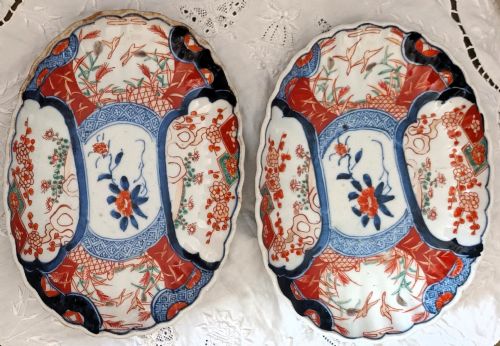


Arita Ware Porcelain Dishes
These arita ware porcelain dishes bring centuries of Japanese ceramic tradition to your table, prized for their intricate painted designs and robust forms.
Arita Ware Porcelain Dishes
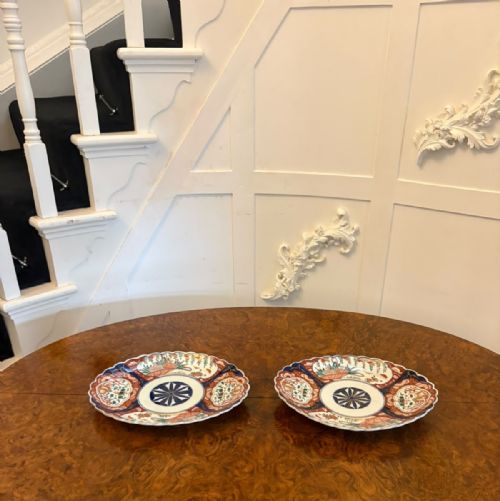
When you search for arita ware porcelain dishes, you encounter a wide selection of decorative plates, bowls, chargers, and serving pieces originating from Japan. The inventory spans several distinct eras, bringing together pieces from the Edo period, Meiji period, and the late nineteenth century.
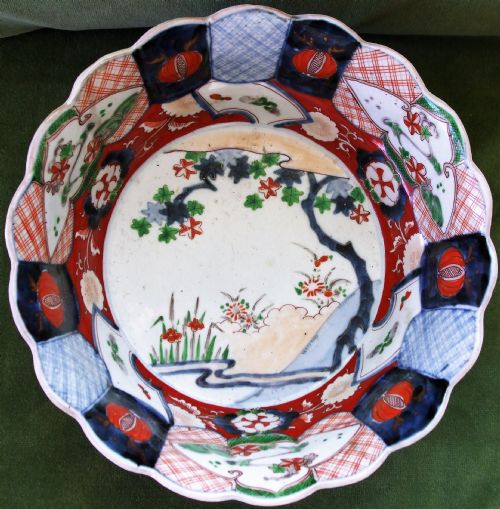
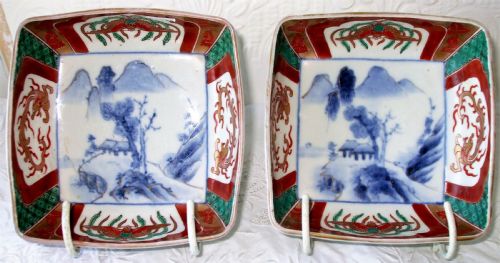
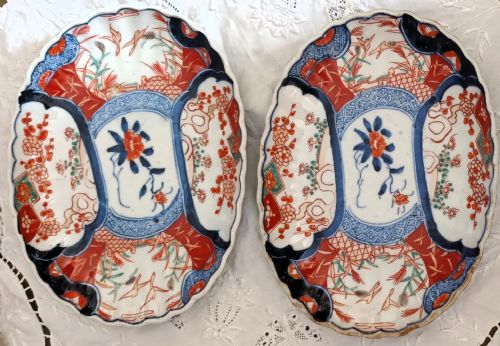
You are most likely to meet pieces decorated in the Japanese Imari style, alongside blue and white porcelain works and specialised forms such as fan-shaped plates, clam shell dishes, and hexagonal bowls. These items range from single display plates to large matching collections and pairs.
The objects serve primarily as decorative tableware and display pieces, showcasing traditional motifs including floral and bird designs alongside scrolling foliate borders. Originating from Hizen province, these works demonstrate the enduring versatility of Japanese ceramic artistry across multiple centuries.
How they were made
Makers shaped these items from porcelain clay, firing the body at high temperatures to achieve a durable and dense base. Artisans applied cobalt underglaze for blue and white designs before the initial glaze firing.
Many examples incorporate enamel, enamel glaze, and gilding or gold leaf applied over the glaze in subsequent low-temperature firings. This technique builds rich colour palettes and textured metallic highlights across the surface of plates and bowls.
Arita Ware Porcelain Dishes Retail Price Guide 2026
Typical asking prices for arita ware porcelain dishes among the pieces listed under this phrase on Sellingantiques today, from the lower quarter to the upper quarter. They describe what is for sale here now, not the wider market.
What varies in quality
The standard of painting on the porcelain surface dictates much of the distinction between ordinary and superior pieces. Skilled execution in hand-painted floral and bird designs, combined with precise cobalt underglaze lines and well-applied gilding, elevates a piece above standard production.
The complexity of the physical form also influences the standing of an item. Unusual shapes like fan-shaped plates, hexagonal bowls, and scallop edges demand greater skill from the potter than simple round dishes.
The Arita Ware Porcelain Dishes Glossary
- Imari
- A style of Japanese porcelain decorated in underglaze blue, iron red, and gold. This aesthetic became prominent during the Edo period and remained popular through the Meiji era.
- Arita
- The Japanese town in Hizen province where porcelain production began in the early seventeenth century. It remains the historic centre of Japanese ceramic manufacturing.
- Charger
- A large decorative plate utilised for display or ceremonial service rather than everyday dining. These substantial pieces often showcase complex painted compositions.
- Edo Period
- The period in Japanese history lasting from 1603 to 1868, characterised by economic growth and stability under the Tokugawa shogunate. Pieces from this era are highly sought after by collectors.
- Meiji Period
- The era spanning from 1868 to 1912 following the restoration of imperial rule in Japan. Ceramics from this time often display intricate detailing and vibrant enamel colours.
Arita Ware Porcelain Dishes: Frequently Asked Questions
What is arita ware?
Arita ware refers to Japanese porcelain produced in and around the town of Arita in Hizen province. The tradition began in the early seventeenth century after the discovery of suitable ceramic stone.
Craftsmen in this region developed techniques for both blue and white porcelain and polychrome styles like Imari. These wares gained international renown through export trade.
How do I date these dishes?
Dating relies on stylistic markers, materials, and historical context recorded in the piece. Edo period items often show earlier potting characteristics, while Meiji period examples frequently feature vibrant enamel glazes and gilding.
Examining the foot ring, glaze consistency, and painting style helps differentiate eighteenth-century works from late nineteenth-century productions.
Were these made for export?
Many arita ware porcelain dishes and chargers were produced specifically for export to European markets through trade ports. European buyers prized the vibrant colours and intricate patterns.
Production also supplied the domestic Japanese market, resulting in a diverse range of forms tailored to different cultural uses.
How should I display a charger?
Large chargers and display plates are well-suited for wall mounting using appropriate plate hangers or placement on sturdy plate stands. Ensure the display method securely supports the weight of the porcelain.
Keep pieces away from direct sunlight to preserve the vibrant tones of the enamel glazes and gold leaf.