
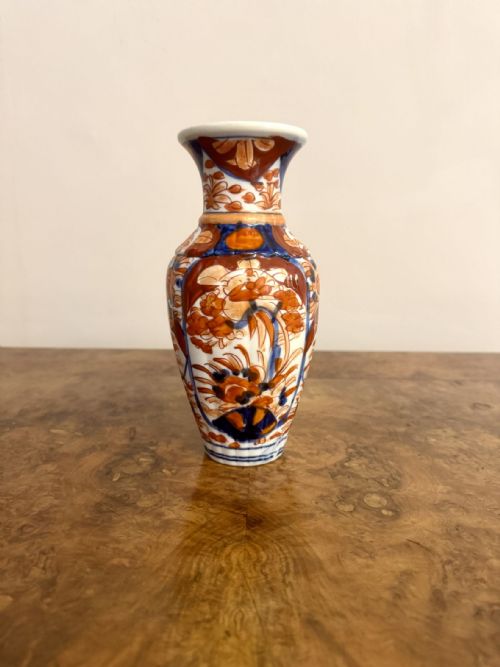
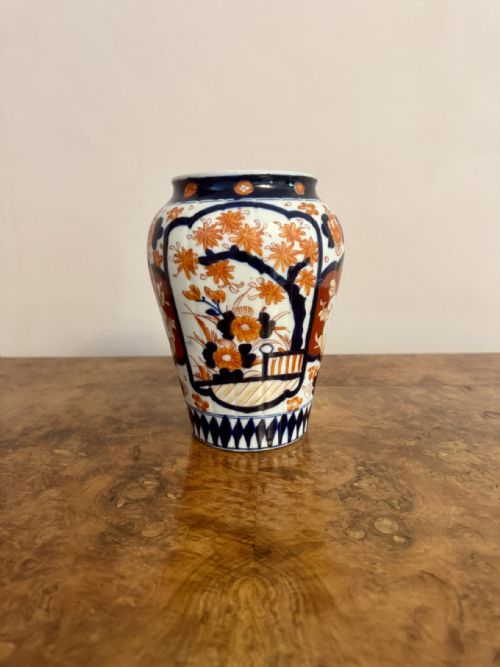
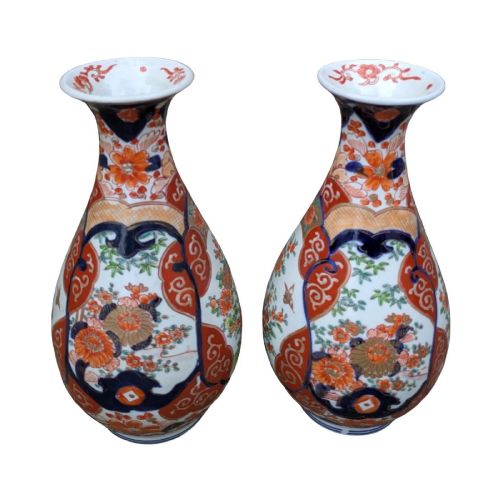
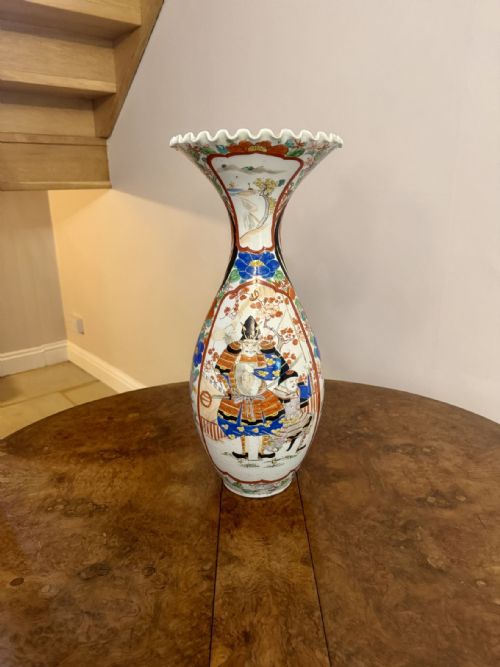


Arita Porcelain Vase
An arita porcelain vase brings centuries of kiln mastery into a room, offering rich palettes and traditional forms that anchor any mantel or cabinet.
Arita Porcelain Vase
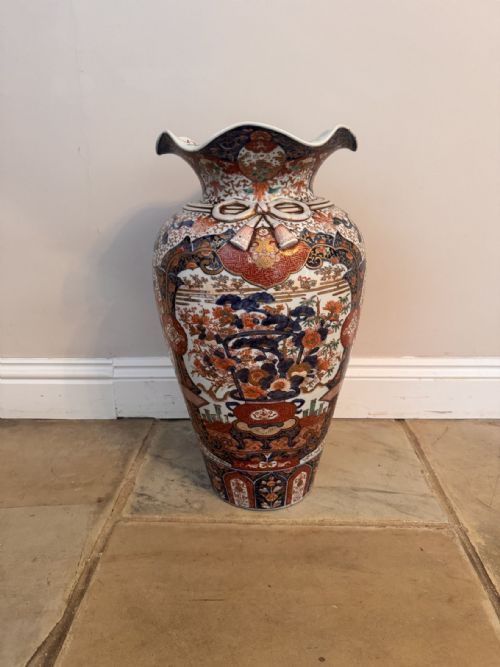
An arita porcelain vase encompasses centuries of Japanese ceramic production, originating from the town where porcelain was first successfully fired in Japan during the early Edo period. These vessels range from blue and white trumpet beakers to heavy storage jars and slender bottle shapes.
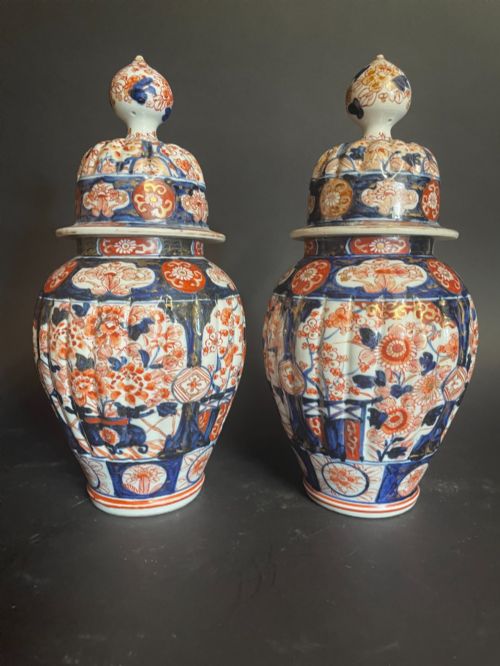
The buyer meets many examples from the Meiji period and late nineteenth century alongside older seventeenth and eighteenth century survivals. Forms include lidded ginger jars, spill vases, and pairs designed as garnitures for mantelpieces.
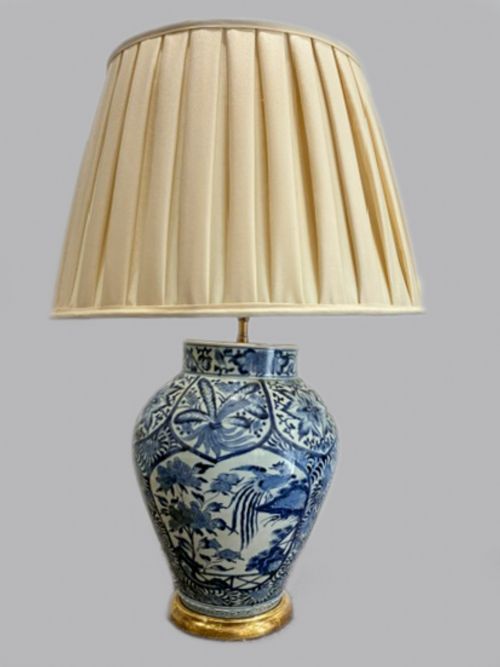
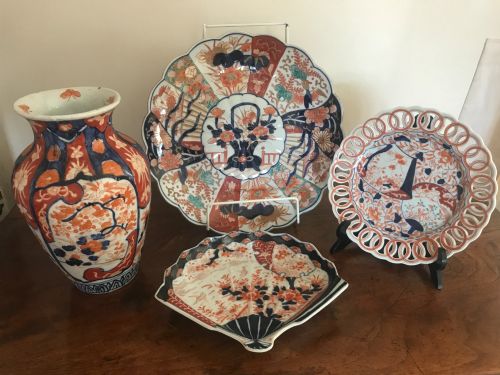
Many survivors demonstrate the distinctive Japanese Imari palette, combining underglaze blue with iron red and gold leaf overglaze details. Others present refined blue and white decoration or specific Kano designs on porcelain bodies.
How they were made
Makers shaped the fine porcelain clay on the potter's wheel or within moulds to achieve hexagonal, bottle, and trumpet profiles before applying initial cobalt blue pigments beneath the glaze. Firing in high-temperature wood kilns vitrified the body into a durable, resonant ceramic.
Enamel colours and gold leaf were added in subsequent lower-temperature firings to build up the intricate patterns characteristic of Imari wares. Some pieces received brass mounts or conversion work for electric lamps during later centuries.
Early export potters sometimes painted floral motifs over tiny kiln imperfections with such charm that the flaw becomes part of the art.
What varies in quality
The precision of the brushwork defines the tier of a piece, distinguishing rapid commercial output from meticulous studio painting. Crispness in the cobalt underglaze lines and clean separation of the enamel colours indicate superior ceramic control.
Preservation of the delicate overglaze enamel and gold leaf elements affects the visual impact of older vessels. The weight of the porcelain body and the symmetry of large floor-standing or garniture shapes also separate standard utilitarian wares from ambitious decorative commissions.
The Arita Porcelain Vase Glossary
- Arita
- The Japanese town in Hizen province where porcelain production began in the early seventeenth century. It remains the historical heartland of Japanese ceramic manufacturing.
- Imari
- A style of Japanese porcelain decorated in underglaze blue, iron red, and gold, named after the port from which these wares were shipped to Europe. The palette is bright and densely patterned.
- Edo Period
- The period in Japanese history spanning from sixteen hundred and three to eighteen hundred and sixty-eight. Pieces from this era often exhibit robust potting and early glaze formulations.
- Meiji Period
- The era from eighteen hundred and sixty-eight to nineteen hundred and twelve marked by increased export trade and large-scale decorative output. Vases from this time frequently demonstrate ambitious scale and intricate enamelling.
- Garniture
- A set of three or more matching vases and jars designed to be displayed together on a mantelpiece or shelf. These sets were popular in both Japanese interiors and European stately homes.
Arita Porcelain Vase: Frequently Asked Questions
How do I date an arita porcelain vase?
Dating relies on stylistic clues, potting weight, and the character of the underglaze blue pigment. Seventeenth-century examples often show simpler blue and white designs or early Imari palettes, while Meiji pieces feature dense enamelling.
Examination of the foot ring and base glaze also provides guidance, as kiln furniture marks and clay preparation evolved across the centuries.
Were these vases made for export?
Many of the larger jars and garnitures were produced specifically for the European market through trade companies during the Edo and Meiji periods. Western taste favoured ornate decorative schemes and symmetrical pairs for display.
Smaller vessels and blue and white pieces were often created for domestic Japanese use before wider international demand reshaped production.
Can I use an antique vase for fresh flowers?
While these vessels were originally designed to hold water or dry arrangements, old porcelain can be vulnerable to thermal shock or staining through unglazed interior bases. Many collectors prefer to display them dry or use internal glass liners to protect the historic body.
Careful handling is essential, particularly for pieces with delicate overglaze gold leaf that can wear down with frequent washing.