






Arita Imari Porcelain Charger
An arita imari porcelain charger brings bold cobalt and iron red panels to a wall or table, offering centuries of Japanese ceramic skill.
Arita Imari Porcelain Charger
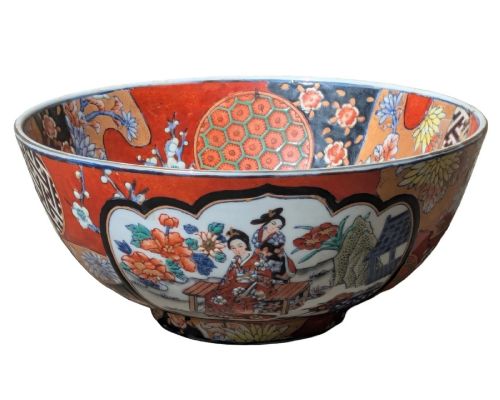
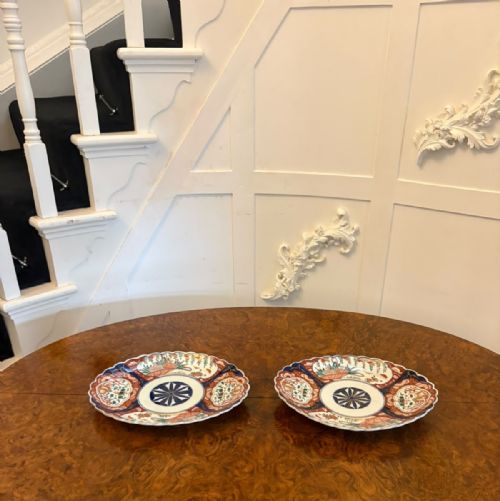
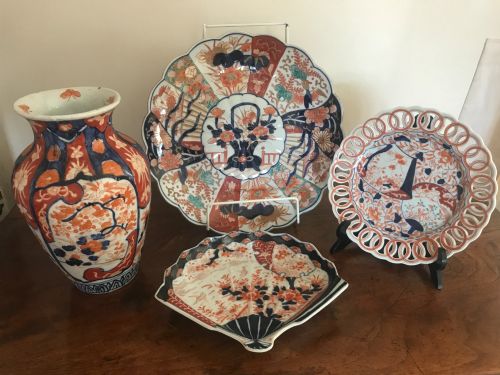
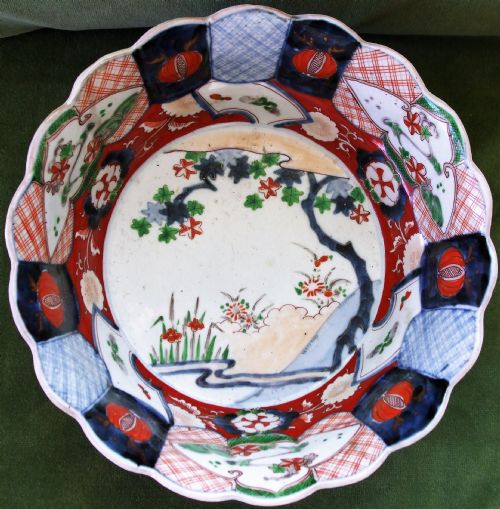
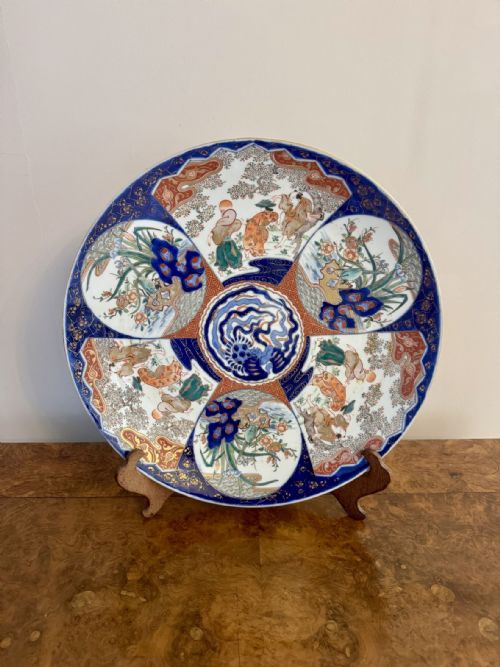
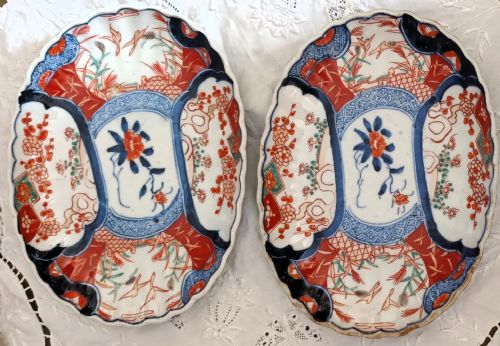
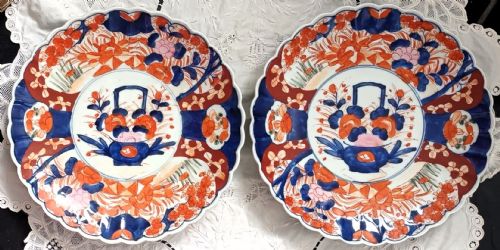
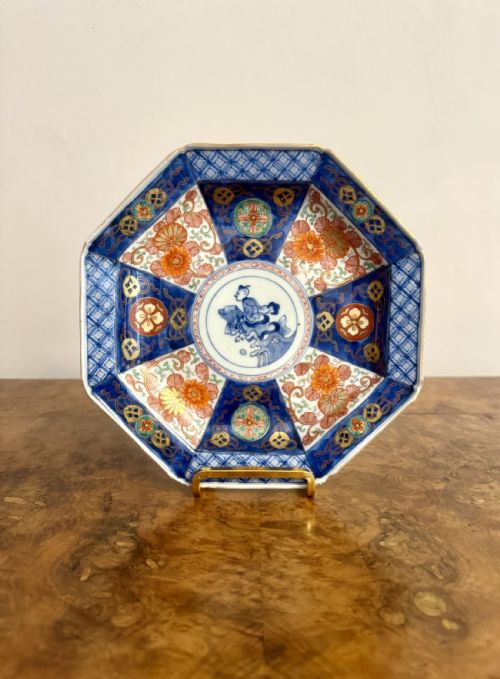
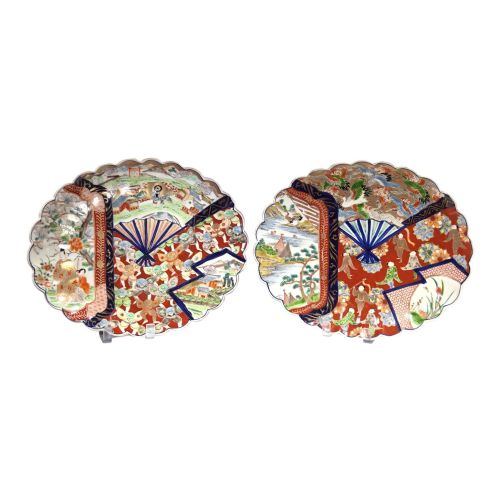
An arita imari porcelain charger is a broad decorative dish created in Japan, frequently found from the nineteenth century and the Meiji period. These large plates and chargers display traditional forms including round, scallop edge, hexagonal, square, and octagonal shapes.
How they were made
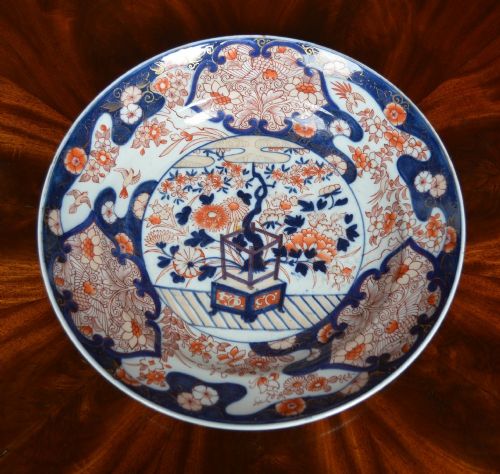
Potters shaped ceramic porcelain, applying cobalt pigment beneath the glaze for deep blue tones before firing. Artisans then added enamel colours and gold leaf or gilding over the glaze in intricate patterns.
Kiln workers utilised high heat to vitrify the ceramic body, allowing the gold gilt and enamel details to adhere securely to the glazed surface.
The listings show nineteenth century production alongside Meiji period examples, utilising porcelain, cobalt pigment, enamel, and gold leaf across diverse plate shapes.
What varies in quality
The distinction rests in the execution of the hand painted design, where precise brushwork on exotic birds, floral scenes, and koi carp demonstrates superior artisan skill. Unusual shapes such as fan or hexagonal forms demand greater moulding expertise than standard round dishes.
The richness of the enamel palette and the careful placement of gold leaf elevate certain examples above simpler blue and white production.
The Arita Imari Porcelain Charger Glossary
- Arita
- The Japanese town and surrounding district renowned for producing porcelain since the early modern period. Kilns here supplied domestic and export markets with decorated wares.
- Imari
- A traditional style of Japanese export porcelain named after the port from which the pieces were shipped. The aesthetic typically combines underglaze blue with iron red and gilt highlights.
- Meiji Period
- The era in Japanese history spanning from 1868 to 1912, associated with a surge in fine decorative arts exported to Western collectors. Pieces from this time often show complex enamelling.
- Cobalt Pigment
- A mineral colourant applied under the glaze to produce deep blue painted details on ceramic bodies. It withstands high kiln temperatures without fading.
- Gilding
- The application of gold leaf or gold gilt to highlight specific decorative elements on the porcelain surface. This technique adds reflective warmth to the finished charger.
Arita Imari Porcelain Charger: Frequently Asked Questions
How do I hang a heavy charger on the wall?
Heavy chargers require specialised wall fixings and a coated wire hanger that supports the entire rim securely without placing strain on the ceramic body.
Ensure the mounting anchor drills firmly into a wall stud rather than plaster alone to bear the substantial weight safely.
Can I use these chargers for serving food?
Historic chargers are intended for display and decorative use on walls or tables rather than daily dining service. Historic enamels and gold leaf can wear down with frequent washing and cutlery contact.
Keep these ceramic pieces strictly for visual appreciation to preserve the hand painted surfaces.
How should I clean my porcelain charger?
Dust the surface gently with a soft, dry brush or a microfiber cloth to remove everyday particles without disturbing the glaze. Avoid immersing antique pieces in water or using modern chemical detergents.
Moisture can seep into microscopic crazing lines and potentially damage old ceramic bodies.
How do I date a Meiji period piece?
Dating relies on stylistic markers recorded across the nineteenth century, including the complexity of the enamel palette and specific Meiji period export characteristics. Compare the painted motifs and baseline forms with documented examples from similar decades.
Markings on the reverse can occasionally offer further clues regarding the era of manufacture.