




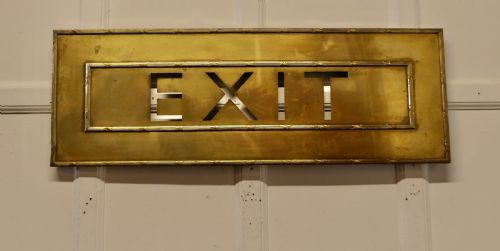

Architectural Salvage Sign
Architectural salvage sign pieces are original indicators from trade, street, and public spaces made in materials like glass, cast iron, and wood.
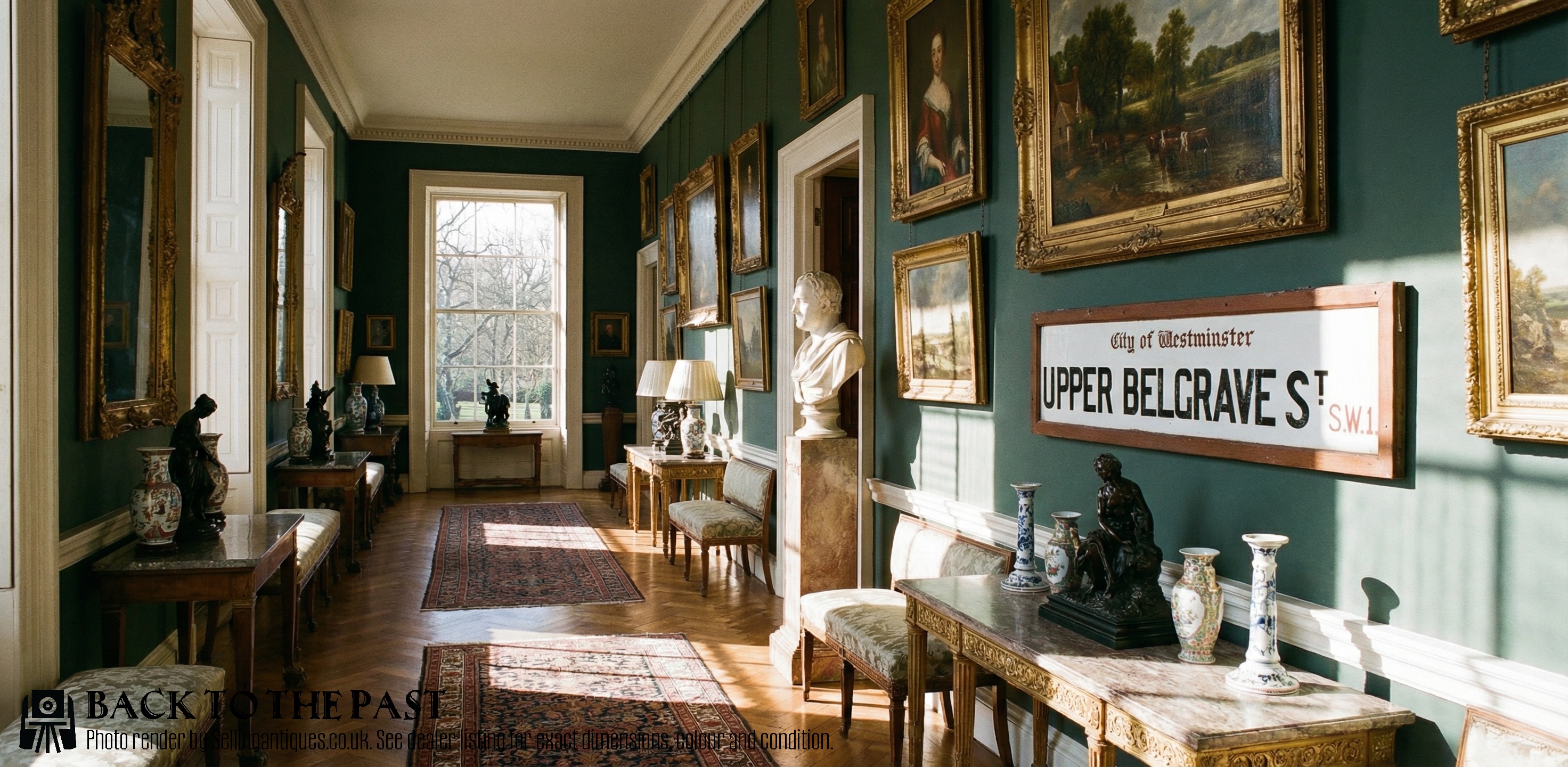
Architectural Salvage Sign
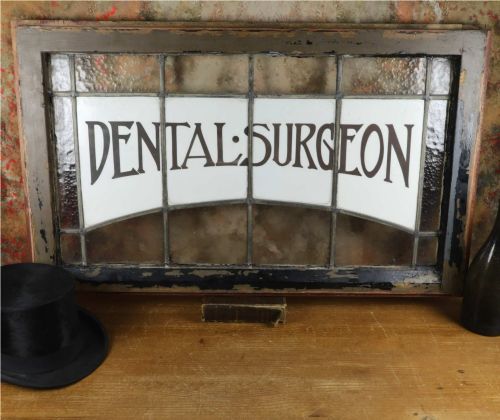
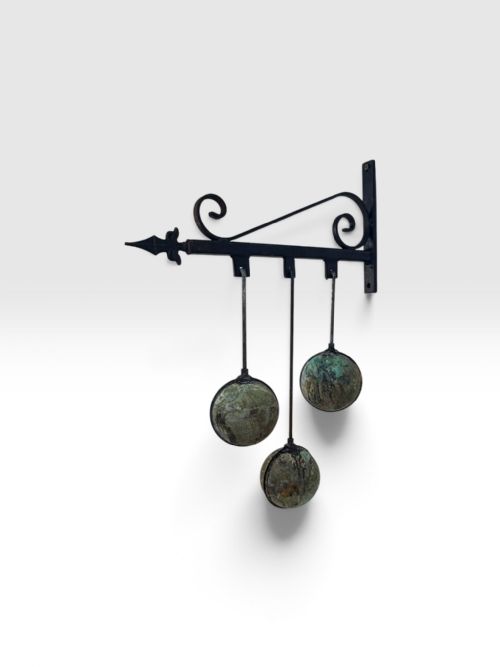
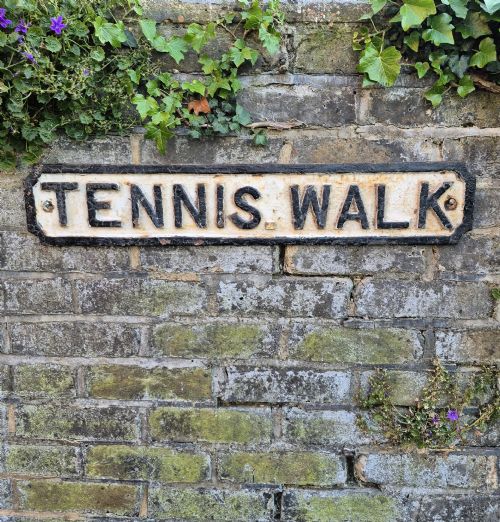
Architectural salvage sign selections encompass trade signs, wall plaques, street signs, and window panels from periods spanning the Georgian era through to the mid-twentieth century. Buyers encounter items ranging from Edwardian dentist practice window panels and pawnbroker trade signs to Victorian etched pub windows and vitriolite street signs.
The objects derive from commercial, municipal, and domestic settings, including confectionary shop panels, tobacco shop glass, and school of dancing exterior signs. These pieces reflect the functional streetscapes and shopfronts of nineteenth and early twentieth century Britain and Europe.
Materials and construction methods
Makers utilised glass, cast iron, painted wood, and metals such as brass, copper, and wrought iron to produce these functional markers. Glass panels frequently employ techniques like reverse cutting and etching, while metal pieces involve casting, painting, and relief lettering.
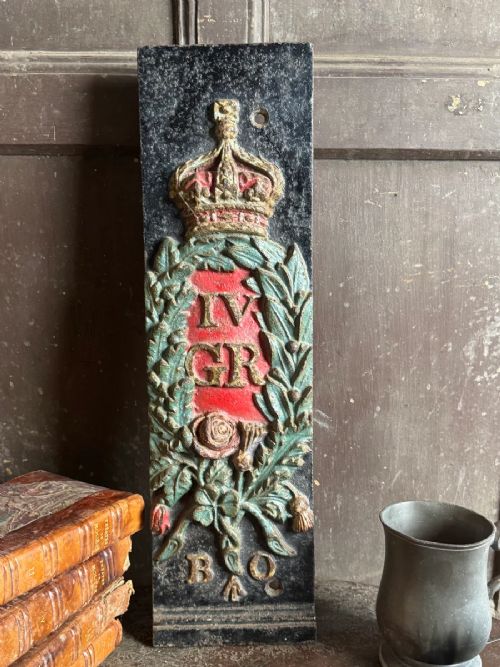
Durability governed construction, leading to heavy cast iron plaques, robust bronze hardware, and vitriolite glass designed to withstand external elements. Artisans applied hand-painted lettering and metallic finishes directly onto wood, iron, and glass substrates.
Architectural Salvage Sign Retail Price Guide 2026
Typical asking prices for architectural salvage sign among the pieces listed under this phrase on Sellingantiques today, from the lower quarter to the upper quarter. They describe what is for sale here now, not the wider market.
Gunton Hall servants must have dashed briskly when those six brass bell name plates rang.
Distinctions in quality and execution
The standard of an architectural salvage sign rests on the clarity of its lettering, the depth of glass cutting, and the crispness of metal casting. Finer examples display meticulous hand-painting, well-defined armorial or typographic detail, and intact original surfaces.
Survival of fragile components, such as delicate reverse-cut glass and original painted finishes, separates superior survivals from heavily restored or weathered alternatives. The integration of maker attributions or specific historical context further elevates the standing of an individual piece.
Gerwin & Co Birmingham
The Architectural Salvage Sign Glossary
- Vitriolite
- An opaque, pigmented structural glass popular in the early twentieth century for hygienic and durable shopfront fascias and street signs.
- Reverse cut glass
- A technique where lettering and decoration are carved into the back of a glass panel and gilded or painted, protecting the design from surface wear.
- Architectural plaque
- A durable marker, often in cast iron or bronze, fixed to a building to denote official authority, governance, or heritage.
- Trade sign
- A functional exterior or window indicator designed to advertise a specific profession, merchant, or establishment to the passing public.
Architectural Salvage Sign: Frequently Asked Questions
What periods do these signs cover?
The pieces span from the Georgian era through Victorian, Edwardian, and 1920s production periods, reflecting shifting commercial and municipal tastes.
Earlier examples often incorporate cast iron or hand-painted wood, while later Edwardian and twentieth-century items frequently utilise specialised glass techniques and enamel.
How were glass window signs made?
Glass shop window panels were typically reverse-cut, etched, or painted to ensure the design remained protected on the interior side of the glass.
This technique kept the signage legible from the street while shielding the decorative layers from weather and cleaning.
Where were trade signs originally displayed?
Traders and public houses mounted these signs on exterior brickwork, hung them from iron brackets above doorways, or fitted them directly into shop windows.
Internal placements also occurred, particularly for bell name plates, hardware sample boards, and office door indicators.
How do I care for a painted metal sign?
Metal signs require stable indoor environments free from moisture to prevent rust development on iron and corrosion on copper or brass elements.
Dusting with a dry, soft cloth preserves original painted surfaces without disturbing historic finishes.