







Black and White Sign
These black and white sign options offer striking monochrome presence, ranging from cast iron street names to early twentieth century prints.

Black and White Sign
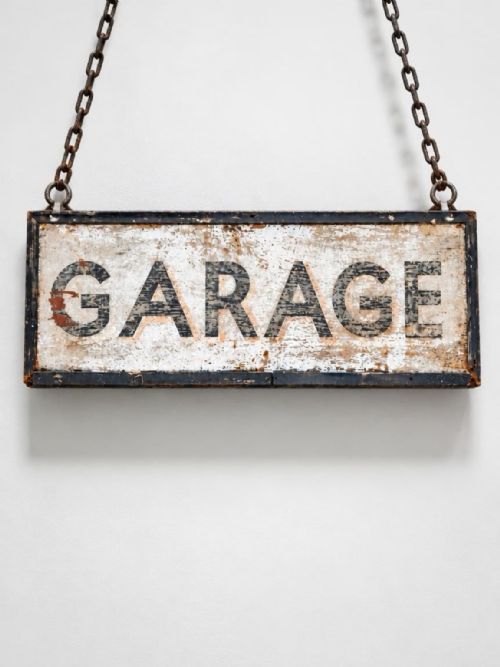
A black and white sign encompasses functional indicators like street names and railway notices alongside monochrome prints and etchings from the nineteenth and twentieth centuries. Buyers seeking this phrase encounter items spanning Victorian cast iron road markers, Edwardian glass plates, and early twentieth century industrial boards.
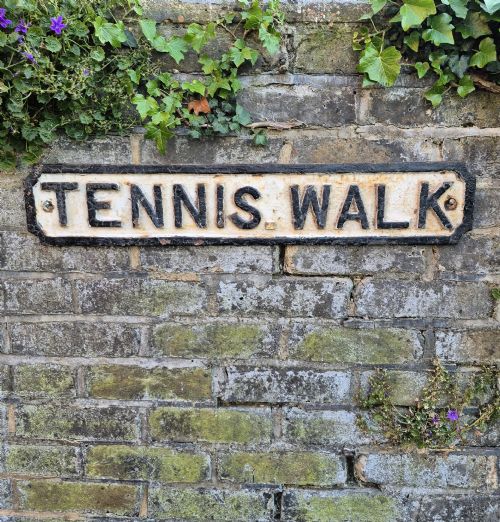
The most frequent examples on this page balance utility with graphic clarity, often utilising high contrast lettering on glass, cast iron, or painted wood. These pieces reflect diverse periods including the Victorian era, the nineteen twenties, and mid century modern design.
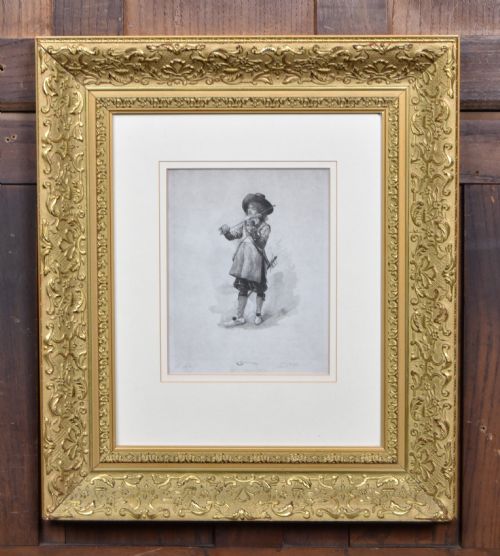
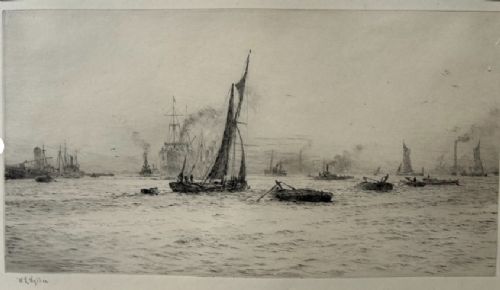
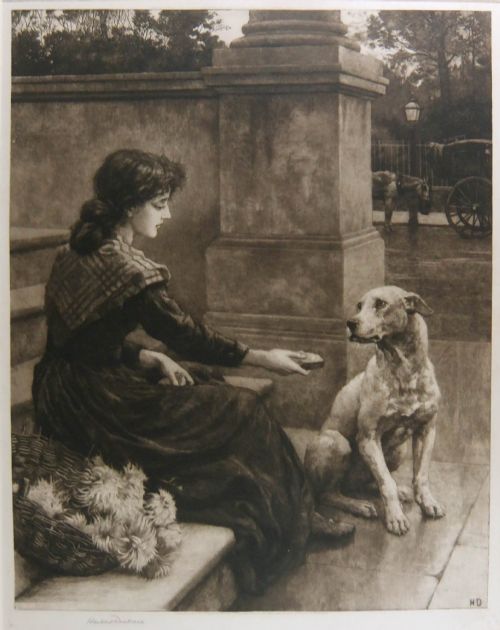
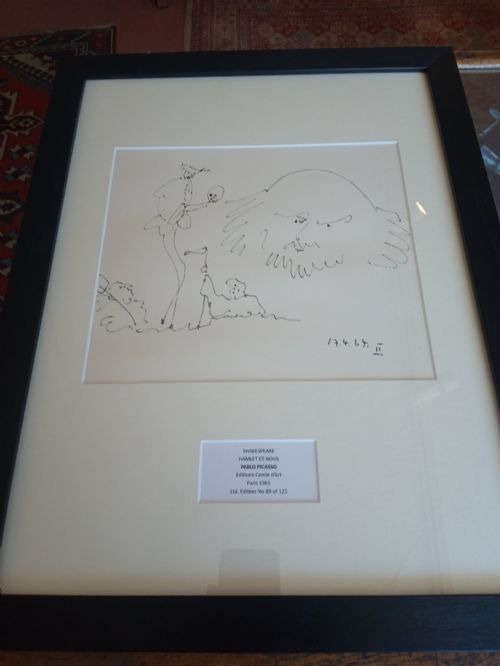
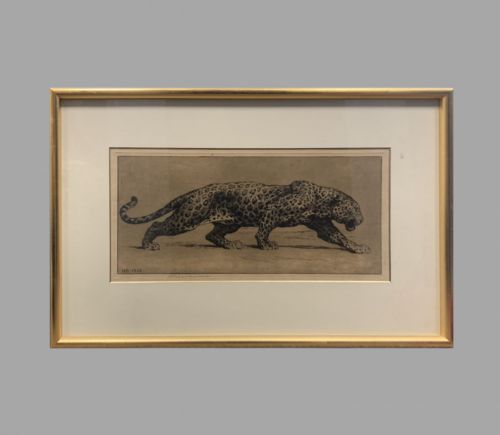
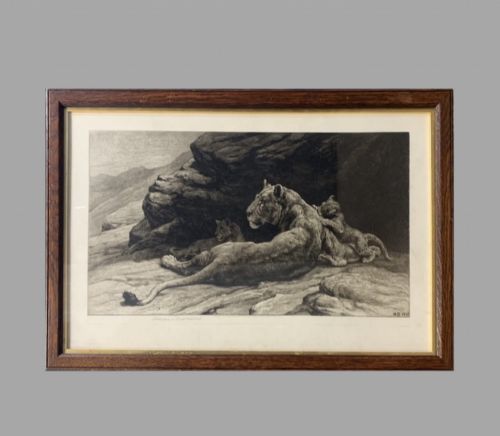
Beyond strict signage, the category extends to framed etchings and fine art prints that rely purely on dark inks and pale paper. Such works share the bold visual aesthetic of industrial notices while serving as decorative wall art.
Materials and construction methods
Metal signs rely heavily on durable cast iron, shaped for outdoor street deployment and finished with painted lettering. Glass examples, such as vitriolite panels, utilise smooth opaque surfaces paired with applied or fired text.
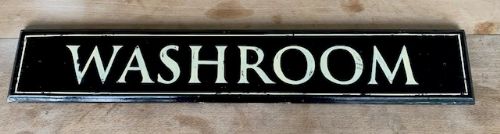
Printed works and etchings employ ink applied to paper, vellum, or glass plates, often signed by the artist. Wooden pieces combine hand-painted surfaces with natural grain, showing the wear of active washrooms or French butchers' shops.
Black and White Sign Retail Price Guide 2026
Typical asking prices for black and white sign among the pieces listed under this phrase on Sellingantiques today, from the lower quarter to the upper quarter. They describe what is for sale here now, not the wider market.
Distinctions in quality and execution
Quality rests in the legibility of the lettering, the preservation of the original paint or ink, and the integrity of the base material. Cast iron markers with crisp, deep relief casting stand apart from softer, worn examples.
For prints and etchings, the sharpness of the plate impression and the stability of the paper or vellum determine the standard. Original artist proofs command attention through the clarity of the line work and clean margins.
William Lionel Wyllie·Herbert Dicksee·Pablo Picasso·Smiths of London·Eduardo Giolli
The Black and White Sign Glossary
- Etching
- A printmaking process where acid bites lines into a metal plate to hold ink. This technique produces fine, highly detailed monochrome lines seen across many framed works.
- Cast iron
- A strong, heavy alloy poured into moulds to create rigid objects. It forms the robust foundation for heavy duty street and railway markers.
- Vellum
- A fine parchment prepared from calfskin used as a durable printing surface. It offers a smooth, creamy texture that accepts delicate ink impressions.
- Vitriolite
- An opaque structural glass popular for architectural signage. It provides a glossy, wipe clean surface favoured for early twentieth century public notices.
- Drypoint
- An intaglio printmaking method where a sharp needle scratches directly into metal. The resulting burr creates a rich, velvety line when inked.
Black and White Sign: Frequently Asked Questions
How do I hang a heavy cast iron sign?
Heavy metal signs require secure wall anchors and load bearing screws matching the weight of the piece. Ensure fixings engage directly with structural studs or solid masonry.
Position the sign at eye level where the mounting points can safely distribute the downward force without straining the surrounding wall.
Are paper prints sensitive to light?
Paper prints and etchings are vulnerable to fading when exposed to direct sunlight over long periods. Framing them behind UV protective glass preserves the dark ink tones.
Keep monochrome artworks away from humid environments like kitchens or bathrooms to protect the paper fibres and vellum from warping.
How do I clean an antique glass sign?
Clean antique glass and vitriolite surfaces gently with a soft, damp cloth and mild soap. Avoid harsh chemical sprays that might lift original painted lettering.
Dry the surface immediately with a lint free cloth to prevent moisture seeping into any cracked edges or mounting frames.
What period do street signs usually date from?
Street signs on this page typically originate from the late nineteenth century through to the nineteen twenties. Cast iron and glass variants reflect the municipal standards of the Victorian and Edwardian eras.
Look at the typeface style and the mounting brackets to help determine whether a piece belongs to the nineteenth or twentieth century.