





Vintage Glass Signage
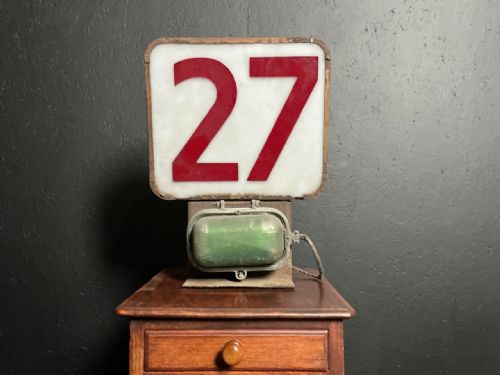
Vintage glass signage brings brilliant hand-painted lettering and rich shop-front history straight into your interior.
Vintage Glass Signage
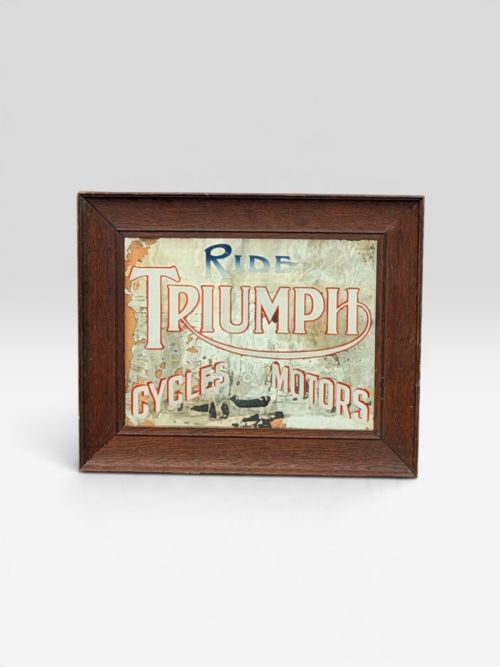
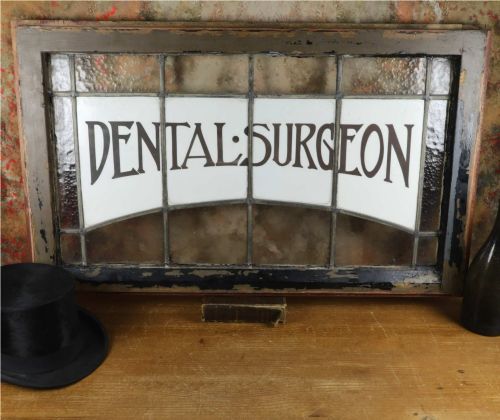
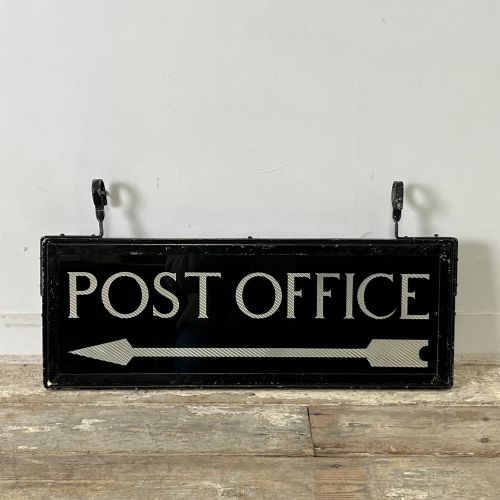
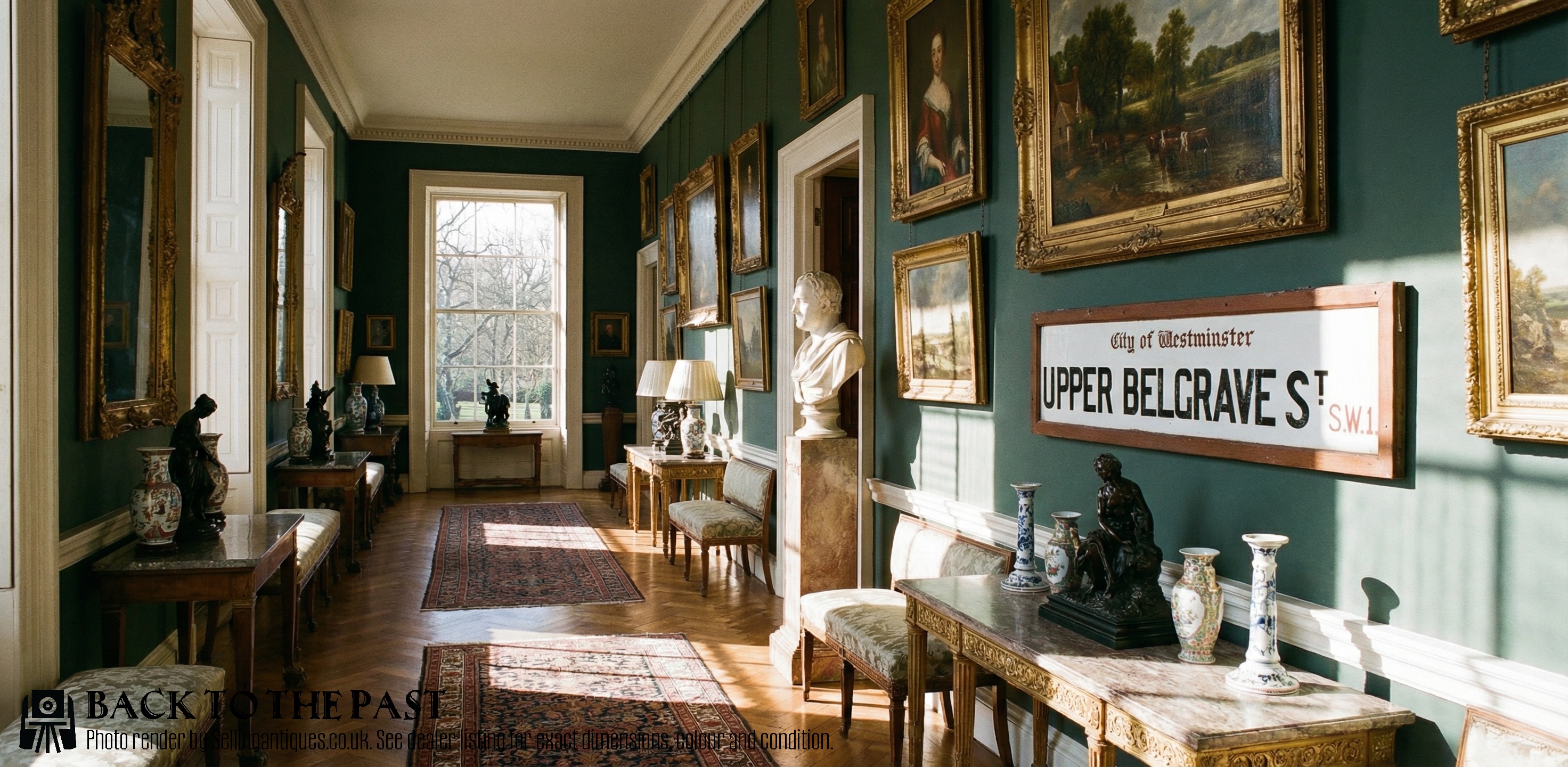
Vintage glass signage encompasses trade signs, wall signs, and architectural salvage produced across the Edwardian era and the early twentieth century. These pieces record commercial and civic life through surviving examples made for dental surgeons, post offices, and confectionary shops.
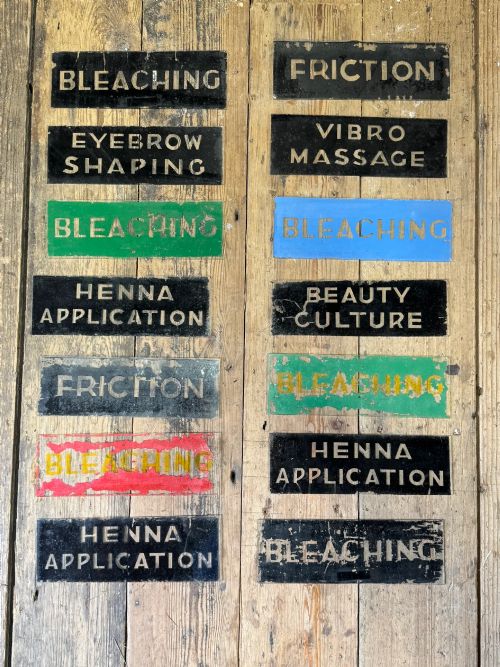
You are most likely to encounter shop signs and window panels featuring reverse-painting or gold leaf techniques. Surviving formats range from framed trade notices to double-sided direction signs and vitriolite street markers.
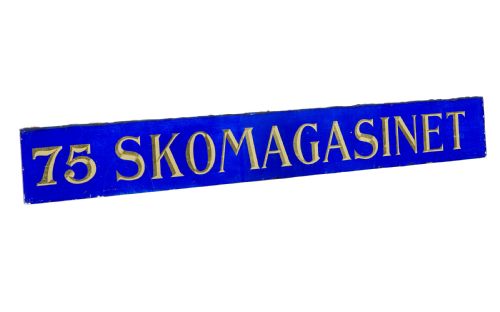
The aesthetic bridges several distinct movements, moving from Victorian and Edwardian formality through to Art Deco and industrial salvage. Scandinavian blue glass variations also appear among these early shop fixtures.
Materials and construction methods
Makers utilised glass as the primary canvas, frequently combining it with paint, gold leaf, and foil applied via reverse techniques to protect the lettering from damage. Lead and enamel details often completed the decorative finish.
Support structures relied heavily on wood frames, iron mounts, and occasional rustic reflectors to mount these panels securely onto shop windows and interior walls.
Vintage Glass Signage Retail Price Guide 2026
Typical asking prices for vintage glass signage among the pieces listed under this phrase on Sellingantiques today, from the lower quarter to the upper quarter. They describe what is for sale here now, not the wider market.
The inventory spans the Edwardian period, nineteen-hundreds, nineteen-tens, nineteen-twenties, and nineteen-thirties.
Assessing quality in antique signs
Quality rests upon the complexity of the glasswork, such as reverse-cut detailing and the careful application of gold leaf rather than plain surface paint. The survival of original wooden frames and mounting hardware also elevates a piece.
The distinctiveness of the trade subject matter shapes desirability, moving from standard direction markers to specific historical professions and humorous vernacular phrasing.
The Vintage Glass Signage Glossary
- Reverse-painted glass
- A technique where lettering and design are applied to the back of the glass panel so the image reads correctly from the front. This method protects the pigment from weathering.
- Vitriolite
- An opaque pigmented structural glass popular in early twentieth-century architecture and street signage. It provides a glossy, durable surface.
- Gold leaf
- Hammered gold beaten into extremely thin sheets and applied to the glass surface for lettering or highlights. It creates a luminous, metallic reflection.
- Architectural salvage
- Building elements and fixtures rescued from demolished or remodelled structures. These items are preserved for decorative reuse.
Vintage Glass Signage: Frequently Asked Questions
How were vintage glass signs originally displayed?
These signs were hung in shop windows, mounted above doorways, or installed as directional notices in public buildings and commercial establishments.
They often relied on wooden frames, lead cames, or iron brackets to secure the glass panels safely in high-traffic positions.
What periods do these signs date from?
The available pieces span from the Edwardian era through the nineteen-twenties and nineteen-thirties.
Design characteristics shift from ornate Victorian and Edwardian typography towards clean Art Deco lines and industrial salvage aesthetics.
How do I clean and care for reverse-painted glass?
Care requires gentle dusting with a soft dry cloth and avoiding all chemical window cleaners or abrasive materials.
Because the paint sits behind the glass on many pieces, moisture must be kept away from the exposed rear edges and wooden frames.
Are these signs suitable for outdoor display?
Most antique glass signs were designed for protected interior shop environments or sheltered window settings rather than exposed exterior walls.
Weather and moisture can degrade old paint, foil, and wooden frames if left unprotected outdoors.