









Vintage Enamel Plaque
These vintage enamel plaques span utilitarian trade signs and intricate decorative chargers from the Victorian era to the mid-twentieth century.
Vintage Enamel Plaque
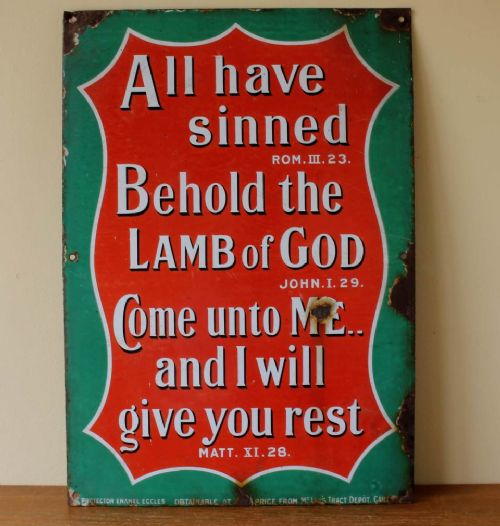
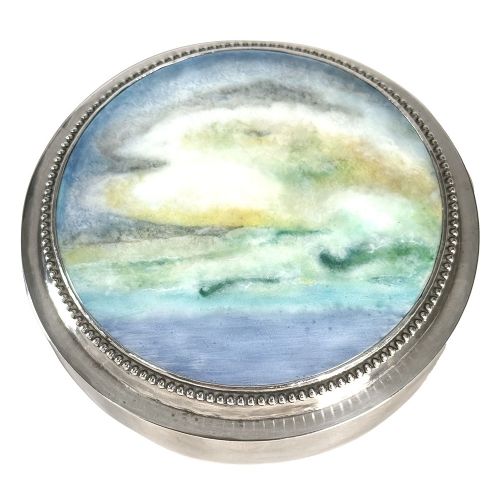
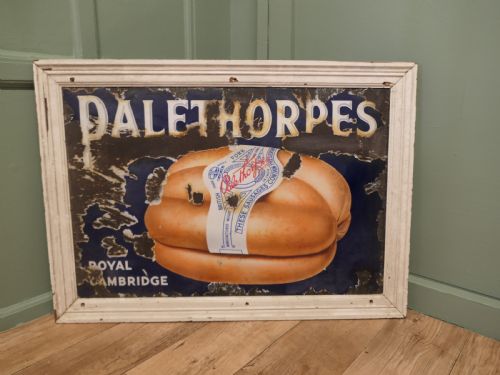
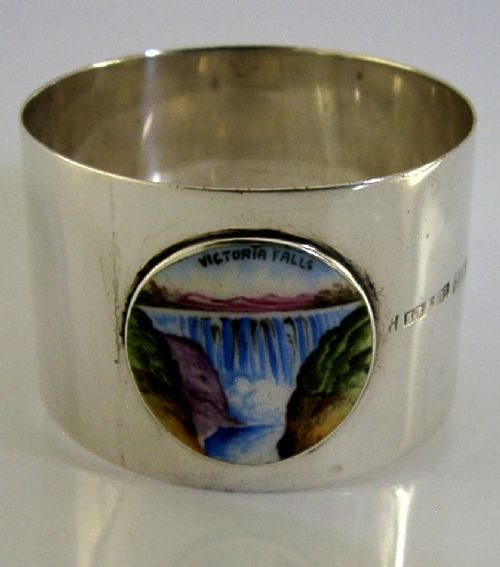
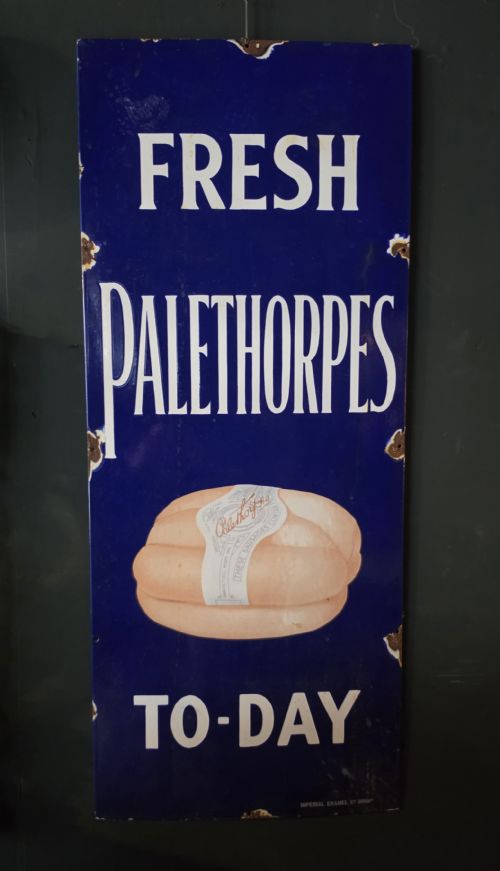
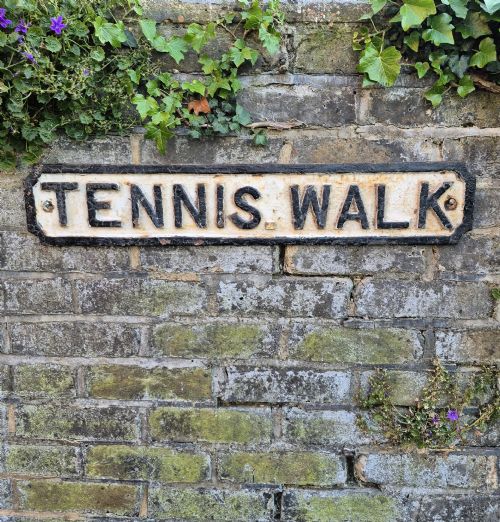
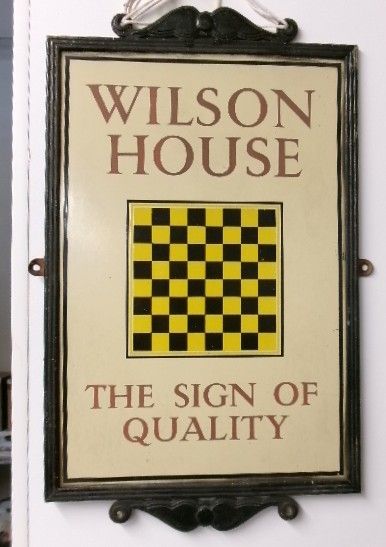
A vintage enamel plaque covers a diverse group of objects, ranging from utilitarian street names and shop trade signs to decorative chargers and Japanese cloisonne plates. Buyers seeking a vintage enamel plaque encounter robust advertising signs from the nineteenth and twentieth centuries alongside delicate Meiji period metalwork.
The selection includes railway station notices, pharmacy trade signs, and food brand advertisements made from iron, sheet metal, and copper. Alongside these commercial pieces sit ornamental trays and wall plaques featuring birds, dragons, and floral motifs.
Origins stretch from Georgian and Victorian Britain to late Edo and Meiji period Japan, encompassing Edwardian public notices and 1930s industrial advertising. This variety allows collectors to choose between bold graphic utility and meticulous artisan craft.
How they were made
Vitreous enamel pieces rely on fusing powdered glass to a metal base, typically iron, copper, or sheet steel, under high heat. This creates a hard, glossy surface capable of withstanding outdoor exposure for commercial signage.
Japanese cloisonne examples utilise thin metal wires soldered to a copper or brass foundation to form cells, which are then filled with coloured enamel pastes before firing and polishing. Other items combine enamel with wood frames, brass fittings, or vitriolite glass.
Signage relies on bold stencilling or screen-applied typography in contrasting colours to ensure legibility from a distance. Decorative chargers achieve their depth through multiple firings and meticulous hand-polishing of the metallic wires and glass pastes.
Vintage Enamel Plaque Retail Price Guide 2026
Typical asking prices for vintage enamel plaque among the pieces listed under this phrase on Sellingantiques today, from the lower quarter to the upper quarter. They describe what is for sale here now, not the wider market.
The inventory combines British industrial trade signs and street markers with Japanese cloisonne plates and decorative trays.
What varies in quality
Quality separates mass-produced utility signage from bespoke artistic commissions through the precision of the firing process and the crispness of the lettering or pictorial detail. Finer pieces maintain deep, saturated colour tones without excessive pitting or warping in the metal base.
The complexity of the design heavily influences the standard of the piece, particularly in Japanese cloisonne where finer wirework and balanced pictorial composition denote superior skill. Commercial signs achieve higher status when pictorial elements remain sharp and the original framing or mounting survives intact.
The Vintage Enamel Plaque Glossary
- Vitreous Enamel
- A material made by fusing powdered glass to a substrate by firing, usually at high temperatures. This produces a durable and glossy protective coating.
- Cloisonne
- An ancient technique for decorating metalwork objects with coloured material held in place by metal wires. These wires form partitions or cells across the surface.
- Charger
- A large decorative plate or tray used primarily for display rather than service. These items often feature detailed pictorial scenes.
- Vitriolite
- An opaque structural glass used for signage and architectural panelling during the early twentieth century. It provides a smooth, polished alternative to metal.
- Pictorial Sign
- An advertising plaque featuring illustrated graphics or character artwork rather than text alone. These pieces were designed to catch the eye in retail settings.
Vintage Enamel Plaque: Frequently Asked Questions
How do I hang a heavy enamel sign?
Heavy enamel and iron signs require secure wall anchors and fixings matched to the weight of the metal base. Mounting brackets should support the lower edge while protecting the mounting holes from further stress.
Avoid tightening screws directly against the enamel surface to prevent chipping or cracking around the fixing points.
What is the difference between signs and chargers?
Enamel signs served commercial or municipal functions, communicating public notices, street names, and brand advertising to passers-by. They prioritise bold typography and durable iron or sheet metal construction.
Chargers are decorative vessels meant for display, often originating from Japanese workshops and utilising delicate copper bases with intricate wirework designs.
How do I clean an antique enamel plaque?
Gentle cleaning with warm water and a mild detergent removes surface grime without harming the glossy vitreous surface. Soft cloths prevent scratching on both the metal edges and the glass coating.
Harsh chemical solvents and abrasive scourers must be avoided to protect original lettering and prevent corrosion on exposed iron or copper.
How can I tell the period of a sign?
Dating relies on typography styles, manufacturing techniques, and the specific companies or municipal bodies named on the piece. Edwardian and Victorian examples often feature distinct serif lettering and heavy iron plates.
Later pieces from the 1920s and 1930s introduce streamlined sans-serif fonts and pictorial branding associated with mid-century commerce.