





Vintage Door Plaque
These vintage door plaque examples offer an authentic slice of everyday history, bringing genuine character and practical signage into your home.
Vintage Door Plaque
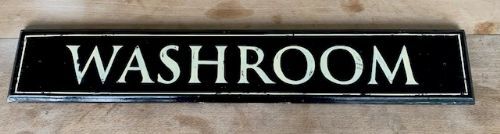
When you search for a vintage door plaque, you are looking at functional architectural salvage and signage that once directed people in railways, washrooms, schools, and streets. The examples available here span the nineteenth century through the nineteen-twenties, covering diverse practical applications from public telephone notices to railway gate warnings.
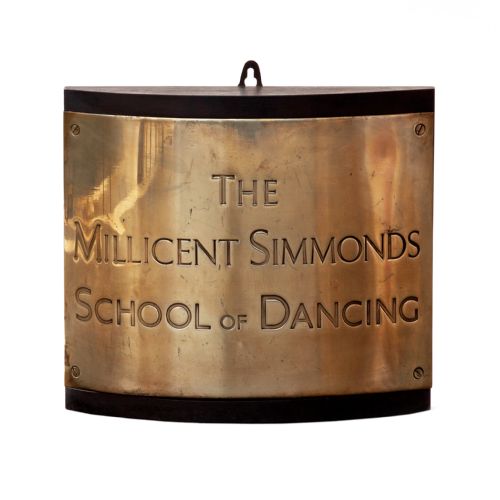
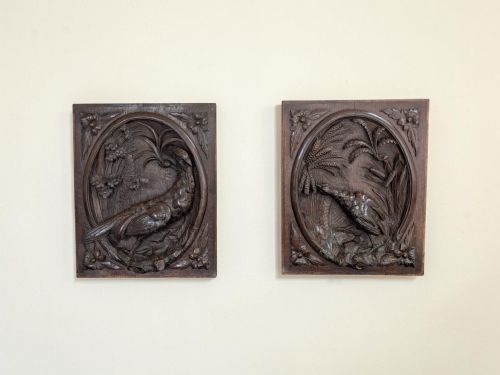
You are most likely to meet cast iron, enamel, and wooden pieces bearing original lettering or hand-painted details. These items range from industrial metal notices to finely carved oak door panels and decorative bronze plates, reflecting both utilitarian municipal needs and traditional craftsmanship.
How they were made
Metal items like railway and telephone signs utilise durable cast iron or sheet metal finished with vitreous enamel or hand-applied paint to withstand heavy public exposure. This method fused glass particles to metal at high temperatures, creating robust signage designed to endure harsh weather.
Wooden forms rely on traditional joinery and hand-carving techniques, particularly evident in oak panels and architectural woodwork. Artisans shaped these materials using hand tools to create raised reliefs and decorative details such as ram heads or traditional motifs.
Vintage Door Plaque Retail Price Guide 2026
Typical asking prices for vintage door plaque among the pieces listed under this phrase on Sellingantiques today, from the lower quarter to the upper quarter. They describe what is for sale here now, not the wider market.
Railway passengers in nineteen-ten were firmly reminded to shut the gate by robust cast iron.
What varies in quality
The standard of a vintage door plaque depends heavily on the clarity of its original lettering and the preservation of its surface finish, whether enamel or paint. Crisp typography and intact vitreous enamel distinguish higher-grade utility pieces from those with heavy surface loss.
For carved wooden and cast bronze examples, quality rests in the depth and sharpness of the artisan's handiwork. Deeper, more expressive carving and well-preserved metal casting separate standard production items from finer architectural elements.
The Vintage Door Plaque Glossary
- Architectural salvage
- Building elements and fixtures removed from older structures for reuse. These items preserve original materials and historical character.
- Vitreous enamel
- A material made by fusing powdered glass to a substrate by firing. This creates a glossy, durable coating resistant to wear.
- Cast iron
- An iron-carbon alloy poured into a mould to form rigid shapes. It provides exceptional durability for exterior signage.
- Carved panel
- A flat piece of wood shaped with cutting tools to form decorative reliefs. These often feature traditional motifs or animal forms.
Vintage Door Plaque: Frequently Asked Questions
Can enamel signs be cleaned safely?
Enamel signs respond well to gentle washing with warm water and mild soap to remove accumulated surface dust and grime. Avoid abrasive scouring pads or harsh chemical cleaners that can dull the glossy vitreous surface.
Pat the metal completely dry with a soft cloth afterwards to prevent any moisture accumulation around exposed edges.
How do I identify the period of a door plaque?
Dating relies on examining the manufacturing materials, typeface styles, and the specific context of the wording, such as railway company names. Victorian pieces often feature heavier cast iron or detailed hand-carved woodwork, while nineteen-twenties items frequently employ bright enamel.
Comparing the typography against known historical commercial fonts helps narrow down the decade of production.
Where should I display carved wooden panels?
Carved wooden panels look best mounted directly onto plain walls where their three-dimensional relief details can catch natural light. Keep them away from direct heat sources and strong sunlight to protect the aged timber.
Interior placement helps preserve the historical patina and prevents excessive temperature fluctuations from drying out the wood.