

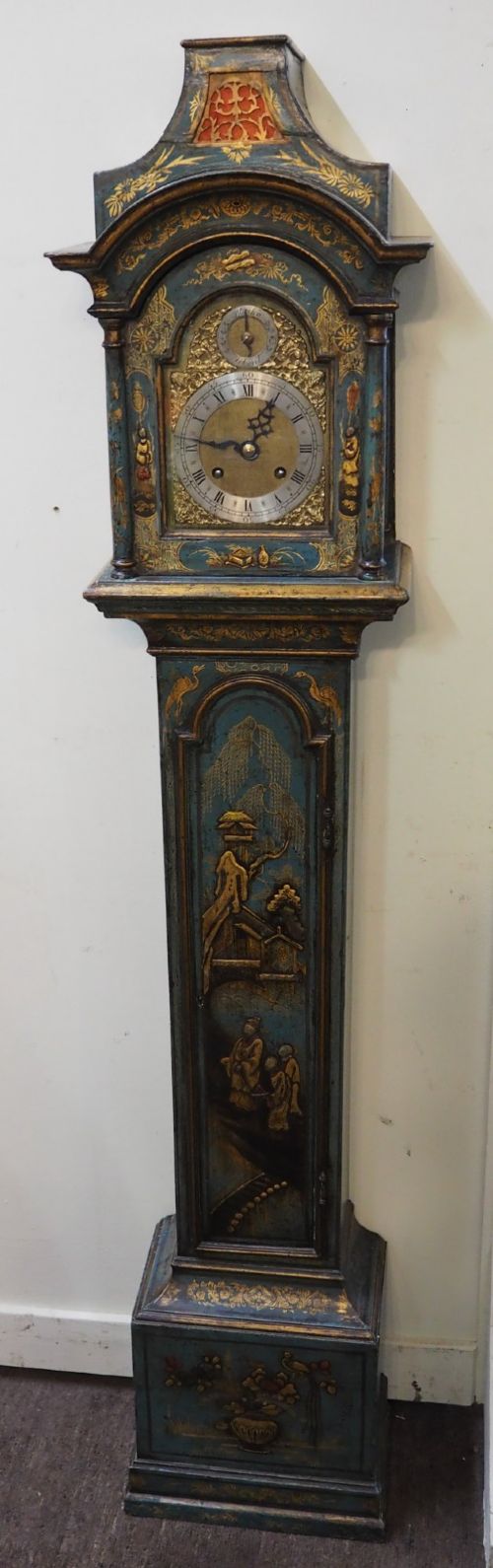
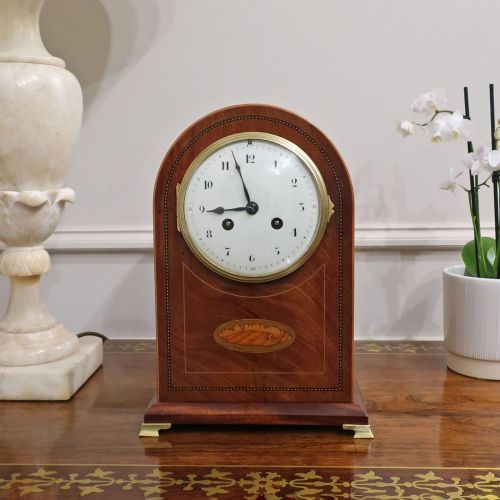
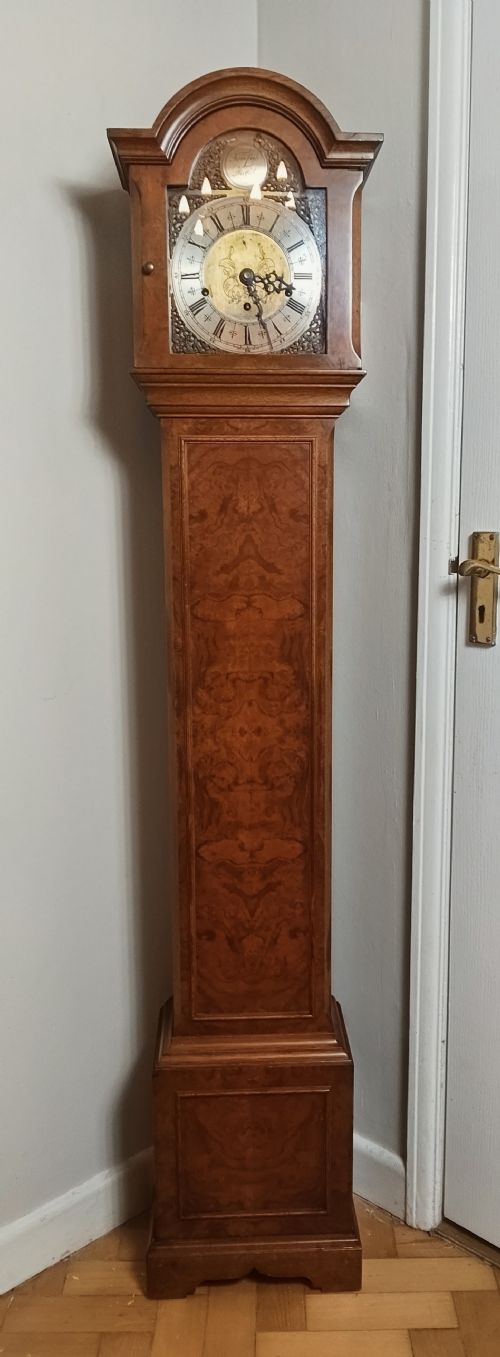
Arched Brass Dial Clock
An arched brass dial clock brings traditional movement and metalwork into a room, spanning tall floor cases and compact mantel pieces.

Arched Brass Dial Clock
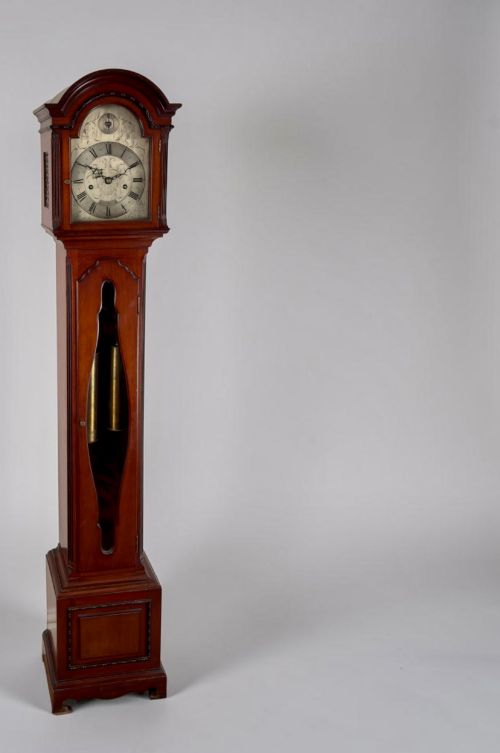
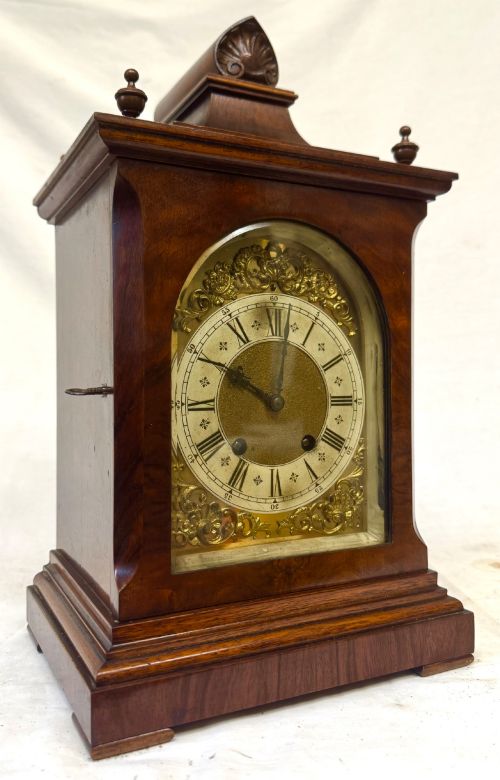
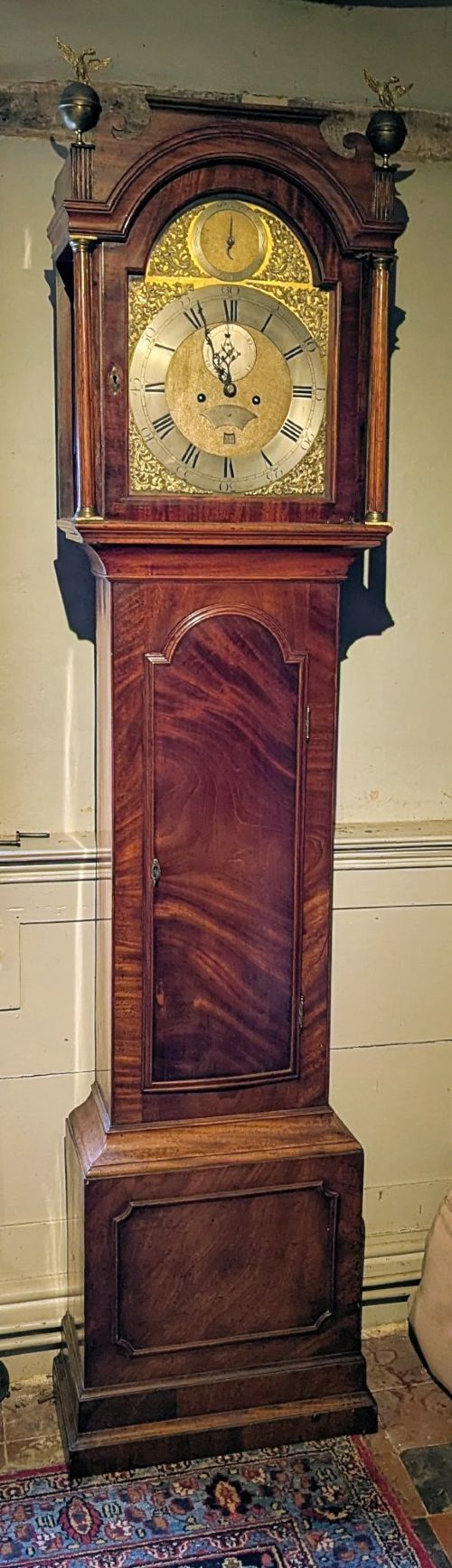
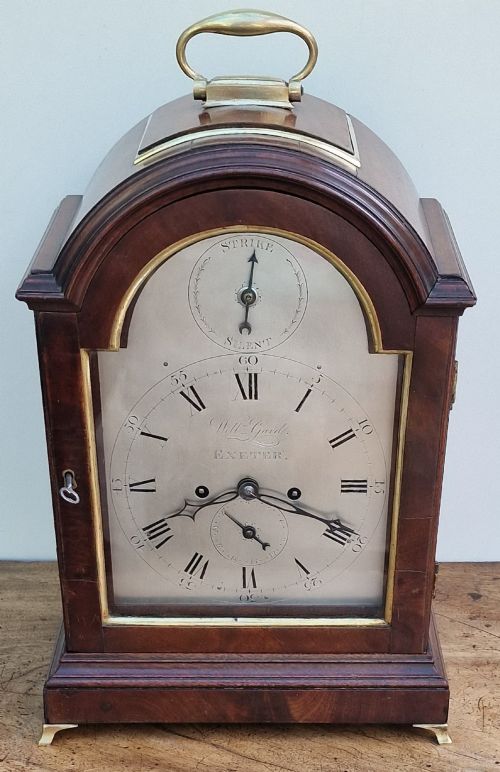
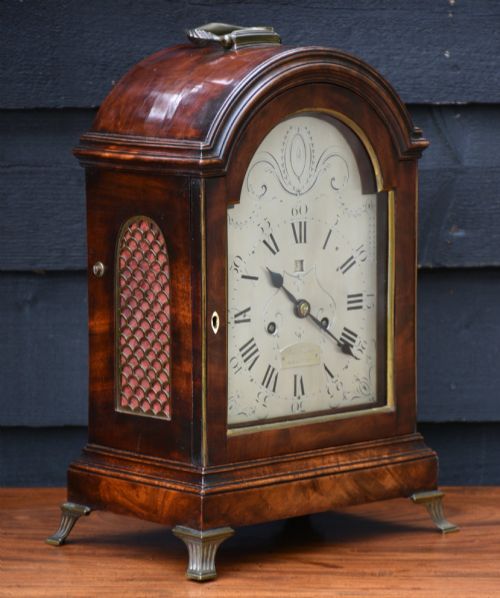
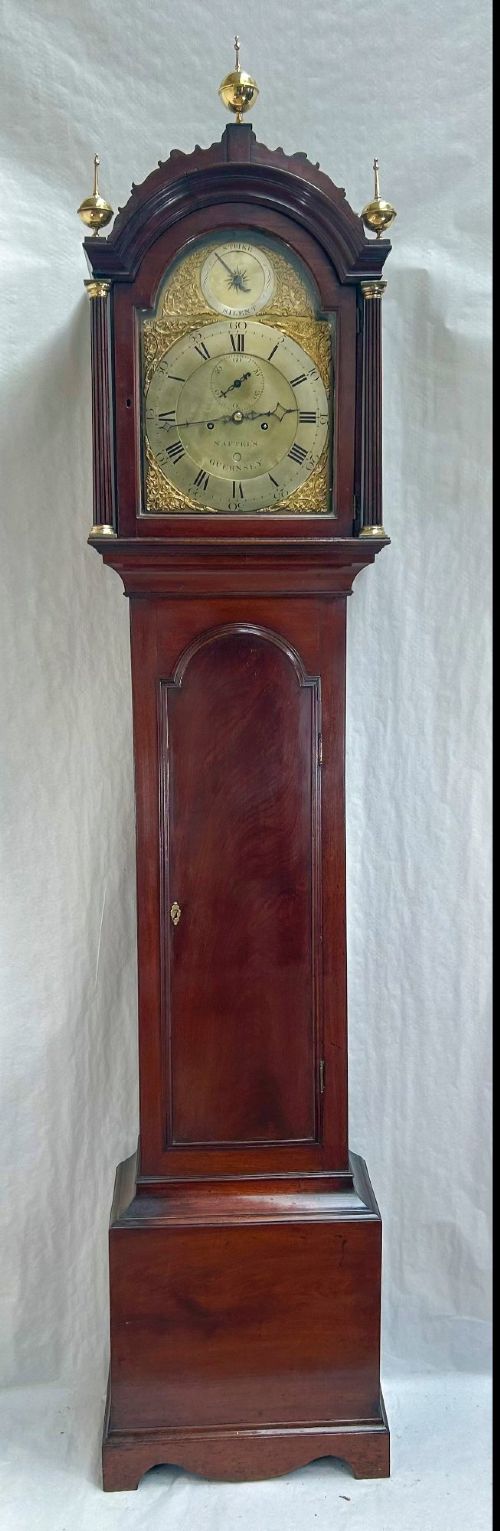
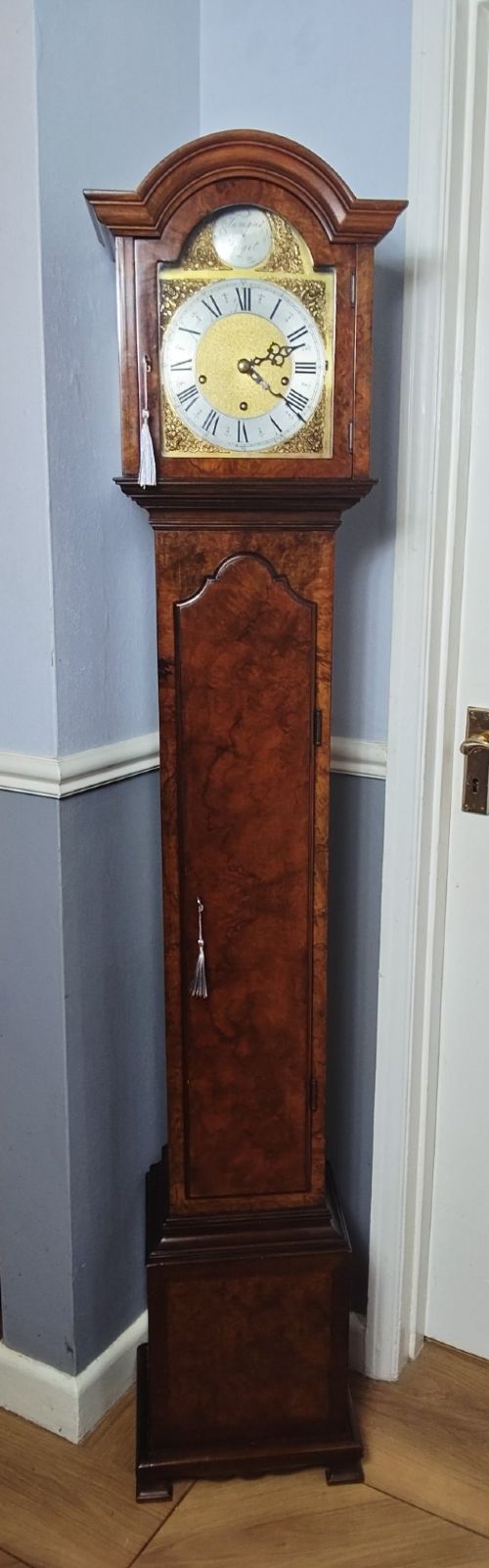
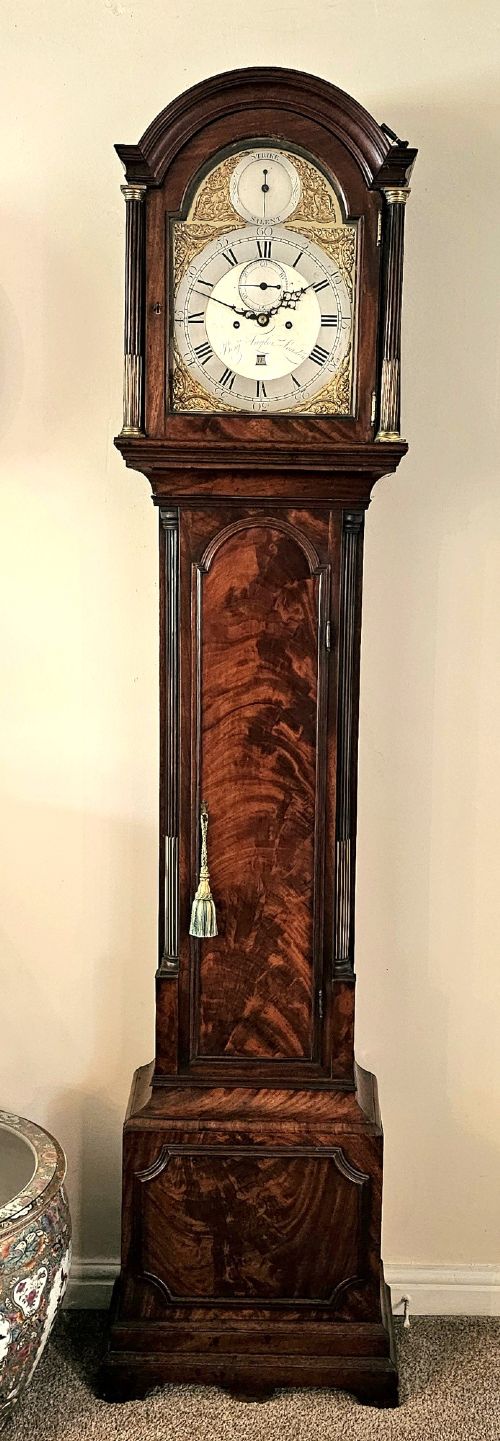
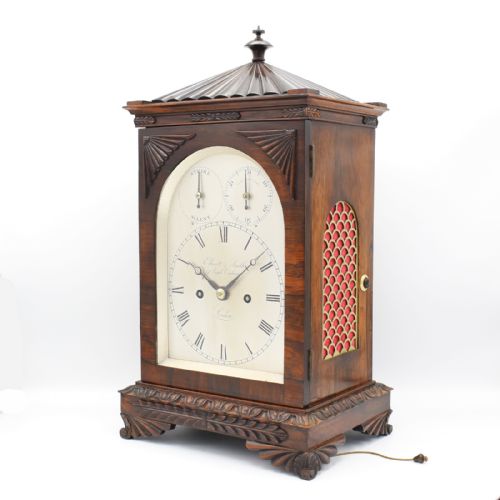
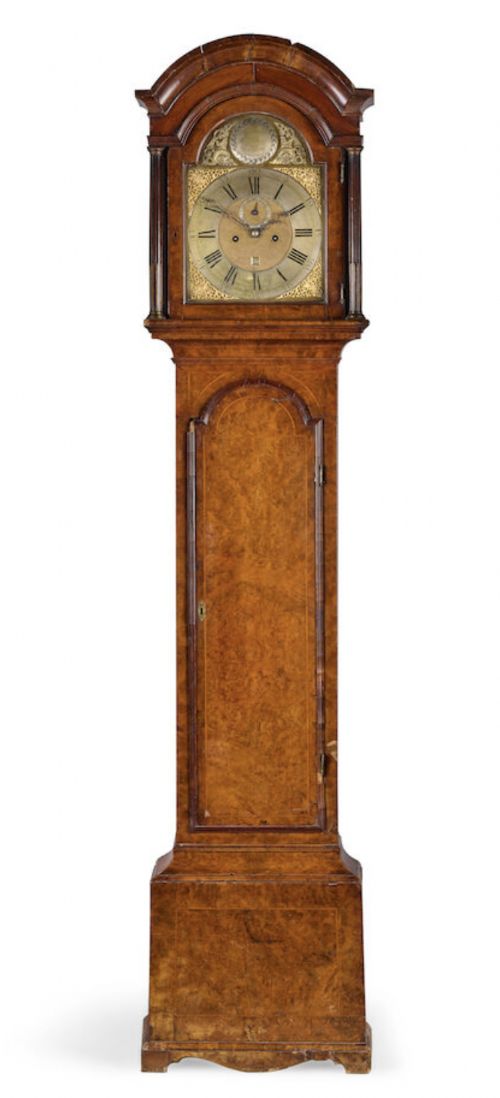
An arched brass dial clock appears across several distinct forms, most commonly housed in longcase grandfather and grandmother enclosures, or resting on brackets and mantels.
The evidence shows examples stretching from the eighteenth century through the Georgian, Victorian, and Edwardian periods up to the nineteen-thirties, reflecting centuries of domestic timekeeping.
How they were made
Clockmakers cast and engraved brass for the arched faces, applying silvering and intricate corner spandrels while mounting steel hands and complex mechanical movements behind the glass.
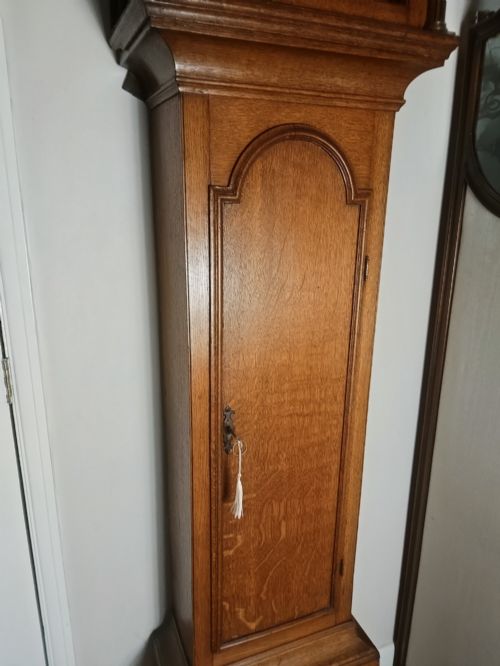
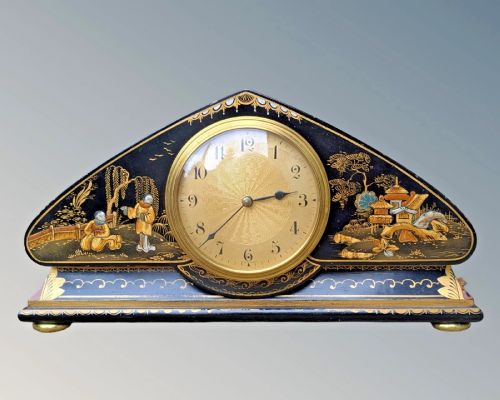
Cabinetmakers built the wooden housings using native and imported timber, selecting figured mahogany, burr walnut, and plain oak, frequently incorporating flame veneers and lacquer finishes.
Arched Brass Dial Clock Retail Price Guide 2026
Typical asking prices for arched brass dial clock among the pieces listed under this phrase on Sellingantiques today, from the lower quarter to the upper quarter. They describe what is for sale here now, not the wider market.
Listings feature movements housed in oak, mahogany, walnut, and lacquer, spanning the eighteenth, nineteenth, and twentieth centuries.
What varies in quality
The refinement of the brass engraving and the crispness of the cast spandrels separate standard production from superior examples on the face itself.
In the housing, the choice of timber figure, such as well-matched burr walnut or figured mahogany veneer, together with the joinery of the hood and trunk, dictates the standing of the piece.
Gillett & Johnston of Croydon·James Field of Hempstead·Lenzkirch·William Gard·Benjamin Taylor·Ellicott & Smith·Windmills and Wightman·Priory of Dundee Scotland·Benj Reeves Lamberhurst·Des Granges of London·James Tregent of London·Junghans
The Arched Brass Dial Clock Glossary
- Arched dial
- A clock face featuring a rounded semicircular top section above the main square chapter ring. This curved upper space often houses a moving moonphase mechanism or subsidiary regulation dial.
- Longcase clock
- A tall freestanding weight-driven timepiece housed in a wooden trunk with a base and a glazed hood. Also known as a grandfather or grandmother clock depending on its overall height.
- Bracket clock
- A portable spring-driven timepiece originally designed to sit on a wall bracket or table. These pieces often feature brass carrying handles on top of wooden cases.
- Spandrel
- An ornamental metal corner piece fixed to the dial surrounding the chapter ring. These cast brass elements changed in design from cherubs to rococo scrolls across different decades.
Arched Brass Dial Clock: Frequently Asked Questions
What is an arched brass dial clock?
An arched brass dial clock is a timepiece featuring a metallic face with a rounded top, housed in timber cases ranging from tall floor-standing longcases to smaller mantel and bracket formats.
These pieces rely on weight-driven or spring-driven movements to operate hands, chimes, and occasionally lunar phase displays.
How do I tell an 18th-century clock from a later one?
Eighteenth-century examples typically display engraved brass brass dials with cast corner spandrels, housed in solid oak or mahogany longcase trunks made by regional and London makers.
Nineteenth and twentieth-century versions often introduce burr walnut veneers, different chime selections, and alternative formats like mantel or grandmother clocks.
Where should I place a longcase clock?
Longcase clocks require a stable, level floor and a secure wall fixing to ensure the pendulum swings plumb and the weight-driven mechanism runs accurately.
Position the case away from direct heat sources and damp walls to protect the timber housing and internal brass movement.
What does strike and silent mean?
Strike and silent refers to a mechanism lever that allows the owner to turn off the hour-striking train without stopping the clock's timekeeping.
This function appears on Georgian and later movements to prevent the striking bells or gongs from sounding during the night.