


Antoine Louis Barye
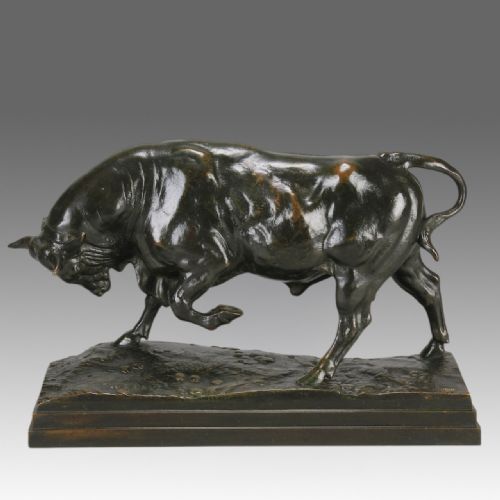
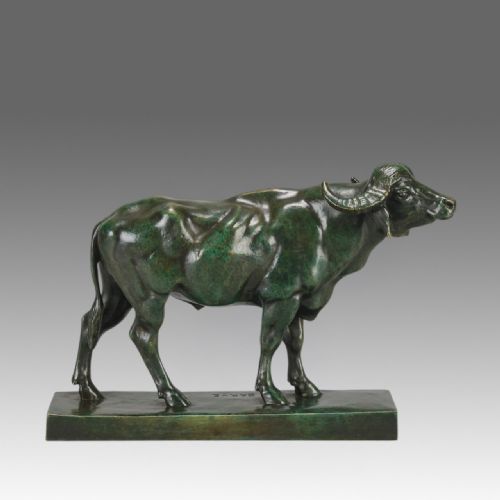
Antoine louis barye bronzes capture the muscular power of the animal kingdom through French nineteenth century animalier sculpture.
Antoine Louis Barye
Antoine louis barye works are nineteenth century French animalier sculptures depicting subjects such as lions, jaguars, bulls, deer and dogs. These pieces capture realistic animal anatomy and naturalistic movement through dynamic poses.
The objects on this page take the form of tabletop sculptures and statues cast in bronze. They frequently feature detailed patination and rest upon timber bases or marble plinths.
What varies in quality
Quality depends upon the sharpness of the bronze cast and the subtlety of the surface patination, whether dark patina, gilt bronze or ormolu. Finer examples retain crisp musculature and clear signature details.
The choice of mount and the presence of established foundry marks like Barbedienne contribute significantly to the distinction between standard and exceptional pieces.
Antoine Louis Barye·Barbedienne
The Antoine Louis Barye Glossary
- Animalier
- A nineteenth century artistic movement focused on the realistic depiction of animals. This style defines the sculptural work associated with French bronze casting of the period.
- Patinated bronze
- Bronze treated with chemical solutions to produce a surface colour. Dark patinas are characteristic of nineteenth century animalier casts.
- Ormolu
- Finely ground high-carat gold applied to bronze in a mercury amalgamation process. This technique provides rich gilded highlights on sculptural details.
- Timber base
- A wooden support beneath a sculpture. These bases elevate the bronze figure for tabletop display.
Antoine Louis Barye: Frequently Asked Questions
What is an animalier bronze?
An animalier bronze is a nineteenth century sculptural work focused on realistic animal subjects. These pieces range from large predatory cats to domestic dogs.
Created primarily in France, these sculptures celebrate the accurate observation of wildlife and anatomy through metal casting.
How should I display a bronze sculpture?
These sculptures suit placement on tables, desks or mantelpieces where their three dimensional forms can be appreciated from multiple angles.
Ensure the piece rests on a stable surface, utilising its existing timber base or marble plinth for secure placement.
How do I identify a Barbedienne cast?
Foundry marks stamped into the bronze surface typically indicate production by the Barbedienne firm. These marks record the commercial casting of the sculptor's model.
Such foundry attribution confirms the piece as a production from a notable nineteenth century bronze foundry.
What subjects appear in these sculptures?
Subjects include wild animals such as lions, jaguars, panthers, bulls and deer in active or resting postures. Domestic animals like dogs also feature prominently.
Each depiction emphasises natural movement, anatomical precision and realistic tension in the animal's form.