
Bronze Animalier Ornament
Bronze animalier ornament captures naturalistic wildlife and domestic animals, offering collectors tactile realism in durable metal.
Bronze Animalier Ornament
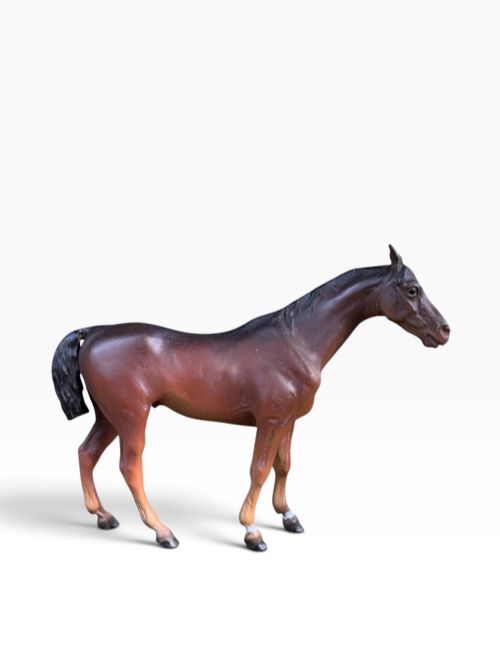
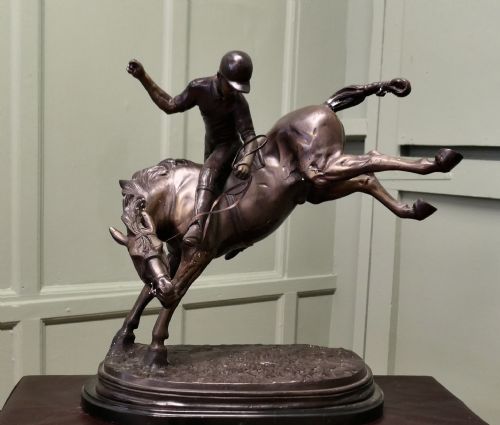
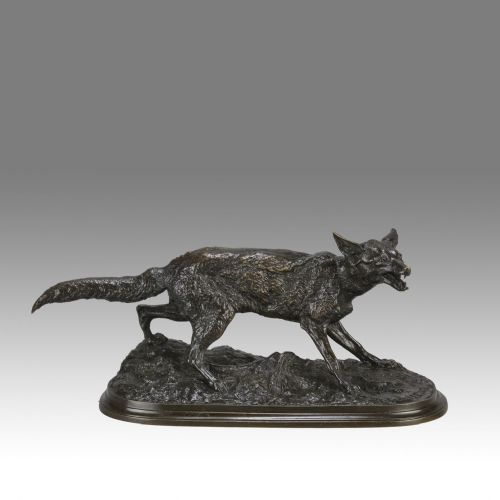
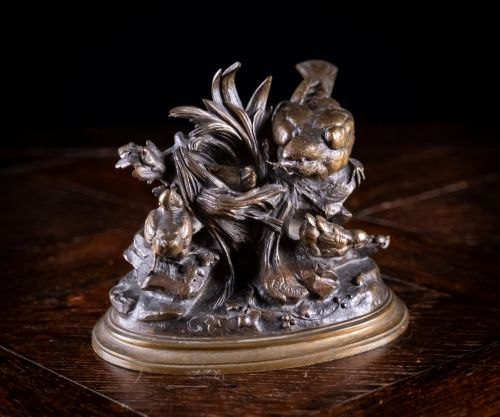
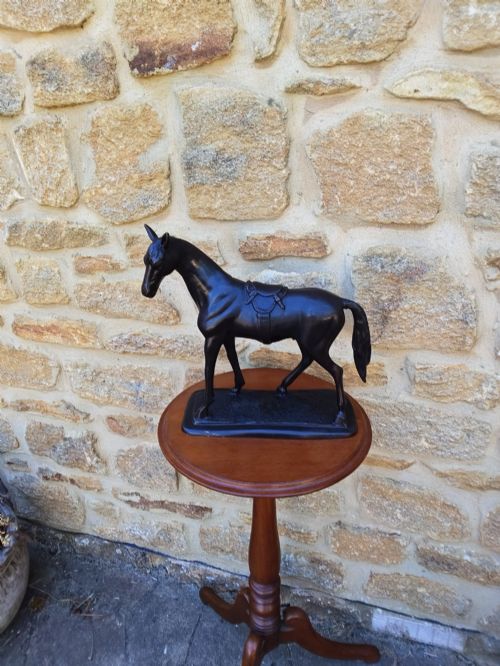
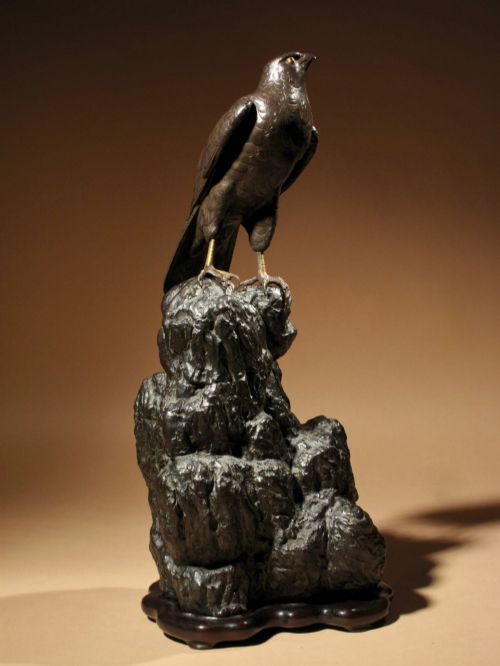
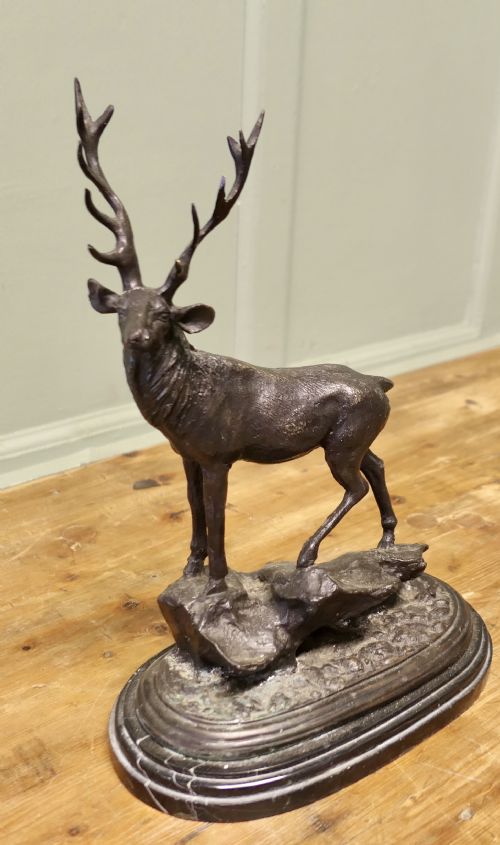
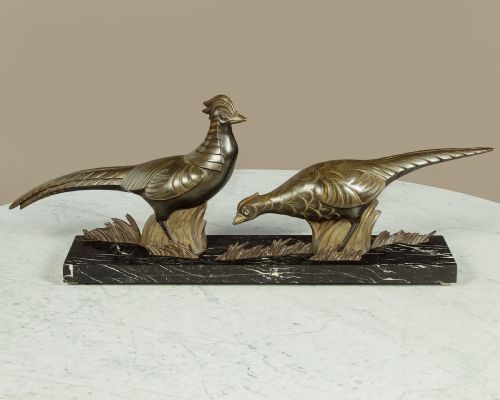
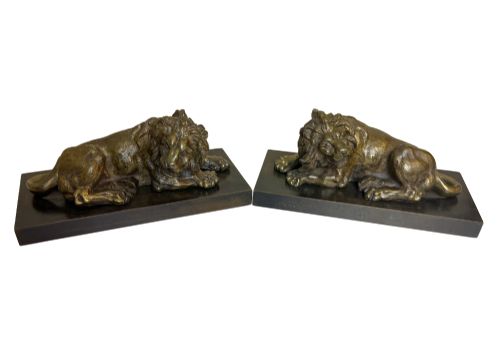
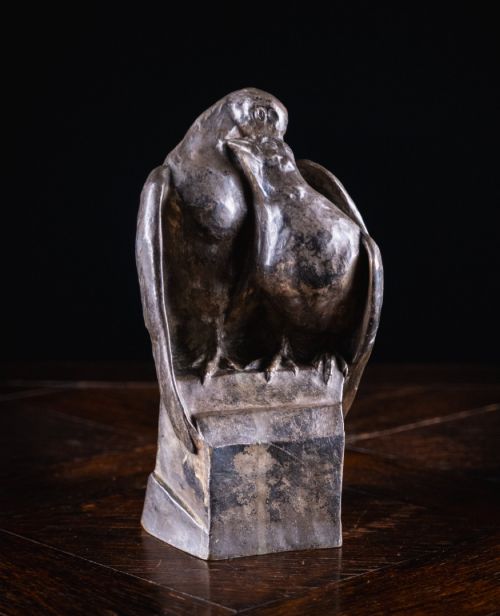
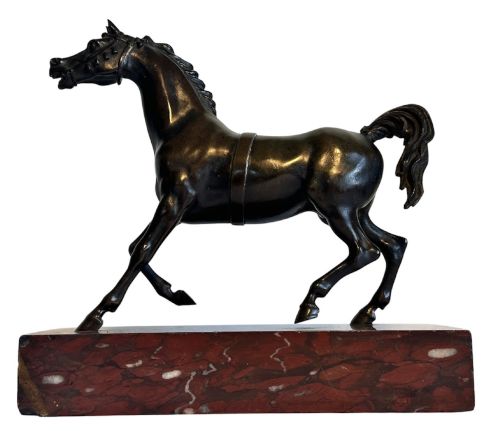
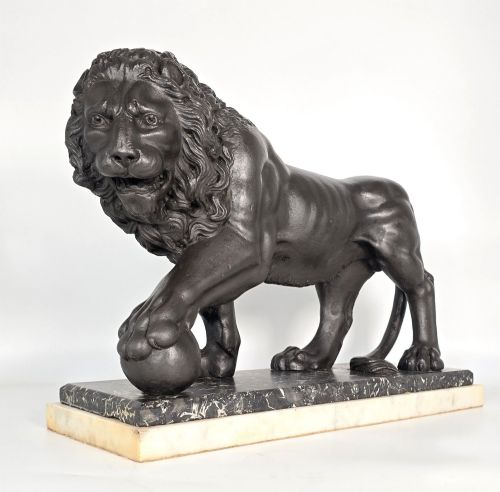
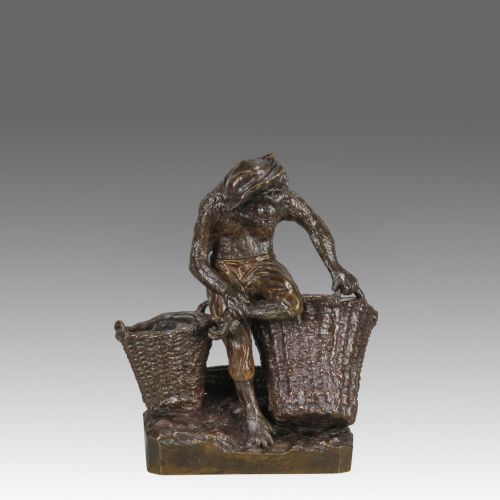
A bronze animalier ornament depicts animals in realistic poses, ranging from resting lions and prowling big cats to birds, stags and dogs. These works span the nineteenth and twentieth centuries, encompassing Victorian, French animalier and Art Deco styles.
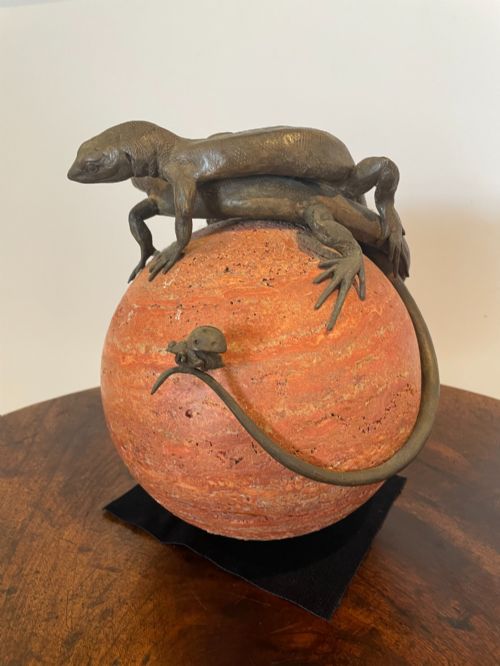
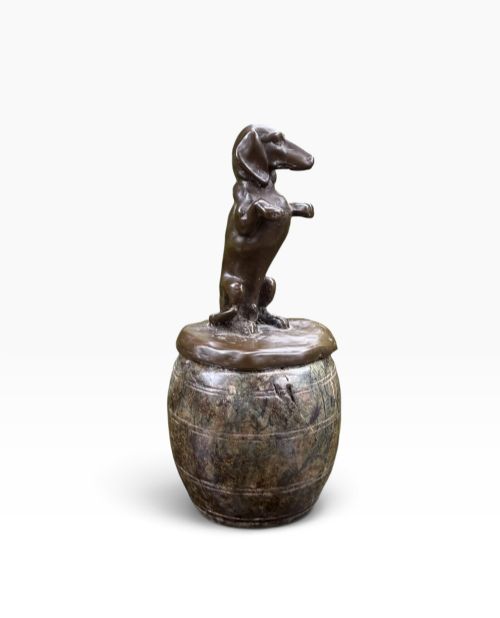
Most examples found here combine cast metal with a heavy stone base such as marble, onyx or slate. Subjects vary from domestic dogs and farm horses to exotic birds and predatory beasts caught mid-movement.
The aesthetic stems from nineteenth-century European casting traditions, shifting toward sleek geometric lines by the Art Deco period. Pieces often bear signatures or foundry marks on the cast base.
Materials and construction
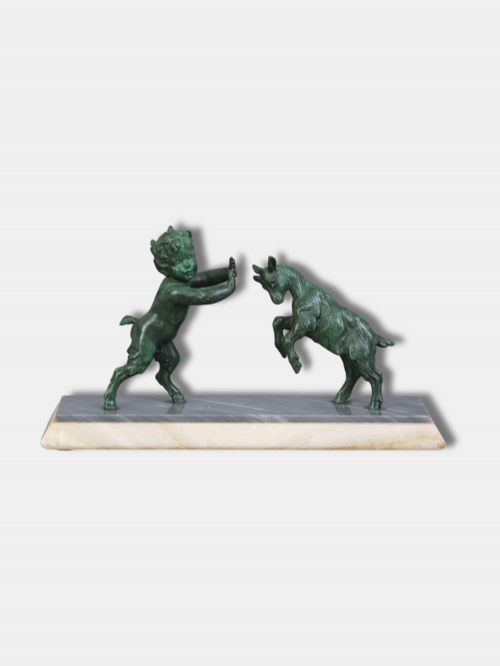
Foundries utilised traditional metal casting methods, pouring molten alloy into moulds to capture fine fur, feather and musculature detail. Artisans then finished the surface using patination techniques to produce dark brown, green or gilded finishes.
Many sculptures incorporate secondary elements like ivory tusks, stone plinths or cold-painted pigments applied directly to the metal. Bases of marble, onyx and wood provide structural stability for heavy figures.
Materials recorded across the inventory include patinated bronze, gilt bronze, marble, onyx, stone and wood.
Evaluating craftsmanship and detail
Quality rests in the crispness of the chasing and the fidelity of the anatomical rendering, where superior casts preserve muscle tension and pelt texture clearly. The integration between the animal figure and its stone or marble plinth indicates thoughtful workshop assembly.
Defined patination and legible signatures or foundry stamps elevate an example by demonstrating authorized production and careful post-casting handwork.
P J Mêne·Christophe Fratin·Emile Carlier·Antoine Louis Barye·Alfred Barye·Dora Heber·Franz Bergman·Pierre Jules Mene·Charles Crozatier·Jules Moigniez·Victor Peter·Isadore Bonheur·Louis Riche
The Bronze Animalier Ornament Glossary
- Animalier
- A nineteenth-century artistic movement focused on the realistic depiction of animals. Practitioners studied live subjects in menageries to achieve anatomical accuracy.
- Patina
- The surface coloration and sheen developed naturally over time or applied chemically by the foundry. This finish protects the underlying metal while enhancing visual depth.
- Cold-painted bronze
- A technique where polychrome oil or enamel paint is applied to a cold metal surface rather than fired in a kiln. This method requires careful sealing to prevent chipping.
- Ormolu
- Gilt bronze produced by applying a finely ground mercury and gold amalgam to metal and heating it. The process creates a rich golden decorative surface.
Bronze Animalier Ornament: Frequently Asked Questions
What is an animalier bronze?
An animalier bronze is a small sculptural work depicting animals with close attention to natural anatomy and behaviour. These pieces gained popularity across Europe during the nineteenth century.
Artists observed wildlife directly, capturing creatures in motion or repose with realistic textures and postures.
How do I display these ornaments?
These ornaments suit stable flat surfaces like sideboards, desks and mantelpieces where their weight and stone plinths receive adequate support. Placing them away from direct heat sources protects any applied patina or painted details.
Keep them in dry indoor environments to prevent moisture accumulation on the metal surface.
Are these sculptures signed?
Many examples feature artist signatures or foundry marks cast directly into the metal base or inscribed near the paws and hooves. These markings help identify the creator and the studio responsible for the casting.
Unsigned pieces remain common, often reflecting commercial workshop production from the same periods.
What materials are used besides bronze?
Sculptures frequently incorporate marble, onyx, slate and wood for the mounting bases that support the heavy metal figures. Some variations include cold-painted pigments, gilt finishes or inlaid materials like ivory.
These combined elements provide contrast and stability to the composition.