



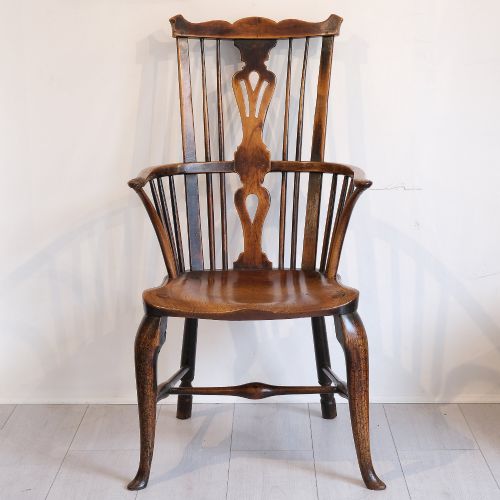
Antique Yew Armchair
An antique yew armchair brings warmth and robust character to a room, grounding the space with centuries of vernacular craftsmanship.
Antique Yew Armchair
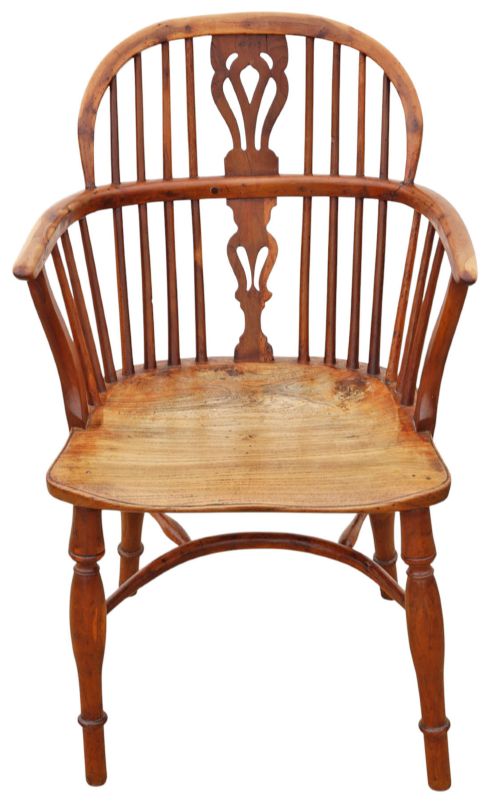
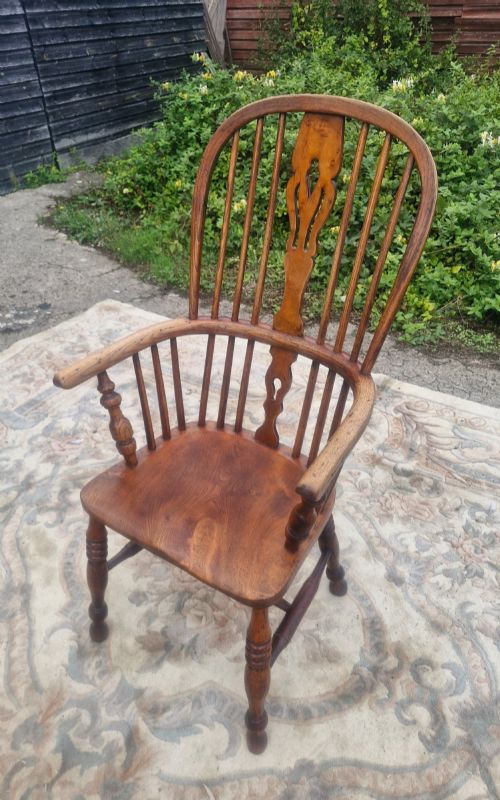
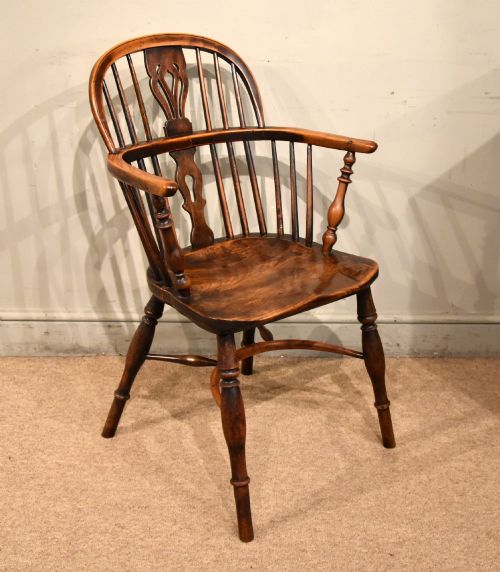
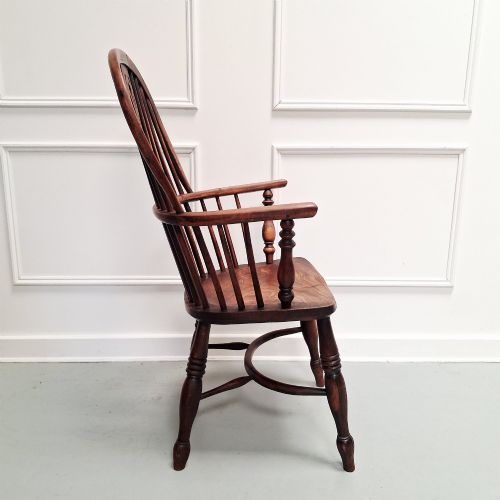
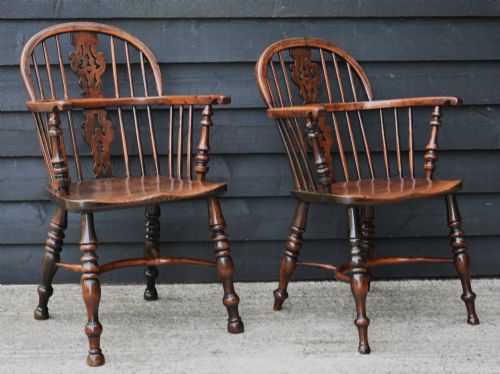
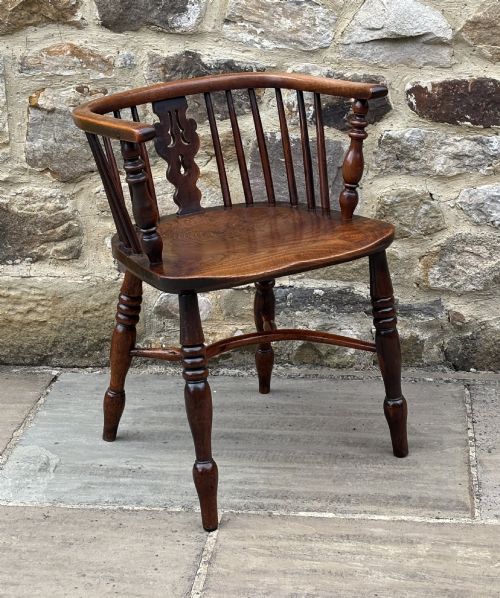
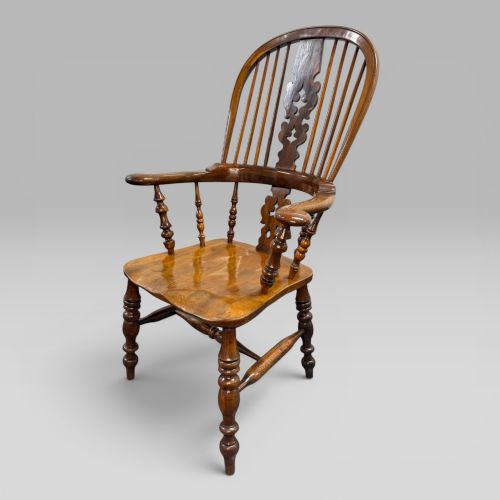
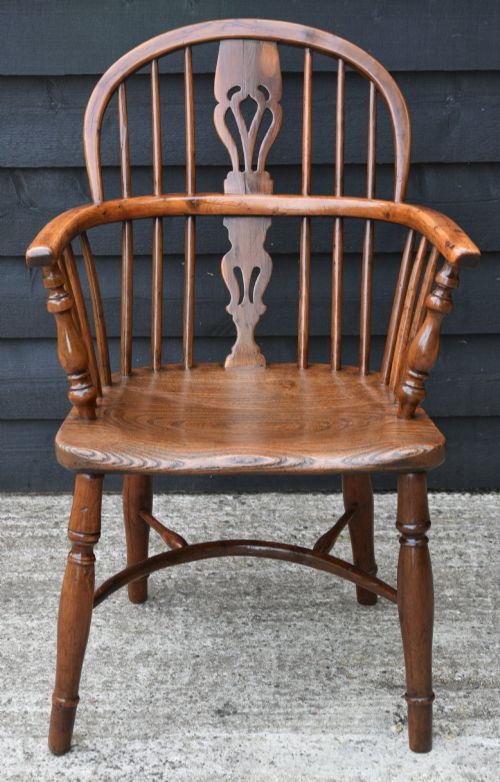
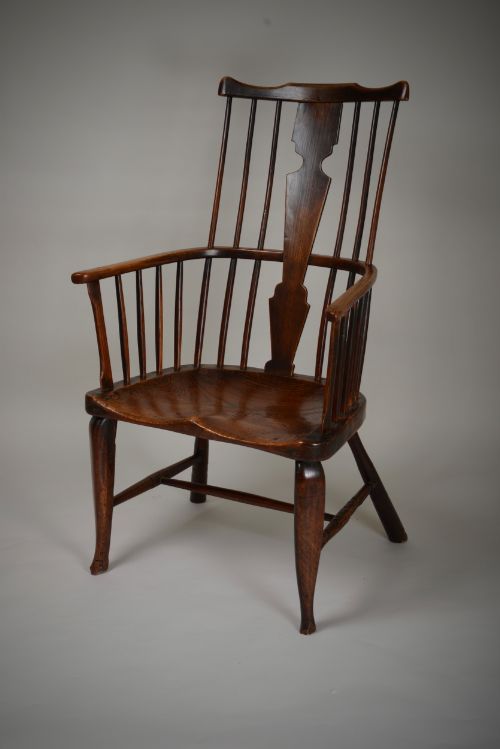
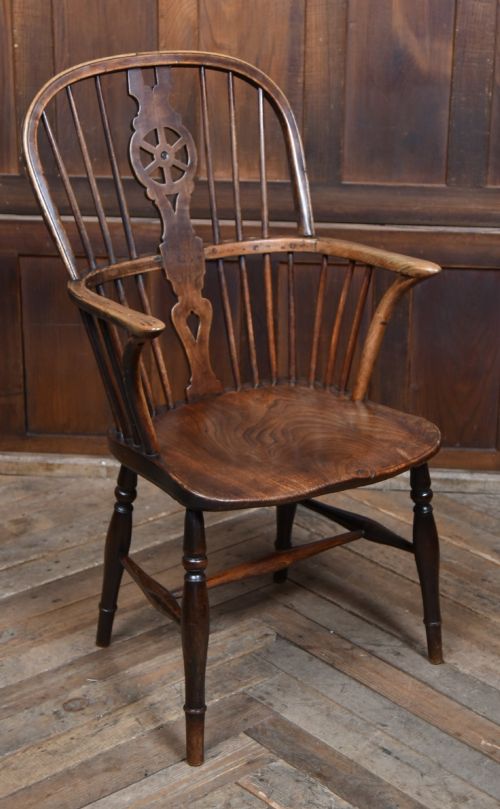
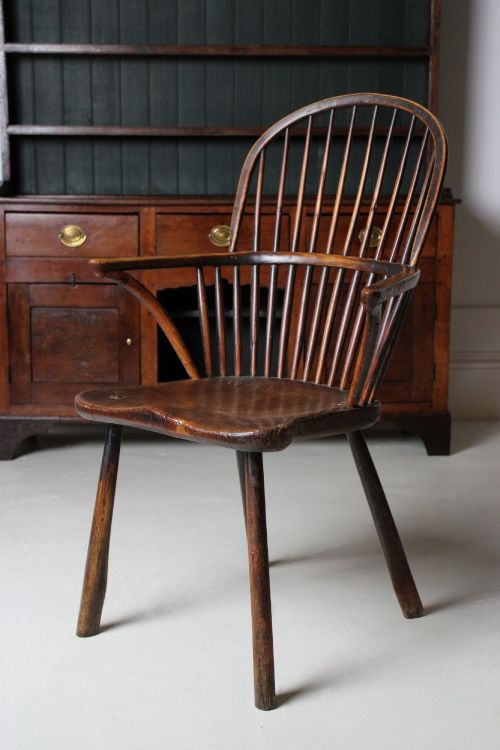
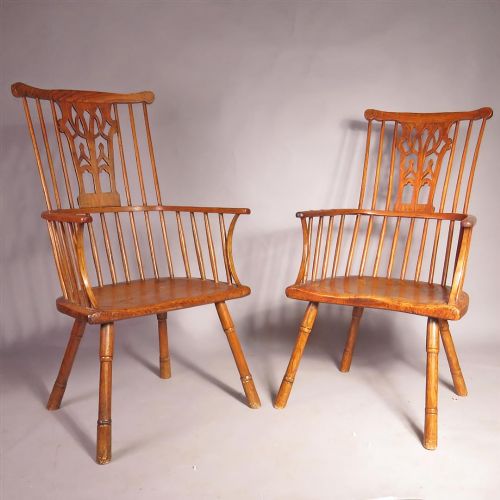
An antique yew armchair is a wooden seat built in the traditional vernacular style, most commonly appearing as a Windsor chair with a sturdy hoop, comb or low back. These pieces combine local timber traditions with ergonomic seating forms developed across English country workshops.
Buyers browsing this selection will most frequently encounter 18th-century and 19th-century examples, including Victorian pieces and earlier Georgian country variations. The dominant form is the Windsor armchair, supplemented by carvers, elbow chairs and occasional child-sized variants.
Originating largely from regional English hubs such as the Thames Valley, these armchairs bridge domestic utility and expressive woodwork. They serve as practical seating options that double as sculptural focal points in contemporary and traditional interiors.
Construction and materials
Cabinet makers and bodgers constructed these armchairs by combining multiple native timbers, pairing yew wood for its rich grain with elm for solid, resilient seats. Additional structural elements frequently incorporated ash, beech, fruitwood or oak to handle the stress of steam-bent components.
The traditional construction method relied on a heavy saddle-shaped wooden seat bored to receive turned legs and spindles. Backrests were formed using steam-bent yew wood for bows and hoops, secured with wedges to create a rigid, unified framework without complex joinery.
Antique Yew Armchair Retail Price Guide 2026
Typical asking prices for yew armchair among the pieces listed under this phrase on Sellingantiques today, from the lower quarter to the upper quarter. They describe what is for sale here now, not the wider market.
Several examples include child-sized armchairs, proving that miniature countryfolk required equally serious vernacular seating centuries ago.
Assessing build quality and timber depth
The calibre of an antique yew armchair rests upon the selection of timber and the complexity of its turning. Richly figured yew grain paired with contrasting elm seats and crisp spindle turnings elevates an example far above utilitarian counterparts.
Structural integrity and the retention of original components dictate the standing of surviving pieces. Examples retaining deep saddle seats, well-defined crinoline stretchers and makers' stamps demonstrate superior regional workshop execution.
J Spencer·Gabbitass Worksop maker·John Brand of Sleaford·Nicholson Rockley
The Antique Yew Armchair Glossary
- Windsor chair
- A wooden chair built with a heavy solid seat into which the legs and back spindles are directly inserted. This design creates a robust piece relying on stick-furniture construction techniques.
- Crinoline stretcher
- An arched metal or wooden brace linking the legs of a chair to provide rigidity. This feature often curves outwards beneath the seat.
- Comb back
- A chair back style featuring vertical spindles rising through a horizontal crest rail resembling the teeth of a comb. It is frequently seen on 18th-century vernacular seating.
- Hoop back
- A continuous steam-bent rail forming the upper back and armrests of a chair. This single piece of timber distributes weight and adds structural tension.
- Vernacular furniture
- Domestic objects made by regional craftsmen using local materials rather than following academic metropolitan styles. These pieces prioritise practical utility and regional tradition.
Antique Yew Armchair: Frequently Asked Questions
What is a yew Windsor chair?
A yew Windsor chair is a traditional wooden seat featuring a solid sculpted saddle seat and stick-built construction. Yew timber is utilised for its distinctive grain and durability.
These chairs were produced in regional English workshops, evolving distinct regional variations in back design such as low backs, combs and hoops.
How do I date an antique armchair?
Dating relies on examining construction methods, tool marks, timber shrinkage and stylistic traits such as comb backs or crinoline stretchers. Georgian pieces often display different turnings compared to later Victorian iterations.
Comparing the wear patterns and wood combinations helps place the armchair within the eighteenth or nineteenth century.
Where were these armchairs made?
These armchairs originated primarily in English rural workshops, with the Thames Valley noted as a prominent production centre. Local bodgers turned components in woodlands before assembly.
Regional variations emerged depending on the timber available locally, including elm, ash and yew.
How should I care for yew wood?
Yew wood furniture benefits from being kept away from direct heat sources and sudden temperature shifts to prevent timber splitting. Regular dusting with a dry cloth maintains the surface.
Applying microcrystalline wax occasionally helps nourish the historic timber finish without building up heavy residues.