

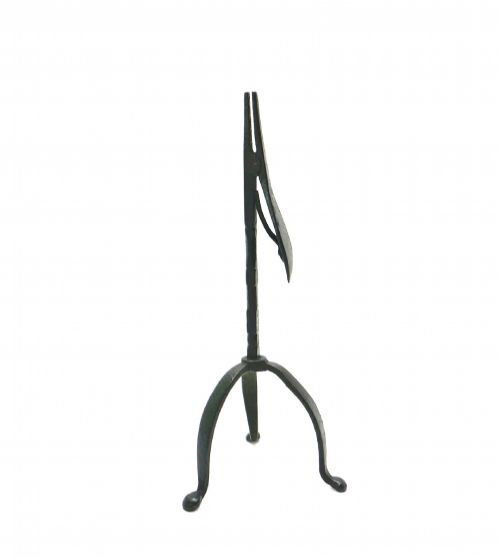


Antique Wrought Ironwork
Antique wrought ironwork brings hand-forged character into a space, offering rugged durability and centuries of utility in gates, hearth tools, and architectural hardware.
Antique Wrought Ironwork
When you search for antique wrought ironwork, you encounter practical items made durable through fire and hammer, spanning centuries of domestic and architectural use. The pieces available range from utilitarian hearth accessories and lighting to substantial estate gates and architectural salvage.
You are most likely to meet 19th-century and 18th-century examples on this page, alongside earlier pieces from the 17th and 16th centuries. These objects frequently combine iron with wood or stone, appearing in styles from rustic farmhouse to Georgian country and Victorian.
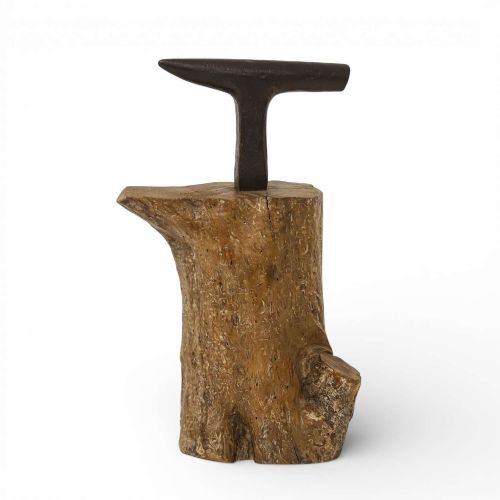
The forms span functional hardware like door locks and strapwork hinges to sculptural vernacular pieces such as farrier's anvils and rushlight holders. Each item demonstrates the adaptation of metal for daily life long before modern manufacturing.
Craftsmanship and Survival
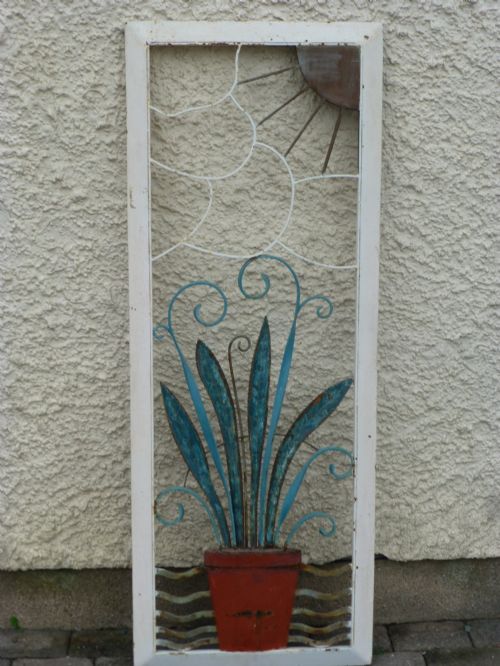
The degree of hand-forging skill separates standard utilitarian items from exceptional pieces, visible in the complexity of scrolling, joinery, and the harmony of proportion. Elaborate hearth cranes, early rushlight holders, and signed architectural screens demonstrate superior design and execution.
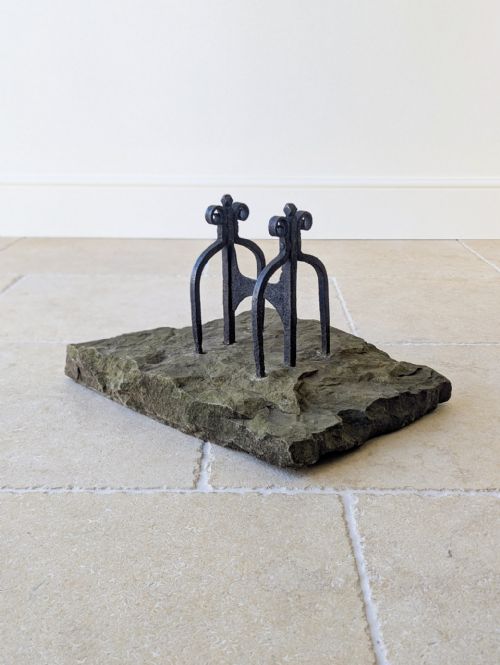
Originality of surface and completeness of mechanism dictate value, as does the survival of primary mounting materials like fruitwood trunks or Yorkstone bases. Pieces retaining their original fixings, latches, and mountings command greater interest than those altered or stripped of context.
Materials paired with iron across these listings include Yorkstone, fruitwood, pine, bronze, steel, and walnut.
Raymond Subes·Brandt
The Antique Wrought Ironwork Glossary
- Rushlight holder
- A spring-action or counterbalanced device designed to grip a rush dipped in animal fat for domestic illumination. These lighting items date primarily to the 17th and 18th centuries.
- Trammel hook
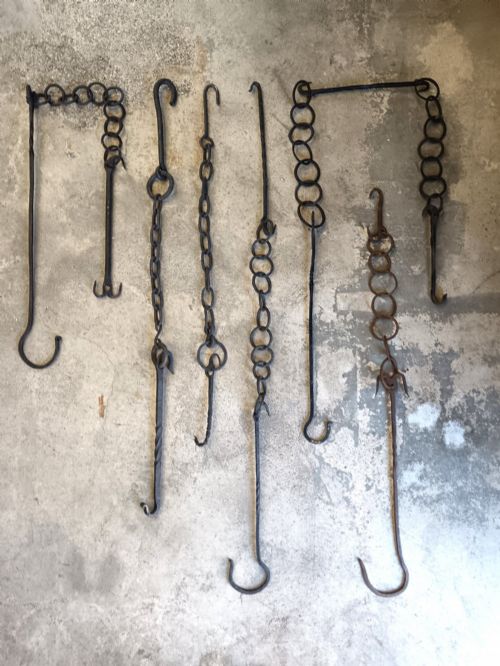
- An adjustable hanging hook used in hearths to suspend pots and kettles at varying heights over the fire. They often feature ratchet adjustments or multiple engagement notches.
- Strapwork
- Flat strips of iron riveted or bolted to reinforce wooden doors, gates, and chests. This technique provided structural strength while adding decorative linear patterns.
- Pricket candlestick
- A candle holder featuring an upward-facing spike upon which a candle is impaled. These items appear in ecclesiastical and domestic contexts across various early periods.
- Architectural salvage
- Elements rescued from buildings slated for demolition, including gates, balustrade panels, door locks, and sign brackets. These items preserve historical construction methods for reuse.
Antique Wrought Ironwork: Frequently Asked Questions
What is a rushlight holder?
A rushlight holder is a small, spring-action lighting device designed to grasp dried rushes dipped in grease to provide domestic illumination before candles were common. These pieces rely on a weighted tripod base or counterweight to stand securely on a table or floor.
Most surviving examples date from the 17th and 18th centuries, valued by collectors for their simple domestic utility. They represent early portable lighting solutions used in modest households.
How were chimney trammel hooks used?
Chimney trammel hooks hung inside large open hearths to suspend cooking pots and kettles at adjustable heights over the fire. The interlocking notches allowed cooks to raise or lower vessels easily to control cooking temperatures.
These hand-forged iron pieces are typically found with multiple adjustment links or ratchet arms. They formed an essential part of the 18th-century kitchen setup.
Are these gates suitable for outdoor use?
Many of these pieces, including estate gates, garden gates, and balustrade panels, were originally built for exterior installation and weathering. Wrought iron possesses natural resilience, though historical items require appropriate maintenance to manage ongoing corrosion.
Buyers often restore and install these antique metal gates into modern gardens and driveways. Their robust construction allows them to continue functioning in contemporary settings.
How can I date antique ironwork?
Dating relies on observing construction methods, tool marks, and design styles characteristic of specific periods like the Georgian or Victorian eras. Hand-forged irregularities and early joining techniques generally indicate older 17th or 18th-century manufacture.
Associated materials, such as Yorkstone bases or specific timber types like fruitwood and pine, also provide contextual clues. Comparing form and function against documented historical examples helps narrow down the period of origin.