
Antique Wrist Watch
An antique wrist watch measures the hours through decades of mechanical craft, offering tangible historical character on the wrist.
Antique Wrist Watch
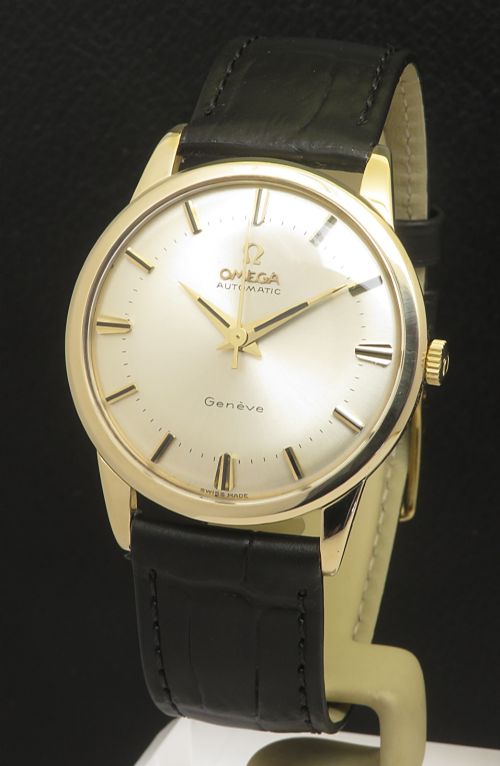
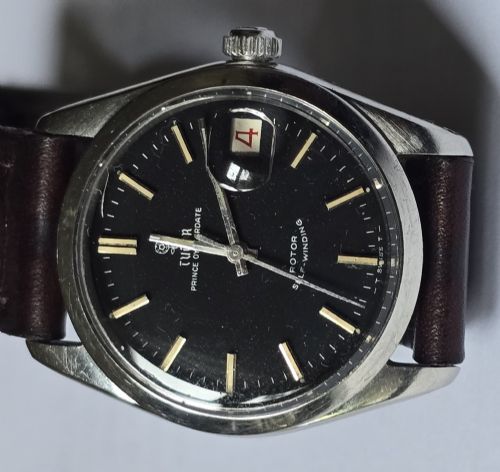
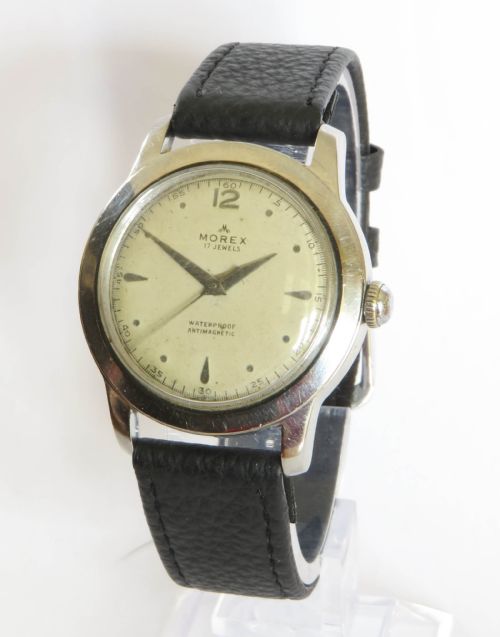
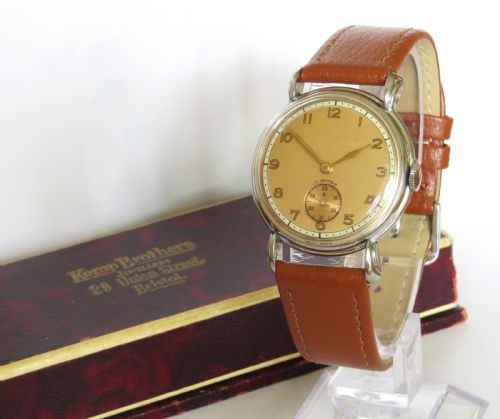
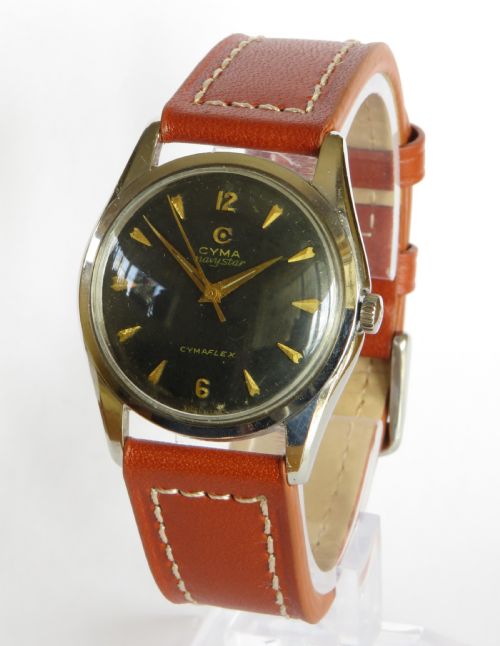
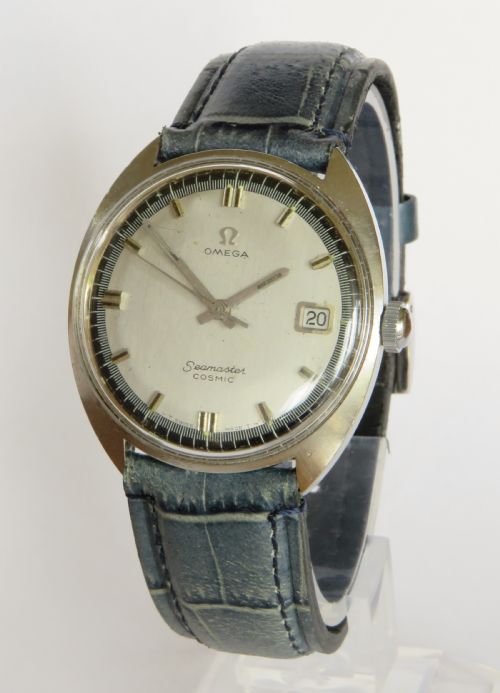
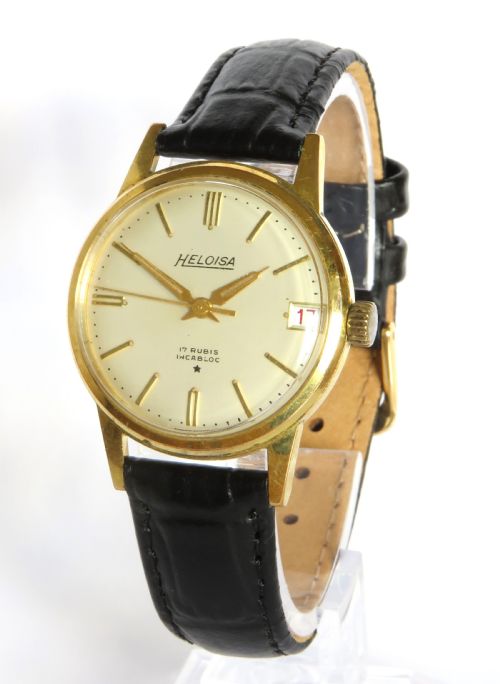
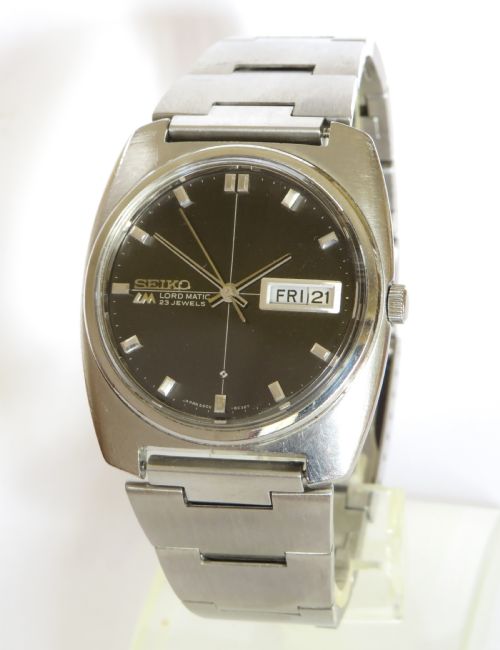
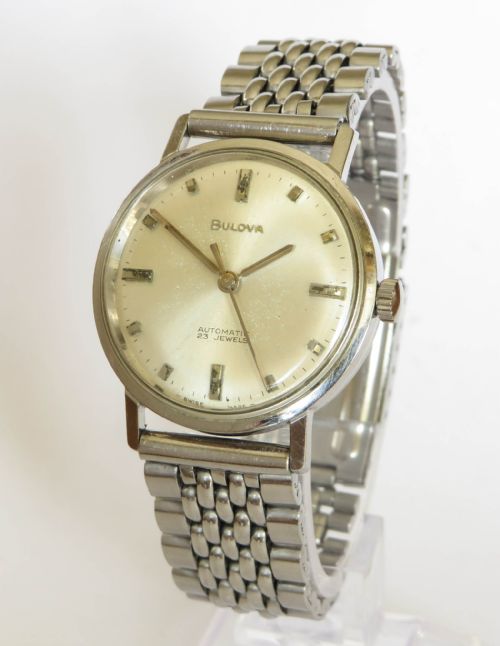
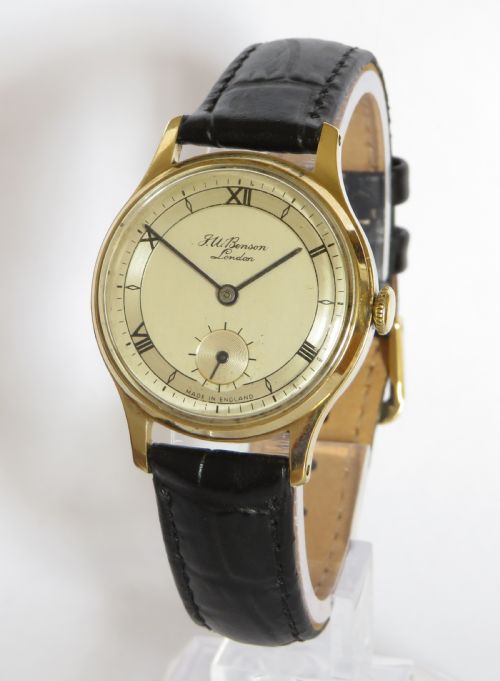
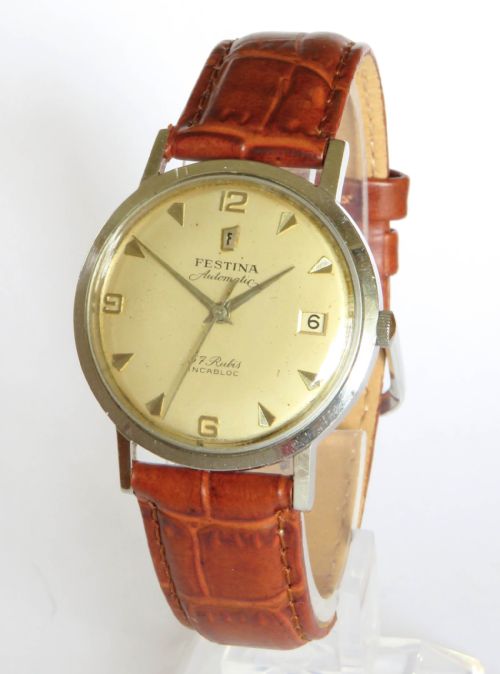
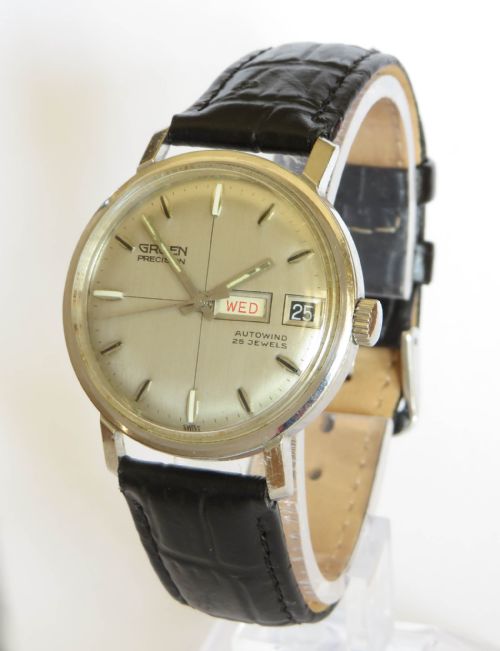
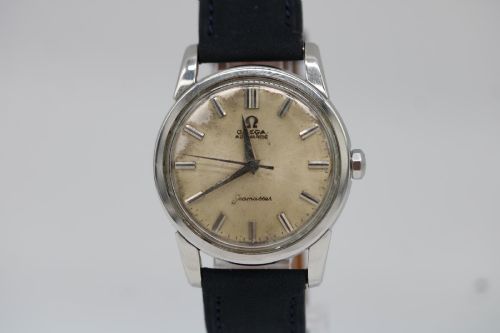
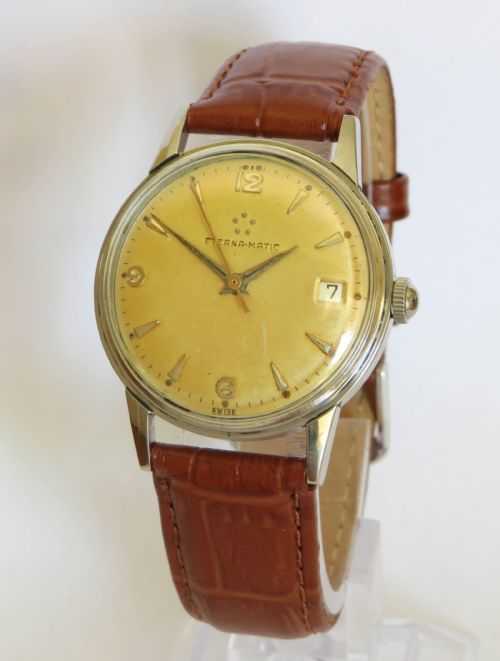
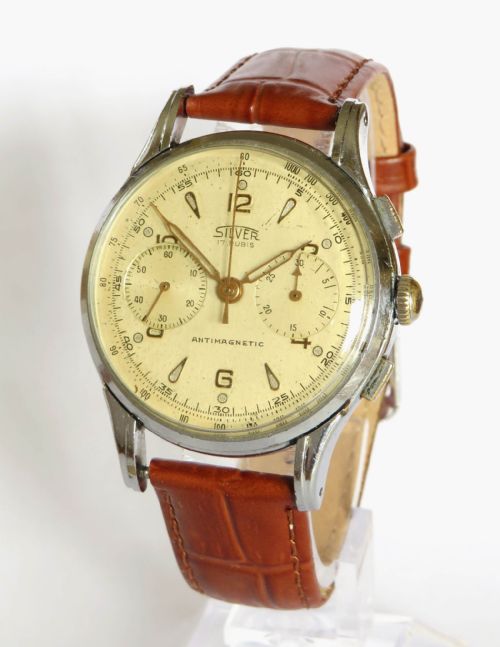
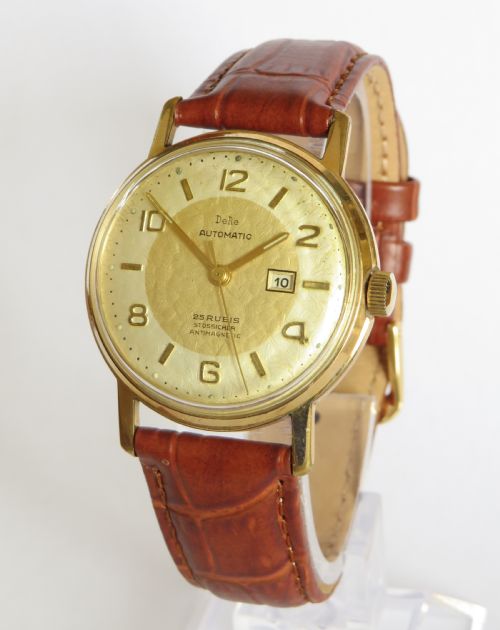
When a buyer searches for an antique wrist watch, they encounter portable timepieces spanning the early twentieth century through the mid-century modern period, including robust military issues, elegant cocktail pieces, and everyday dress designs.
The selections on this page lean heavily toward gents mechanical timepieces from the nineteen-twenties, thirties, forties, fifties, and sixties, alongside platinum and diamond ladies cocktail variants.
Origin points range from British workshops to Swiss houses, reflecting both utilitarian trench designs and sophisticated automatic movements.
Materials and Construction
Casings utilise sterling silver, solid nine carat and eighteen carat gold, chrome, gold plate, and platinum, paired with fitted leather straps or metal bracelets.
Dials are protected by glass or acrylic crystals, often housing jewelled lever mechanical movements wound by hand or driven by early automatic rotors and electric tuning forks.
Antique Wrist Watch Retail Price Guide 2026
Typical asking prices for wrist watch among the pieces listed under this phrase on Sellingantiques today, from the lower quarter to the upper quarter. They describe what is for sale here now, not the wider market.
Listings feature movements spanning manual wind, automatic rotors, and electric Accutron systems housed in precious metals and stainless steel.
Distinctions in Quality
Quality rests upon the preservation of the original dial, the crispness of the case hallmarks and engraving, and the structural integrity of the movement.
Higher tier pieces retain signed dials from established makers alongside unpolished metal surfaces, whereas lesser examples show heavy dial replacement, softened case edges, or compromised internal components.
Montilier·Cyma·Bulova·Gruen·Omega·Longines·Rotary·Rolex Tudor·Smiths·Roamer·Eterna·Girard Perregaux·Waltham·Elgin·J W Benson
The Antique Wrist Watch Glossary
- Calibre
- The specific internal movement design and designation created by a watch manufacturer. This identifier helps pinpoint the exact mechanical lineage of the piece.
- Automatic
- A self-winding mechanical movement that uses a weighted rotor to tension the mainspring through the natural motion of the wearer's arm.
- Chronograph
- A watch equipped with a subsidiary stop function for measuring elapsed time periods. These complications often include dedicated pushers beside the winding crown.
- Lever escapement
- A mechanical linkage that transmits energy to the balance wheel while regulating the uncoiling of the mainspring. Most quality vintage watches rely on this jewelled mechanism.
- Half hunter
- A pocket or wristwatch case featuring a small glass-panelled aperture in the outer lid. This allows the wearer to read the hands without opening the front cover entirely.
Antique Wrist Watch: Frequently Asked Questions
How do I wind a mechanical watch?
Turn the crown clockwise between your thumb and forefinger until you feel gentle resistance. Stop immediately to avoid damaging the mainspring.
Most vintage pieces require daily winding to maintain accurate timekeeping throughout the day.
Can I wear my watch while swimming?
Most antique and vintage timepieces lack modern waterproof seals. Exposure to moisture can rust internal steel components and ruin paper or painted dials.
Keep the watch away from water, steam, and heavy rain to preserve the delicate movement inside.
What is a trench watch?
A trench watch is an early wrist-worn timepiece developed during the First World War. These models adapted pocket watch movements into silver cases with soldered strap lugs for soldiers.
They represent some of the earliest mass-produced wristwatches used outside of specialist markets.
How do I identify the production year?
Examine the interior case back for British hallmarks, serial numbers, or maker stamps. Reference tables from specific manufacturers link these marks to exact production decades.
Movements often carry serial numbers that provide further chronological clues.