





Antique Woven Rug
An antique woven rug brings the tactile warmth of village workshops and nomadic camps directly to a timber floor.
Antique Woven Rug
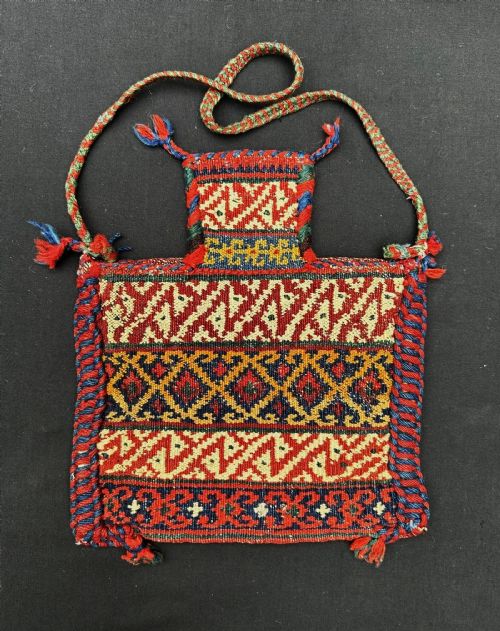
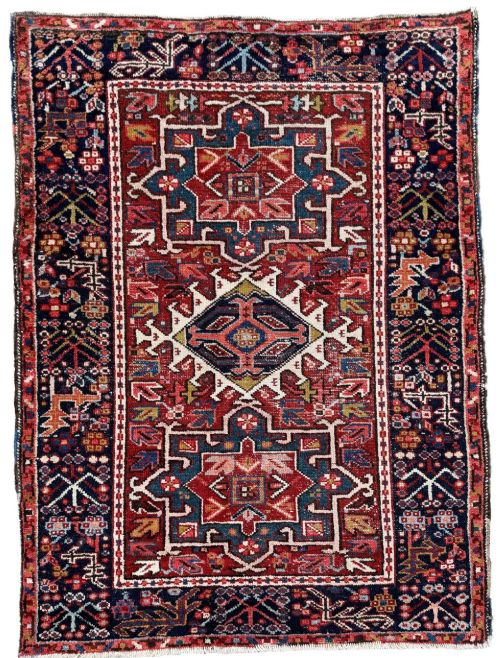
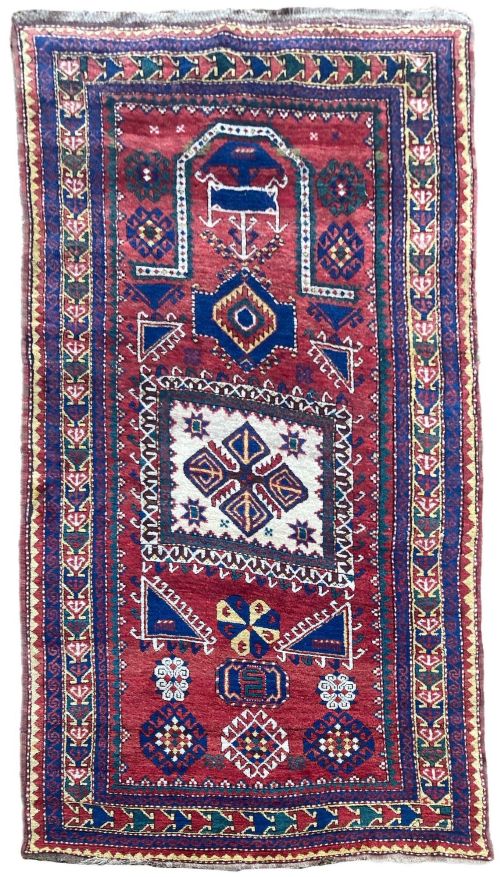
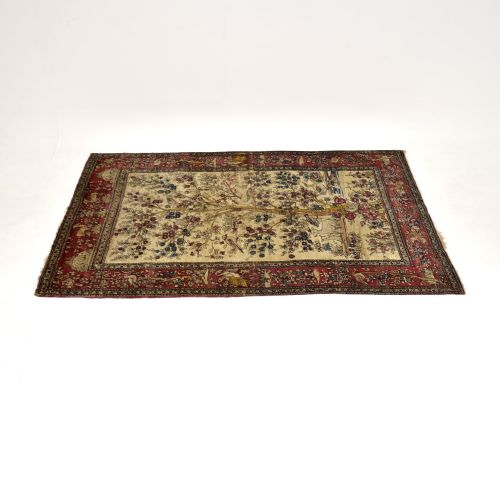
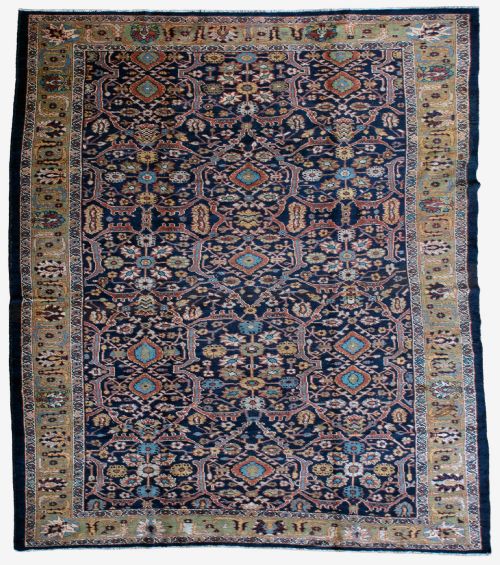
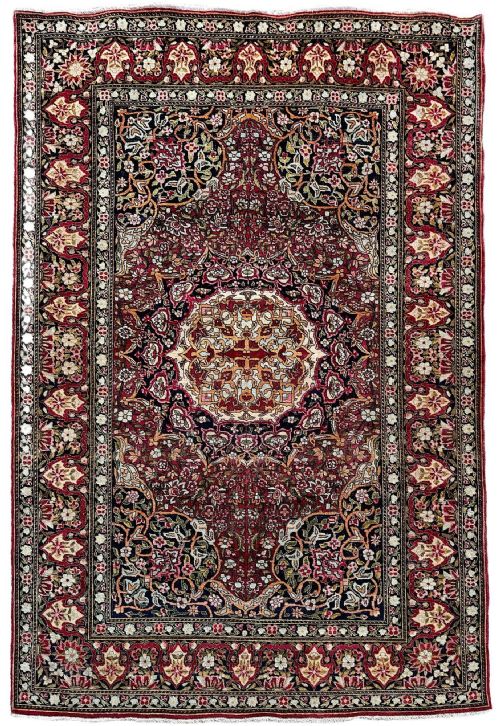
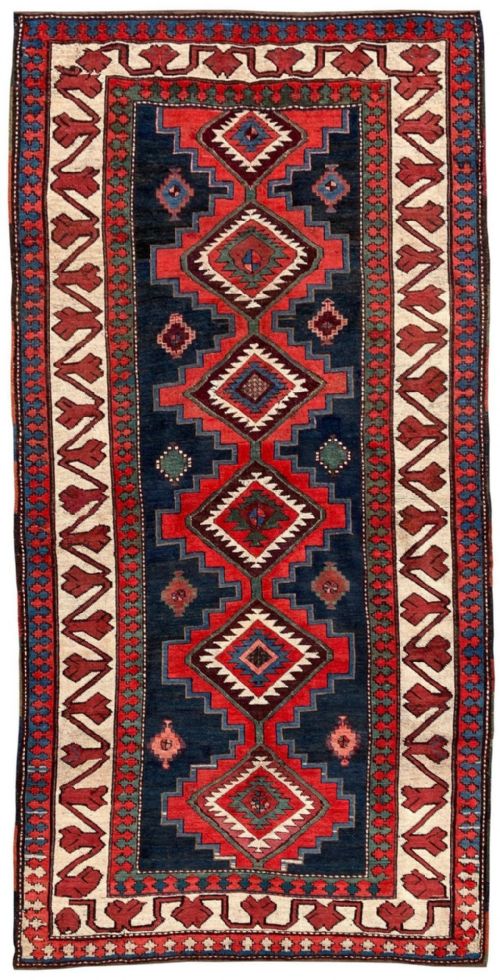
When you search for an antique woven rug, you encounter floor coverings and flatweaves originating from Persian, Caucasian, Turkmen, and Tibetan traditions. The selections span smaller tribal pieces, village runners, and large room-size carpets produced across the nineteenth and early twentieth centuries.
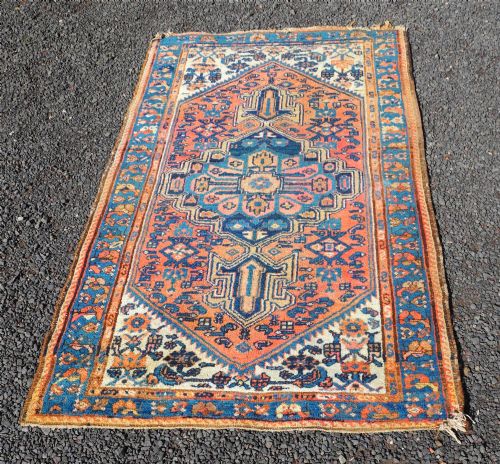
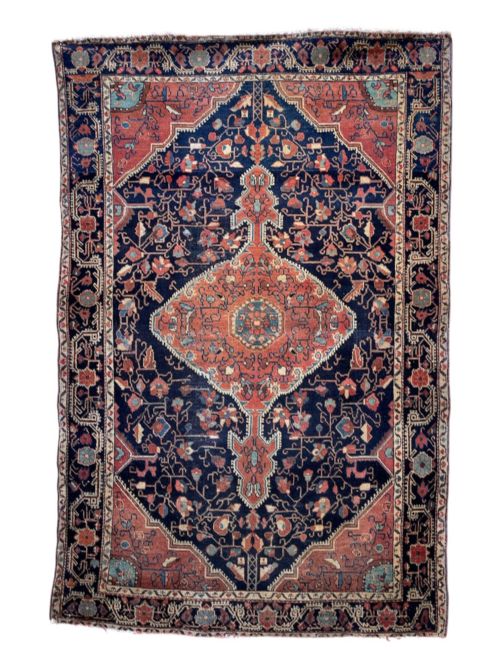
Village and nomadic pieces dominate the offerings, featuring geometric medallions, prayer designs, and repeating motifs. Most examples date from the late nineteenth century up through the nineteen-thirties, utilising traditional regional patterns handed down through generations of weavers.
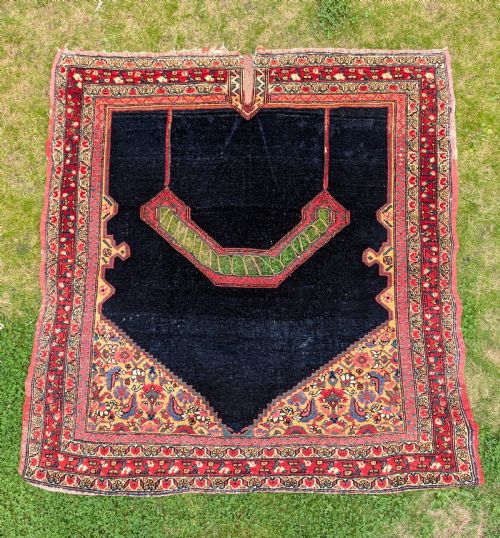
Formats vary widely, stretching from compact prayer rugs and saddle covers to generous carpets and long runners designed for hallways. Each piece reflects the specific cultural vocabulary and knotting techniques of its geographic origin.
Materials and construction
The construction relies heavily on wool, hand-spun wool, and cotton foundations, occasionally enhanced with silk highlights or glass beads. Weavers utilised asymmetric or symmetric knots tied onto warp and weft threads, or employed flatweave techniques without a pile.
Natural dye stuffs provided the rich reds, blues, and earth tones seen across Persian and Caucasian examples. The density of the weave and the preparation of the fibres determined the structural integrity of each runner or carpet.
Antique Woven Rug Retail Price Guide 2026
Typical asking prices for woven rug among the pieces listed under this phrase on Sellingantiques today, from the lower quarter to the upper quarter. They describe what is for sale here now, not the wider market.
Regional styles represented include Persian Tribal, Caucasian, Tibetan, Turkmen, and Anatolian traditions.
Factors that separate examples
Quality rests in the precision of the knotting, the handling of the wool, and the clarity of the design motifs. Finer examples display tightly packed knots on the reverse and crisp definition within the central medallions or geometric fields.
The choice of materials also divides the range, particularly where hand-spun wool and select silk highlights create depth of texture. Consistency in the dye work and structural preservation across the edges and foundations further elevate a carpet.
The Antique Woven Rug Glossary
- Pile
- The vertical or slanted cut ends of thread that form the soft surface of a carpet. This layer takes the wear of daily footsteps.
- Warp
- The stationary longitudinal threads stretched tightly on the loom before weaving begins. The pile knots are tied around these foundational cords.
- Weft
- The horizontal threads passed across the warp strands to lock the knots in place. These threads form the underlying grid of the textile.
- Kilim
- A flatwoven textile produced without a pile by tightly interweaving warp and weft strands. These pieces function as lightweight rugs or decorative wall hangings.
- Prayer rug
- A small format textile featuring a distinct architectural mihrab arch design at one end. Weavers originally created these pieces for daily devotional use.
Antique Woven Rug: Frequently Asked Questions
How do I care for an antique wool rug?
Vacuum gently without a rotating brush bar to protect the wool pile from unnecessary friction. Lift the rug entirely when moving it rather than pulling the edges to prevent structural strain on the cotton or wool foundation.
Keep the textile out of harsh direct sunlight to preserve the natural dye colours over time. Rotate the piece periodically so that foot traffic and exposure remain evenly distributed across the surface.
Where were these tribal carpets made?
The pieces originate across regions including Persia, the Caucasus, Anatolia, Turkmenistan, and Tibet. Nomadic confederations and village communities produced them for domestic utility, local trade, and ceremonial life.
Specific provinces such as Kerman, Hamadan, and Heriz developed distinct weaving traditions. These regional workshops utilised characteristic palettes and motif structures that help identify their origin.
How can I tell a village rug from a nomadic one?
Nomadic rugs often display spontaneous geometric designs, asymmetrical layouts, and smaller dimensions suited for portable looms. The weavers relied on memory and local tribal symbols rather than drawn cartoons.
Village rugs generally exhibit more structured repeating patterns and defined borders produced within settled community workshops. These pieces frequently employ sturdier cotton foundations alongside local wool.