



Antique Woven Prayer Mat
An antique woven prayer mat brings centuries of tribal and village craftsmanship into a home through purposeful design and rich heritage.
Antique Woven Prayer Mat
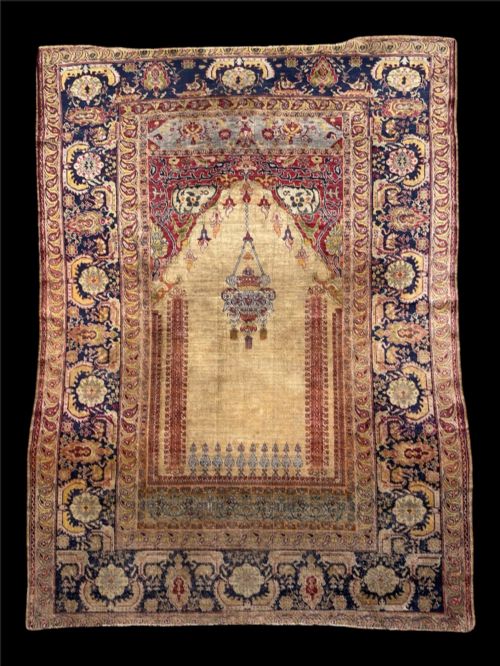
When searching for an antique woven prayer mat, collectors encounter portable floor coverings historically utilised for daily devotions across the Caucasus, Anatolia, and Central Asia. These textiles feature characteristic niche designs that distinguish them from standard area rugs.
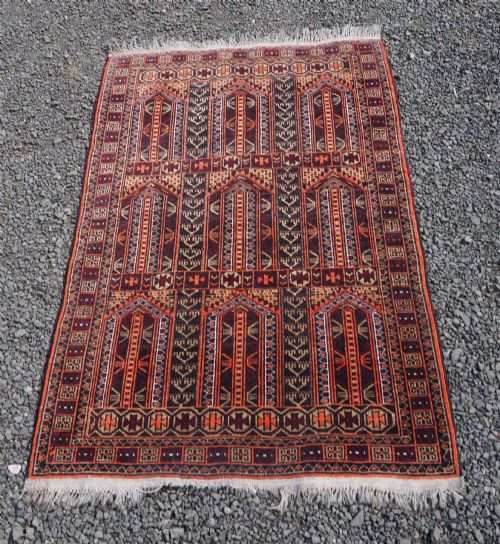
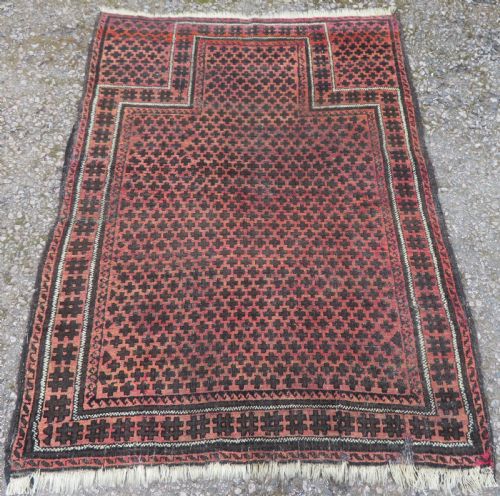
The pieces on this page originate from distinct regional groups such as Caucasian, Anatolian, and Afghan Baluch traditions, spanning from the mid-nineteenth century into the early twentieth century. Village weavers and nomadic tribes produced these works for personal use or local community requirements.
Buyers most frequently meet village and tribal formats on this page, including traditional Ghiordes, Kazak, and Baluch village rugs. Each piece embodies regional weaving habits passed down through generations.
How they were made
The production of these floor coverings relies primarily on hand-spun wool, cotton foundation threads, and occasionally silk highlights. Natural dyes derived from local plants and minerals provide the enduring colour palettes observed across the pieces.
Nomadic and village artisans knotted each piece by hand on vertical or horizontal looms, incorporating camel hair for specific undyed brown tones in tribal examples. Careful beating of the wool foundation created a dense structure capable of withstanding generations of use.
Listings here feature wool, cotton, and silk materials, alongside undyed camel hair utilised by tribal makers.
What varies in quality
Quality in these textiles depends heavily on the crispness of the drawing within the niche and the saturation of the natural dyes. Skilled village weavers achieved harmonious colour balance and precise geometric proportions that elevate certain examples above standard output.
The handle and density of the wool pile also separate finer examples from simpler work, reflecting the quality of the raw materials sourced by the workshop or tribal group. Integrity of the original borders and remaining foundation structure further distinguishes exceptional survivals.
The Antique Woven Prayer Mat Glossary
- Mihrab
- The arched niche design at one end of the rug that symbolises the direction of prayer towards Mecca. This architectural motif guides the layout of the central field.
- Seh Mihrab
- A triple arch design variation frequently found in tribal and village weavings. It presents three distinct prayer arches grouped across the upper field.
- Natural Dyes
- Colourants extracted from plants, roots, and insects prior to the widespread adoption of synthetic aniline dyes in the nineteenth century. These materials yield complex, mellow hues that mature gracefully over time.
- Ghiordes
- A historic Turkish weaving centre and design style known for structured floral motifs and distinctive prayer arches. Pieces attributed to this tradition display disciplined Anatolian composition.
- Kazak
- A robust Caucasian tribal rug style characterised by bold geometric polygons and primary saturated colours. These village works display strong graphic impact.
Antique Woven Prayer Mat: Frequently Asked Questions
How were prayer mats used?
These textiles served as personal, portable spaces for daily Islamic prayers, placed on the ground to provide a clean surface facing Mecca. Because they were rolled up and moved or used specifically for devotions, they often survived with less wear on the main pile than standard floor carpets.
Over time, many entered Western collections as decorative wall hangings or floor coverings due to their striking geometric designs and compact proportions.
Where do these rugs originate?
The pieces originate from three main geographical regions: the Caucasus, Anatolia, and the territories of Central Asia inhabited by Baluch and Turkmen tribes. Each region developed distinct wool preparation methods, loom techniques, and palette preferences.
Village weavers in towns like Kirsehir, Konya, and Ghiordes produced distinct Anatolian styles, whereas nomadic groups created portable pieces featuring tribal symbols.
How do I tell regions apart?
Regional attribution relies on observing the specific colour combinations, border guard stripes, and structural knotting habits. Caucasian pieces often display crisp, saturated primary colours and bold polygons, while Anatolian village rugs lean towards softer florals and structured mihrabs.
Baluch and Turkmen examples frequently utilise deep madder reds, camel hair browns, and repeated octagonal guls or tree of life motifs.
How do I live with an antique rug?
Living with these textiles involves placing them in low-traffic areas or mounting them securely on a wall to protect the historic foundation fibres from heavy friction. Using a quality breathable underlay prevents slipping and cushions the wool against hard floors.
Maintenance requires gentle, regular suction vacuuming without a rotating brush bar, alongside professional cleaning by specialists familiar with antique vegetable-dyed wool.