

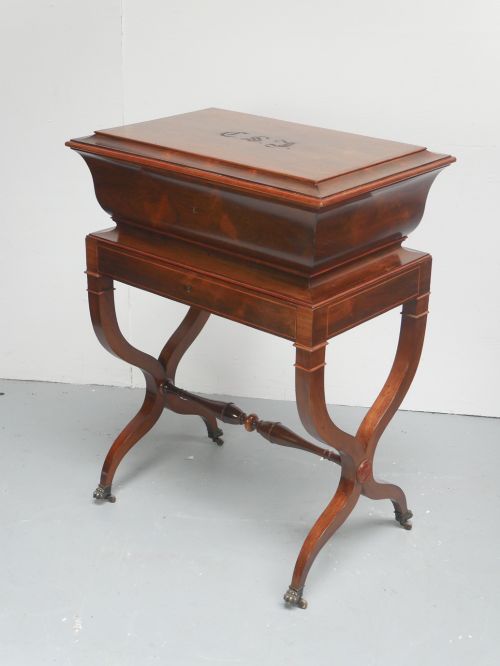
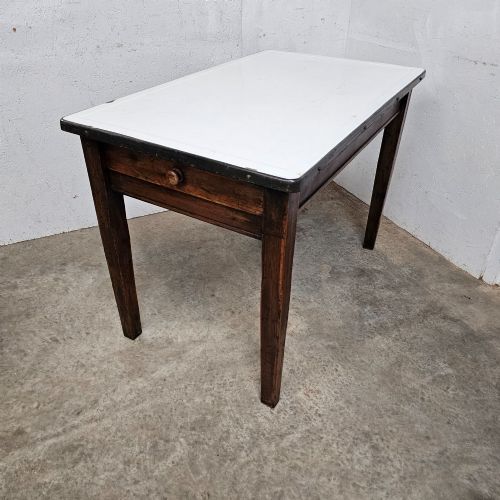
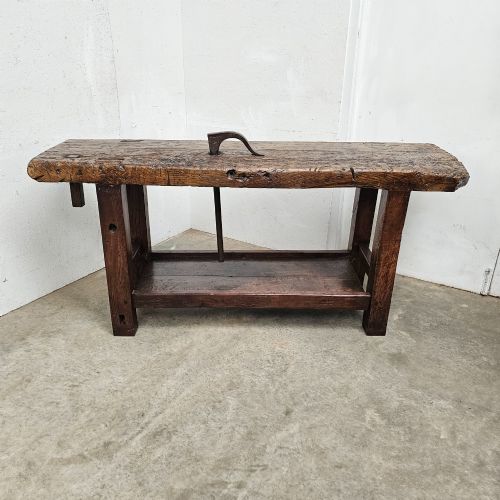
Antique Worktable
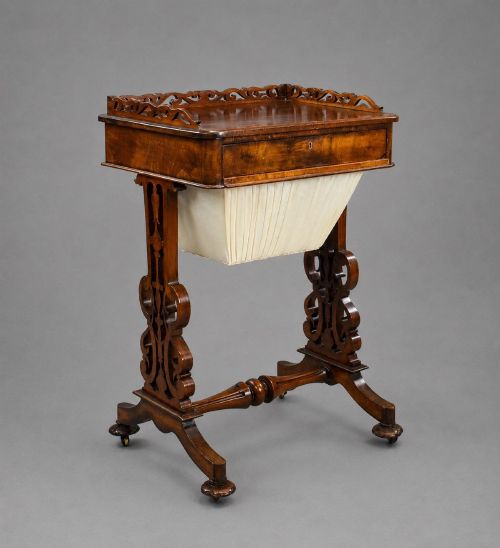
An antique worktable brings domestic history into a modern room, offering compact storage and a functional surface shaped by past needlework and crafts.
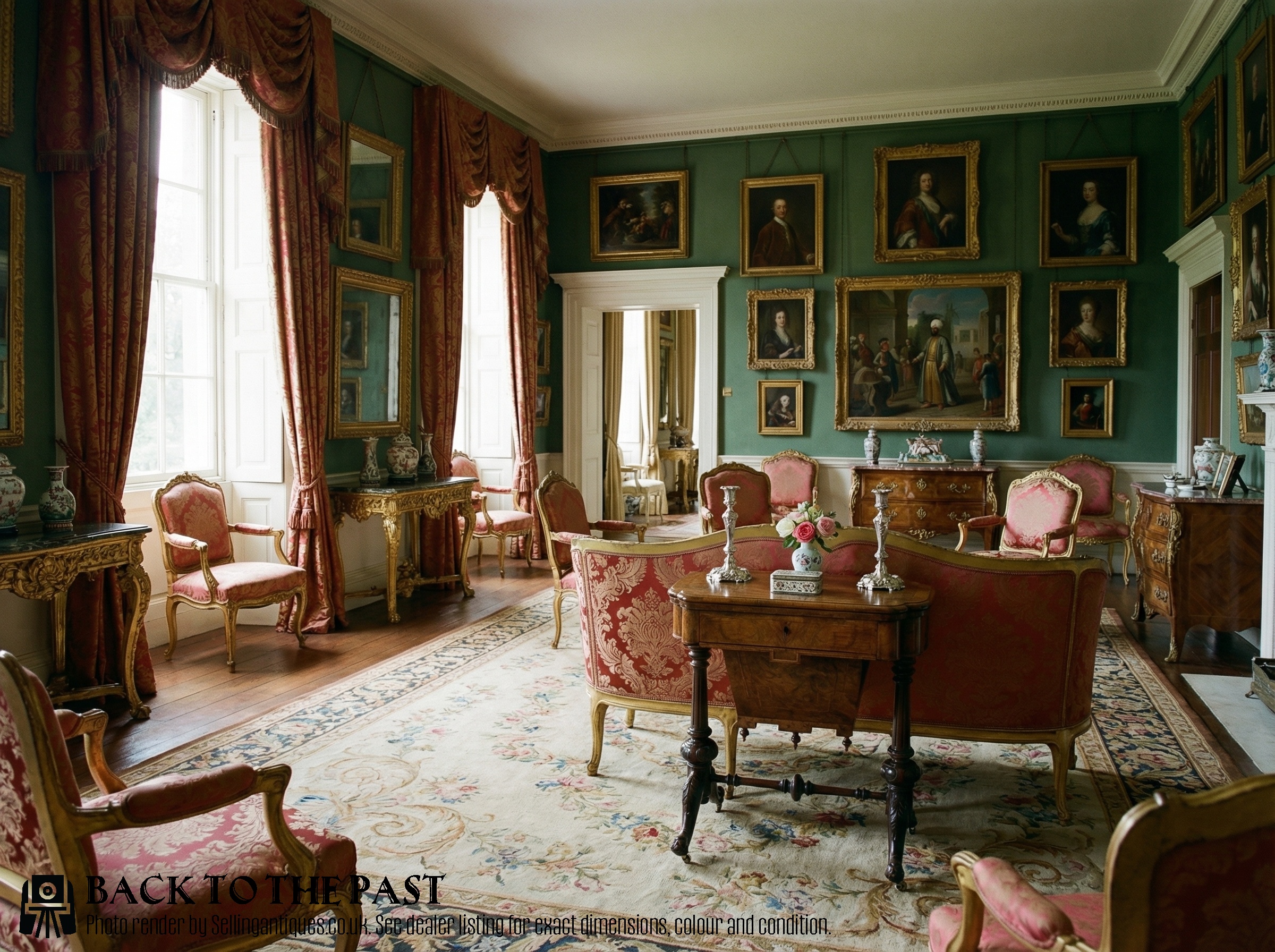
Antique Worktable
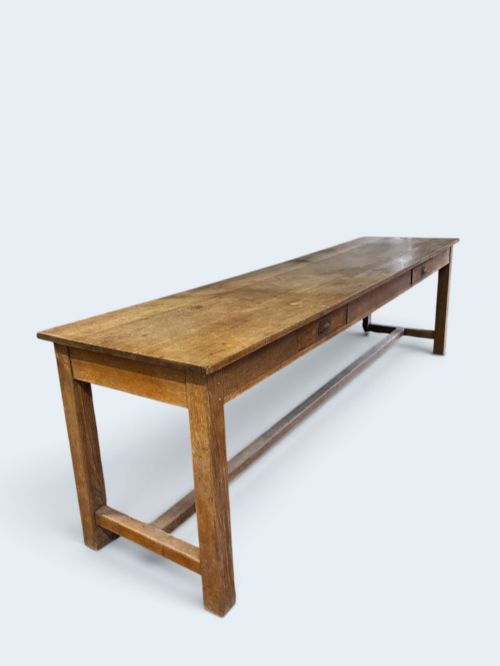
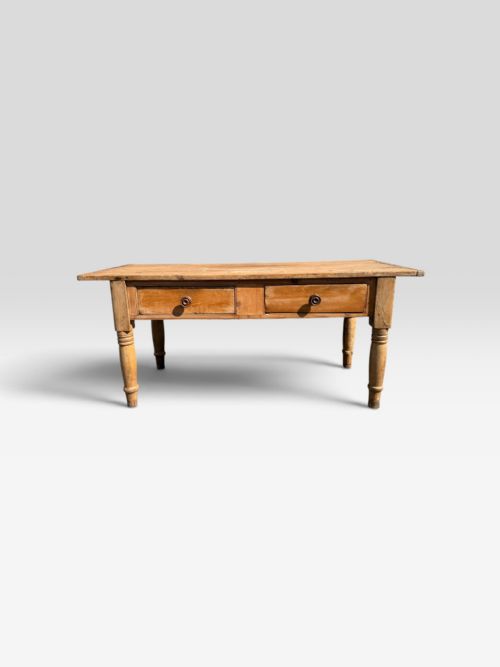
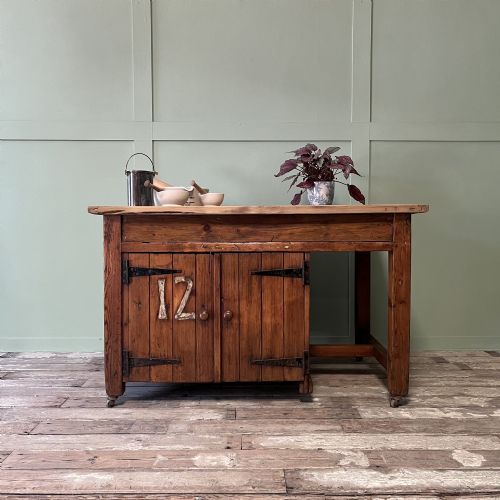
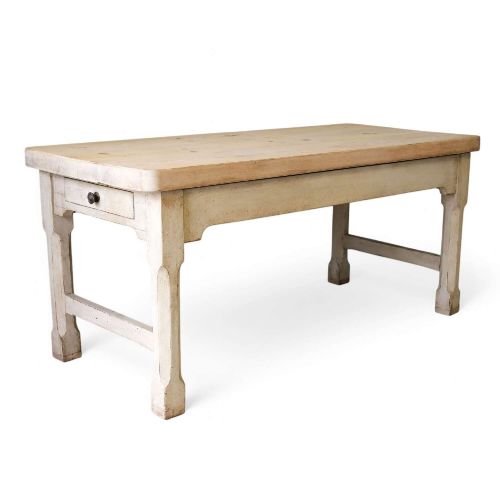
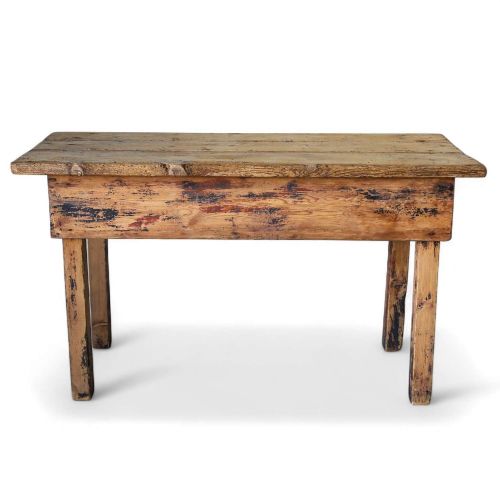
Beyond formal sewing tables, the category broadens to include robust pine farmhouse prep tables, scullery tables, and oak craft benches from the nineteenth and early twentieth centuries. These diverse forms share a common purpose of practical workspace, whether intended for a formal drawing room or a working kitchen.
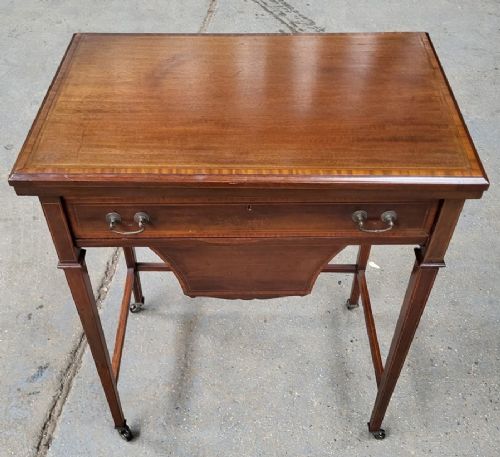
The prevailing types on this page range from elegant Pembroke sewing tables with drop leaves to utilitarian French and English work tables bearing the marks of daily labour. Selecting the right piece depends on balancing the refined marquetry of a games combination with the honest utility of scrubbed pine.
Evaluating craftsmanship and condition
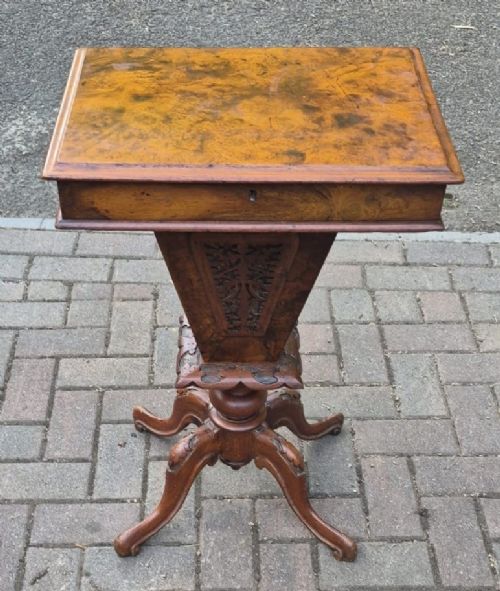
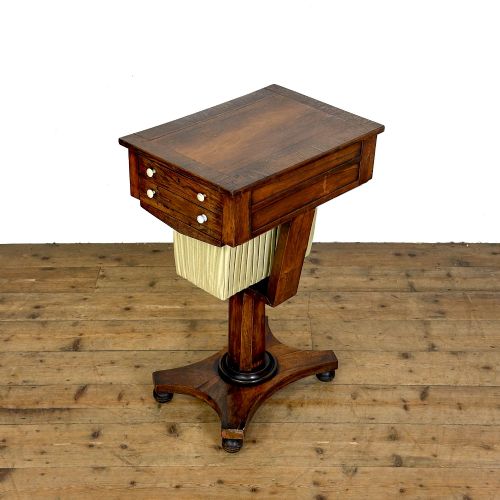
Quality in a formal sewing or games table rests on the selection of timber veneers, the crispness of any carving, and the preservation of original internal fittings like silk bags and compartmentalised trays. Master makers ensured that drawers ran true and that folding leaves aligned perfectly when extended.
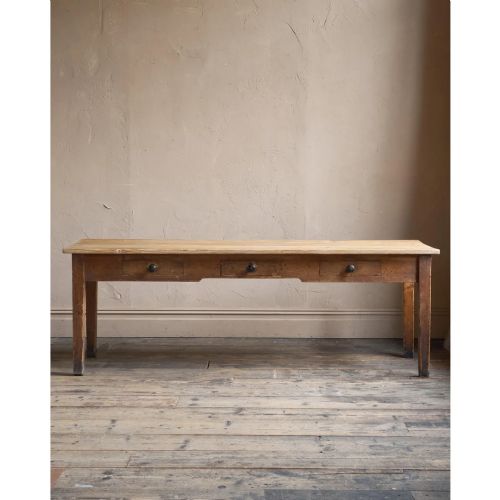
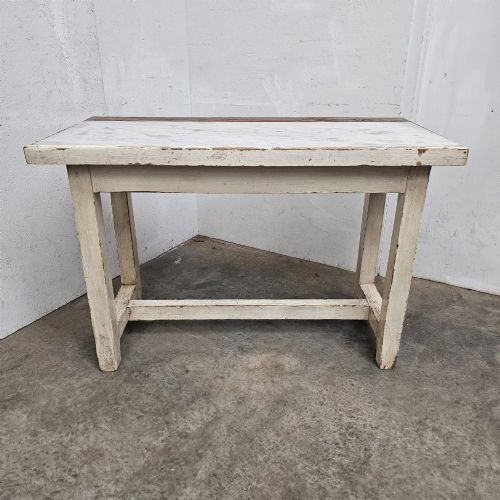
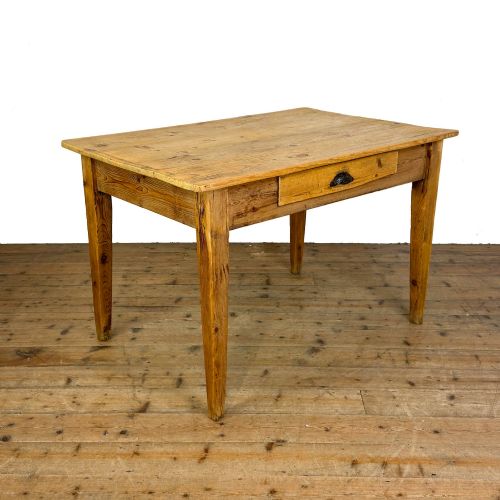
For utilitarian pine and oak work tables, distinction lies in the honesty of the surfaces, the depth of the scrubbed patina, and the retention of original drawers, brass pulls, or wooden clamping bars. Alterations such as later paint or replaced tops shift the character of a piece from untouched utility to decorative adaptation.
Some nineteenth-century work tables conceal intricate pivoting velvet sewing bags beneath, designed to catch loose threads during long winter evenings.
Lesage
The Antique Worktable Glossary
- Pembroke table
- A small occasional table featuring two hinged drop leaves on opposing sides, frequently fitted with a single drawer and slender legs.
- Scrub-top
- A solid wooden table top, typically pine, repeatedly scrubbed clean with soap and water over generations to produce a pale, smooth finish.
- Burr walnut
- A highly prized wood veneer taken from the knotted growth of a walnut tree, displaying intricate, swirling grain patterns.
- Cross banding
- A decorative border technique where strips of veneer are laid across the grain of the main surface to frame the top.
- Dovetail
- A traditional interlocking joint used in drawer construction, prized for its strength and resistance to being pulled apart.
Antique Worktable: Frequently Asked Questions
What is an antique worktable used for today?
These versatile tables serve brilliantly as compact writing desks, bedside tables, or hallway console surfaces where surface area and drawer storage are both required.
The internal compartments and shallow drawers originally meant for spools and needles now accommodate modern stationery, keys, and small accessories with ease.
How do I tell a sewing table from a side table?
The defining characteristic of a sewing table is the presence of internal storage, such as partitioned drawers, drop-in trays, or evidence of a fabric catch bag beneath.
Pure side tables or lamp tables offer a flat top and standard drawer configuration without the specialised compartments designed specifically for needlework.
Are pine worktables suitable for modern kitchens?
Nineteenth-century pine prep and scullery tables integrate seamlessly into contemporary kitchens, offering robust surfaces that embrace everyday cooking and family life.
Their scrubbed tops and deep drawers provide authentic character alongside practical preparation space that has already proven its durability over a century.
How do I care for a polished rosewood or mahogany worktable?
Polished hardwood surfaces require minimal intervention, needing only a soft, dry cloth for dusting and occasional application of traditional beeswax to nourish the timber.
Direct sunlight and excessive heat should be avoided to prevent the fine veneers from drying, cracking, or fading over time.