

Antique Wooden Tub
An antique wooden tub offers robust utility and honest charm, bringing tactile warmth and historic craftsmanship directly into your interior.
Antique Wooden Tub
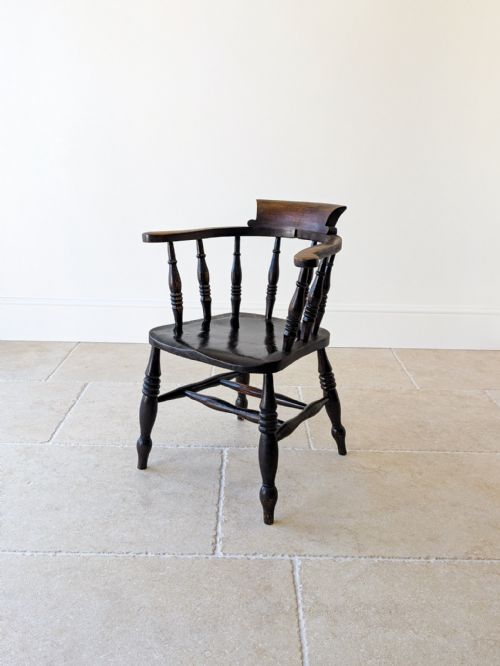
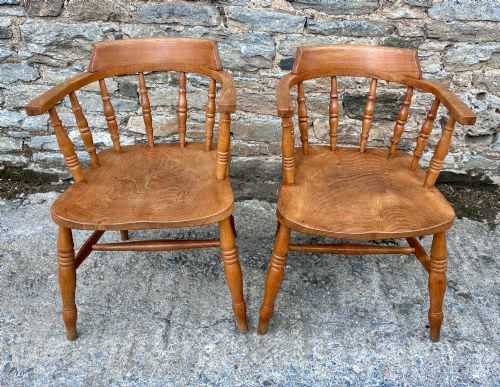
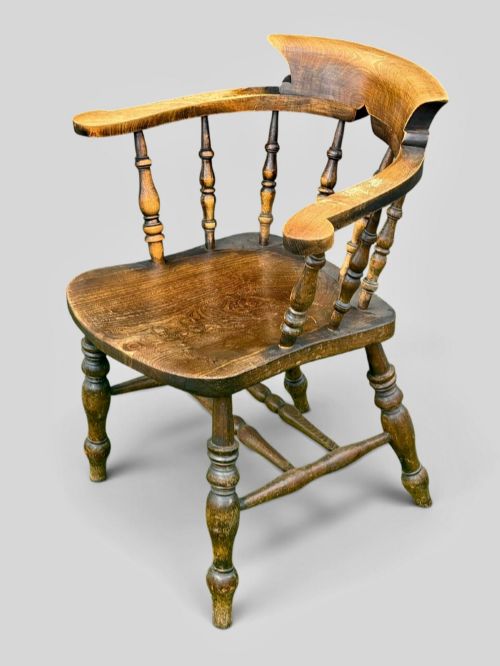
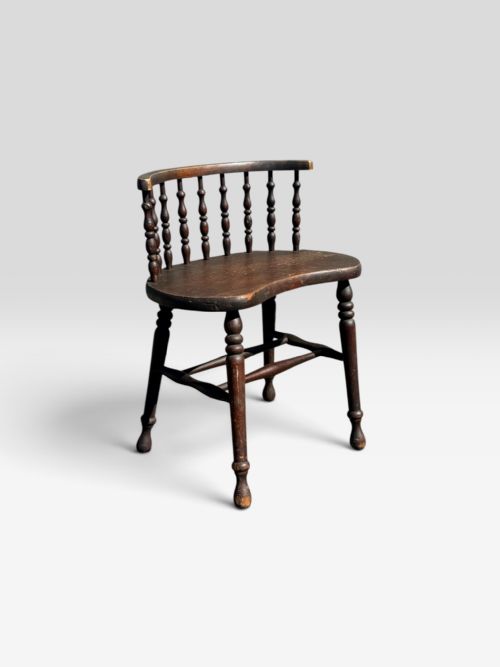
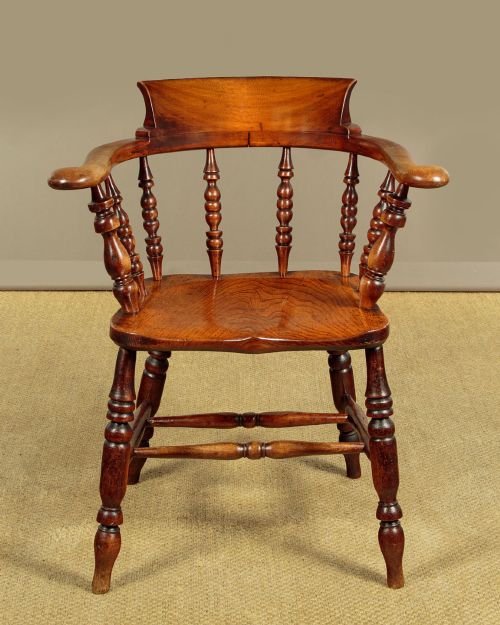
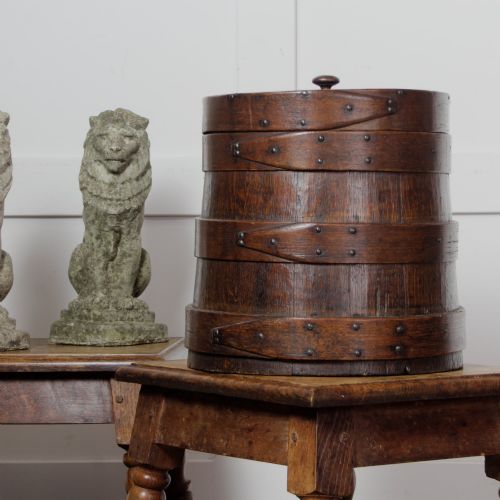
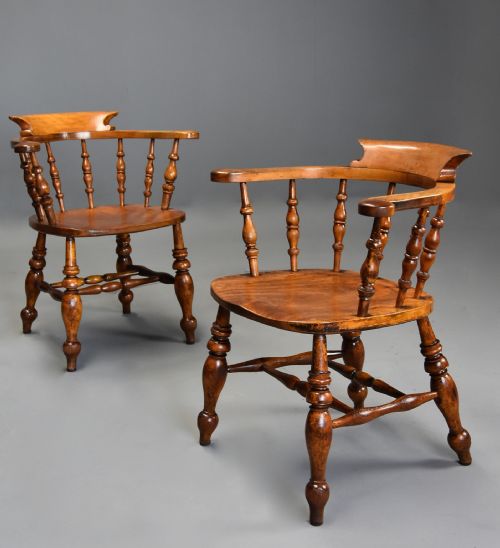
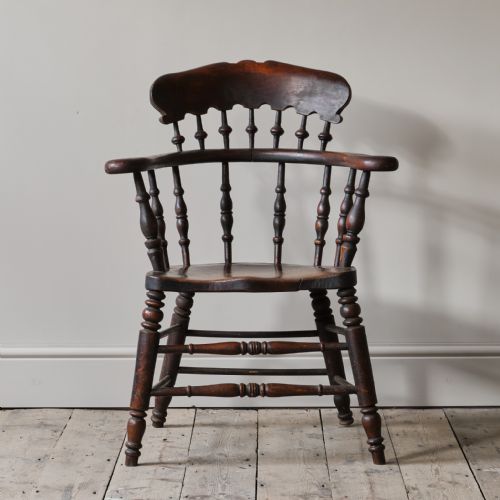
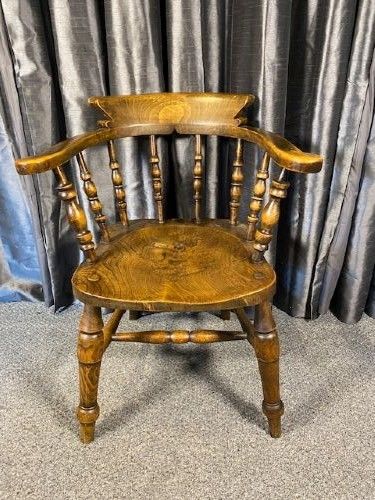
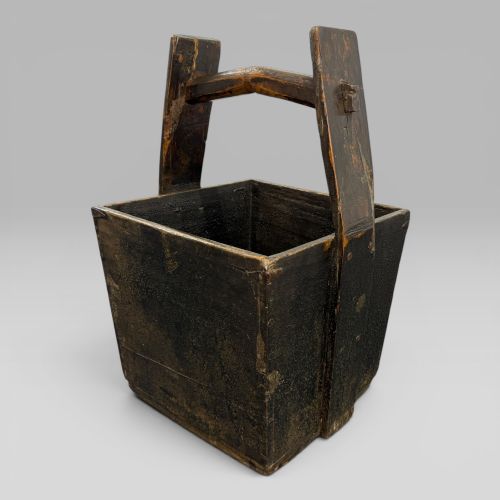
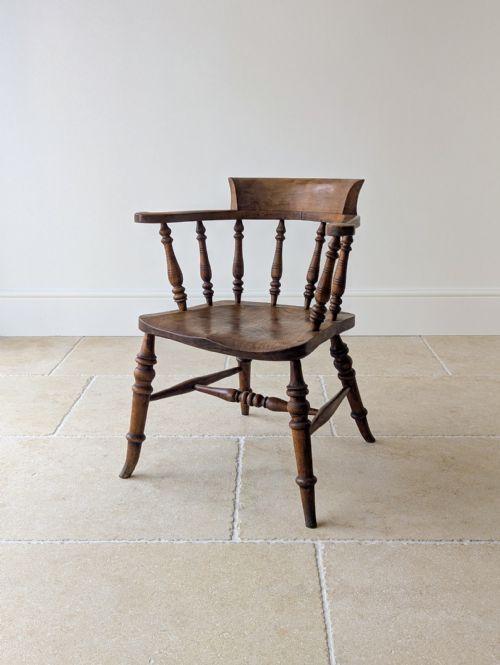
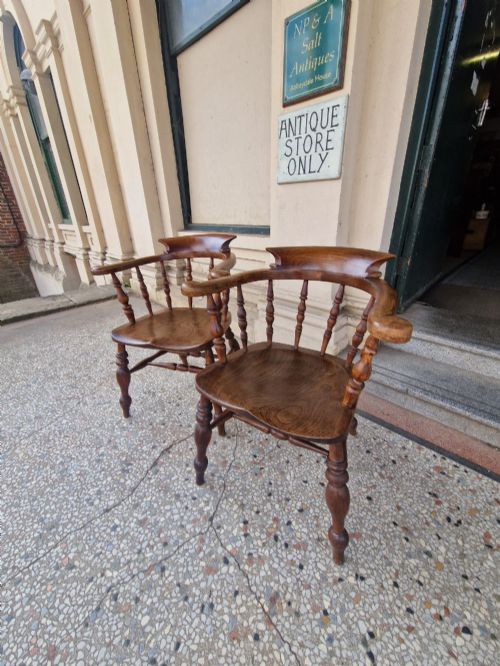
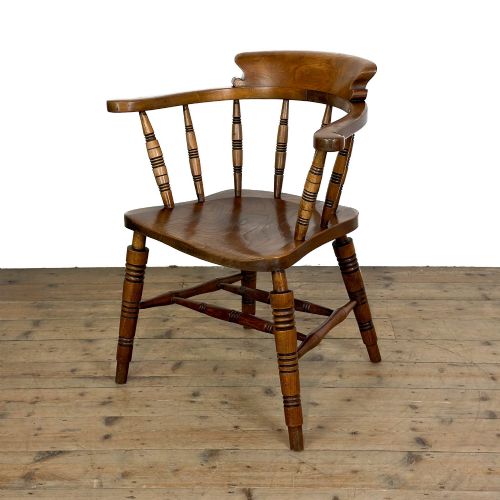
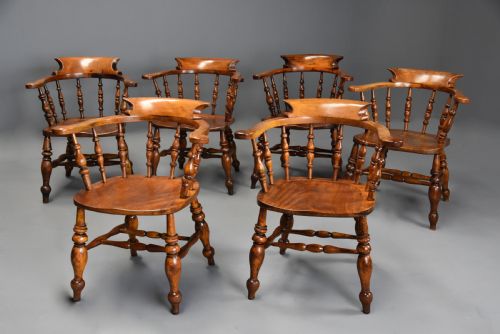
When searching for an antique wooden tub, buyers encounter a diverse selection of coopered vessels, storage bins, and heavy-seated Windsor or captain's chairs sharing deep timber construction. The pieces seen most frequently on this page span the nineteenth century and the Edwardian period, often taking the form of elm and ash smoker's bows, oak grain bins, or brass-bound washing tubs.
Originating largely from English country houses and provincial workshops, these items include robust seating alongside functional agricultural and domestic vessels. Buyers will find that sturdy seating like the captain's chair dominates the selection, accompanied by specialist storage pieces built with the same heavy timber ethos.
Materials and construction methods
Timbers such as elm, ash, oak, and beech form the structural core of these pieces, selected for their grain pattern and resilience under daily use. Elm provides the tough, interlocking grain necessary for curved chair seats, while oak and pine serve well for coopered tubs and bins.
Metal components play an essential role in structural integrity, utilising brass bands to secure staves on coopered vessels and iron hardware for reinforcement. Skilled artisans shaped these materials using traditional turning, steaming, and stave-jointing techniques to ensure lasting strength.
The inventory combines functional seating like captain's chairs with domestic storage vessels including grain bins and coopered oyster buckets.
Assessing quality and authenticity
The distinction between standard utility items and superior examples lies in the integrity of the timber selection and the retention of original surface patination. Pieces that display honest wear from decades of use carry a richer visual depth than those stripped or overly restored.
Joinery detail and the harmony of mixed timbers also dictate the calibre of seating and vessels. Original brass banding on coolers and proper stave construction distinguish finer coopered works from lesser workshop output.
The Antique Wooden Tub Glossary
- Coopered
- Constructed from curved wooden staves bound together with metal or wood hoops, typical of buckets and tubs. This technique ensures liquid retention.
- Smoker's Bow
- A sturdy type of Windsor armchair featuring a low spindle back and a thick wooden seat, popular in nineteenth-century parlours and offices. It provides robust elbow support.
- Captain's Chair
- A low-backed wooden armchair designed for comfort and durability, frequently constructed with elm seats and bentwood rails. They serve well as desk or dining seating.
- Patina
- The surface sheen and colour developed by timber over decades through handling, waxing, and ageing. It acts as a visual indicator of a piece's history.
- Stave
- One of the narrow shaped wooden strips joined edge-to-edge to form the sides of a coopered vessel such as a tub or wine cooler. Precision in tapering each stave determines the vessel's shape.
Antique Wooden Tub: Frequently Asked Questions
What is an antique wooden tub used for today?
These vessels function well as decorative storage containers, umbrella stands, or planters within traditional and contemporary rooms alike.
Their robust construction allows them to handle everyday household organisation while adding historic texture to an interior space.
How do I care for antique wooden furniture?
Maintain the timber by applying natural beeswax periodically and keeping pieces away from direct heat sources and dramatic humidity shifts.
Avoid excessive moisture on unlined wooden surfaces to preserve the original grain and historic patination.
What is the difference between a captain's chair and a smoker's bow?
Both terms often describe similar low-backed wooden armchairs with turned spindles, though regional makers used varying nomenclature.
Generally, captain's chairs feature slightly taller backs while smoker's bows remain lower and wider, yet both rely on elm seats.
How do I identify the period of an antique wooden tub?
Examination of tool marks, assembly methods, and timber choice helps establish whether a piece originates from the Georgian, Victorian, or Edwardian eras.
Hand-cut fixings and traditional cooperage techniques usually point towards nineteenth-century production before industrial standardisation.