
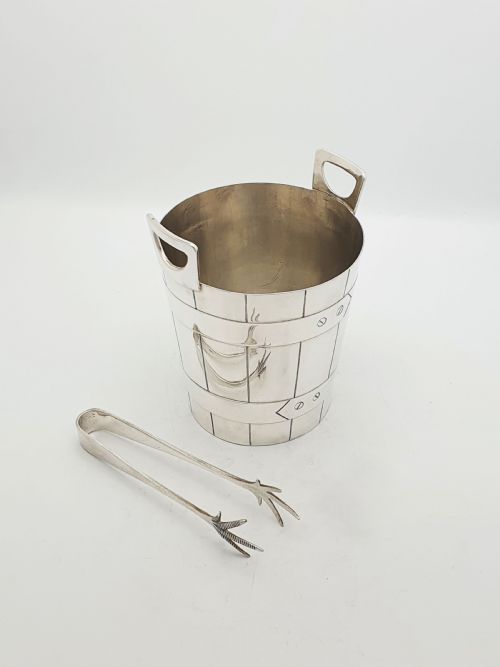




Coopered Wine Cooler
These coopered wine coolers are sturdy vessels formed from wooden staves bound with metal hoops, built to hold ice and bottles for the table.
Coopered Wine Cooler
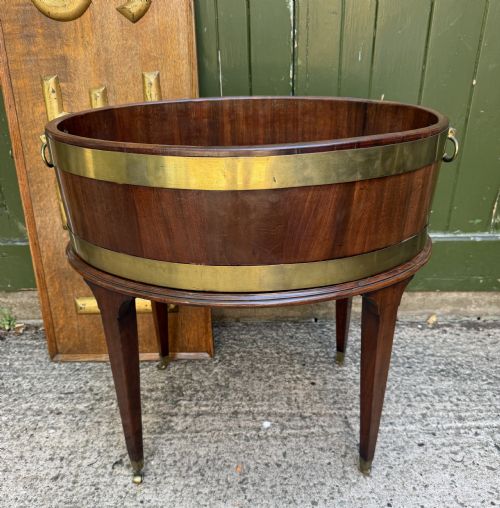
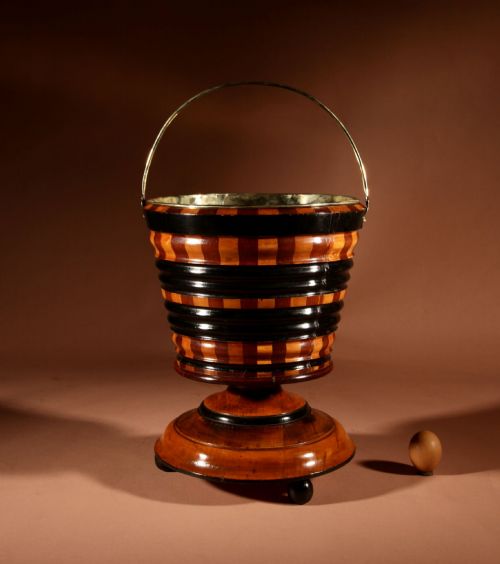
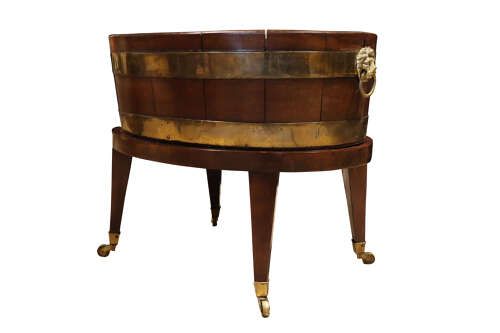
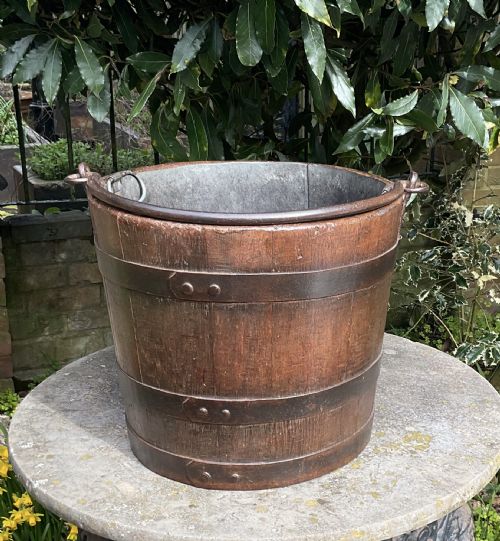
A coopered wine cooler takes the traditional construction of a barrel or tub and adapts it for dining room service. When you examine these pieces, you encounter forms that range from oval George III mahogany table vessels to Dutch teak and oak planters that double as wine coolers.
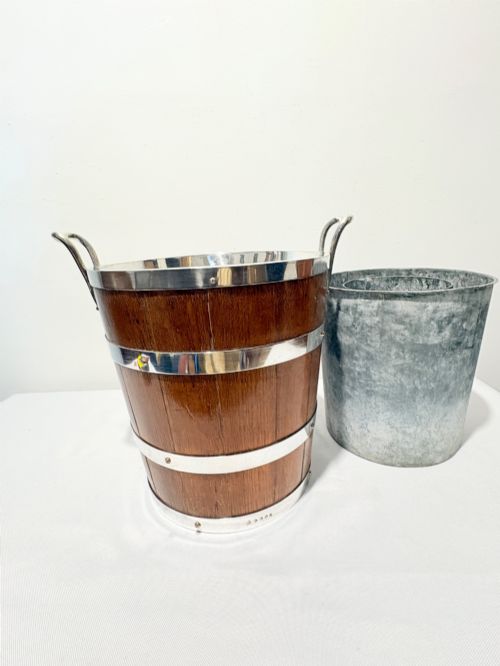
The most common versions on this page date from the Georgian period through the Edwardian era, spanning oak, mahogany, and walnut timbers. Many incorporate brass or silver-plated bands to secure the staves, sometimes standing on dedicated wooden frames or tripod bases.
Construction and materials
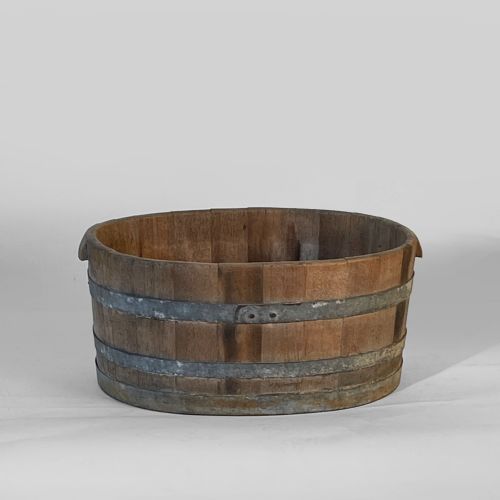
The making of a coopered wine cooler relies on shaped wooden staves fitted tightly together to form a self-supporting cylinder or oval. Craftsmen secure these staves using tensioned metal hoops, typically forged from brass or iron, which hold the timber fast against moisture and pressure.
Makers select dense hardwoods such as oak, mahogany, and walnut for their durability and grain. Internal liners in zinc, ceramic creamware, or silver plate are often fitted to protect the wood from melting ice and standing water.
Listings feature oak, mahogany, walnut, and ebonised wood combined with brass, iron, and silver plate across the 18th, 19th, and early 20th centuries.
Judging quality and craftsmanship
Quality in these vessels rests upon the precision of the stave joints and the weight of the metal mountings. Superior examples show tight, seamless fitting between the wooden segments and substantial brass handles or bands that anchor securely into the timber.
The choice of primary wood and the presence of original internal liners or matching stands elevate a piece significantly. Finer specimens display harmonious grain patterns across the staves and careful turning on any accompanying support stands.
Lister and Co·Samual Norman
The Coopered Wine Cooler Glossary
- Coopered
- Constructed from curved wooden staves joined edge-to-edge and bound with hoops, following traditional barrel-making techniques. This method provides natural strength and expansion allowance for the wood.
- Stave
- One of the narrow shaped strips of wood that form the sides of a coopered vessel. The tight fit of these pieces creates the watertight or sturdy body of the cooler.
- Jardiniere
- An ornamental pot or stand designed to hold plants or flowers. Many examples share the same coopered construction and scale as wine coolers.
- Cellarette
- A lockable container or fitted box used for storing wine bottles in the dining room. They frequently share the period and materials of open coopered coolers.
- Teestoof
- A traditional Dutch footstove or warming bucket adapted over time for other domestic uses like holding peat or plants. These often feature distinctive brass fittings and turned teak or oak bodies.
Coopered Wine Cooler: Frequently Asked Questions
How do I clean a coopered wine cooler?
Wipe the wooden staves gently with a damp cloth and dry them immediately to protect the grain and finish. Avoid soaking the wood or using harsh chemical cleaners on the brass bands.
Polish the metal hoops occasionally with a suitable brass cleaner, taking care not to let the polish stain the surrounding wood.
Can I use an antique cooler for actual ice?
Most pieces require a proper internal liner, such as the original ceramic, zinc, or silver-plated insert, to hold melting ice safely. Placing ice directly against unprotected old wood can cause the staves to warp or split.
Check that any surviving metal or ceramic liner is watertight before filling the vessel for a gathering.
What is the difference between a cooler and a jardiniere?
Wine coolers and jardinieres share identical coopered construction methods, but their intended functions dictate their interior fittings. Coolers generally feature linings suited for bottles and ice, while jardinieres often accommodate potted plants.
Many surviving pieces serve both purposes interchangeably depending on the era and the presence of a removable liner.
How do I date a mahogany wine cooler?
Examine the timber quality, the method of brass banding, and the style of any accompanying stand. Georgian examples often display rich, faded mahogany patination and hand-forged brass mounts.
Later Edwardian and 1900s pieces tend to show machine-finished hardware and denser, darker oak or walnut timbers.