


Country House Bucket
These country house bucket examples are robust vernacular vessels and formal coolers shaped from timber, leather and brass for heavy domestic service.
Country House Bucket
A country house bucket serves multiple utilitarian and social roles across large estates, functioning as a log bin, champagne cooler, fire bucket or umbrella stand. When searching for a country house bucket, buyers encounter various forms ranging from coopered oak wine coolers on stands to leather fire buckets and simple toleware kitchen vessels.
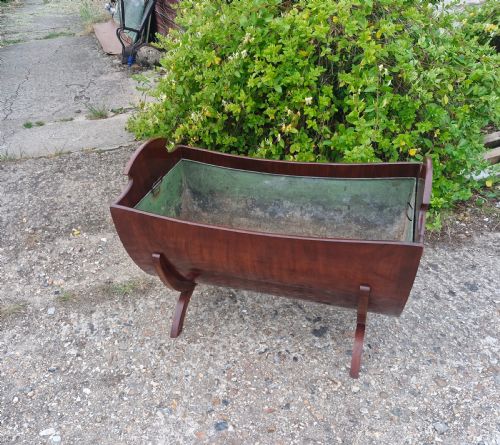
The objects span several centuries, including Georgian mahogany wine coolers and plate buckets alongside Victorian oak barrels and brass-bound garden wells. These pieces originated in domestic settings where durable materials met daily household demands, resulting in hardy storage containers and display vessels.
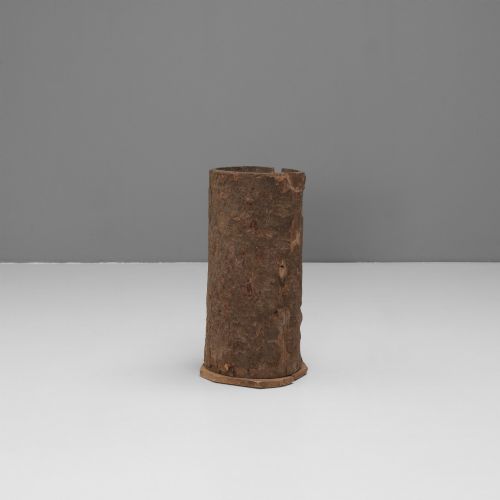
The selection includes rustic vernacular items like rough bark and log containers, alongside refined Georgian oval brass-bound wine coolers on stands. This mix reflects both the working service areas and the formal reception rooms of historic estates.
Materials and construction methods
Makers utilised timber staves bound together with metal bands, employing traditional cooperage techniques to create watertight or structurally sound vessels from oak, mahogany and fruitwood. These wooden frames often feature wrought iron, copper or brass bands to secure the staves and add decorative contrast.
Other variants incorporate leather treated for fire service use, or formed sheet metal painted as toleware for kitchen and utility rooms. These materials were chosen for resilience, allowing the buckets to withstand heavy loads of fuel, water or plate.
Materials documented across the inventory include oak, mahogany, brass, leather, iron and toleware.
Factors that define quality
Quality rests in the precision of the cooperage, the weight and finish of the metal mountings, and the choice of primary timbers such as figured mahogany or dense old-growth oak. Finer examples display meticulous dovetailing, hand-hammered rivets and integrated stands that elevate simple utility into formal furniture.
Lower tiers of quality appear in purely utilitarian items meant strictly for basement service or basic garden tasks, lacking refined polish or decorative mounts. The presence of original patination, period brass drop handles and authentic crests or leather tooling separates grand estate pieces from everyday work vessels.
The Country House Bucket Glossary
- Coopered
- Constructed from wooden staves joined edge to edge and bound with metal hoops, much like a traditional barrel. This technique provides immense structural strength for holding liquids or heavy loads.
- Toleware
- Lacquered or painted sheet metal items intended for domestic utility and decoration. The technique gives iron or steel a durable, coloured surface.
- Wine Cooler
- A vessel designed to chill bottles, often lined with lead or brass and sometimes raised on a dedicated stand. Georgian versions in mahogany demonstrate high cabinet-making skill.
- Plate Bucket
- A cylindrical container designed to hold ceramic plates safely during dining service or transport. These often feature vertical divisions or padded interiors.
- Vernacular
- Architecture and objects built by local artisans using traditional methods and local materials, prioritising function over academic design.
Country House Bucket: Frequently Asked Questions
What were country house buckets used for?
These vessels served diverse roles across domestic spaces, holding logs by the fireplace, chilling wine in dining rooms, carrying water, and containing leather fire retardant.
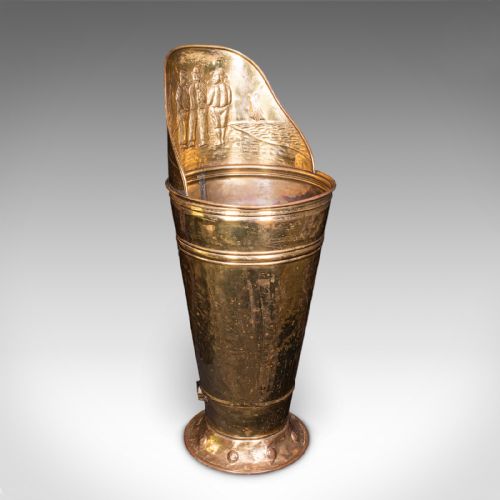
They also functioned as umbrella stands in grand hallways and storage bins for kitchen plates or waste.
How do I date a wooden bucket?
Dating relies on examining the timber species, the hand-forged nature of the metal bands, and the overall construction style such as Georgian cabinetry versus Victorian cooperage.
Secondary tool marks, patination of the wood and the type of fastenings offer further clues to the period of origin.
Are these buckets waterproof?
While many historical examples like wine coolers and well buckets were designed to hold liquids or ice, older timber staves can shrink over time.
Modern buyers should test or line coopered vessels before exposing them to standing water to prevent leaks.
How do I care for leather fire buckets?
Leather items require stable humidity and gentle cleaning to maintain their suppleness and prevent cracking of the treated surface.
Avoid placing them in direct sunlight or near intense heat sources that could dry out the historic hide.
What is the difference between a log bin and a wine cooler?
Log bins are generally simpler rustic containers made of heavy oak or metal, built to withstand rough handling by the hearth.
Wine coolers are finer furniture pieces, frequently fashioned from polished mahogany with brass bands and dedicated stands for dining rooms.