
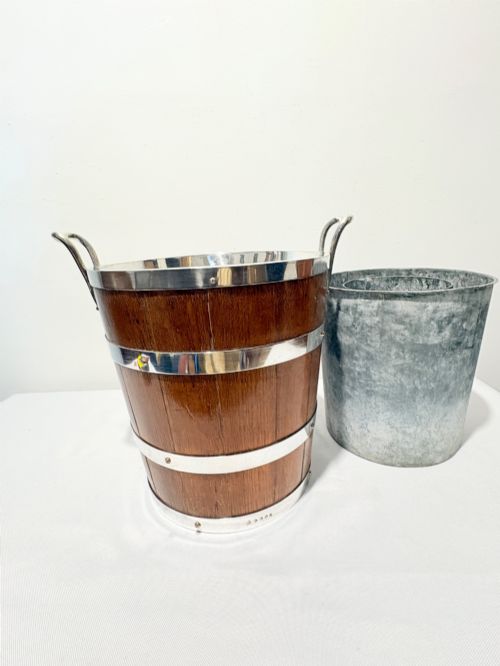
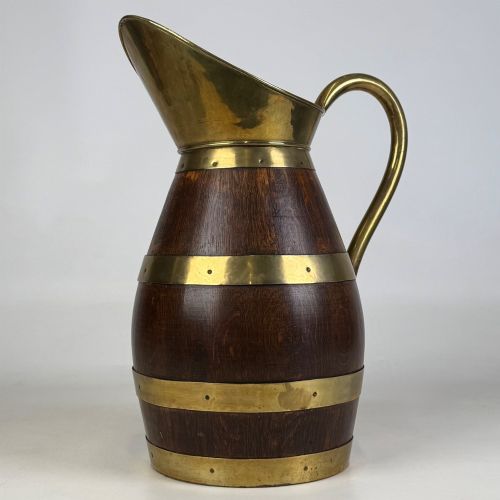
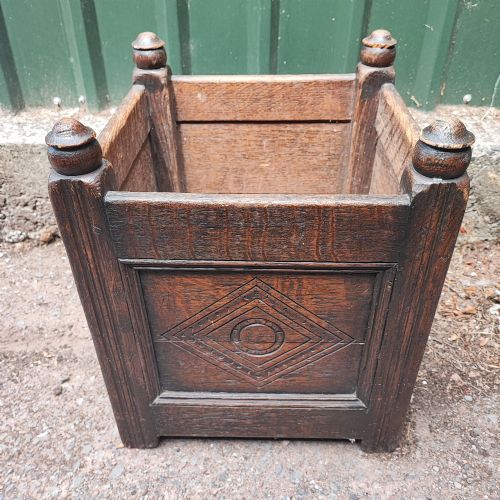
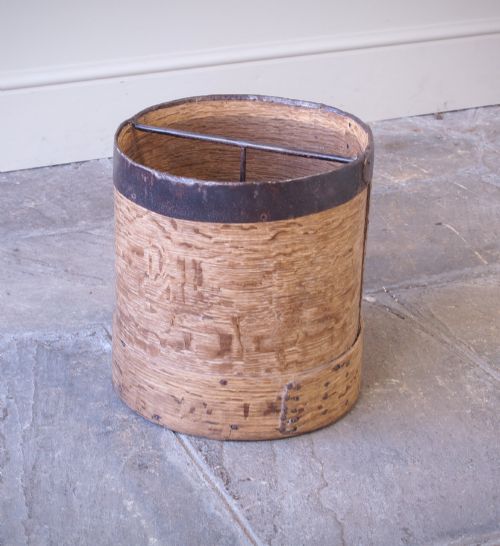
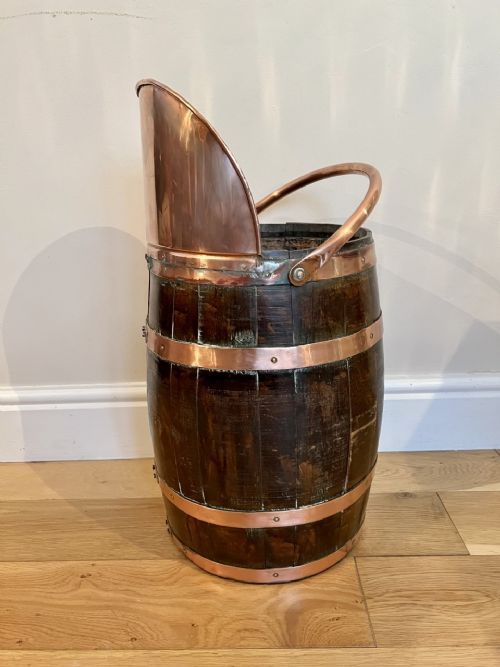


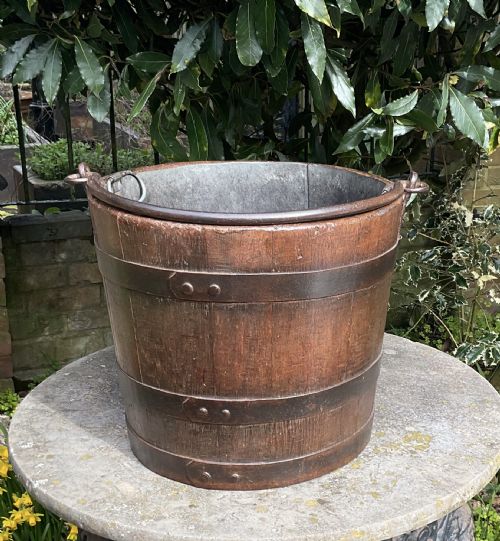


Oak Wooden Bucket
An oak wooden bucket brings tactile warmth and utilitarian heritage into a room, serving as a versatile container for fuel, plants, or walking sticks.
Oak Wooden Bucket
An oak wooden bucket encompasses a diverse group of domestic and maritime vessels, spanning utilitarian coal bins, peat buckets, wine coolers, and umbrella stands. When searching for an oak wooden bucket, buyers encounter various functional forms created for hearthside fuel storage, garden planting, or interior display. These items bridge the gap between practical domestic utility and decorative antique furnishing.
The pieces on this page heavily feature coopered construction, utilising individual vertical staves bound together by metal bands. Common nineteenth-century and early twentieth-century examples range from rustic country grain measures and butter tubs to refined brass-bound umbrella stands and silver-plated ice buckets. Victorian, Edwardian, and Georgian periods supply the majority of these durable vessels.
Domestic roles for these vessels shifted over time from active service in kitchens, ships, and gardens to decorative storage in reception rooms and hallways. A buyer is most likely to meet coopered coal buckets, log bins, and stick stands fashioned from solid oak with contrasting metal furniture. Their robust construction ensures they remain practical containers for modern homes.
Materials and Construction Techniques
The manufacture of these vessels relies heavily on traditional cooperage, where skilled artisans shaped individual oak staves to form curved bodies. These staves fit tightly together within grooves at the base and relied on tension provided by external metal bands to remain watertight and secure. Oak supplied the durable structural foundation, prized for its grain and resistance to moisture.
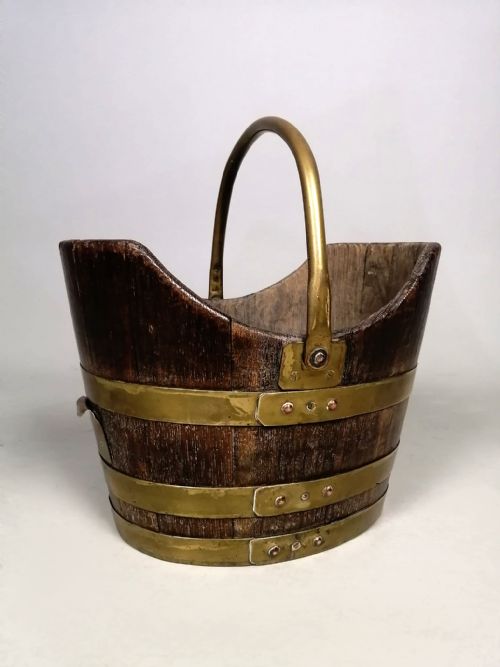
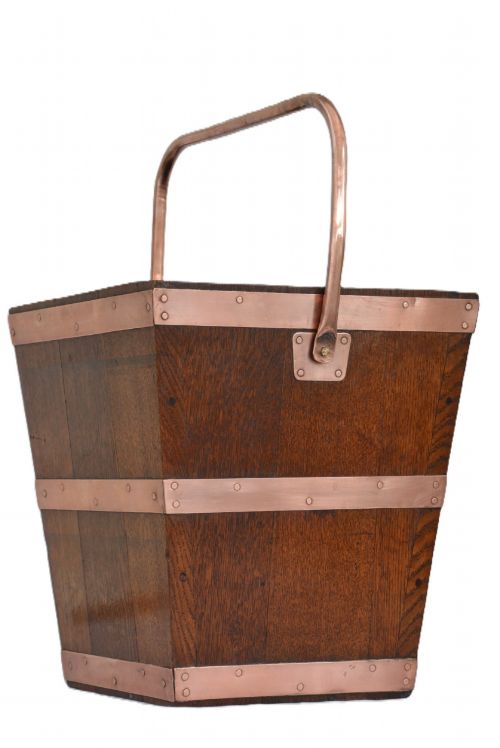
Makers reinforced the wooden bodies using metal hardware, most commonly brass, copper, iron, or wrought iron bands and swing handles. Some refined Edwardian iterations incorporated silver plating or ceramic liners, shifting the vessels from purely utilitarian workshops into more formally styled drawing rooms and dining spaces.
The archive records versatile forms ranging from maritime rum barrels and merchant navy grog tubs to domestic coal scuttles and umbrella stands.
Judging Quality in Coopered Vessels
Quality in these vessels rests upon the precision of the cooperage and the integrity of the surviving materials. Tighter joints between the oak staves and well-fitted baseboards indicate superior craftsmanship from the outset. The choice of metalwork also distinguishes everyday utilitarian gear from finer parlour pieces, with heavy cast brass bands and original liners representing higher standards.
Condition and originality dictate the standing of an example within the market. Retaining original metal banding, authentic interior liners, and untouched patination on the timber separates well-preserved specimens from heavily restored or assembled pieces. The harmony between the oak body and its metal furniture remains a primary indicator of enduring design merit.
Lister and Co
The Oak Wooden Bucket Glossary
- Coopered
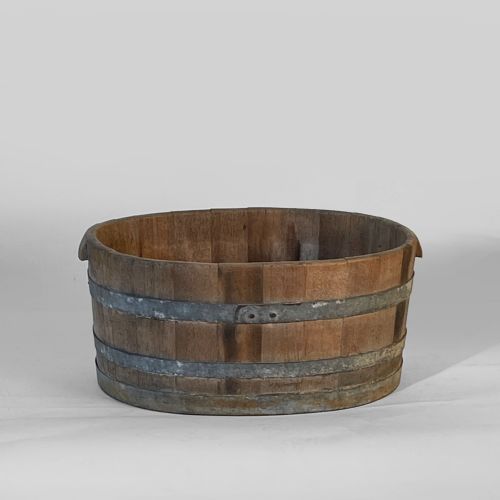
- Constructed from curved wooden staves bound together with tight-fitting metal hoops to form a watertight or structurally sound cylinder. This traditional method formed barrels, tubs, and buckets before modern moulding techniques.
- Purdonium
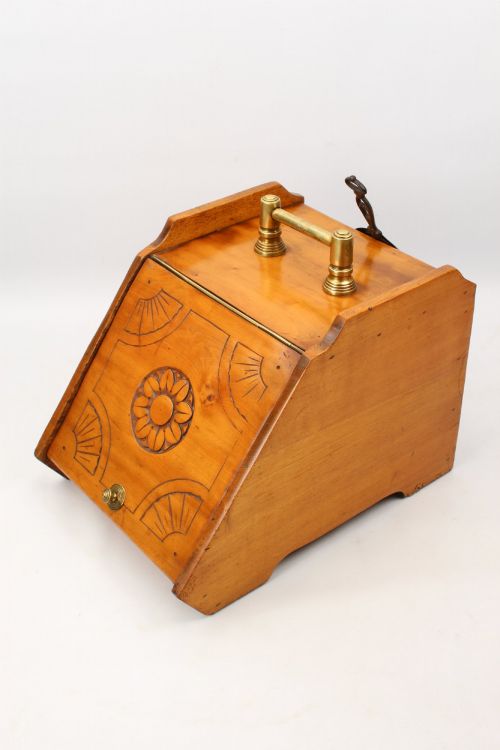
- A specialised Edwardian coal box or cabinet designed to hold solid fuel neatly beside the fireplace. These typically feature hinged lids and drop-front mechanisms for domestic convenience.
- Jardiniere
- An ornamental pot or stand designed to hold growing plants or floral displays indoors. These vessels frequently utilise coopered wooden bodies with metallic liners to protect the wood from moisture.
- Treen
- Small handmade wooden household objects and vessels created before the widespread adoption of mass production. The term encompasses turned and carved containers used in daily domestic life.
- Grog Tub
- A nautical container utilised on ships for mixing and serving the daily rum ration to sailors. These items are typically coopered from oak and secured with heavy brass bands.
Oak Wooden Bucket: Frequently Asked Questions
What were oak wooden buckets originally used for?
These vessels served demanding daily roles across domestic, maritime, and agricultural settings. They held coal and peat by the hearth, stored wine or ice in dining rooms, measured grain, or contained water and garden plants.
Over generations, their practical duties evolved as central heating and modern plumbing replaced them. Today, owners repurpose these sturdy containers as stylish fireside log bins, umbrella stands, and planters.
How can I tell a Victorian bucket from a Georgian one?
Georgian examples often display heavier, simpler utilitarian proportions associated with country houses, farmyards, or early well hardware. Their construction reflects the hand-tool methods of the eighteenth century.
Victorian and Edwardian pieces frequently exhibit more decorative metalwork, such as polished brass bands, paw feet, or specialised liners, reflecting the refined domestic tastes of later eras.
Are these buckets still watertight?
Most antique coopered vessels have dried out over decades or centuries of indoor use, causing the wooden staves to contract slightly. As a result, many are no longer suitable for holding standing liquids without a modern liner.
For decorative displays, dried botanicals, logs, or potted plants, this minor structural change has no impact on their utility or visual appeal.