
19th Century Tub
A 19th century tub brings curved comfort and sturdy utility to a room, spanning deep-seated library armchairs and heavy copper vessels.
19th Century Tub
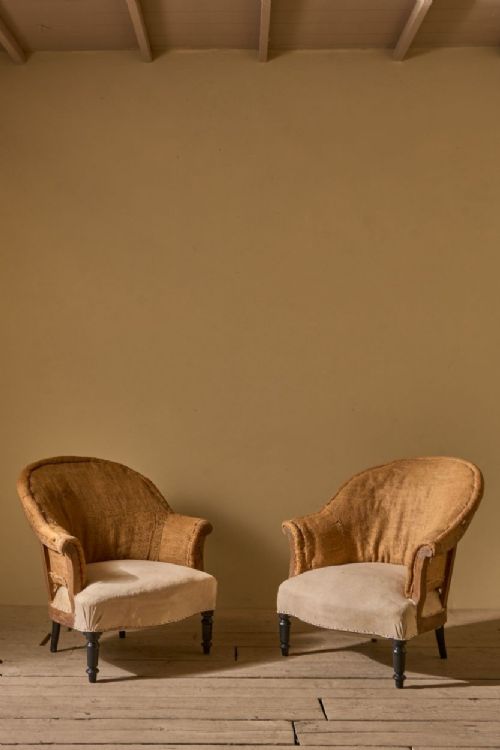
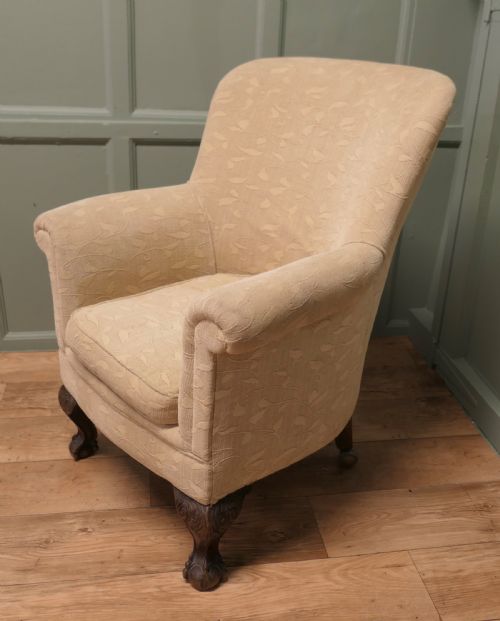
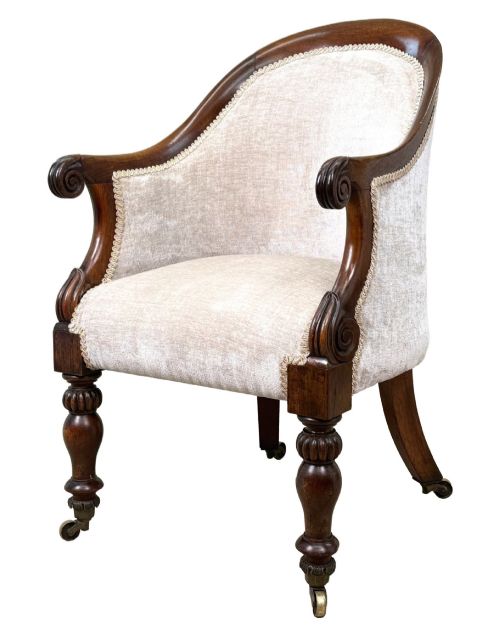
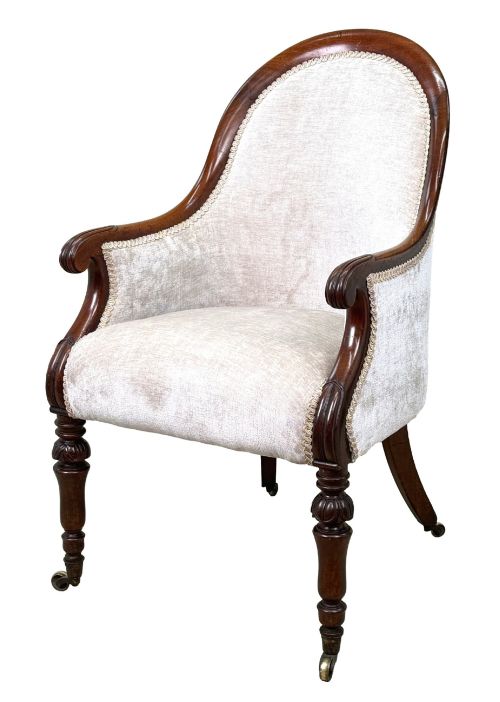
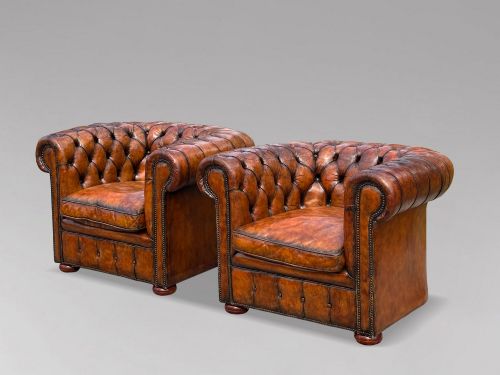
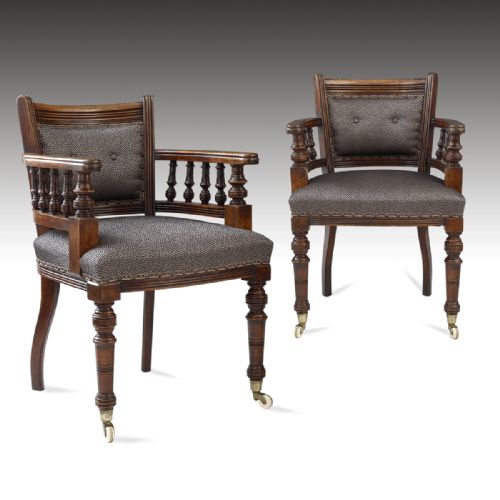
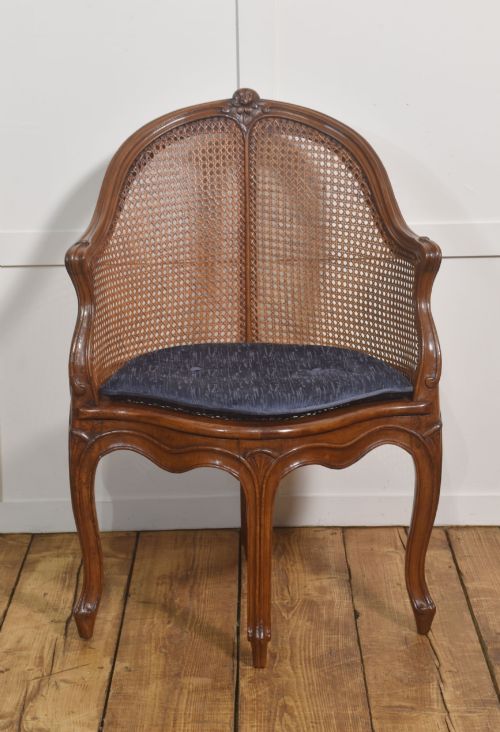
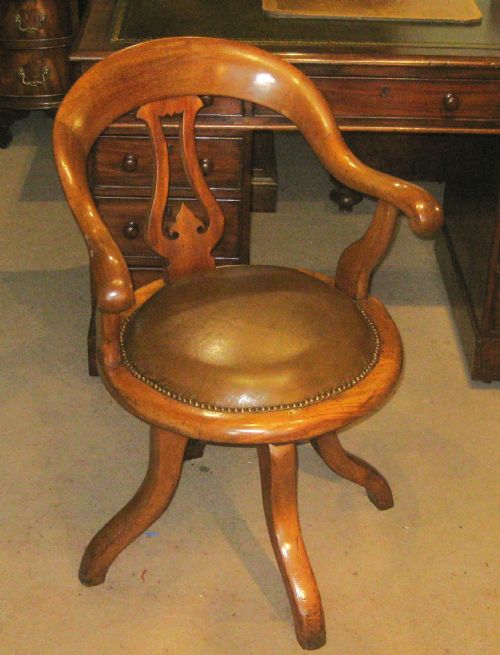
When searching for a 19th century tub, buyers encounter two distinct categories: rounded seating such as library armchairs, smoker's bows and club chairs, alongside utilitarian vessels including copper pots, planters, log bins and washing tubs.
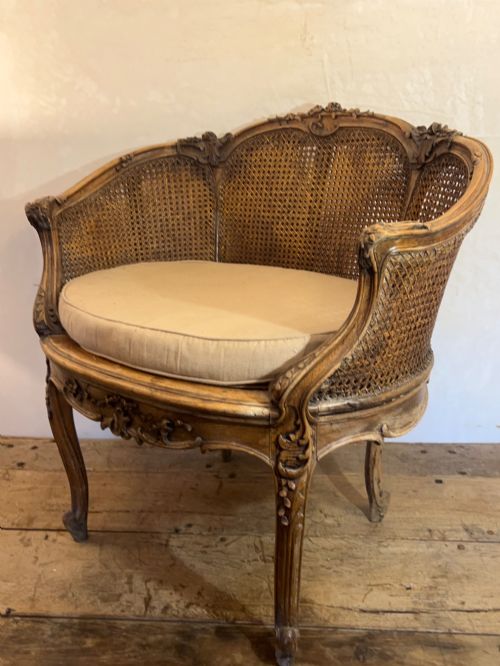
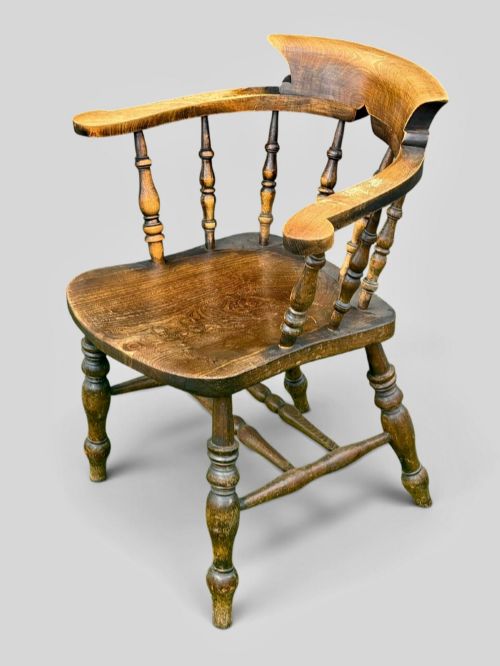
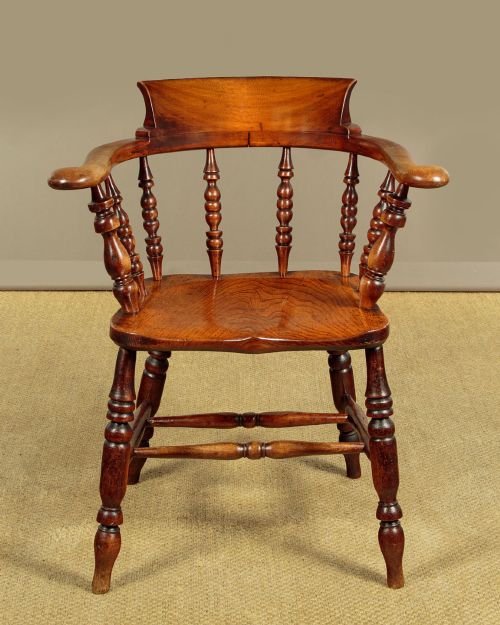
Seating examples typically feature a continuous curved back enclosing the sitter, appearing in mahogany, rosewood, walnut, beech and elm with leather or fabric upholstery.
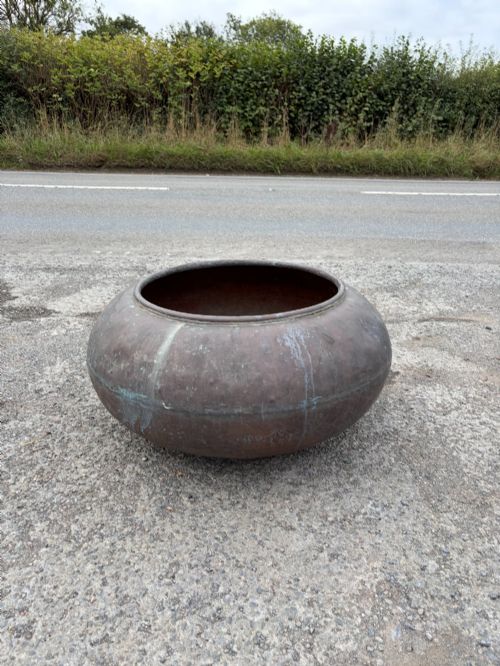
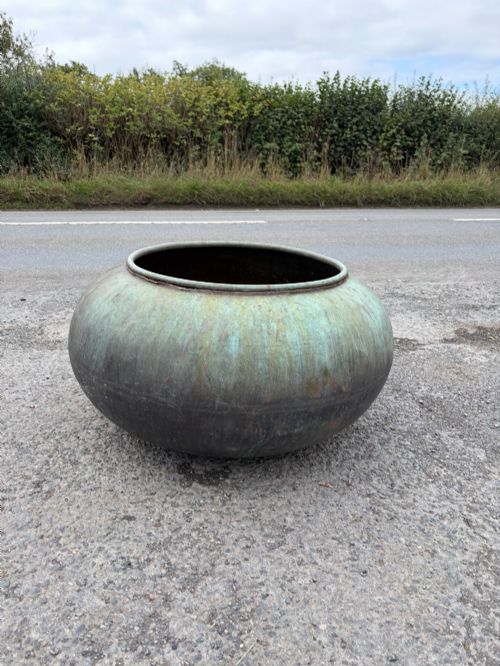
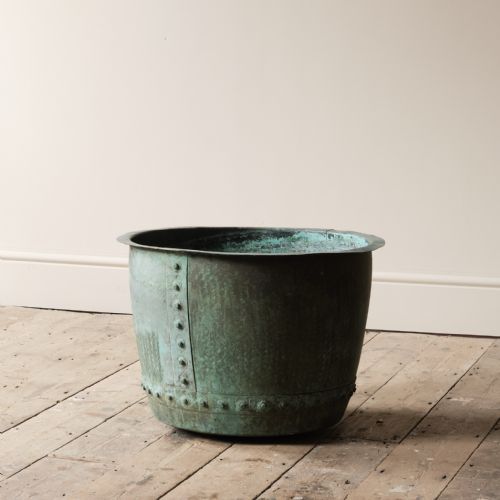
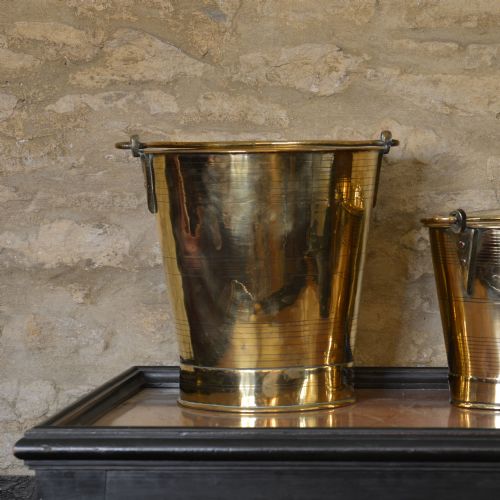
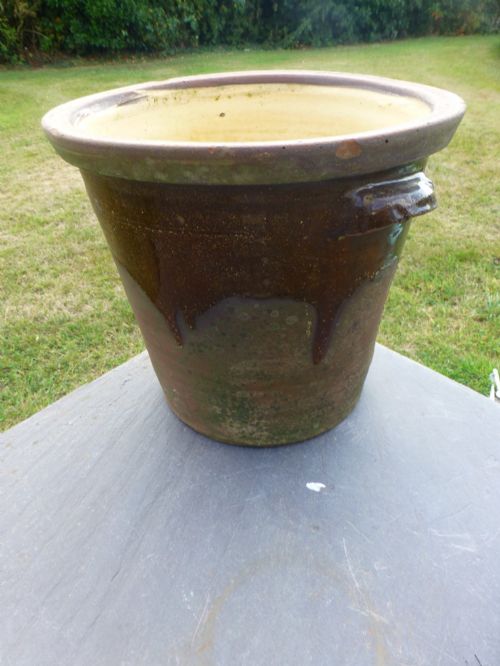
The vessel forms range from hand-riveted copper planters and brass campaign buckets to coopered wooden bins and terracotta crocks, reflecting domestic and garden storage uses of the period.
How they were made
Timber seating relied on traditional joinery, turning and steam-bending for the curved wooden frames, while metal and ceramic vessels involved hand-riveting sheet copper, casting iron, and throwing or glazing terracotta.
Upholstered chairs utilised horsehair stuffing, coil springs and buttoning secured beneath leather or textile coverings, while coopered wooden tubs used metal bands to bind wooden staves together without glue.
Vessels on this page span copper, brass, iron, zinc, terracotta and coopered wood.
What varies in quality
Quality rests in the integrity of the original construction, such as tight joints in wood, the weight and hand-finished riveting of copper vessels, and the retention of original surfaces.
Pieces bearing maker stamps or attributed to notable cabinet makers command attention for their refined proportions, choice timbers and superior upholstery execution.
Howard and Sons·Holland and Sons·Mackenzie and Mitchell·Barr Flight and Barr·Cope and Collinson·Elkington
The 19th Century Tub Glossary
- Coopered
- Made by a cooper using wooden staves bound with metal hoops to hold liquids or dry goods.
- Smoker's Bow
- A low-backed wooden Windsor armchair with a rounded continuous arm rail, common in the nineteenth century.
- Patina
- The surface sheen and colour developed through age, handling and use over many decades.
- Jardinière
- An ornamental pot or stand designed to hold growing plants or flowers indoors.
- Campaign
- Portable furniture or equipment constructed for military officers on active service overseas.
19th Century Tub: Frequently Asked Questions
Where were tub chairs used?
These rounded chairs served primarily in studies, libraries and drawing rooms where deep, enclosed seating offered comfort during reading or conversation. They also appeared in offices and smoking rooms.
Their compact, curved profile allowed them to sit comfortably in corners or beside desks without dominating smaller Victorian and Georgian floor plans.
How were copper vessels used?
Large copper pots and bins functioned domestically for washing, carrying water or storing logs by the hearth. Many were robust enough for daily farm or scullery work.
Today, buyers repurpose these heavy metal containers as indoor planters, umbrella stands or decorative fireside log baskets.
How do I care for leather upholstery?
Nineteenth-century leather benefits from gentle cleaning and occasional conditioning to maintain suppleness and prevent the dry cracking common in older hide.
Avoid placing leather chairs near direct heat sources or strong sunlight, which accelerates fading and drying of the historical material.
What is a coopered tub?
A coopered tub is constructed from vertical wooden staves fitted tightly together and secured by exterior metal bands rather than solid carved wood.
This traditional technique kept wooden washing tubs and oyster buckets watertight through the natural expansion of wet timber against the metal hoops.
How do I date a wooden tub chair?
Dating relies on timber choices, such as Regency rosewood versus late Victorian beech and elm, alongside construction details like screw types and castors.
Makers' stamps, paper labels and distinct regional Windsor chair turning styles also help narrow the decade of manufacture.