
Antique Wooden Treen
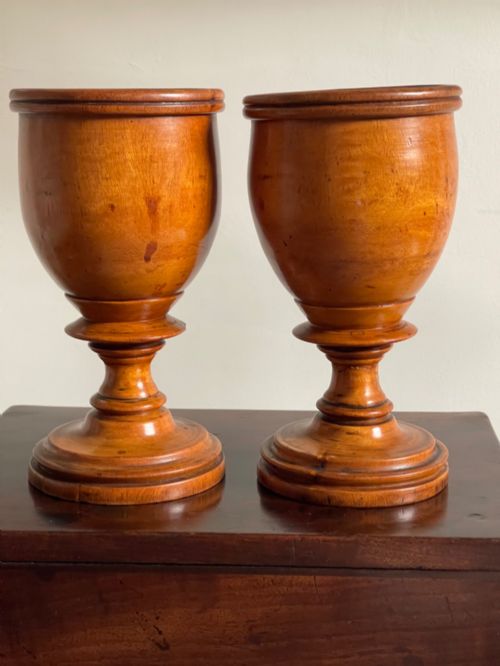
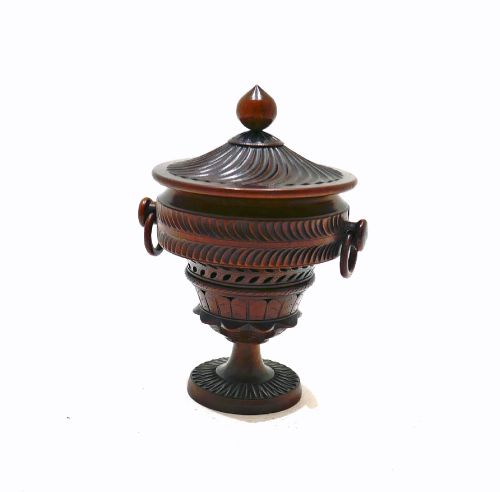
Antique wooden treen brings domestic utility into the present through carved fruitwood, oak, and ash shaped by centuries of daily use.
Understanding antique wooden treen
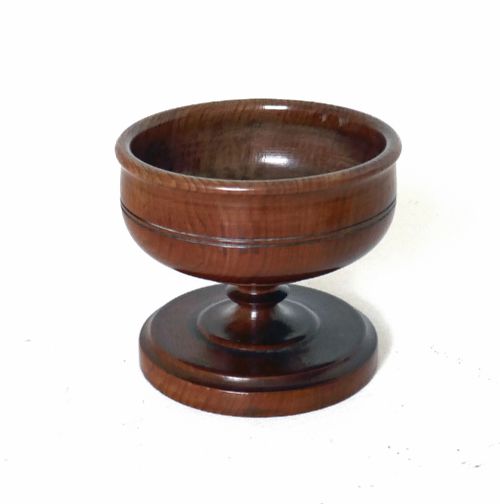
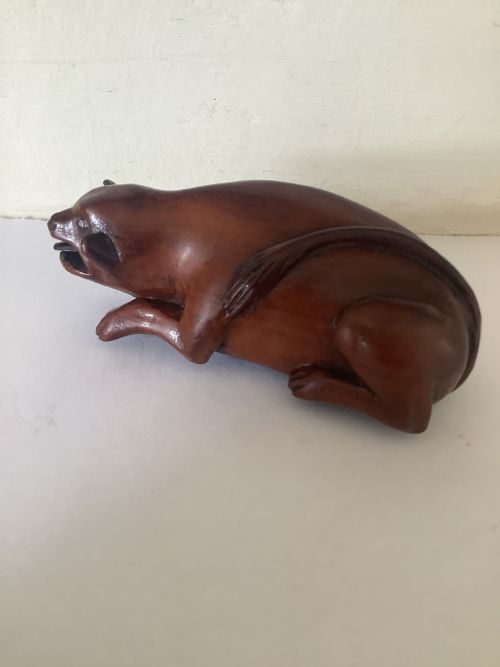
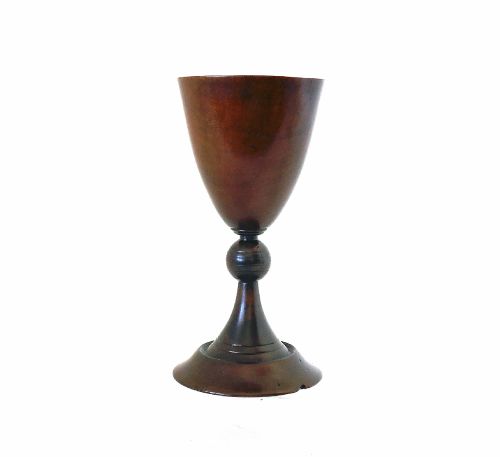
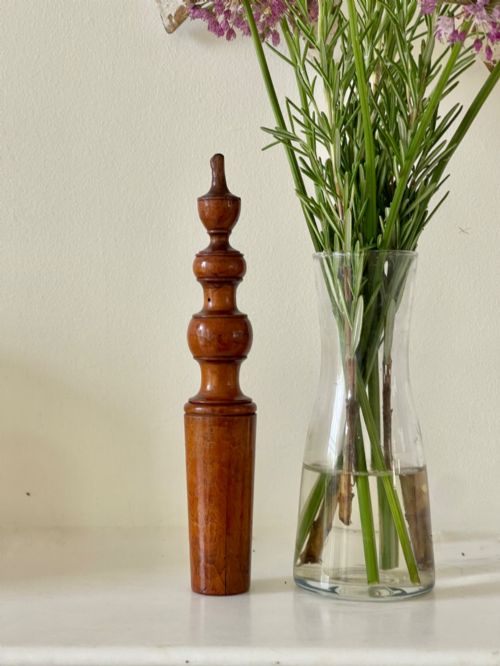
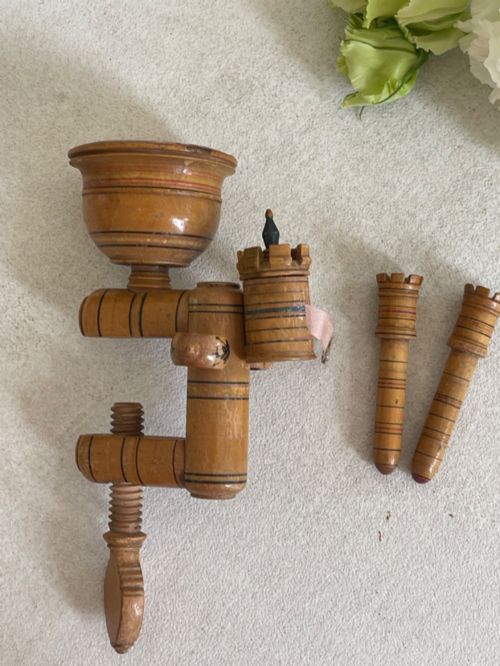
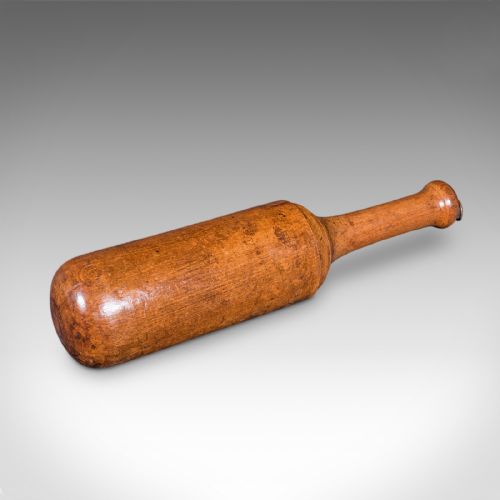
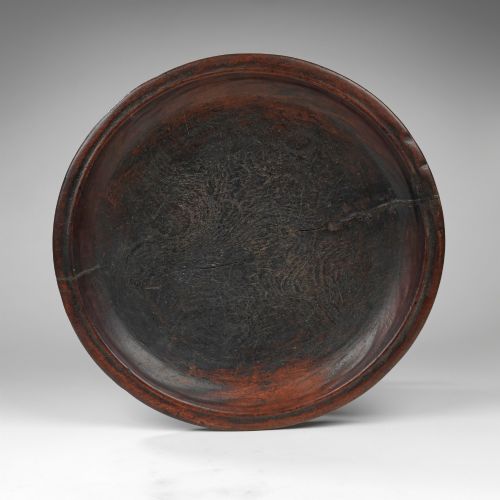
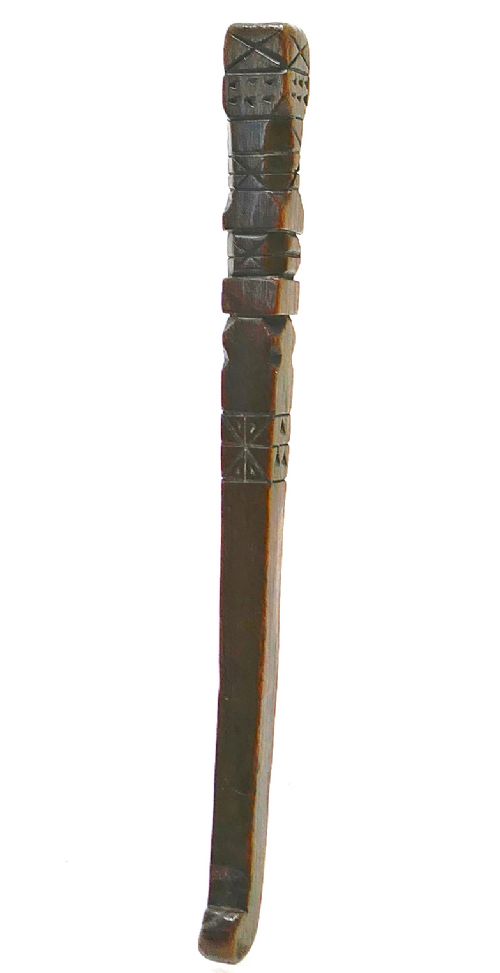
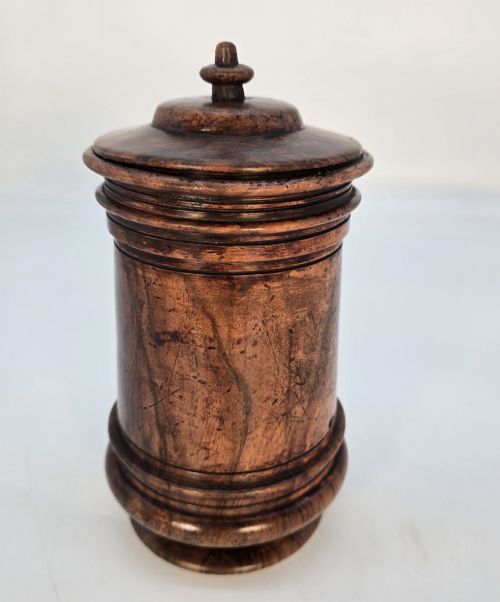
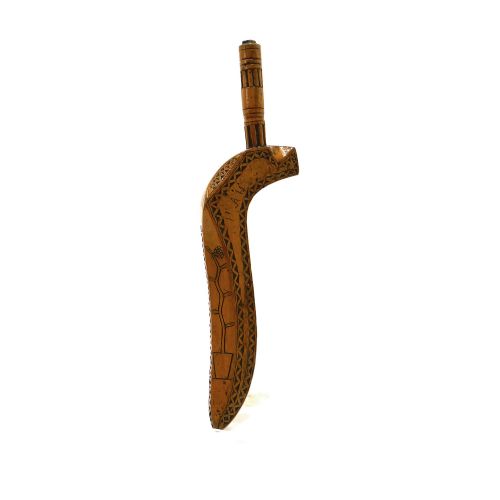
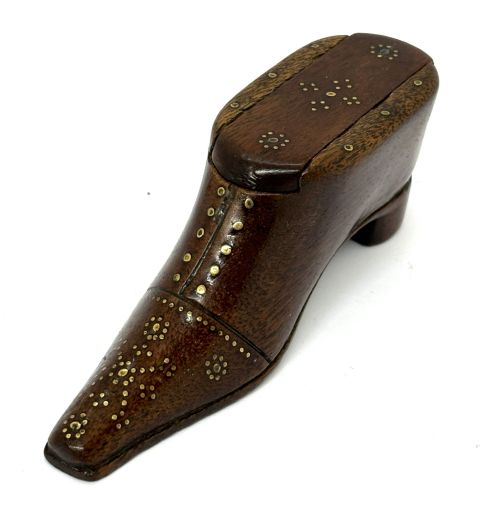
When you search for antique wooden treen, you encounter small household objects fashioned from timber across the eighteenth and nineteenth centuries. These pieces encompass utilitarian dairy bowls, butter tubs, and cheese coasters alongside decorative squirrel nutcrackers and miniature saws.
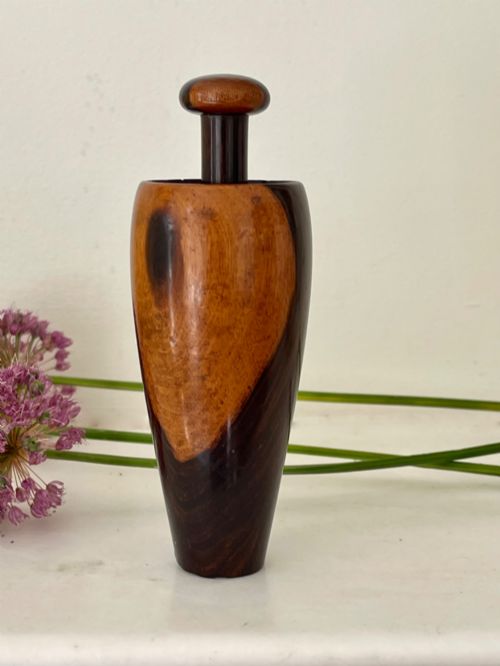
The selections available here range from rustic country stools in ash and elm to carved fruitwood and burr birch vessels. Each item reflects domestic life and hand woodworking traditions from periods including the Georgian era and the Victorian age.
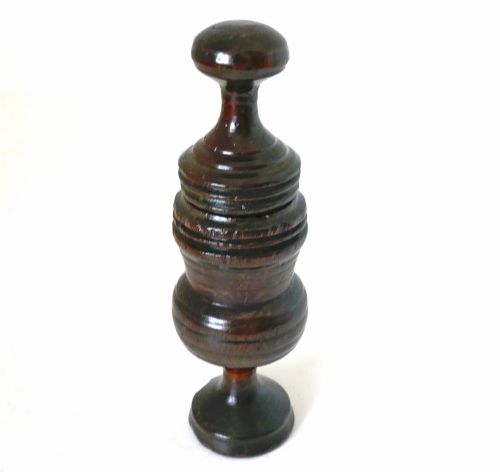
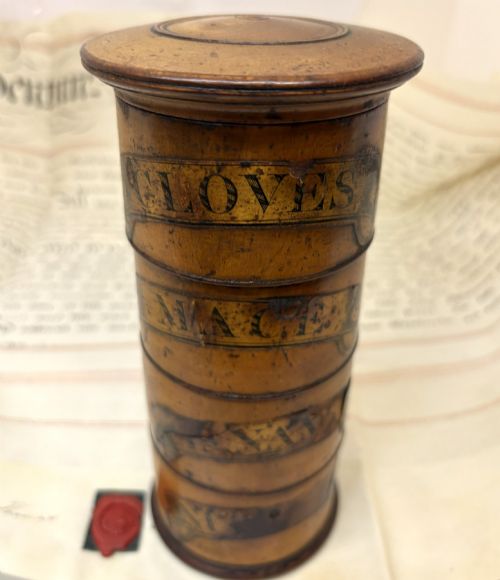
Domestic items such as puzzle boxes, document containers, and toddy ladles frequently appear alongside utilitarian dairy items. These smaller domestic artefacts capture the intersection of practical household tasks and decorative wood carving.
Materials and construction methods
The construction relies on diverse timbers selected for specific household functions, utilising dense fruitwood, mahogany, oak, ash, elm, and burr birch. Makers chose these woods for their durability and grain patterns when turning vessels or carving small mechanisms.
Production techniques combine woodturning on a lathe with hand carving and joinery, evident in turned candlesticks, oval tubs, and framed miniature saws. Artisans shaped these domestic objects using traditional hand tools to produce functional items for the dairy, kitchen, and parlour.
Retail Price Guide 2026
Typical UK retail prices for wooden treen, calculated from the Sellingantiques database of over a million retail prices indexed since 2003. This retail price guide relies exclusively on Sellingantiques data; no external sources or auction records are used, so the figures do not describe the wider market.
The recorded forms span utilitarian dairy bowls and cheese coasters alongside folk art nutcrackers and miniature jigsaw puzzles.
Markers of quality and craftsmanship
Quality in these items rests on the precision of the turning and the crispness of the hand carving, particularly in figurative pieces like animal nutcrackers. Superior examples display thoughtful selection of timber grain, such as burr birch or figured fruitwood, enhancing the visual depth of the object.
The integrity of the construction and the preservation of original tool marks distinguish finer pieces from simpler utilitarian items. Wear patterns from genuine historical use should harmonise with the structural stability of the timber rather than obscure the maker's shaping.
The Antique Wooden Treen Glossary
- Treen
- Small handmade wooden objects for domestic use. The term derives from the Middle English word for tree.
- Fruitwood
- Dense timber harvested from fruit-bearing trees such as apple or pear. Carvers favoured this wood for its fine grain and smooth finish.
- Butter tub
- A wooden vessel utilised for storing or shaping dairy produce. These tubs often feature tightly coopered staves and oval profiles.
- Toddy ladle
- A small serving utensil with a wooden bowl and handle, used for stirring warm spirits. Eighteenth and nineteenth-century examples often incorporate turned details.
- Cheese coaster
- A small trolley or tray designed to hold a cheese dish on the dining table. These pieces frequently incorporate mahogany and rolling wheels.
Frequently Asked Questions
What is antique treen?
Antique treen encompasses small, functional wooden objects made for everyday domestic use before the widespread adoption of plastics and mass manufacturing.
These items include kitchenware, tableware, and personal accessories shaped by hand from various native and exotic timbers.
How were wooden dairy bowls used?
Wooden dairy bowls served in farmhouses for setting milk to allow the cream to rise to the surface.
Once separated, the cream was skimmed off for butter making, making these large wooden vessels essential to rural agricultural routines.
How do I date antique wooden items?
Dating relies on observing tool marks, timber species, construction methods, and the style of wear accumulated through use.
Georgian and Victorian pieces exhibit specific turning techniques and hardware conventions that help establish their period of origin.
How should I care for treen?
Treen requires stable environmental conditions away from direct heat sources and drastic humidity changes to prevent the timber from splitting.
Applying occasional neutral wax helps maintain the natural lustre of the aged wood surface without altering the patina.