
Antique Wooden Throne
An antique wooden throne stands as a commanding seat of authority, offering heavy carved presence and historical depth to any room.
Antique Wooden Throne
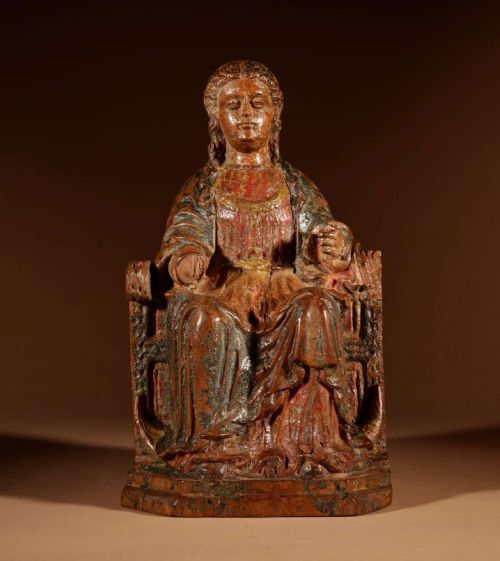
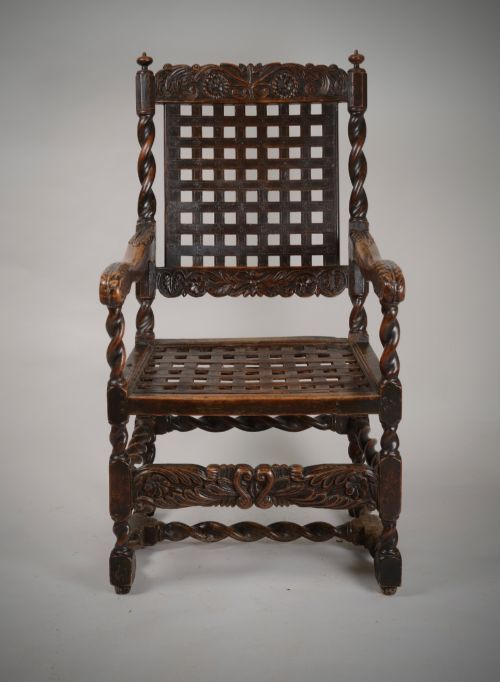
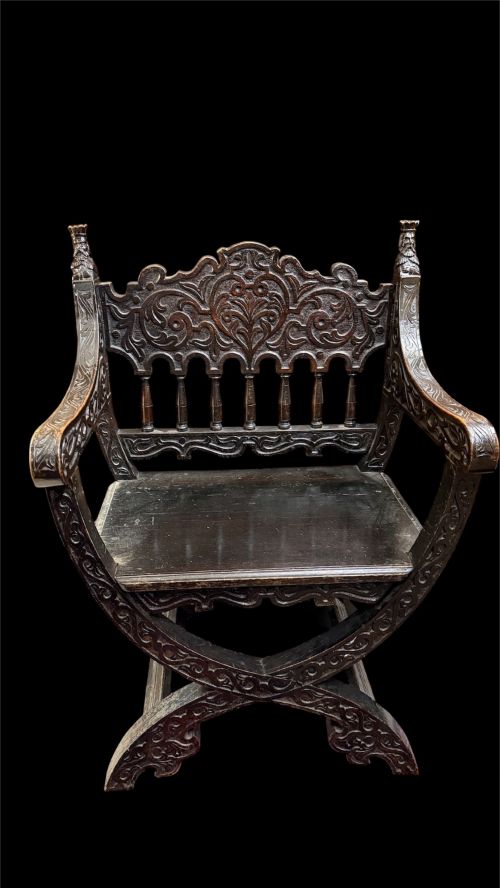
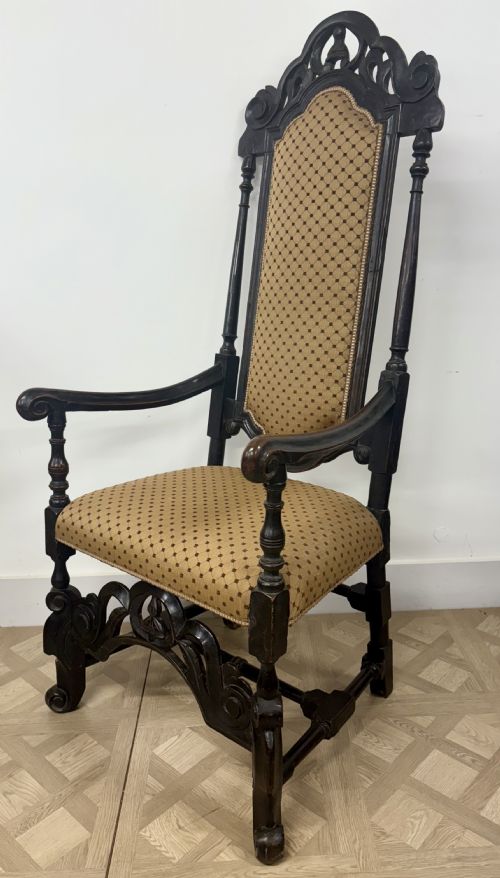
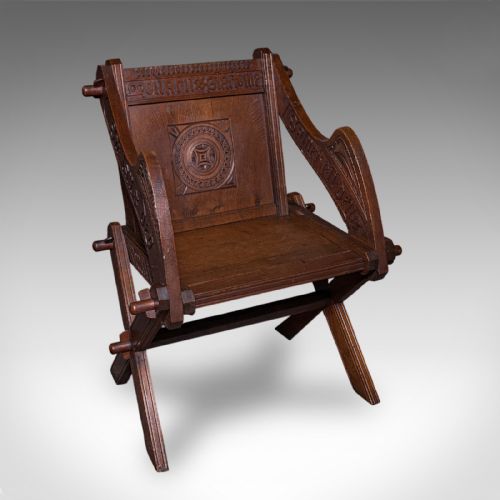
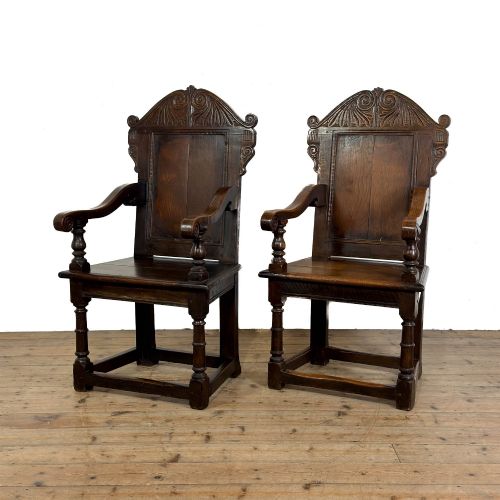
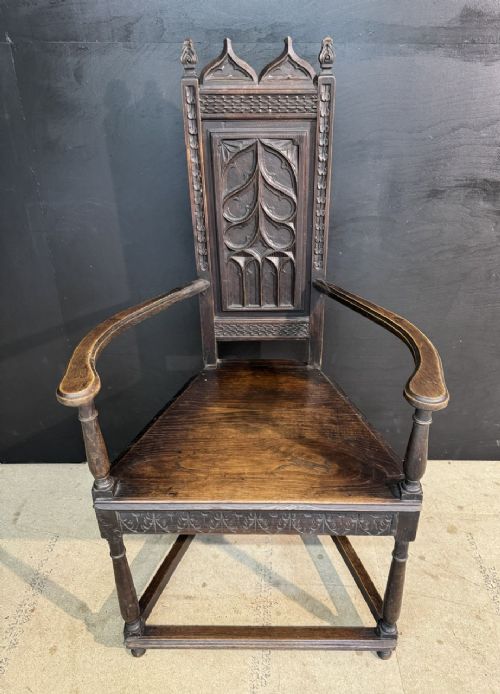
An antique wooden throne encompasses imposing seating forms such as wainscot armchairs, high-backed hall chairs, and heavy benches rooted in centuries of craftsmanship. These grand seats originate across English, European, and Asian traditions, spanning periods from the sixteenth century through the Victorian era and into nineteen hundred.
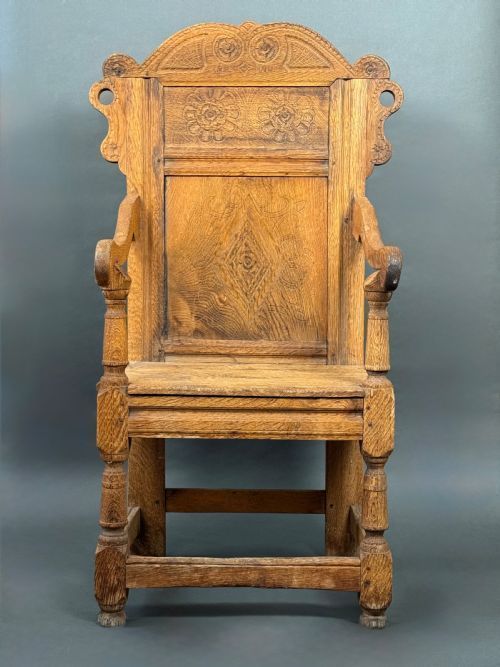
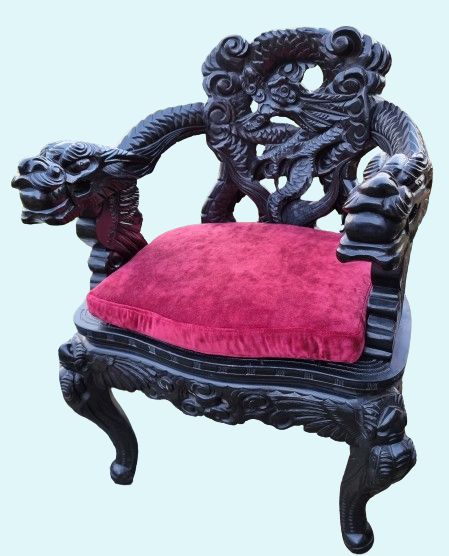
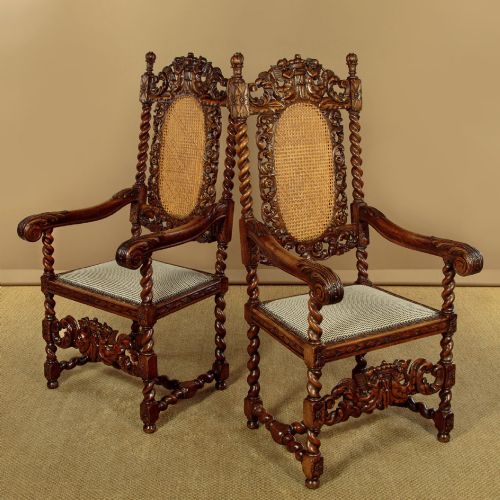
Buyers seeking this phrase encounter solid oak wainscot chairs from seventeenth-century English and Welsh workshops alongside walnut armchairs shaped in revivalist styles. Lighter exotic variants in hardwood and rosewood also appear, reflecting diverse regional interpretations of monumental seating.
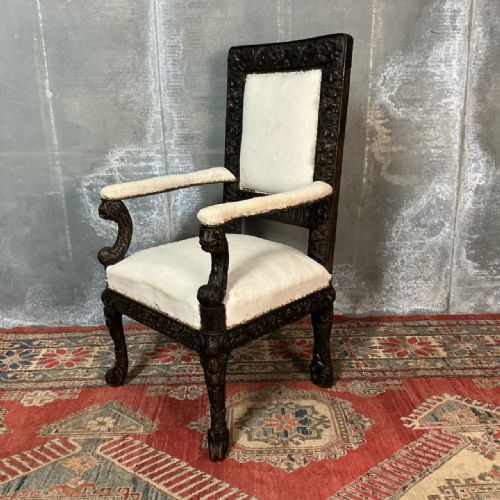
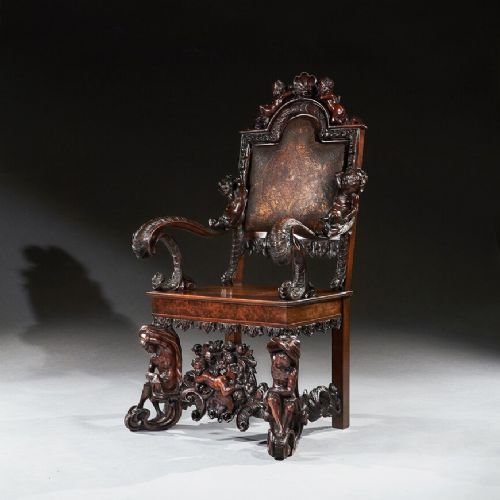
The selection ranges from sturdy oak provincial armchairs designed for domestic authority to exhibition-quality carved walnut and giltwood creations influenced by baroque and renaissance aesthetics. Each piece serves as a focal point, combining architectural joinery with deep historical resonance.
How they were made
Construction relies heavily on sturdy timbers such as oak, walnut, fruitwood, and imported hardwoods, joined using traditional mortise and tenon methods suited to heavy loads. Master carpenters shaped these materials with hand chisels and saws, producing deeply recessed panels and structural frames designed to endure.
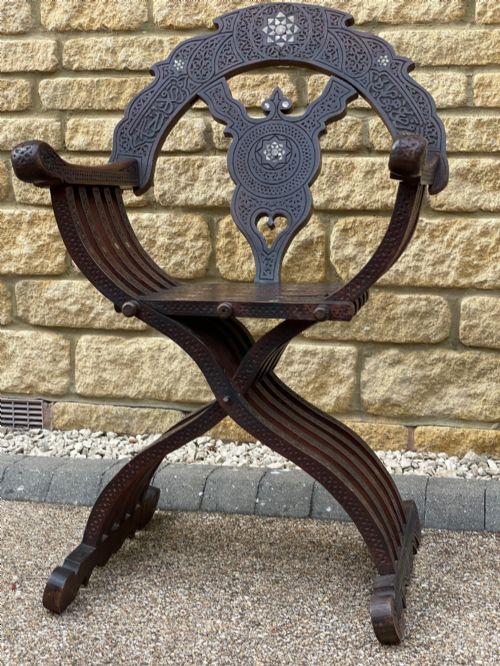
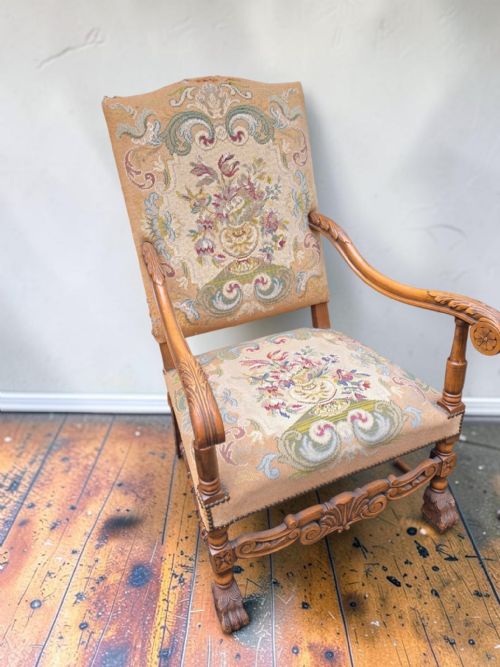
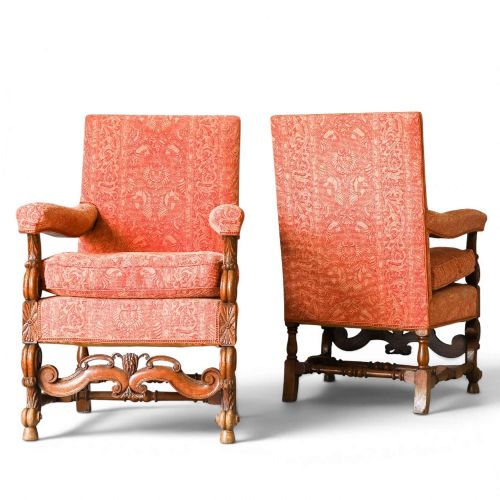
Surface embellishment involves intricate relief carving, geometric punchwork, and applied mouldings, occasionally complemented by mother of pearl inlay or gilt finishes. Some examples incorporate upholstered elements in tapestry or textile, secured with iron tacks to soften the rigid wooden framework.
Antique Wooden Throne Retail Price Guide 2026
Typical asking prices for wooden throne among the pieces listed under this phrase on Sellingantiques today, from the lower quarter to the upper quarter. They describe what is for sale here now, not the wider market.
Listings feature solid oak and walnut frames spanning the seventeenth to the nineteenth centuries, alongside exotic hardwoods and gilt finishes.
What varies in quality
The degree of artistic ambition in the carving distinguishes ordinary provincial seating from exceptional exhibition pieces, where sculptors utilised deep undercut relief and dynamic figural motifs. Crispness of detail in the foliate and anthropomorphic carvings indicates the skill of the original workshop.
The integrity of the timber and the retention of original surface patination dictate visual success, with untouched timber surfaces commanding greater aesthetic weight. Proportion and structural mass also define the hierarchy, as larger, more commandingly scaled frames project genuine authority over smaller utilitarian versions.
Andrea Brustolon
The Antique Wooden Throne Glossary
- Wainscot chair
- A solid wooden armchair constructed with panelled backboards and heavy turned legs, common in seventeenth-century English interiors. This form provides a rigid, upright seat associated with heads of households.
- Giltwood
- Timber coated with a thin layer of gold leaf or gilt finish over a prepared ground. This decorative treatment enhances theatrical grandeur on baroque and revival armchairs.
- Revival
- A nineteenth-century stylistic movement reproducing historical aesthetics such as Jacobean, Gothic, or Renaissance designs. Makers utilised older visual vocabularies to create monumental furniture for contemporary interiors.
- Turned chair
- Seating constructed primarily from cylindrical wooden spindles shaped on a lathe, often associated with vernacular sixteenth and seventeenth-century domestic production. The components interlock to form an open, architectural cage.
- Settle
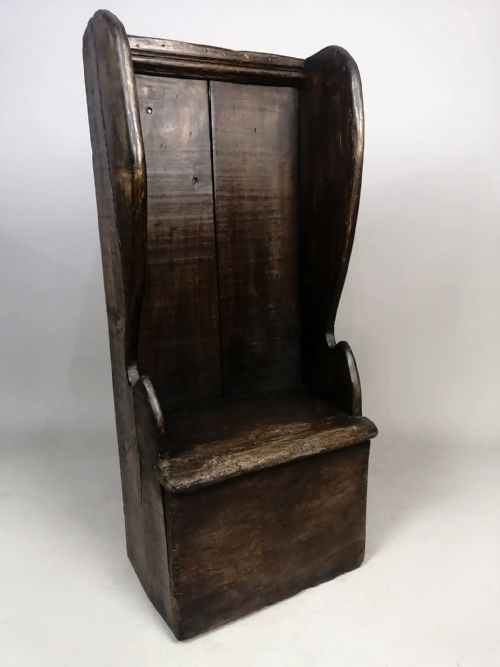
- A wooden bench featuring a high solid back designed to block draughts, often fitted with enclosed storage beneath the seat. These communal forms occupied a central position beside the hearth.
Antique Wooden Throne: Frequently Asked Questions
Where were these chairs used historically?
These imposing seats historically occupied positions of status within great halls, ecclesiastical settings, civic chambers, and wealthy domestic interiors. They marked the seat of the head of the household, a judge, or a dignitary presiding over gatherings.
In domestic spaces, their high panelled backs protected occupants from cold draughts near large fireplaces. Over time, their symbolic weight transformed them into decorative statements of heritage and power.
How do I distinguish seventeenth-century oak from later revivals?
Seventeenth-century oak pieces display authentic vernacular joinery, pegged joints, and surface patination accumulated through centuries of use. The timber exhibits natural wear patterns and tool marks consistent with hand-cleaved and adzed construction methods.
Nineteenth-century revival examples often feature machine-sawn components, more uniform wood grain, and historically self-conscious decorative programmes that mimic earlier styles. Examining the interior construction and the method of timber preparation clarifies the true age of the piece.
How do I live with an antique throne?
Living with a heavy wooden throne involves positioning it as a primary focal point against a solid wall or within a sufficiently spacious room. Because of their monumental scale and commanding presence, they require breathing room to display their carved details and architectural framing.
Protecting the wood from direct heat sources and sudden humidity changes preserves the historical surface and structural integrity. They pair well with simpler modern furnishings, where their dark timbers and deep relief carvings provide striking textural contrast.