

Antique X Frame Seat
An antique x frame seat is a sturdy piece with intersecting supports, offering architectural character to a room.
Antique X Frame Seat
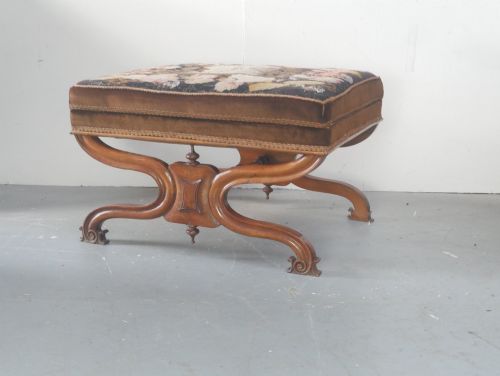
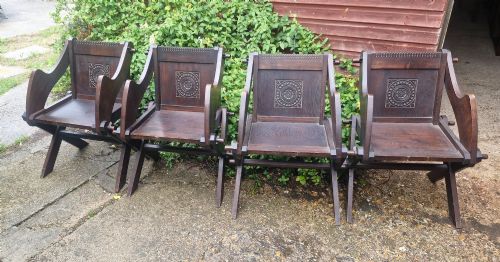
An antique x frame seat comprises stools, footstools, and dressing chairs designed with crossed structural supports beneath the upholstered or cane seating surface.
The selections span periods from the Regency era through the Victorian epoch and Edwardian decades, reflecting diverse historical revivals.
Buyers encounter compact piano stools, dressing table seats, and larger hall benches sharing this distinctive geometric underframe.
How they were made
Craftsmen utilised timbers such as mahogany, walnut, oak, and pitch pine to construct the load-bearing crossed legs.
Upholstery techniques involved traditional stuffing finished with fabric, velvet, hessian, or beadwork, alongside woven cane panels.
Antique X Frame Seat Retail Price Guide 2026
Typical asking prices for x frame seat among the pieces listed under this phrase on Sellingantiques today, from the lower quarter to the upper quarter. They describe what is for sale here now, not the wider market.
Recorded forms include folding dressing stools, piano seats, library chairs, and large footstools with beadwork or fabric upholstery.
What varies in quality
The precision of the joinery where the intersecting members cross dictates the structural integrity and longevity of the frame.
Finer examples display careful timber selection, such as figured mahogany or walnut, paired with sympathetic upholstery work.
Miles & Edwards
The Antique X Frame Seat Glossary
- X-frame
- A seating form supported by legs that cross in the shape of the letter X. This ancient architectural design provides inherent strength and visual balance.
- Cane
- Strips of rattan woven into an open pattern for seats and panels. It offers a light, resilient surface that gained popularity in Edwardian pieces.
- Giltwood
- Timber treated with a thin layer of gold leaf or gold paint. It appears on decorative salon furniture from the nineteenth century.
- Beadwork
- Embroidery created by stitching small glass beads onto a fabric ground. Victorian makers often applied this technique to piano stool tops.
- Curule
- An ancient chair shape featuring two curved legs forming an X. The term applies to classical revival stools and benches.
Antique X Frame Seat: Frequently Asked Questions
Where do I put an x frame seat?
These versatile pieces work well at the foot of a bed, beside a fireplace, or positioned beneath a dressing table.
Their compact footprint allows them to tuck neatly into hallways or act as flexible extra seating in a sitting room.
How do I care for antique wood and cane?
Dust timber frames regularly with a soft cloth and feed the wood with traditional wax periodically to prevent drying.
Keep woven cane panels slightly humidified with a damp sponge from beneath occasionally to maintain tension in the natural fibres.
Are these seats comfortable for daily use?
Stools and piano seats are designed for short periods of sitting, offering firm support rather than deep lounging.
Edwardian and Victorian padded versions with sprung interiors provide softer support suited to reading or resting.
How can I tell a Regency stool from an Edwardian one?
Regency examples often feature dense mahogany, sabre legs, and classical mounts influenced by ancient Roman designs.
Edwardian pieces frequently utilise lighter oak with cane work or simpler turned stretchers reflecting country house taste.