
Inlaid Wood Chair
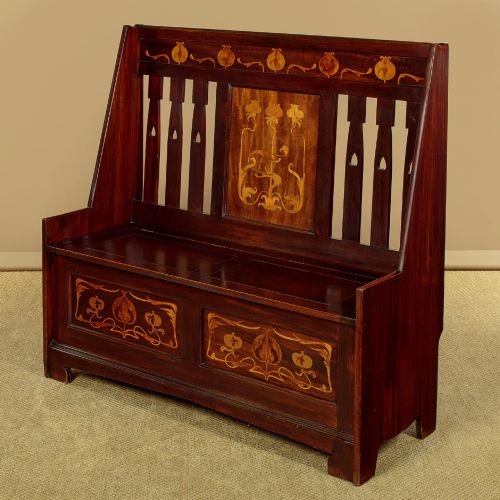
When choosing an inlaid wood chair, you examine pieces defined by intricate contrasting veneers and decorative woodwork spanning multiple centuries.
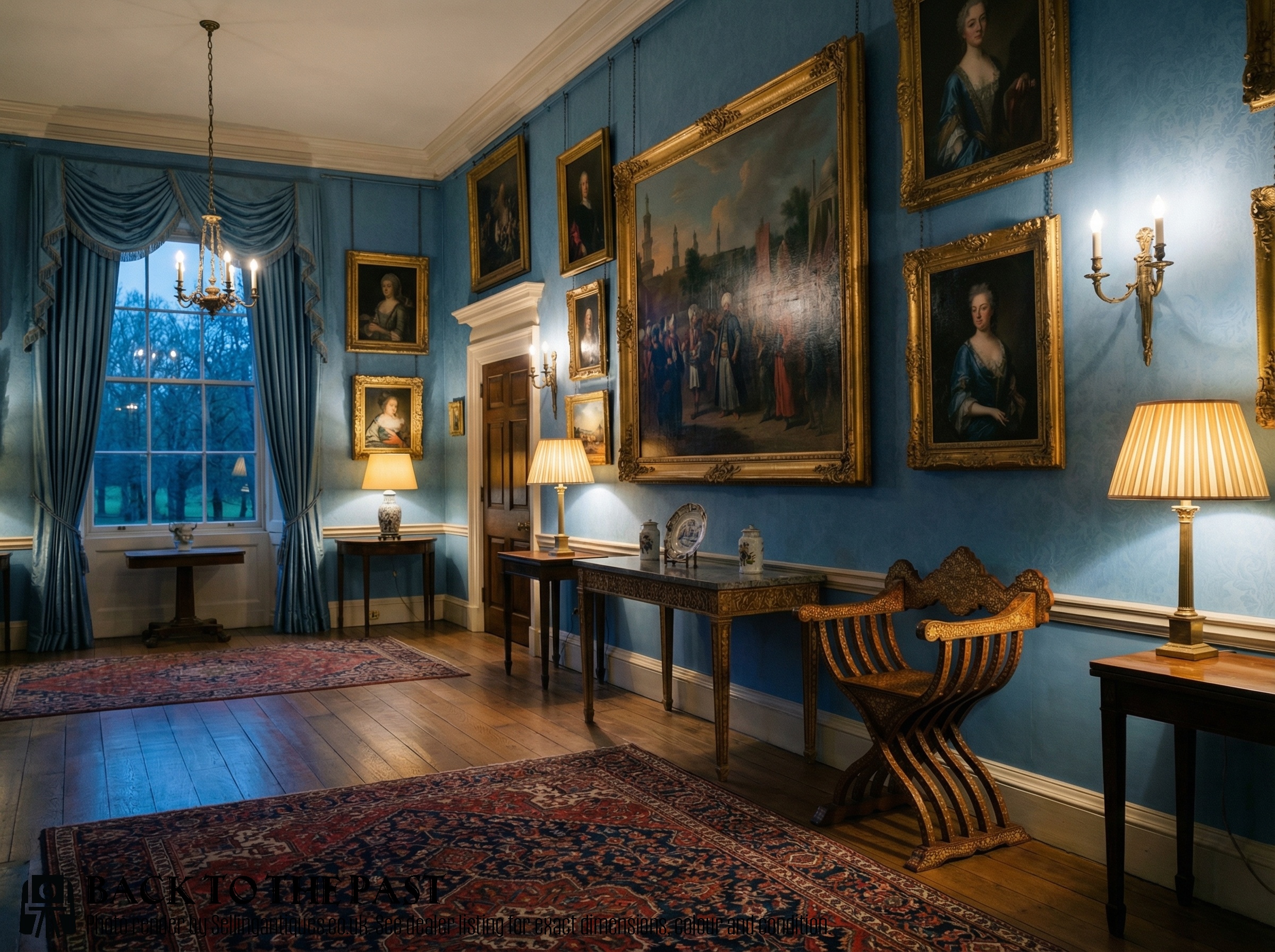
Inlaid Wood Chair
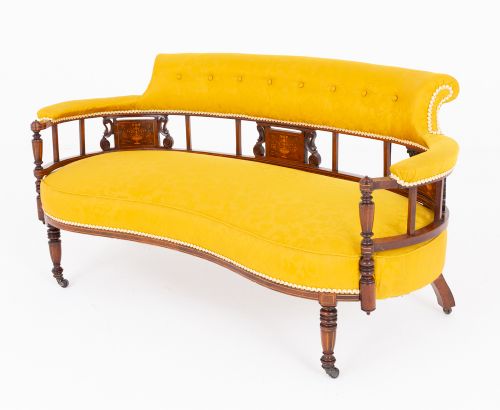
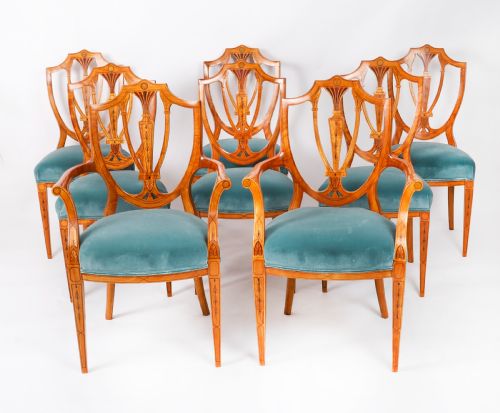
An inlaid wood chair encompasses numerous historical forms, from Georgian and Regency dining seats to Edwardian parlour pieces and Victorian salon armchairs. Buyers exploring this selection encounter diverse formats including carvers, corner chairs, rocking chairs, and larger matching suites.
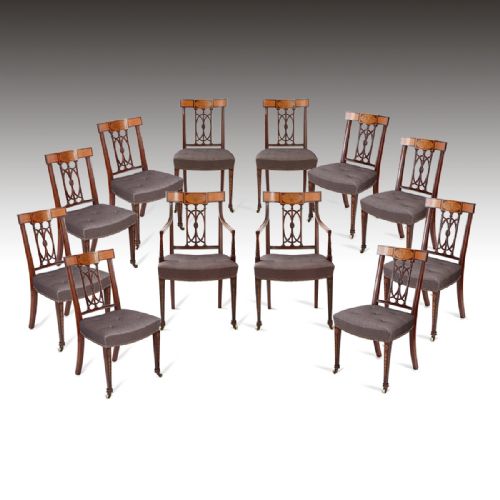
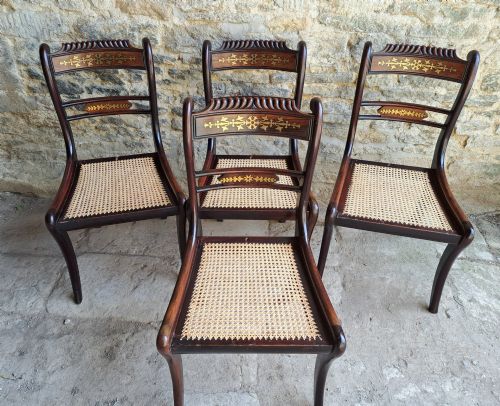
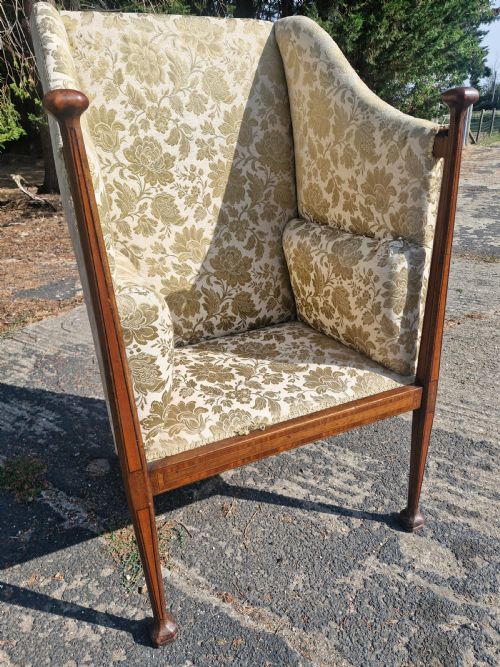
Edwardian mahogany examples with delicate satinwood banding dominate current choices, alongside earlier Regency rosewood seating embellished with brass stringing. Pieces range from single bedroom chairs to large dining sets of six or twelve items.
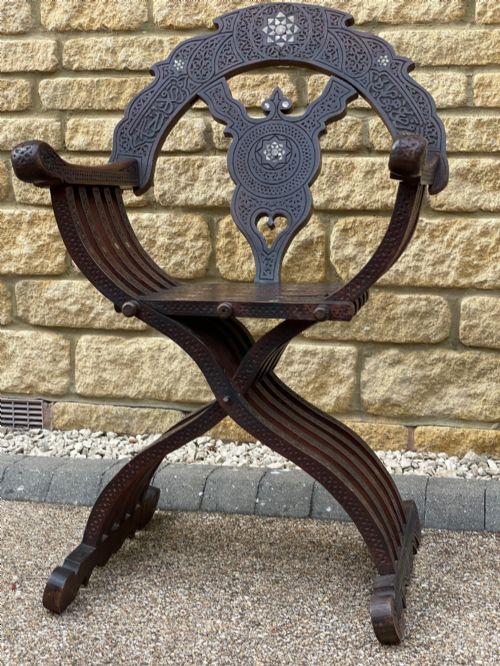
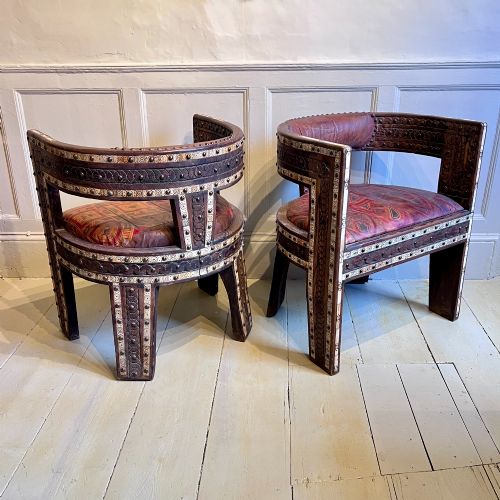
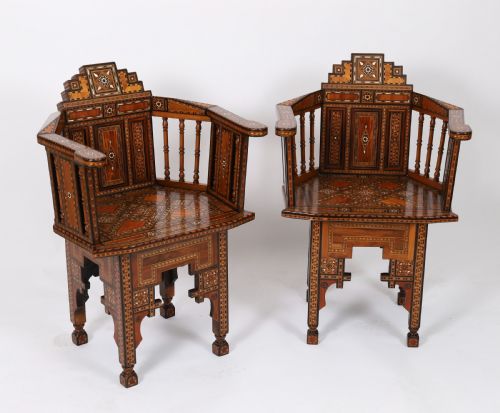
Geographic origins extend beyond British workshops to include Dutch marquetry work, Syrian mother-of-pearl decoration, and Scandinavian birch designs. Each period contributes distinct silhouettes, shifting from formal Sheraton proportions to curved Art Nouveau lines.
Materials and Construction Methods
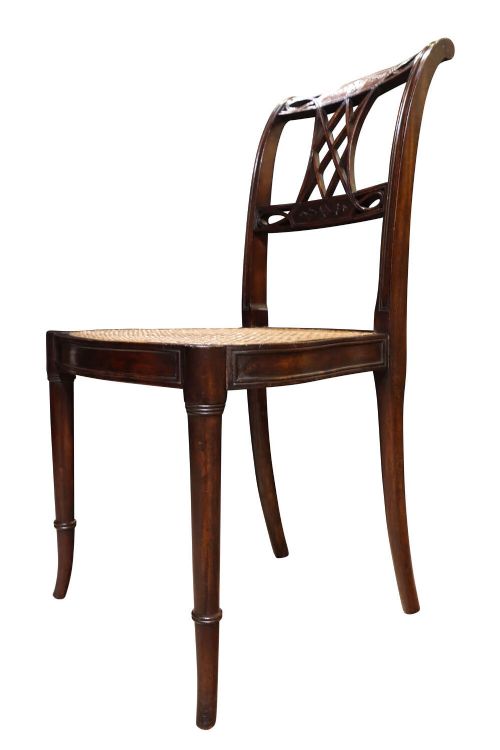
Cabinetmakers built foundational frames from dense timbers such as mahogany, rosewood, walnut, and satinwood, frequently supporting them with secondary woods like beech. Upholstered sections incorporate fabric, leather, or cane seating depending on the era of production.
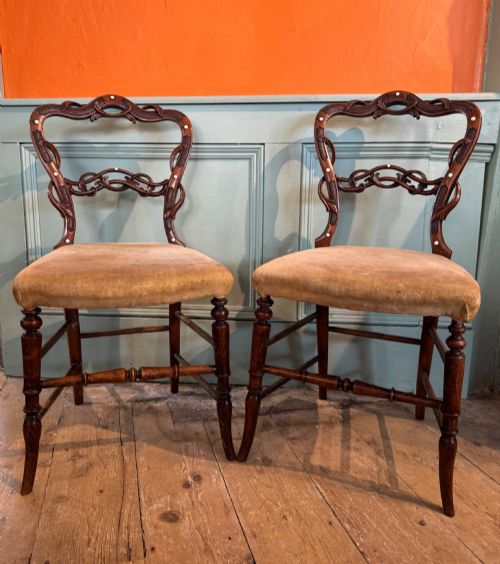
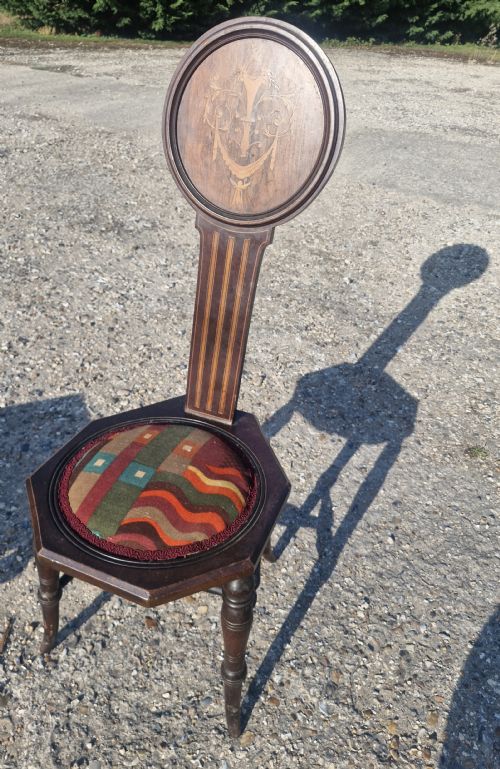
Decorative surface work relies heavily on wood inlay, marquetry, and parquetry, where contrasting veneers form floral motifs or geometric patterns. Artisans also integrated brass stringing and mother-of-pearl elements to highlight structural lines and back panels.
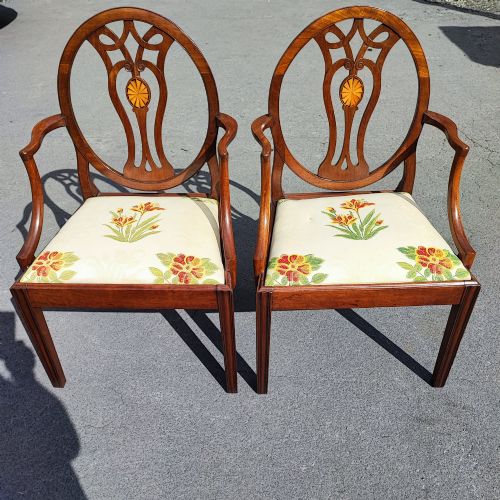
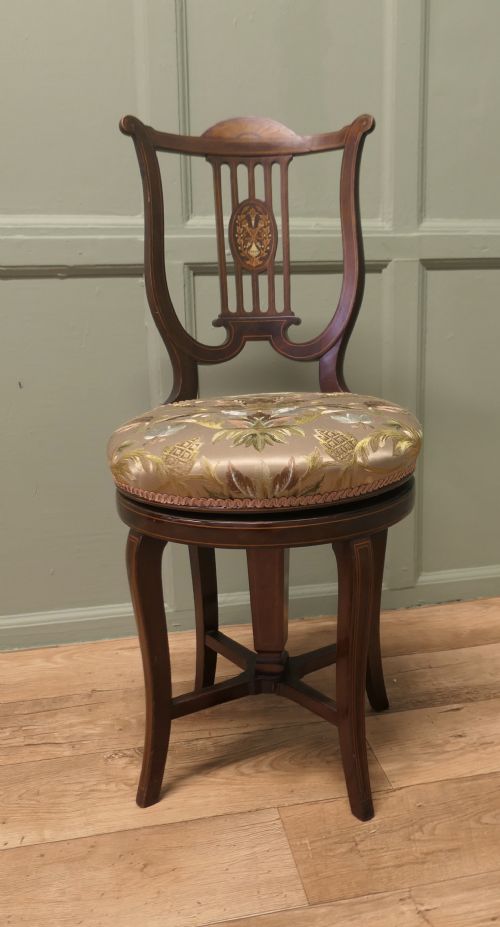
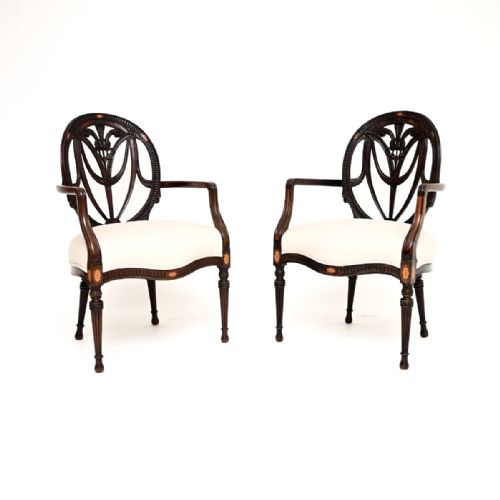
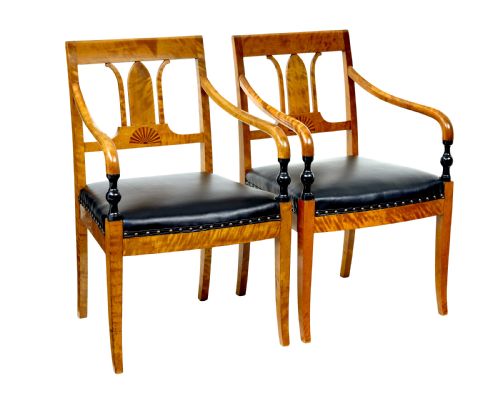
Listings feature structural forms spanning armchairs, dining sets, corner chairs, and music stools across Georgian, Victorian, and Edwardian periods.
Evaluating Craftsmanship and Design
The distinction between standard domestic seating and superior parlour pieces rests in the precision of the veneer work and the choice of primary timber. Finer examples display tightly fitted marquetry with minimal filler, utilising rich grains like figured rosewood or select satinwood.
Structural integrity and original component retention dictate overall merit, particularly in matching dining sets or complex revolving music chairs. Pieces retaining their early upholstery substructures or authentic brass inlays command greater attention from collectors.
James Shoolbred and Co·Cowtan and Sons·Liberty and Co·Lamb of Manchester·Gillows
The Inlaid Wood Chair Glossary
- Marquetry
- A decorative technique applying veneer pieces onto a structure to form pictorial or ornamental designs. It differs from simple inlay by covering the entire surface with fitted patterns.
- Satinwood
- A durable, lustrous timber native to India and Sri Lanka prized for its golden yellow colour. It provides a bright contrasting veneer in Georgian and Edwardian stringing.
- Bergere
- An enclosed upholstered armchair with a wooden frame where the sides are frequently filled with cane work. This French form appears in Regency library seating.
- Parquetry
- A geometric mosaic of wood pieces used for decorative surfaces on furniture. It creates angular patterns across table tops and chair panels.
- Sheraton Revival
- A late nineteenth-century design movement inspired by the neoclassical furniture of George Sheraton. These items feature light mahogany frames and delicate satinwood inlay.
Inlaid Wood Chair: Frequently Asked Questions
How do I date an inlaid wood chair?
Dating relies on combining stylistic markers, timber choices, and construction techniques specific to known design periods. Regency pieces often utilise brass inlay on rosewood, whereas Edwardian examples frequently feature satinwood banding on mahogany.
Examining the underside and joinery offers further clues regarding manufacturing era. Hand-cut elements and traditional joint methods generally point towards earlier Georgian and Victorian origins.
Were these chairs used for dining or display?
Function varied widely according to the specific form and room context. Dining chairs and carvers served practical daily use around tables, while salon chairs, nursing chairs, and corner pieces furnished drawing rooms and bedrooms.
Many lighter decorative chairs functioned primarily as aesthetic status symbols rather than heavy seating. Parlour suites often included matching settees alongside armchairs to create unified reception spaces.
What is the difference between inlay and marquetry?
Inlay involves cutting depressions into a solid wood surface and fitting contrasting materials like brass, mother-of-pearl, or wood into the recesses. The surrounding solid timber remains the dominant visual element.
Marquetry covers the entire structural surface with a mosaic of veneer panels assembled together beforehand. This technique permits complex pictorial scenes and detailed floral arrangements across chair backs.
How do I care for antique inlaid wood?
Preserving antique wood requires maintaining stable indoor humidity levels away from direct heat sources and sunlight. Extreme environmental shifts cause timber to warp and delicate veneers to lift from their bases.
Routine maintenance involves gentle dusting with a soft dry cloth and occasional application of appropriate conservation wax. Avoid modern silicone polishes that can penetrate old finishes and damage exposed wood grains.