
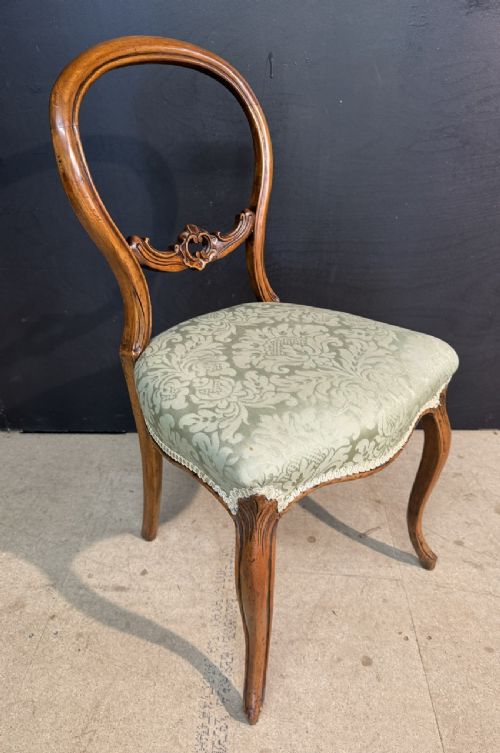
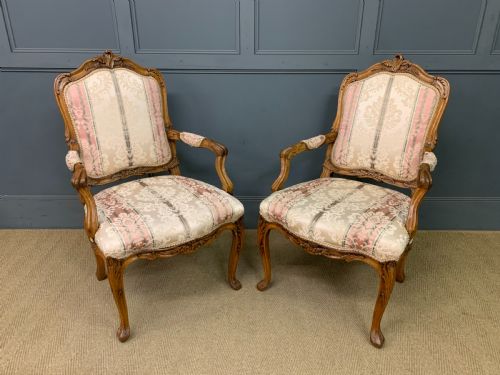
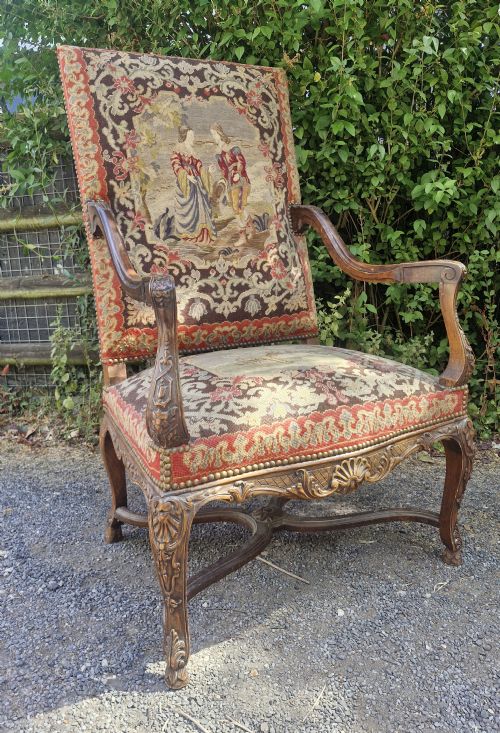
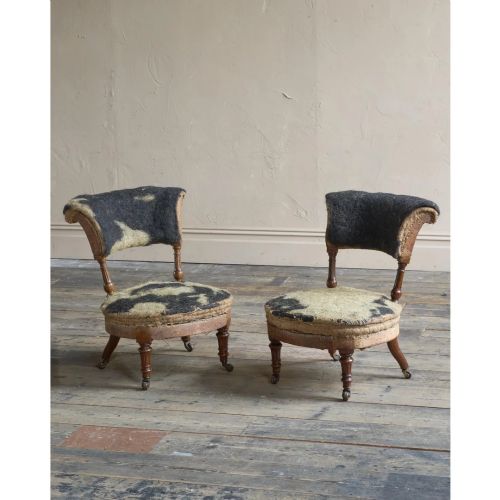
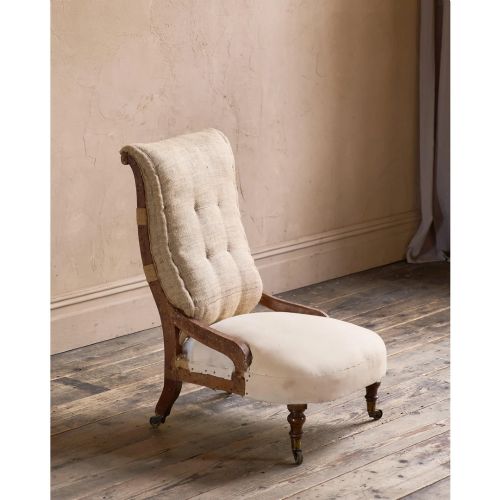
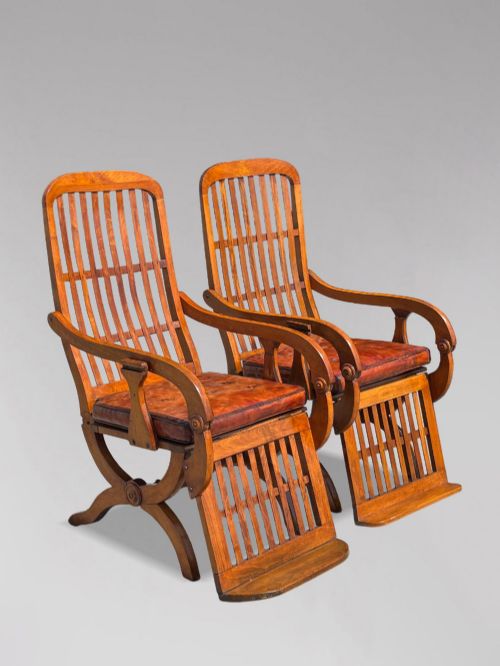
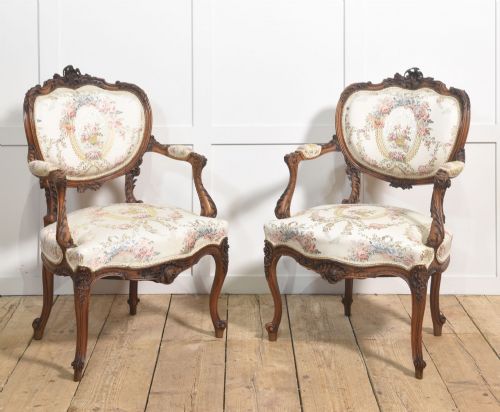
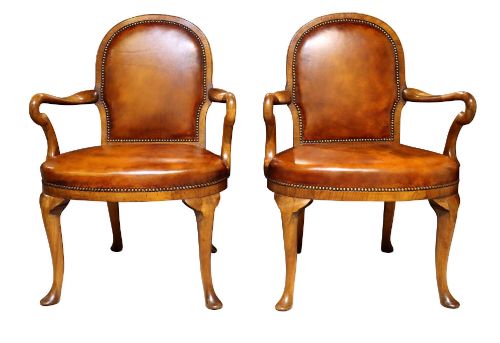
Walnut X Frame Chair
A walnut x frame chair brings centuries of architectural seating heritage into a room through intersecting structural supports and rich timber grain.

Walnut X Frame Chair
Buyers seeking a walnut x frame chair encounter seating supported by crossing stretcher members that form a distinct folding or curule silhouette. The selection spans Italian, Spanish, French, and Austrian origins, frequently reflecting revivalist movements from the nineteenth century.
Forms extend beyond standalone armchairs to include desk chairs, hall chairs, and reading seats. Surviving examples often display elaborate carvings or bone inlay that echo Renaissance and Biedermeier design principles.
The underlying timber provides a dark, figured substrate that accommodates both upholstered elements and exposed wooden frameworks. These pieces function successfully as focal points in studies, libraries, and grand reception spaces.
Materials and construction methods
Makers utilised dense walnut timber for the primary structural frames, capitalising on its strength to support the characteristic intersecting leg geometry. Selected sections often reveal prominent grain patterns that enhance the visual weight of the folding supports.
Upholstery techniques combined traditional stuffing with textiles such as leather, velvet, needlepoint tapestry, and silk. Metal components like brass studs frequently secure the fabric edges to the wooden chassis.
Joinery relied on precise halving joints where the diagonal cross members intersect, ensuring stability under weight. Additional decorative touches included carved foliate motifs and bone inlay embedded directly into the wooden panels.
Some chairs incorporate hidden bone inlays that whisper secrets of Renaissance dining habits.
Evaluating structural and aesthetic standard
The integrity of the central X intersection dictates the mechanical soundness of the seating, as poorly fitted joints lead to lateral wobble over time. Superior examples maintain rigid alignment between the crossing members without relying on excessive secondary bracing.
Carving depth and clarity separate standard production from master-workshop output, particularly on French and Italian revival pieces. Crisp relief work in the walnut indicates skilled hand-chiselling rather than mechanical moulding.
The selection of secondary materials, such as genuine bone inlay or hand-stitched needlepoint upholstery, elevates the standing of individual specimens. Original textiles preserved in sound condition add notable merit compared to modern replacement covers.
Howard And Sons
The Walnut X Frame Chair Glossary
- X frame
- A structural furniture base formed by two diagonal members crossing to support the seat. This ancient form provides both load-bearing strength and folding capability.
- Savonarola
- An Italian Renaissance folding chair constructed from multiple curved wooden slats forming an intricate lattice. It typically includes a fan-backed crest rail and armrests.
- Fauteuil
- An open-armed upholstered armchair with exposed wooden framing originating in France. Walnut versions frequently display stylistic influences from the Louis XV and Louis XVI periods.
- Biedermeier
- A Central European design style spanning the nineteenth century prioritising clean lines and utility over excessive ornamentation. Walnut veneers feature prominently in this aesthetic.
- Needlepoint
- A form of counted thread embroidery used historically for durable upholstery panels. It appears frequently on nineteenth-century salon and library seating.
Walnut X Frame Chair: Frequently Asked Questions
How do I identify a walnut x frame chair?
Look for the characteristic intersecting diagonal stretcher or leg assembly that supports the seat platform. These pieces typically display rich walnut grain combined with period upholstery or carved wooden armrests.
Examination of the central intersection reveals the joinery method used by the maker. Many examples incorporate historic revival styles from the nineteenth century referencing earlier Renaissance forms.
Where should I place a walnut x frame chair in my home?
These chairs suit studies, libraries, and hallways where their sculptural silhouette remains visible from multiple angles. Their compact footprint also allows them to function effectively as desk chairs or occasional seating.
Pairing the piece with neutral surroundings lets the figured timber grain and textile upholstery stand out. Avoid placing them in direct sunlight to protect vulnerable fabrics and polished wood surfaces.
Can a walnut x frame chair fold flat?
While the historical ancestor of the form was designed for military campaigns and easy transport, many nineteenth-century revival iterations are fixed structures. The intersecting legs mimic the folding mechanism without retaining the movable hinge.
Checking the pivot point underneath the seat clarifies whether the piece retains its original folding capability. Fixed examples offer greater rigidity for daily sitting.
What textiles were used on these chairs?
Original upholstery schemes included embossed leather, silk, velvet, and hand-stitched needlepoint tapestry. These materials were secured to the walnut frame using decorative brass tacks or gimp braiding.
Surviving historic textiles contribute significantly to the character of the seating. Many pieces have undergone professional reupholstery using period-appropriate fabrics to maintain their visual coherence.