

Vintage Bedroom Seating
Vintage bedroom seating covers low chairs, stools and small settees designed for private chambers, combining domestic comfort with period character.
Vintage Bedroom Seating
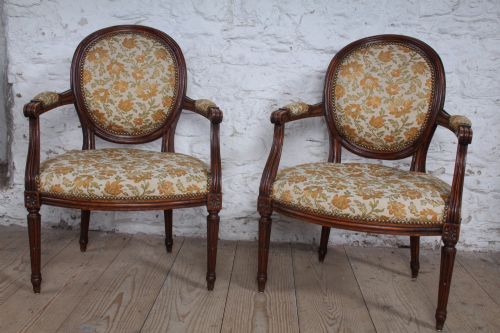
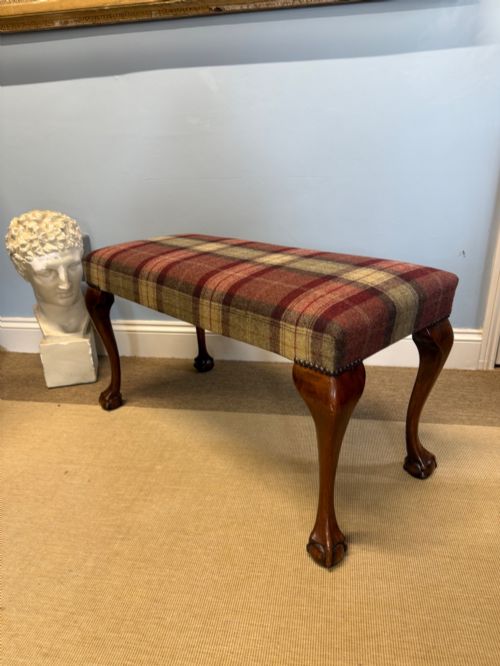
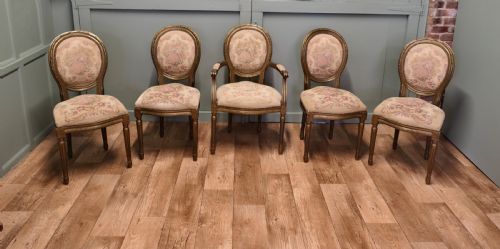
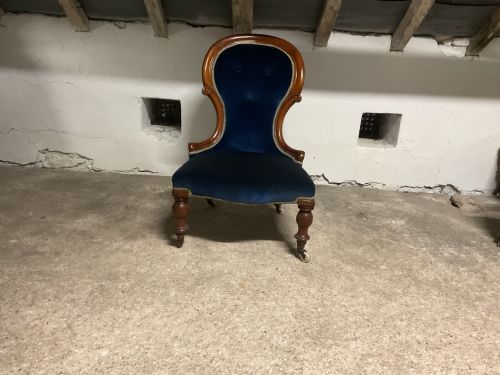
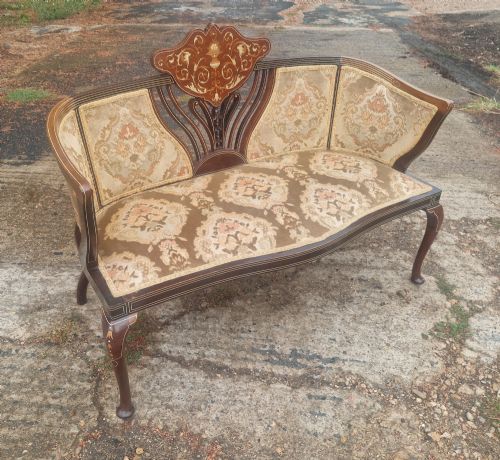
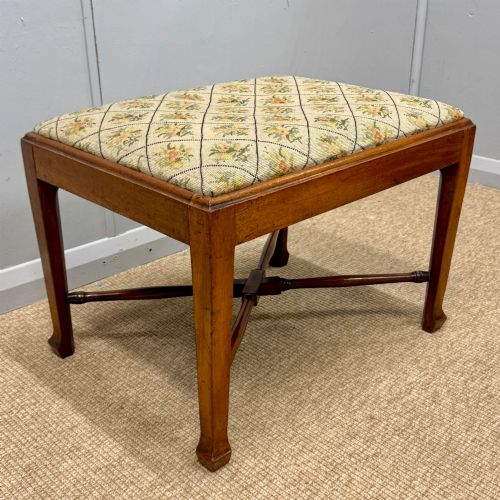
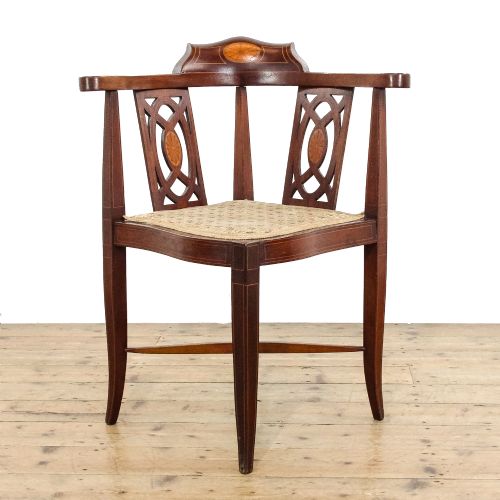
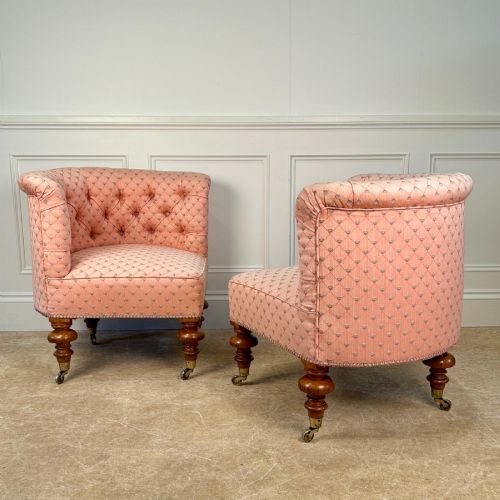
Vintage bedroom seating encompasses a diverse range of domestic forms designed specifically for private chambers, boudoirs and dressing rooms. Buyers searching for vintage bedroom seating typically encounter low-slung nursing chairs, compact slipper chairs, dressing stools, end-of-bed benches and small settees. The pieces recorded span the nineteenth century through the Edwardian era and into the Art Deco period, capturing stylistic shifts from Victorian button-backed upholstery to lighter cane-seated Edwardian designs.
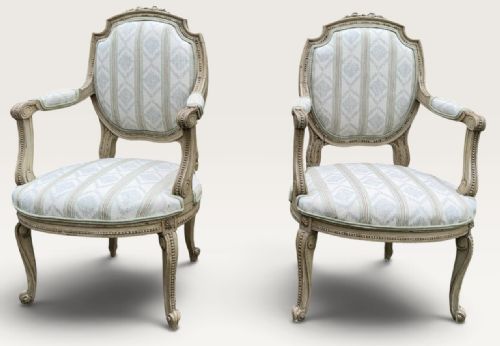
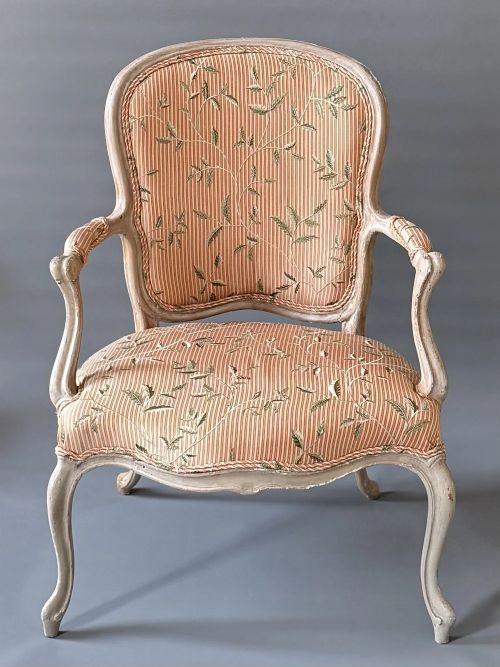
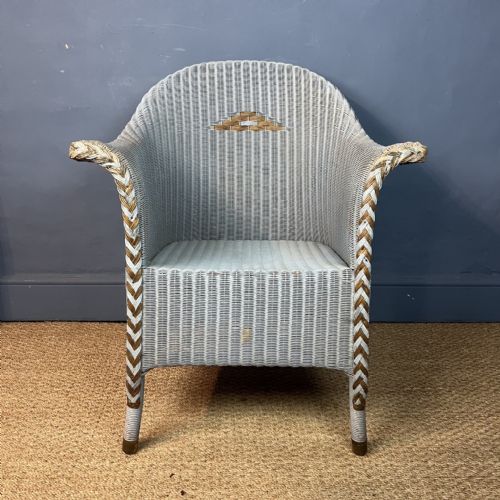
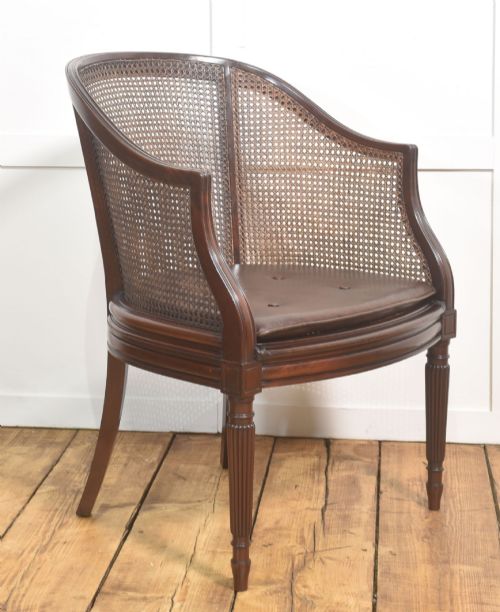
Victorian and Edwardian examples dominate the selection, often rendered in mahogany, walnut or beech with upholstered pads or woven cane seats. Pieces such as low nursing chairs reflect historical domestic habits, standing lower to the floor to allow comfortable tending to infants or dressing. Alongside these sit French-influenced giltwood and painted armchairs, alongside sturdy oak Arts and Crafts pieces and Lloyd Loom woven fibre chairs from the early decades of the twentieth century.
Materials and construction methods
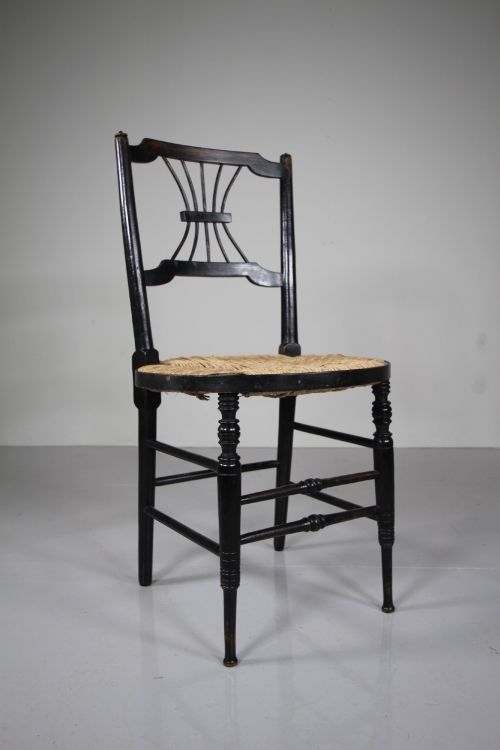
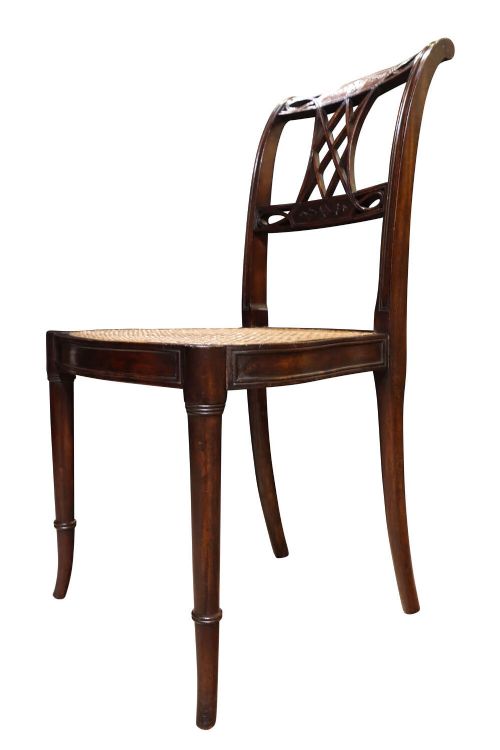
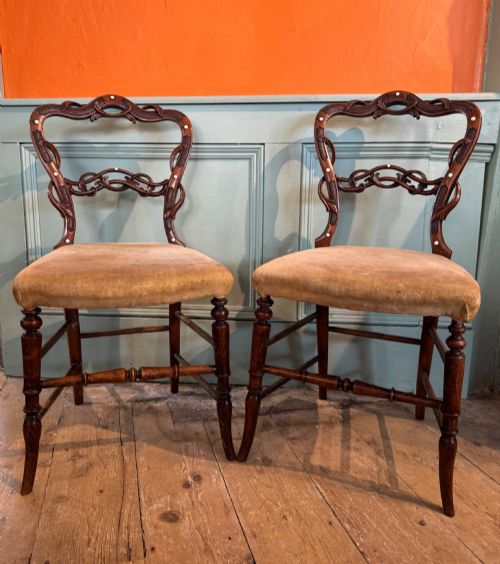
Makers utilised solid hardwoods such as mahogany, walnut, oak and beech to build the structural frames of vintage bedroom seating. Carved details, scroll backs and turned legs demonstrate traditional joinery techniques, while inlaid satinwood and ormolu mounts appear on finer decorative pieces. Cane panels provide lightweight seating alternatives to solid wood or sprung upholstery.
Textiles form a major component of these seats, employing velvet, fabric and traditional button-backed cushioning supported by interior webbing and stuffing. Painted and gilt surfaces appear on French-style frames, preserving original decorative treatments alongside polished wood finishes. Brass elements also feature, providing structural hardware or independent metal framing for specialist salon and bedroom chairs.
Spinning chairs offer a delightfully narrow seat designed for domestic textile work by the hearth.
Indicators of craftsmanship and finish
Quality in vintage bedroom seating rests upon the rigour of the frame construction and the integrity of the timber. Dense, well-figured mahogany or walnut with crisp hand-carved decoration marks out superior workshop production against simpler commercial output. The subtlety of proportions, particularly the rake of a chair back or the curve of a cabriole leg, distinguishes finer cabinet work.
The survival of original surface finishes, whether polished wood, painted decoration or gilt, contributes significantly to a piece's integrity. Superior examples retain original cane work, hand-tied upholstery foundations and period textiles that demonstrate authentic period craftsmanship without later alterations.
Bath Cabinet Makers·Rossetti
The Vintage Bedroom Seating Glossary
- Nursing chair
- A low-seated chair traditionally used in bedrooms or nurseries for feeding and tending infants. These pieces sit closer to the floor than standard parlour chairs.
- Slipper chair
- An upholstered chair with a low seat, originally designed for dressing rooms to allow a person to put on shoes comfortably. They typically feature no arms to accommodate wide skirts.
- Cane seat
- A seating surface woven from peeled rattan or cane strips. This technique provides a lightweight, flexible platform popular in Edwardian and Regency designs.
- Fauteuil
- An open-armed French armchair with upholstered arm pads and an exposed wooden frame. These pieces often display carved giltwood or polished walnut finishes.
- Ormolu
- Gilt-bronze mountings applied to furniture for decorative effect. This French technique enhances the visual richness of luxury cabinet work.
- Parquetry
- Geometric wood mosaic work used to decorate furniture surfaces. Different coloured veneers are fitted together to create patterned geometric designs on table tops and chair frames.
Vintage Bedroom Seating: Frequently Asked Questions
What distinguishes a nursing chair from a regular armchair?
Nursing chairs sit substantially lower to the ground than standard chairs and frequently feature high, supportive backs.
This lower height was historically designed to make tasks such as feeding infants or dressing more comfortable in a bedroom setting.
Where were slipper chairs typically placed in a home?
Slipper chairs were traditionally kept in bedrooms or dressing rooms rather than formal reception spaces.
Their compact, armless design allowed people to sit comfortably while putting on footwear or clothing.
How do I care for antique cane seats?
Cane seats require gentle cleaning with a soft brush and occasional light dampening to prevent the natural fibres from becoming brittle.
Avoiding excessive weight and keeping the furniture away from direct heat sources helps preserve the flexibility of the woven rattan.
What is an end of bed sofa?
An end of bed sofa is a narrow settee or bench specifically proportioned to sit neatly against the footboard of a bed.
These pieces provided a convenient place to sit while dressing or laying out garments in larger Edwardian and Victorian chambers.