
Antique Church Furniture
Antique church furniture comprises pews, pulpits, and prayer desks in oak, pine, and pitch pine, offering heavy timber construction and ecclesiastical presence for domestic interiors.
Antique Church Furniture
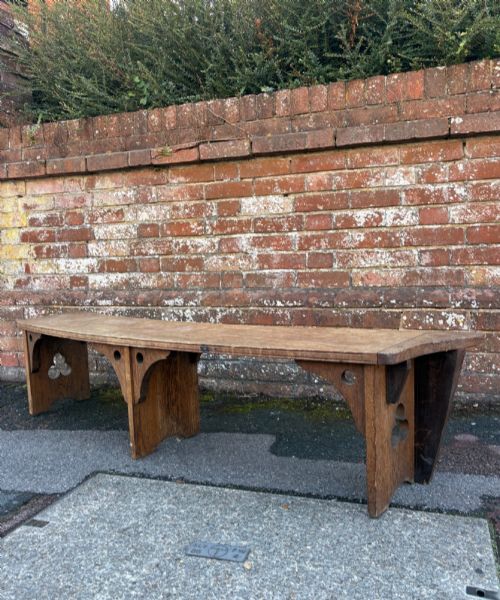
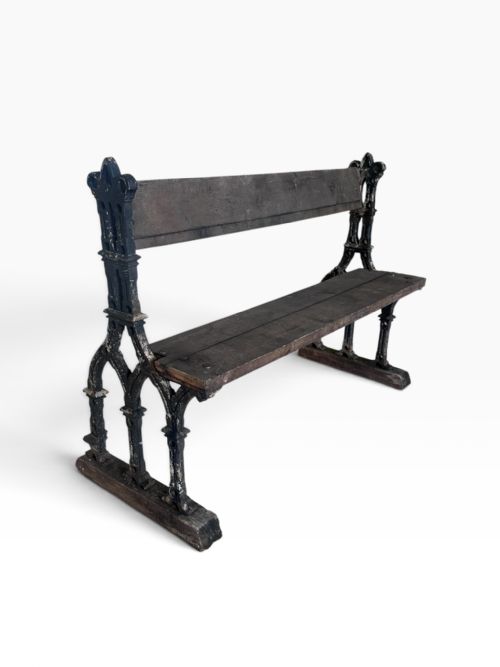
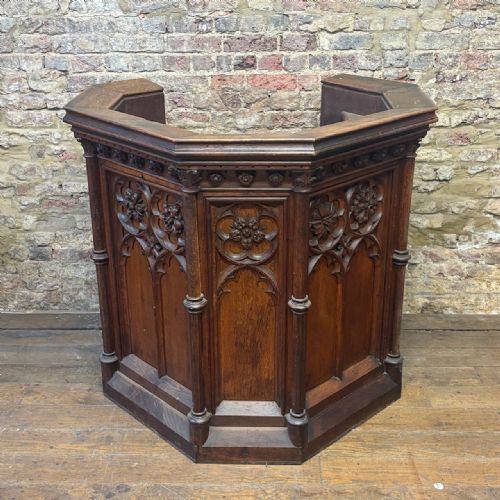
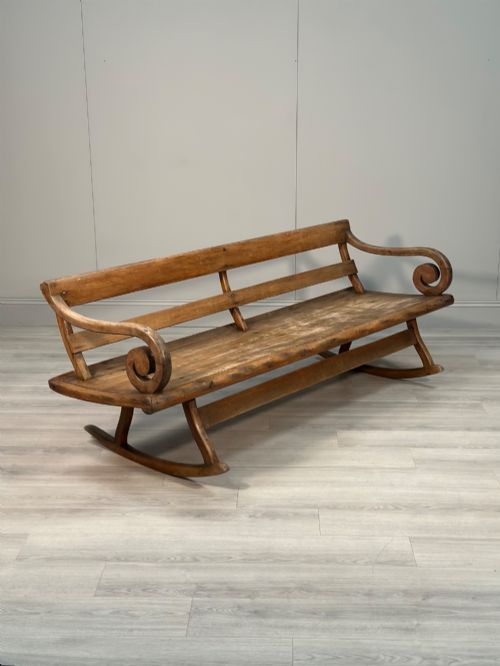
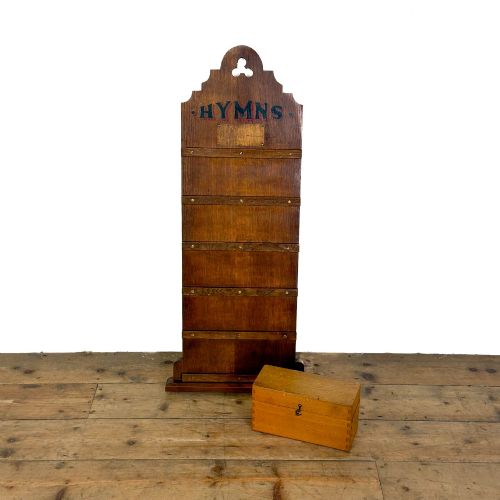
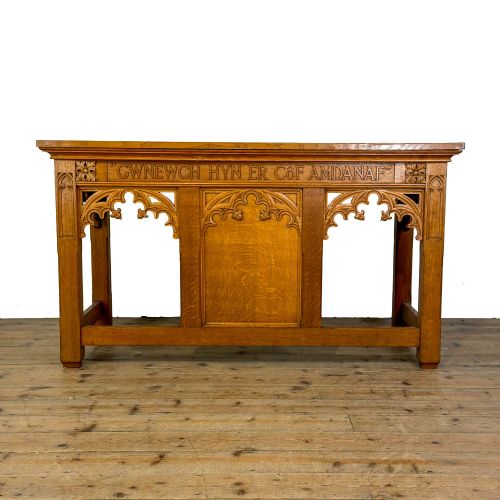
Antique church furniture encompasses pews, prayer desks, pulpits, altars, and hymn boards drawn from ecclesiastical settings. These pieces carry the heavy proportions and architectural detailing suited to chapels, churches, and large halls.
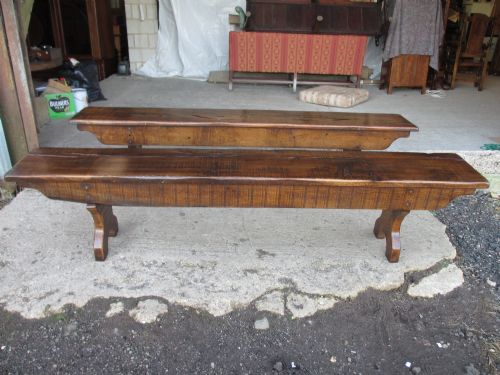
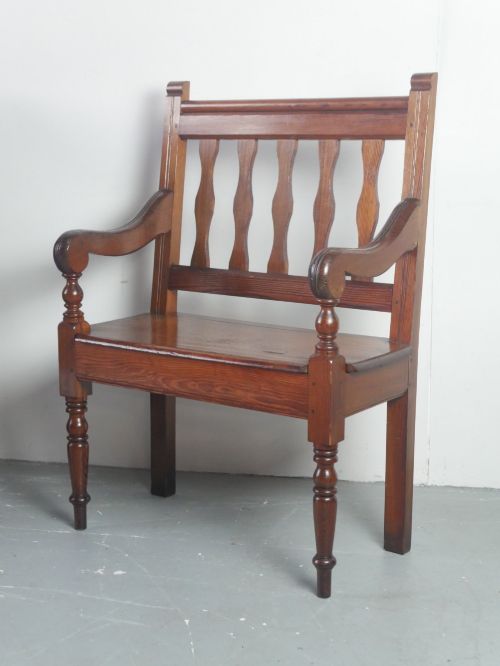
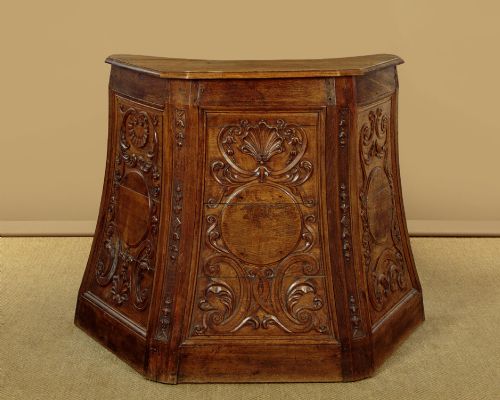
Pine and oak predominate among the listings, appearing as long chapel pews, compact prayer kneelers, and carved pulpits. The 19th century and Victorian periods supply the bulk of these items, alongside Edwardian and early 20th-century examples.
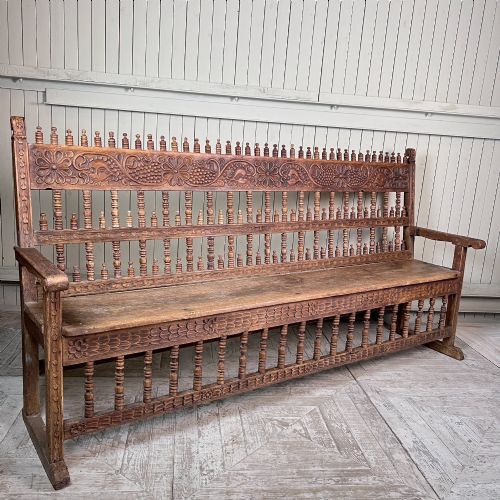
Buyers look to these objects for robust seating and focal architectural forms that adapt to hallways, kitchens, and living rooms. Benches and settles offer straightforward utility, while lecterns and altar tables provide distinct surface space.
What varies in quality
The integrity of the timber and the depth of the patina set individual examples apart. Pieces retaining untouched surfaces and original fixings demonstrate greater character than those stripped down or heavily restored.
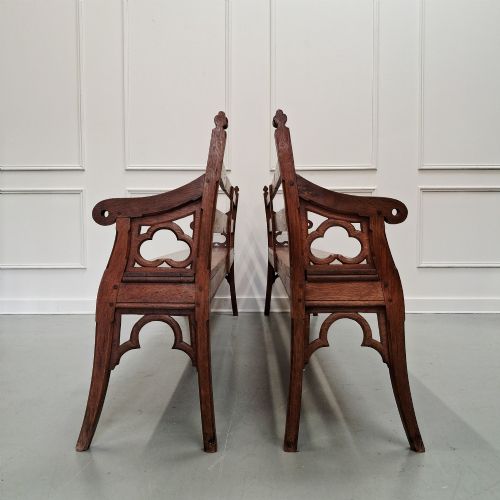
Carving execution defines the upper tier of the range, particularly on Gothic Revival items where hand-worked details like trefoils display crisp edges. Plain utilitarian pews rely entirely on the proportion of the timber and the warmth of the grain.
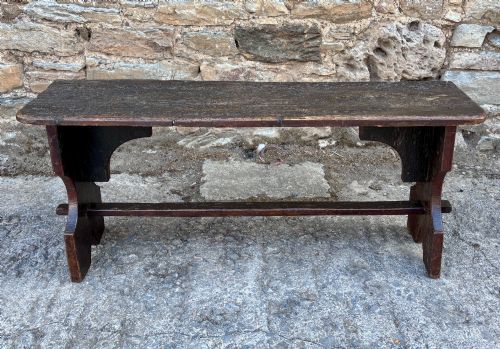
Proportion and scale dictate versatility, with slimmer hallway benches and compact prayer desks commanding attention for domestic spaces. Heavy institutional sizing suits larger rooms, while refined joinery indicates a workshop of higher capability.
Some pews come equipped with a flip-over mechanism, proving that churchgoers needed clever seating adjustments long before modern office chairs.
The Antique Church Furniture Glossary
- Pew
- A long wooden bench with a back and sometimes a seat, built for seating congregations in churches and chapels.
- Prie-Dieu
- A devotional desk or chair designed for kneeling while praying, often fitted with a sloping shelf for books.
- Settle
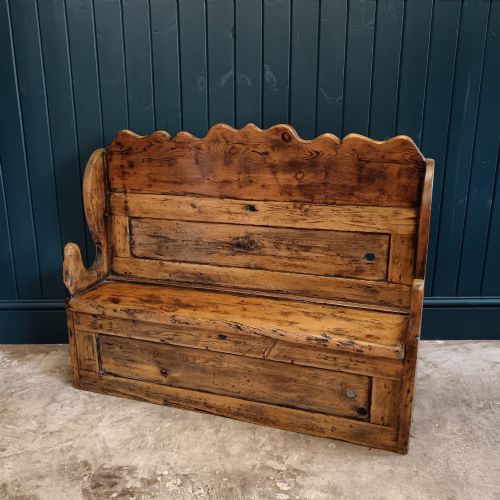
- A wooden bench with high backboards, solid arms, and frequently a box base to block drafts in older rooms.
- Lectern
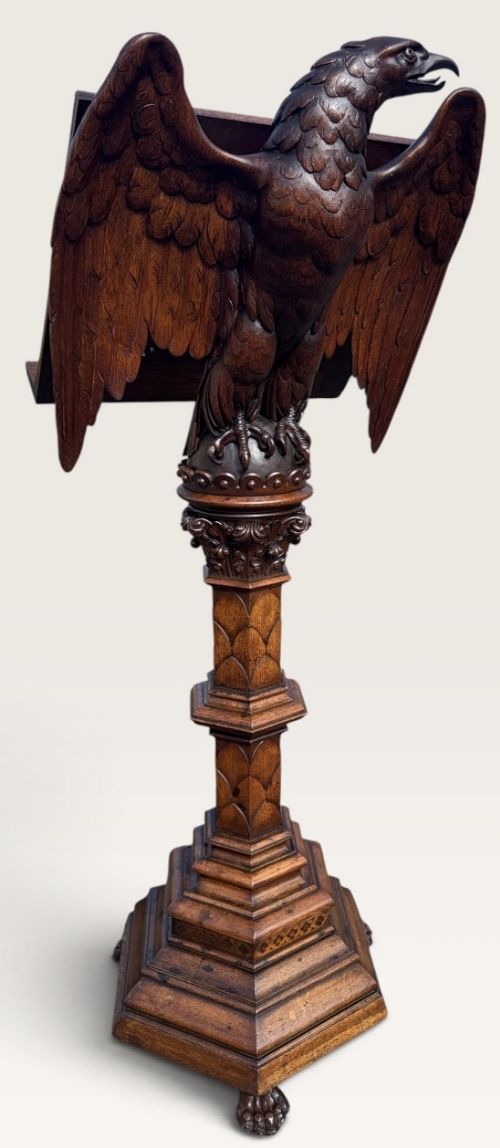
- A tall stand with a slanted top designed to hold books or notes for reading aloud during services.
- Gothic Revival
- An architectural and design movement drawing inspiration from medieval Gothic forms, featuring pointed arches and trefoil carvings.
- Trefoil
- A three-lobed decorative ornament resembling a clover leaf, commonly pierced or carved into woodwork.
Antique Church Furniture: Frequently Asked Questions
How do I use a church pew at home?
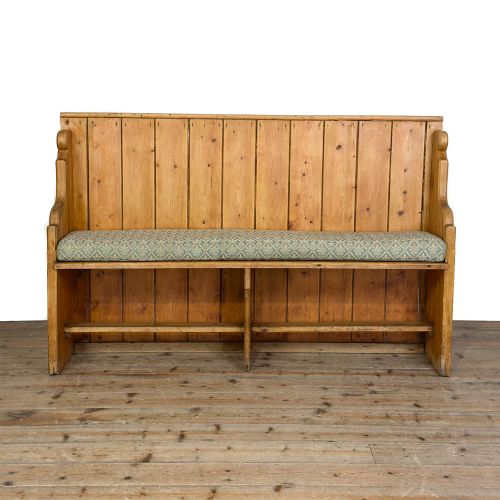
Church pews and chapel benches fit naturally along a dining table, in a wide hallway, or against a living room wall. Their narrow depth makes them practical for spaces where standard chairs would obstruct movement.
Adding cushions softens the hard timber seat for everyday sitting. Shorter pine pews work well at the foot of a bed or beside an entryway.
What is the difference between a pew and a settle?
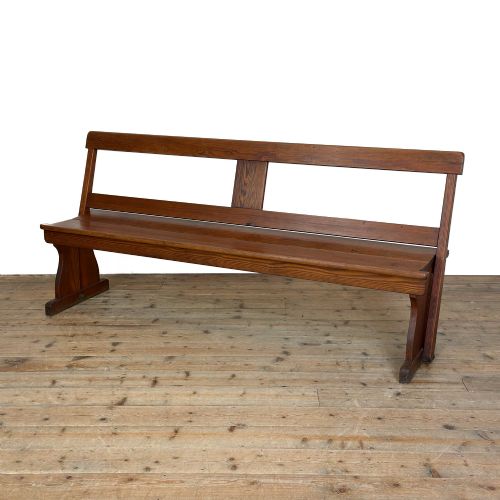
A pew is typically a straight-backed institutional bench designed for rows in a church or chapel, often featuring simple plank construction and open sides. A settle is a domestic seating form featuring solid wooden arms and a high panelled back designed to keep out drafts.
Settles frequently include enclosed storage beneath the seat. Pews remain open underneath and rely on simple trestle or panel ends.
Are these pieces made of solid wood?
The listings consist almost entirely of solid timbers such as oak, pine, pitch pine, and elm. Makers built these items to endure heavy institutional use rather than relying on veneers or secondary cores.
Solid construction means surfaces can take wax polish and develop deep patinas over time. Heavy framing and thick planks ensure the furniture remains stable through generations of use.
How do I care for antique pine furniture?
Maintain waxed pine surfaces by applying a traditional beeswax polish when the wood appears dry. Avoid placing pieces near direct heat sources that could cause the timber to split or warp.
Cleaning requires only a dry or slightly damp cloth to remove dust from carved details and crevices. Preserving the original patina protects the character built up over centuries.