
Antique Wooden Storage
Antique wooden storage offers practical history for the home, providing sturdy drawers and cabinets built to last.
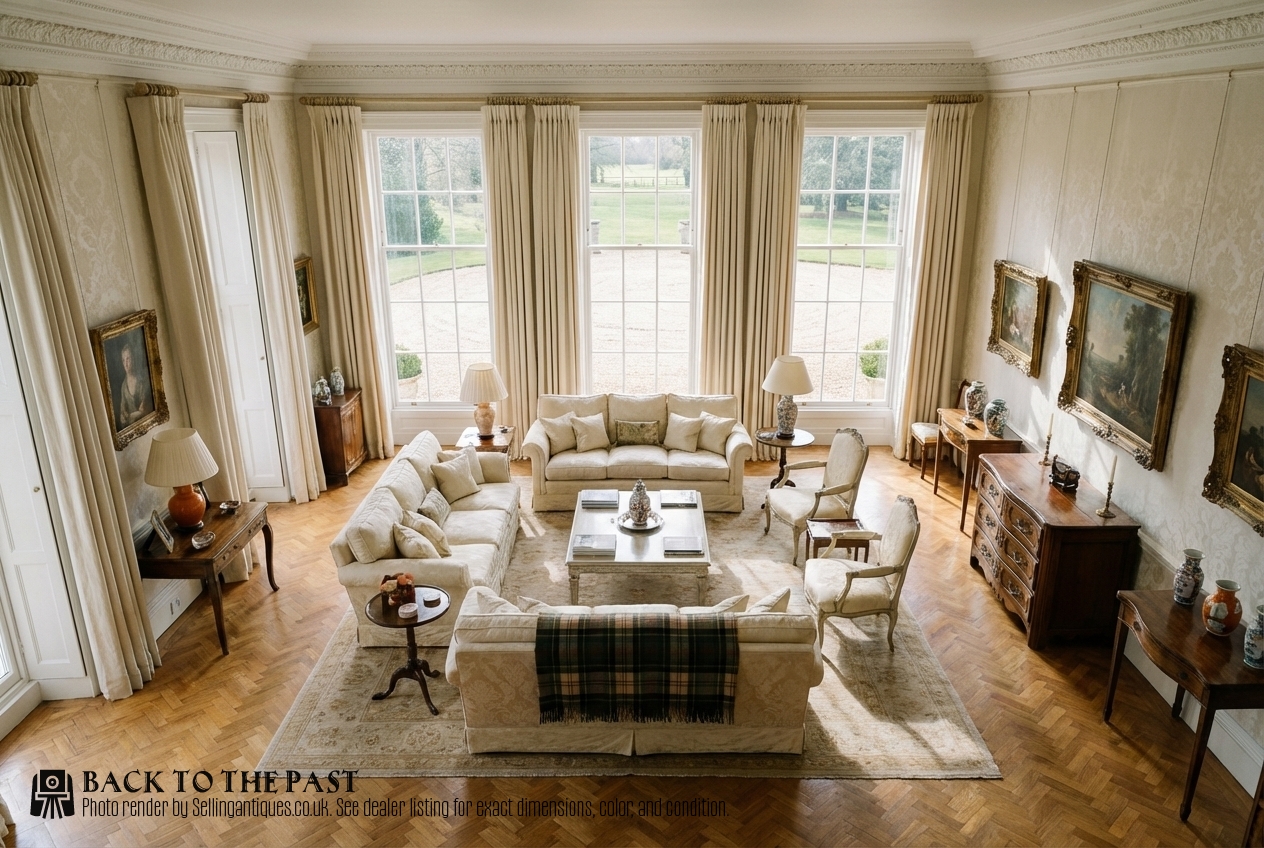
Antique Wooden Storage
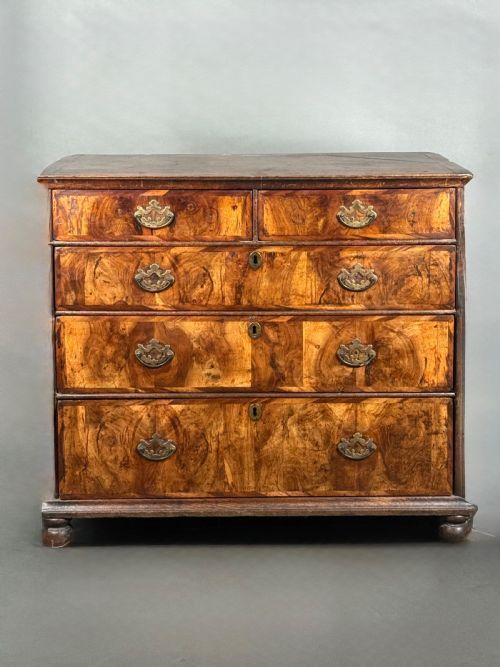
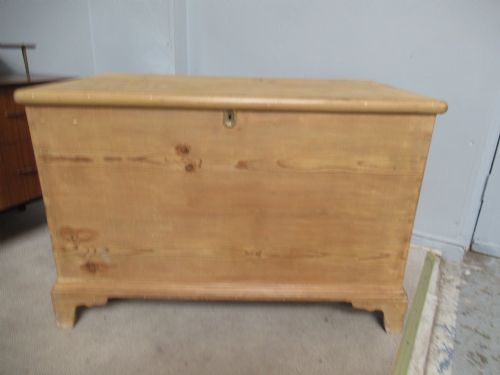
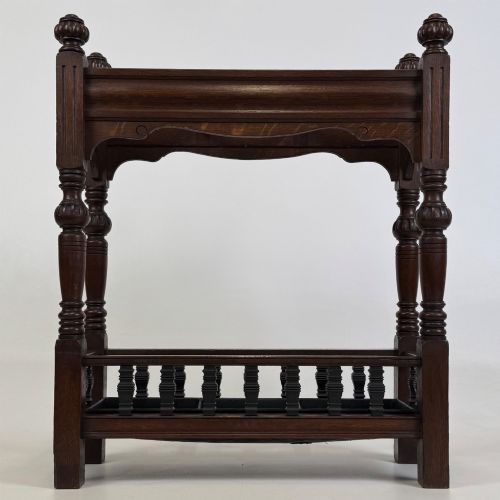
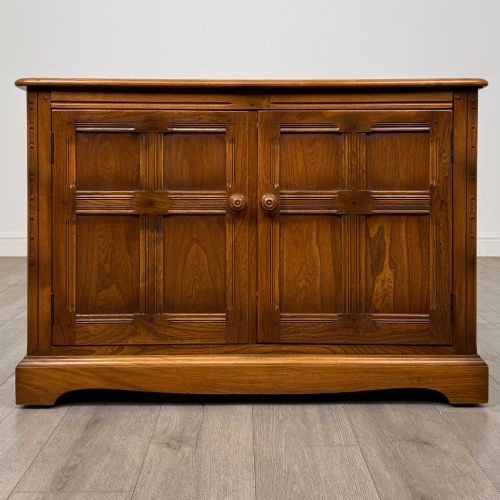
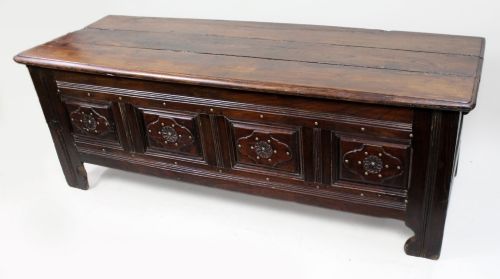
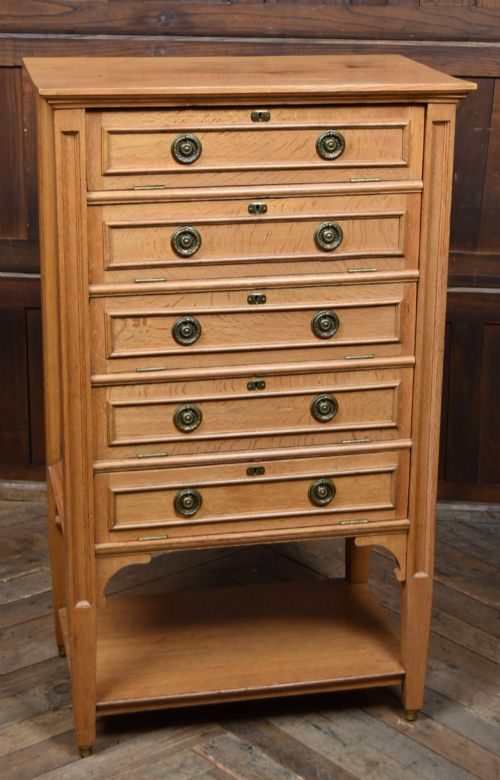
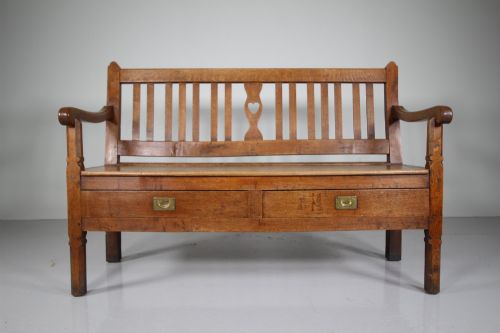
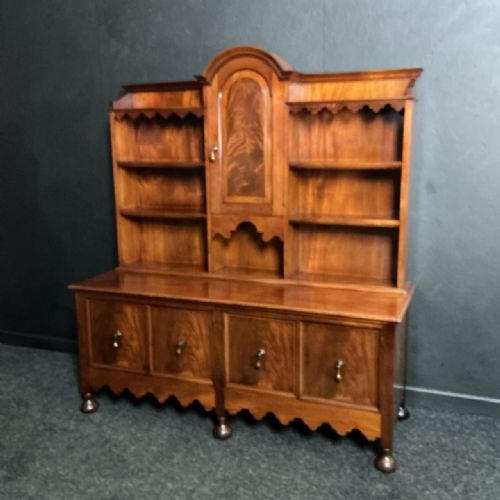
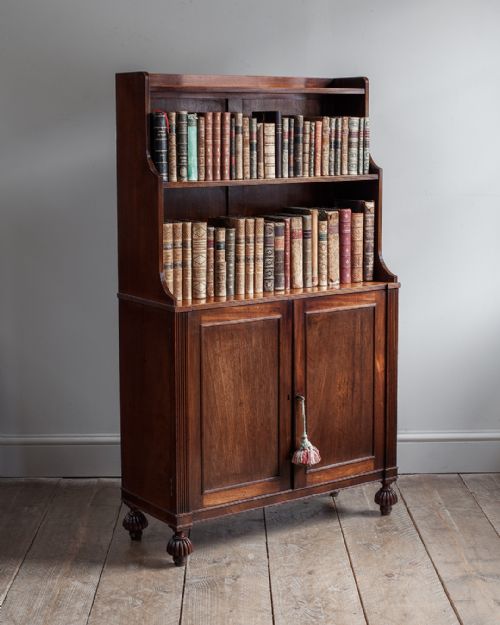
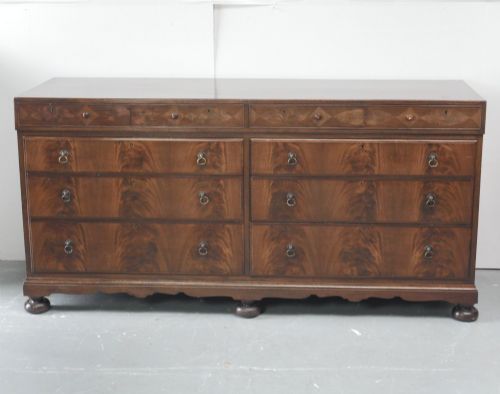
Antique wooden storage encompasses sturdy chests of drawers and cabinets designed to hold household goods. Pieces span the 17th century, 18th century, and 19th century.
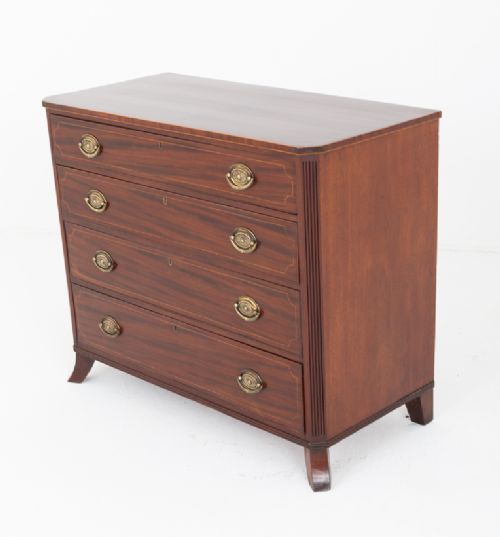
The selection includes Georgian forms, French Provincial commodes, and Jacobean designs. Buyers encounter practical chests of drawers alongside cabinets.
Materials include oak, mahogany, walnut, fruitwood, cherrywood, and satinwood inlay, often finished with brass fittings.
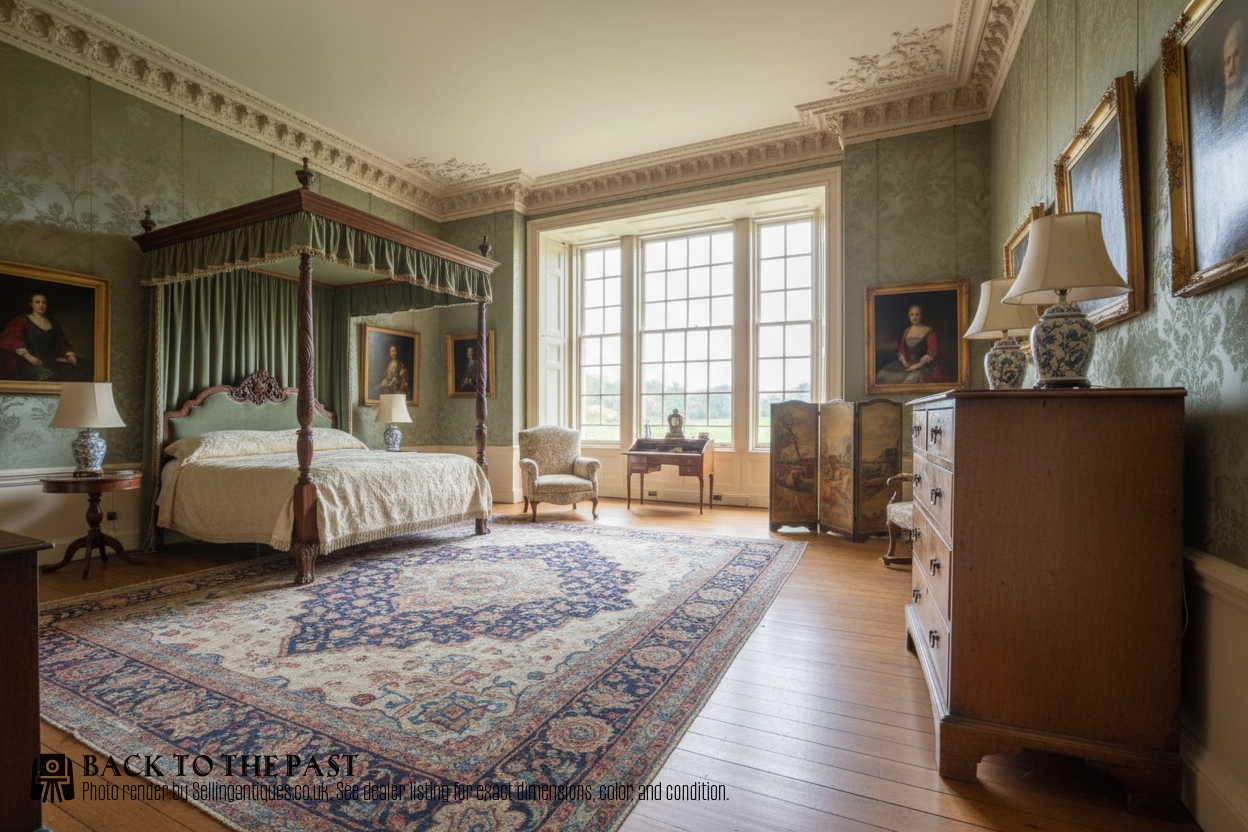
How They Were Made
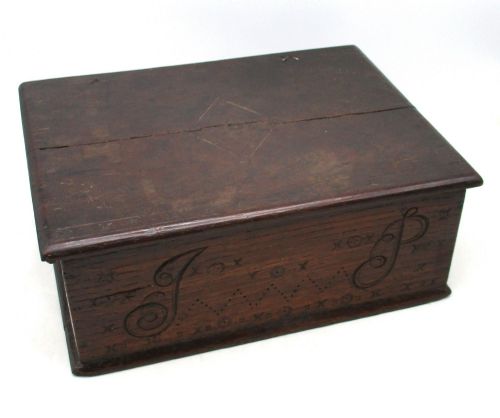
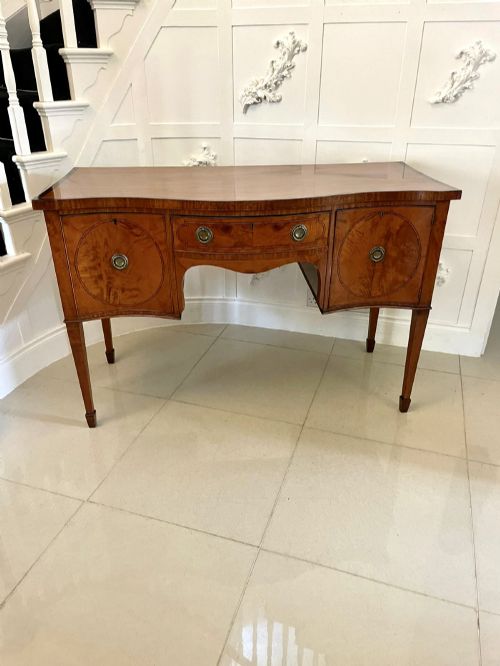
Items are constructed from solid timbers like oak, mahogany, walnut, cherrywood, and fruitwood. Some surfaces feature delicate satinwood inlay or intricate pokerwork floral carving.
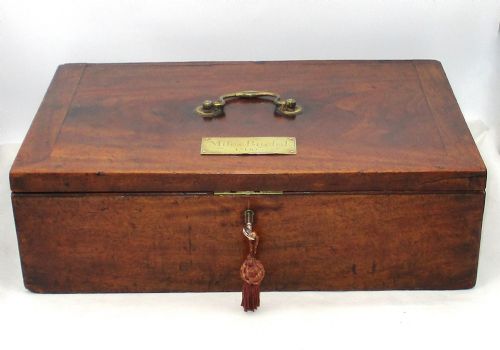
Construction relies on traditional joinery techniques appropriate to the period, with brass hardware frequently added for handles and escutcheons.
Antique Wooden Storage Retail Price Guide 2026
Typical asking prices for wooden storage among the pieces listed under this phrase on Sellingantiques today, from the lower quarter to the upper quarter. They describe what is for sale here now, not the wider market.
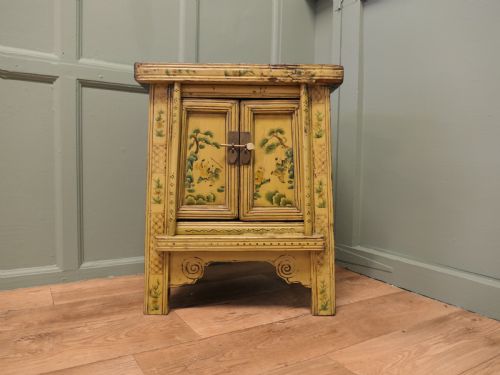
Some storage units feature pokerwork floral decoration, showing where someone took a hot poker to a cupboard door.
What Varies in Quality
Quality rests upon the selection of timber and the precision of the joinery. Finer examples display carefully matched grain patterns and superior decorative details such as satinwood inlay.
The choice of primary wood and secondary framing timber dictates the structural integrity of each piece. Elaborate carving or brass hardware further distinguishes higher grades.
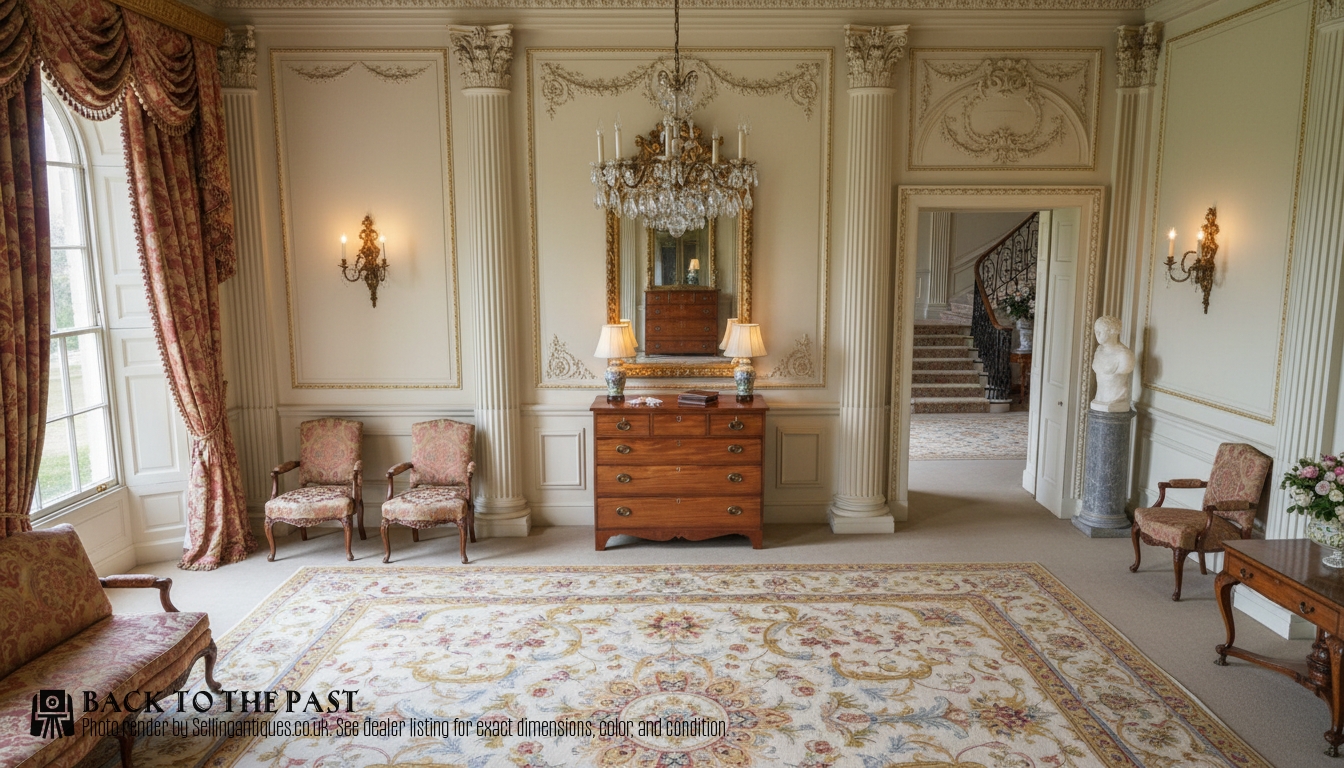
The Antique Wooden Storage Glossary
- Commode
- A low French chest of drawers or cabinet. Examples often originate from provincial workshops.
- Inlay
- A technique where contrasting woods like satinwood are inserted into the primary surface for decoration. This creates geometric or floral patterns.
- Moulded front
- A cabinet or drawer front featuring shaped or carved relief mouldings. This style is frequently found on 17th-century pieces.
- Pokerwork
- A decorative method using heated tools to scorch designs into wood. It appears on floral cupboards and cabinets.
Antique Wooden Storage: Frequently Asked Questions
What periods do these storage pieces come from?
The pieces span several centuries, including the 17th century, 18th century, and 19th century. Stylistic markers range from Jacobean and George II to French Provincial designs.
Materials and construction methods correspond directly to these eras, offering a clear timeline of development.
How were these wooden cabinets used originally?
These items served for holding garments, household linens, and valuables in domestic rooms. Chests of drawers provided secure private storage for daily belongings.
Cabinets and cupboards accommodated specialised items, protecting contents behind wooden doors.
Where should I place a wooden chest of drawers?
A chest of drawers fits well in bedrooms, hallways, or living spaces as a functional surface and storage hub. Placing pieces away from direct heat sources protects the timber.
Allowing adequate clearance around drawers ensures smooth daily operation.
How do I identify a Georgian chest of drawers?
Georgian pieces often utilise mahogany, walnut, or fruitwood, reflecting the cabinet-making standards of the 18th century. Proportions tend to be balanced, sometimes featuring brass handles and escutcheons.
Details like dovetail joints and drawer linings help confirm the period of manufacture.