


Antique Wooden Spindle Chairs
Antique wooden spindle chairs bring rustic character to a room through turned uprights and traditional joinery.
Antique Wooden Spindle Chairs
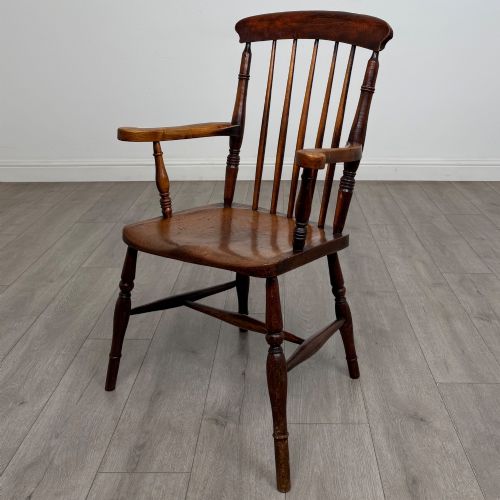
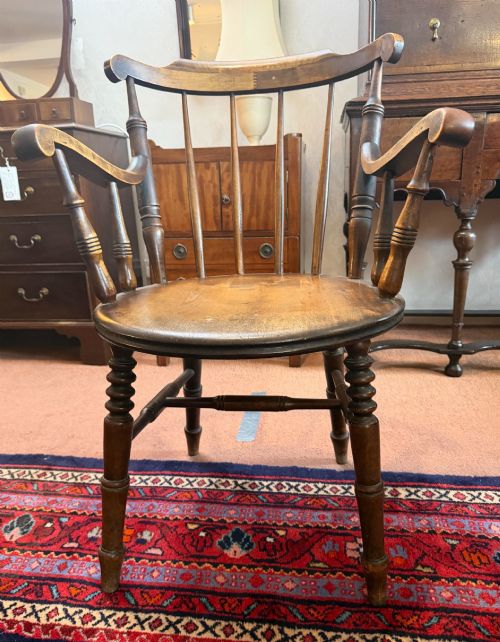
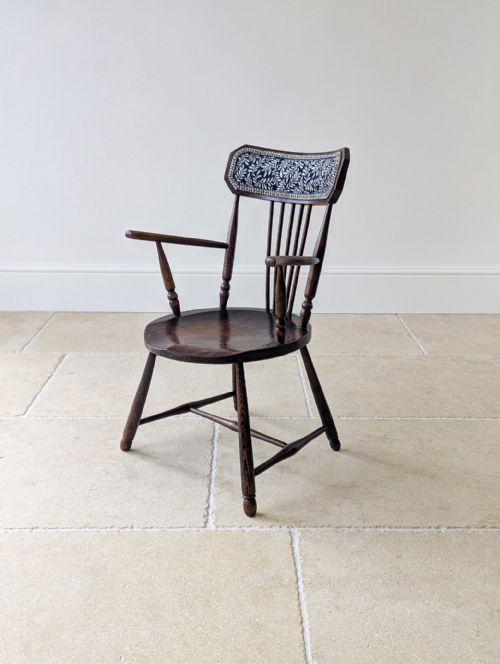
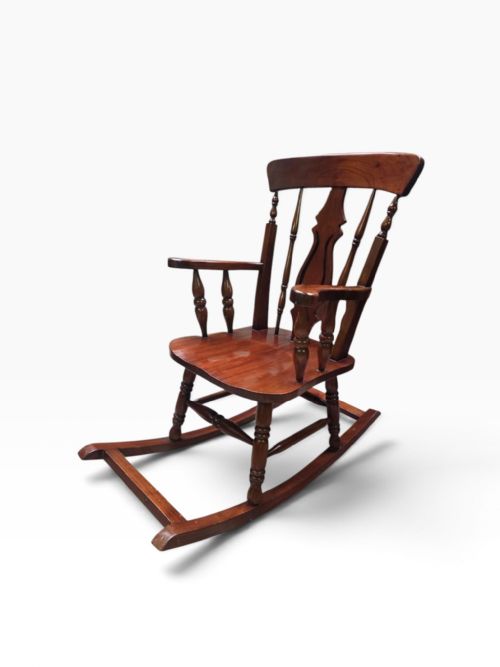
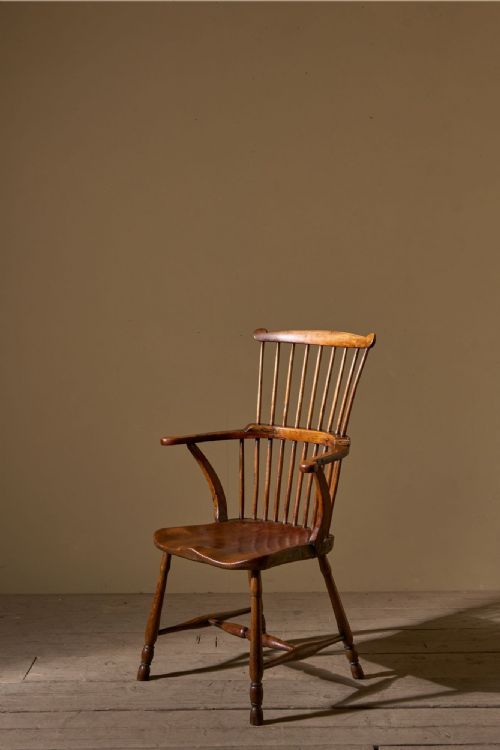
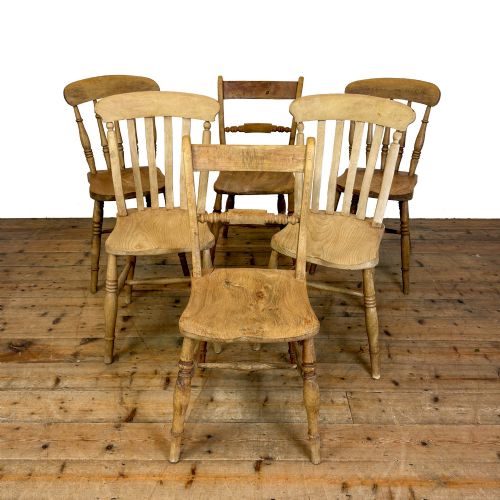
Antique wooden spindle chairs encompass a diverse range of vernacular seating, including Windsor armchairs, stick backs, and kitchen dining chairs. Buyers seeking antique wooden spindle chairs will frequently encounter nineteenth-century Victorian and Edwardian examples fashioned in regional English styles.
How they were made
Cabinet makers and bodgers constructed these chairs using native hardwoods such as elm, ash, beech, and oak, often combining multiple timbers within a single frame for seats, bent elements, and turned spindles. Elm frequently provided a durable, split-resistant solid seat, whilst ash and beech offered the necessary flexibility for steam-bent bows and slender turned uprights.
Traditional joinery techniques relied on socketed joints, wedged tenons, and steam-bending rather than metal fixings, ensuring the framework remained resilient under daily stress. Bobbin and spindle turning was executed on pole lathes, producing uniform uprights that supported the backrests and arms of Windsor and stick-back designs.
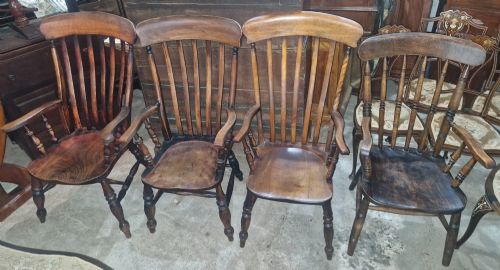
Several armchairs carry the delightfully specific historical designation of drunkards' chairs, thoughtfully widened to accommodate eighteenth-century gentlemen.
What varies in quality
The distinction between standard utility seating and finer examples rests upon the selection of timber, the crispness of the turning, and the harmony of proportion. Chairs retaining deep natural patination on solid elm seats and well-balanced, steam-bent back bows demonstrate superior original craftsmanship.
Structural integrity and the retention of matching harlequin sets or original component parts elevate the desirability of these chairs. Subtle refinements, such as crinoline stretchers or stamped maker marks, separate ordinary vernacular pieces from notable workshop productions.
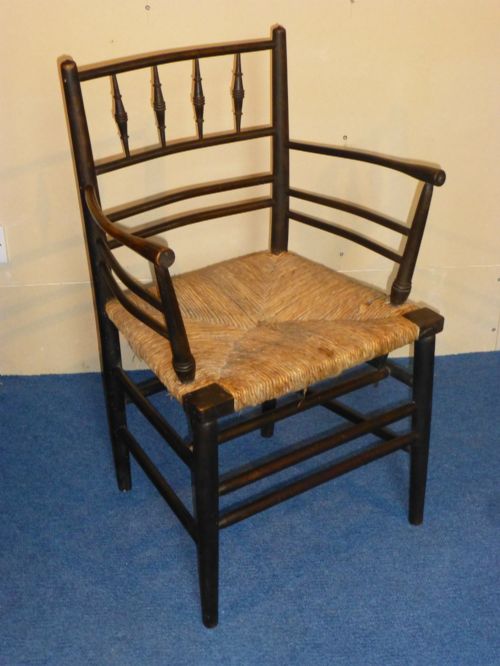
Morris & Co·Philip Webb·J Spencer·Codina
The Antique Wooden Spindle Chairs Glossary
- Windsor chair
- A wooden chair built with a solid sculpted wooden seat into which the legs and back spindles are radially inserted directly. This form relies on a heavy saddle seat to anchor the structural uprights.
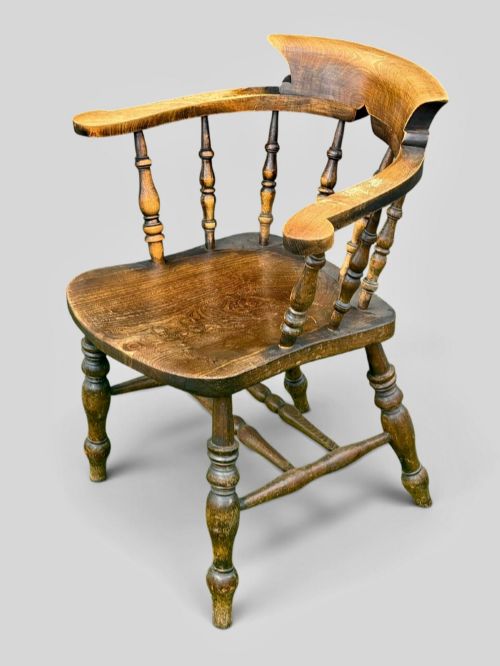
- Smoker's bow
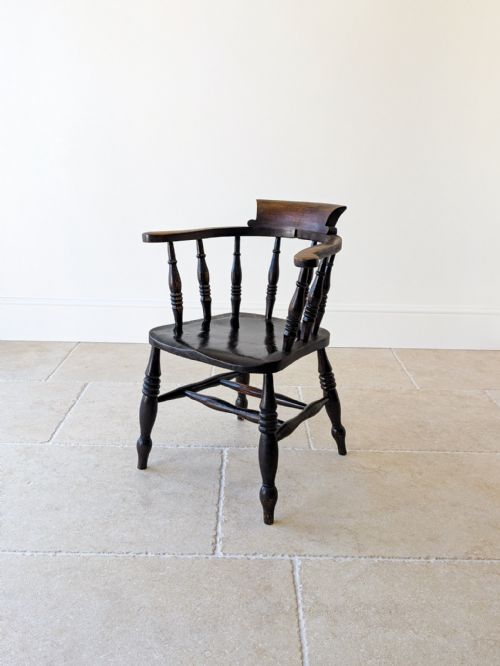
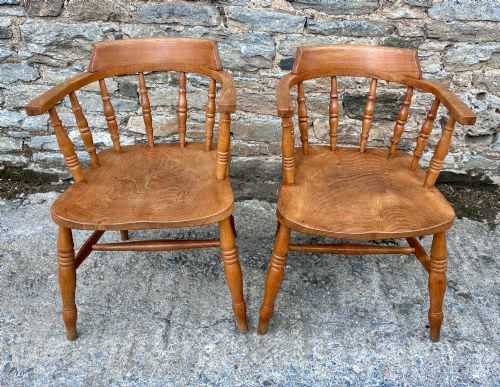
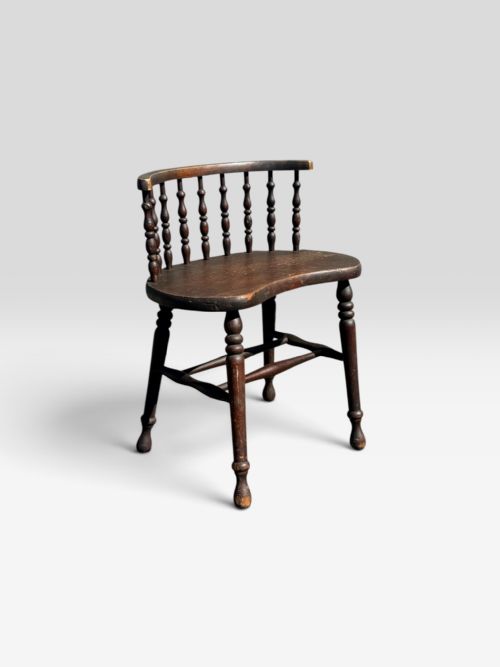
- A low-backed Windsor armchair featuring a continuous curved armrail supported by turned spindles above a solid timber seat. These comfortable chairs were commonplace in nineteenth-century parlours and public houses.
- Crinoline stretcher
- A bent or hooped underframe stretcher linking the legs of a Windsor chair to provide additional structural rigidity. The curved stretcher resembles the shape of a crinoline petticoat.
- Harlequin set
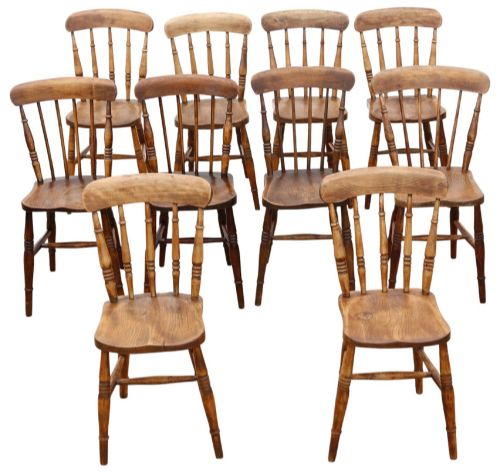
- A collection of dining or kitchen chairs that share similar stylistic traits, periods, or forms whilst varying slightly in individual detail. Such sets were assembled over time rather than manufactured as a single batch.
- Stick back
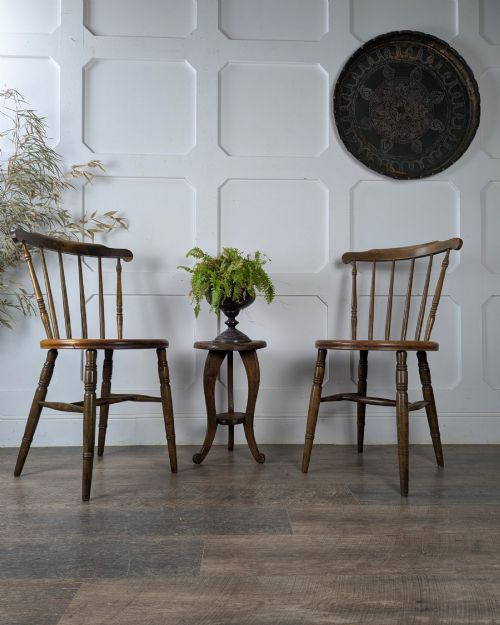
- A chair design characterised by plain vertical wooden rods inserted into the seat and top rail without a central splat. This utilitarian construction method underpins many traditional country dining chairs.
Antique Wooden Spindle Chairs: Frequently Asked Questions
What is a smoker's bow chair?
A smoker's bow is a sturdy vernacular armchair with a low, continuous curved backrail and turned wooden spindles. They were traditionally used in domestic smoking rooms and rural kitchen settings.
These comfortable seats combine the construction methods of Windsor chairs with compact proportions. Their robust build made them enduring staples of nineteenth-century households.
How do I identify a Windsor chair?
A Windsor chair is defined by its solid, thick wooden seat that directly receives the legs below and the vertical spindles above. Unlike framed chairs, the components are tenoned straight into the heavy seat block.
They often feature steam-bent back bows and sculpted saddles. This method of construction provides exceptional strength without requiring bulky side rails.
Are these chairs suitable for daily dining?
These wooden chairs are well-suited for everyday dining when selected with stable legs and secure joints. Many nineteenth-century kitchen and Windsor chairs were built precisely for rigorous daily use.
Checking the seat for stability and ensuring the spindle joints remain firm will guarantee comfortable seating. Harlequin sets offer a traditional way to seat guests around a farmhouse table.
What timber was used for these chairs?
Cabinet makers utilised native British hardwoods such as elm, ash, beech, and oak depending on the structural requirement of each component. Elm was preferred for solid seats because its interlocking grain resisted splitting.
Ash and beech provided the flexibility needed for steam-bending arm bows and the tensile strength required for slender turned spindles. Occasional pieces incorporated fruitwood or mahogany for distinct visual warmth.