



Antique Wooden Salt
An antique wooden salt brings domestic history to hand, offering tactile warmth and utility honed by generations of daily use.
Antique Wooden Salt
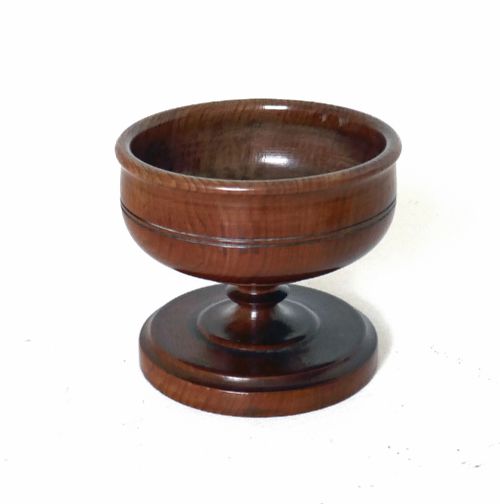
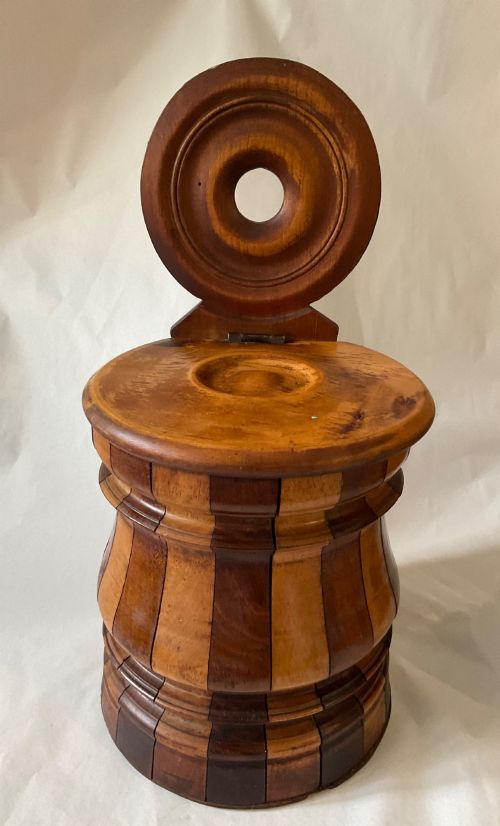
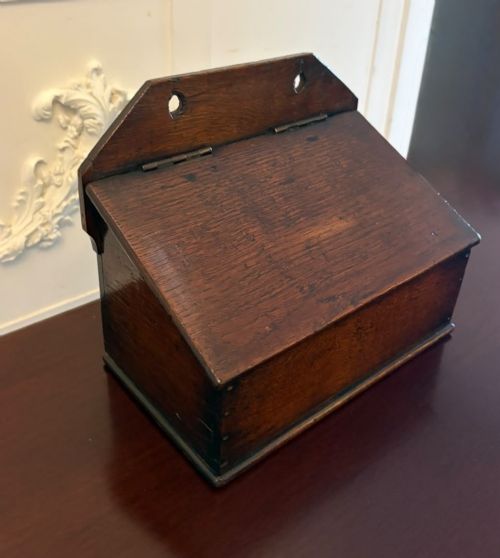
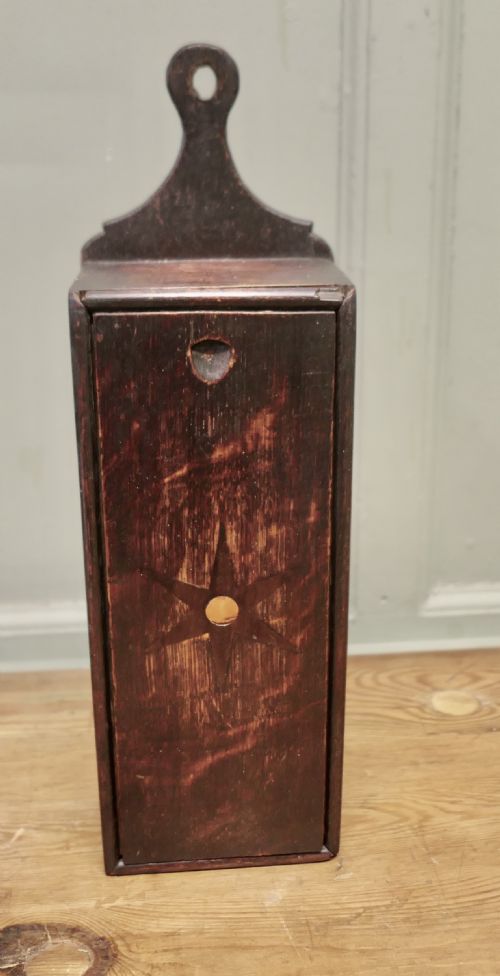
When you search for an antique wooden salt, you encounter practical vessels designed to preserve and serve seasoning in domestic spaces before modern packaging existed. These items range from wall-hanging containers meant to keep contents dry near the hearth to turned table vessels used during meals.
Materials and construction methods
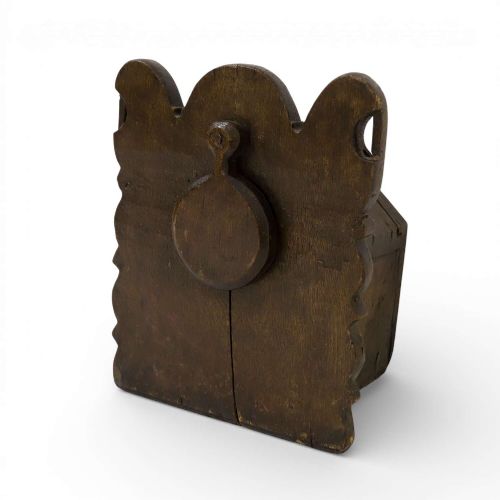
Craftsmen utilised dense domestic hardwoods like oak, mahogany, yew, laburnum, and fruitwood to build these enduring objects. Woodturners shaped open salts on lathes, while joiners constructed wall boxes using pegged joints, dovetailing, and durable iron hardware.
Surfaces frequently show traces of historical finishes, ranging from natural patination developed through handling to remnants of early red paint. Iron hinges and latches provide the functional mechanics for wall-mounted lids, showing hand-forged characteristics appropriate to their period.
Evaluating quality and authenticity
The distinction between ordinary and exceptional examples rests upon timber selection, turning skill, and surface preservation. Richness of grain, depth of natural patina acquired through age, and the retention of original hardware elevate certain items significantly above standard utility pieces.
Proportion and structural integrity also dictate desirability, particularly when joining methods remain undisturbed by modern intervention. Pieces demonstrating crisp chisel work or sophisticated turning on raised bases display the higher tier of period craftsmanship.
The Antique Wooden Salt Glossary
- Treen
- Small wooden domestic objects created by turning on a lathe or through hand-carving. This category encompasses domestic items made for everyday use.
- Salt box
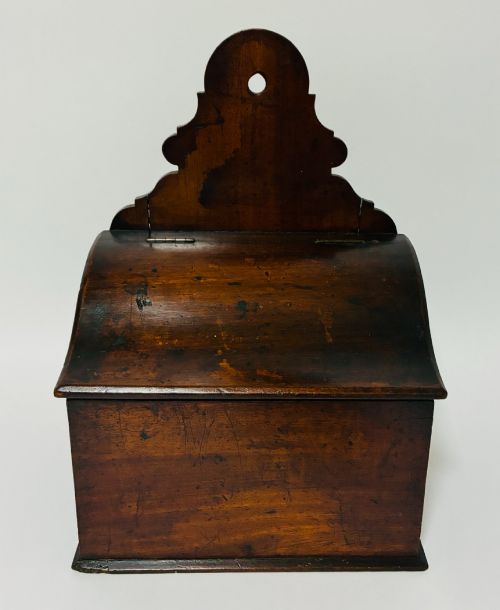
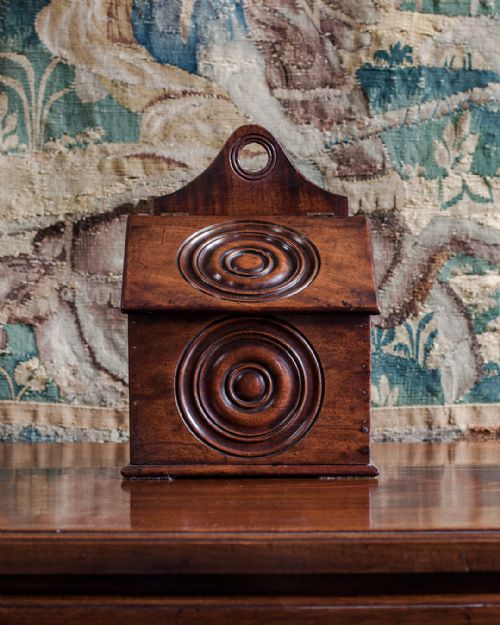
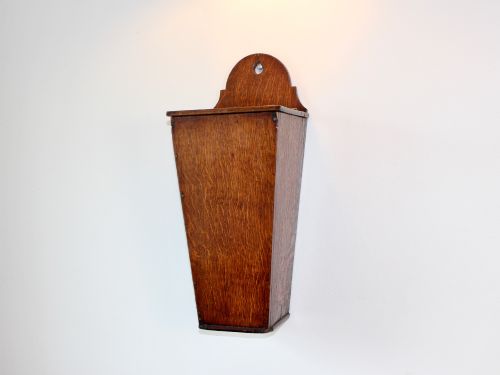
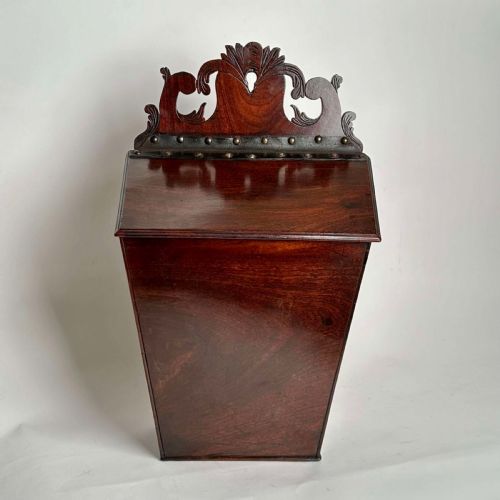
- A wall-mounted container featuring a hinged lid and a sloping top designed to protect salt from damp kitchen environments. These containers hung securely near cooking areas.
- Capstan salt
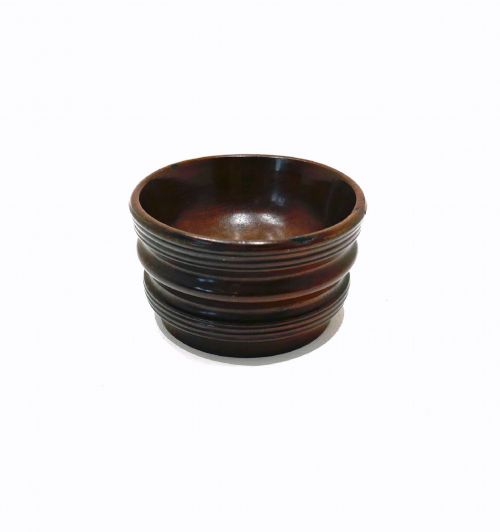
- A spool-shaped table salt cellar resembling a nautical capstan, featuring a wide base and a dished top section. These small vessels sat upon dining tables during meals.
- Patina
- The surface sheen and darkening developed on wood over decades of handling, exposure to light, and waxing. This quality indicates genuine age and tactile history.
Antique Wooden Salt: Frequently Asked Questions
How were old salt boxes used?
Salt boxes hung on kitchen walls near hearths to keep salt dry and accessible for daily cooking tasks. Their slanted lids channel moisture away and allow quick access.
Table salts sat directly on dining surfaces to hold seasoning for individual diners before modern shakers became common.
What woods were commonly used?
Makers utilised local hardwoods such as oak, fruitwood, yew, and laburnum depending on regional availability and the specific form of the object. Dense timbers resisted splitting during regular use.
Mahogany appeared more frequently in refined Georgian pieces intended for formal dining rooms rather than rustic kitchens.
How do I date these pieces?
Dating relies upon examining construction marks, iron hardware types, tool signatures, and wood ageing characteristics. Hand-forged hinges and pegged joinery point to earlier centuries.
Stylistic shifts between Georgian and Victorian periods also guide identification, alongside the specific turning profiles found on treen.
How should I care for them?
Maintain wooden surfaces by applying appropriate microcrystalline wax sparingly to preserve the dry finish and natural patina. Avoid exposure to direct heat sources and dramatic humidity shifts.
Clean only with a soft, dry cloth to prevent moisture damage to historical grain and original paint traces.