



Antique Treenware
Antique treenware encompasses small, functional wooden objects shaped by hand and lathe, offering tactile domestic history that appeals directly to collectors.
Antique Treenware
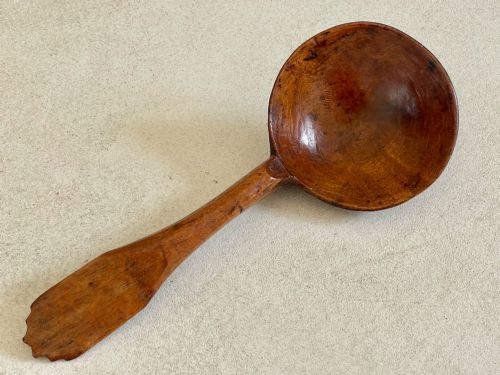
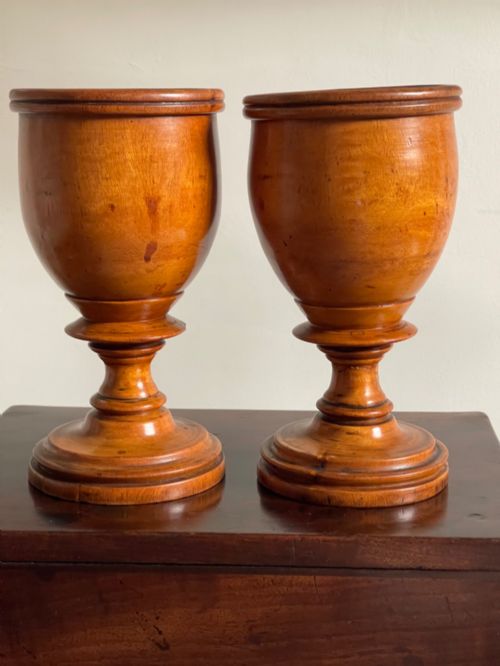
When you search for antique treenware, you are looking at small wooden items made for domestic, decorative, or personal use across centuries. The pieces on this page span the eighteenth, nineteenth, and Georgian and Victorian periods, reflecting utilitarian craftsmanship turned from domestic timbers.
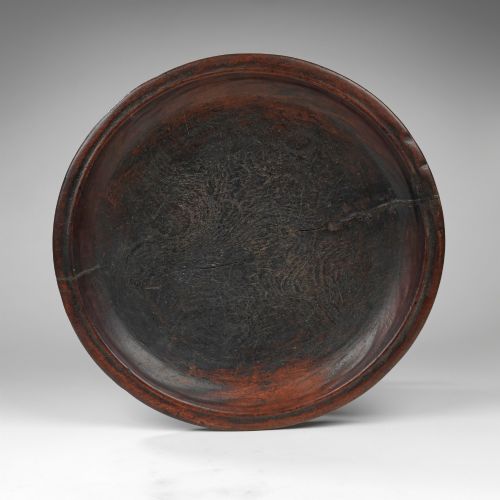
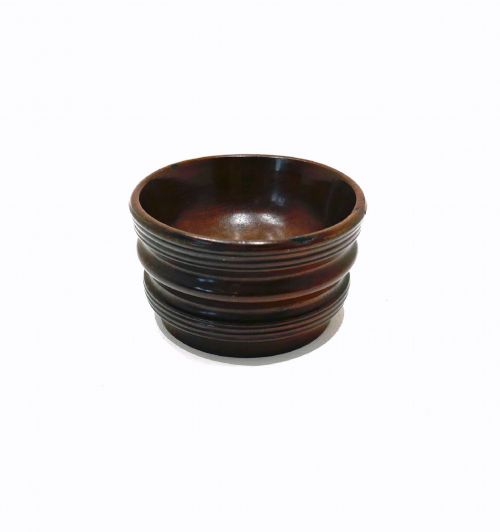
You are most likely to encounter turned bowls, salt cellars, snuff boxes, and spice containers among the current selection. These functional forms range from modest household items to folk art objects produced in English and Scandinavian country workshops.
How antique treenware was made
Maker's hands shaped these objects using dense hardwoods like fruitwood, laburnum, beech, and sycamore on a lathe or with simple hand tools. Turning highlights the natural grain and growth rings of the timber, creating smooth profiles suited to everyday handling.
Details such as bone inlay decorate small personal items like shuttle snuff boxes, while multi-tiered spice towers demonstrate intricate carpentry and fitted sections. Surfaces rely on natural wear, wax, and age rather than heavy finishes to reveal the underlying character of the wood.
Antique Treenware Retail Price Guide 2026
Typical asking prices for treenware among the pieces listed under this phrase on Sellingantiques today, from the lower quarter to the upper quarter. They describe what is for sale here now, not the wider market.
A squirrel-shaped nutcracker carved from fruitwood demonstrates how Victorian makers brought playful animal forms into daily kitchen routines.
What varies in quality in antique treenware
Quality rests upon the crispness of the turning, the balance of the proportions, and the choice of timber. Dense woods like laburnum and fruitwood hold sharper details and develop a deeper patination over time compared to softer timbers.
The sophistication of the form dictates distinction, separating simple utilitarian items from decorative pieces with inlaid bone or sculptural carvings like nutcrackers. Original patination and minimal structural intervention preserve the integrity valued by collectors.
The Antique Treenware Glossary
- Treen
- Small handmade wooden objects of domestic use. The term derives from old English words for tree.
- Laburnum
- A dense hardwood prized by turners for its contrasting dark heartwood and pale sapwood. It frequently appears in eighteenth-century treen salt cellars and small vessels.
- Patina
- The surface sheen and colour developed through years of handling, polishing, and ageing. Good patination indicates authentic period use.
- Fruitwood
- A collective term for dense timbers from fruit-bearing trees such as pear, apple, or plum. Turners favoured these woods for their fine grain and smooth finish.
- Searce
- A fine sieve or strainer used historically for flour or spices. In treenware, these represent specialised utilitarian kitchen implements.
Antique Treenware: Frequently Asked Questions
What is antique treenware?
Antique treenware refers to small, functional wooden household items and personal objects made before the twentieth century. These pieces include bowls, boxes, candlesticks, and containers shaped by turners and craftsmen.
Items range from plain utilitarian kitchen pieces to decorative folk art objects. The appeal lies in the tactile quality of the wood and the evidence of human hands in their creation.
How do I date antique treenware?
Dating treenware relies on identifying the timber species, tool marks, style, and wear patterns. Georgian and Victorian pieces often show distinct turning styles and regional preferences.
Examining construction methods, such as threaded lids or pegged joints, helps place an object within the eighteenth or nineteenth century. Comparative study of known forms provides further context.
How were treen items used?
Treen items served everyday domestic, culinary, and personal functions in the home. Spice towers stored flavorings, salt cellars held table salt, and snuff boxes carried tobacco.
Other objects like goblets, vases, and strainers fulfilled specific dining and preparation roles. Their durability made them essential household gear before mass production.
How do I care for antique treen?
Care for antique treen involves keeping pieces away from direct heat sources and sudden humidity changes. Excessive dryness causes wood to split or warp over time.
Gentle cleaning with a dry cloth maintains the surface. Occasional application of neutral microcrystalline wax helps preserve the dry historic finish without harming the patina.
What woods were used for treen?
Turners utilised locally available hardwoods such as beech, sycamore, yew, laburnum, and various fruitwoods. Dense timbers allowed for sharp profiles and smooth surfaces during lathe work.
Regional availability dictated the timber choice, explaining why Scandinavian country pieces differ in wood selection from English workshops.